Can Dogs Eat Mayonnaise? One Lick, Raw Eggs, and Aioli
One lick of ordinary commercial mayonnaise is unlikely to poison most healthy adult dogs, but mayo is mostly a fat-and-calorie problem, not a useful treat. A missing jar, homemade raw-egg mayo, garlic aioli, spoiled salad, medical low-fat diet, or swallowed lid and packaging changes the response.
A lick and a jar are different stories
- One lick of plain commercial mayo: usually monitor a healthy adult dog.
- Several spoonfuls or a missing jar: call if the amount is large for that dog or symptoms develop.
- Homemade mayonnaise: determine whether raw unpasteurized egg was used and how it was stored.
- Aioli or flavored mayo: inspect garlic, onion, chives, spice, salt, and every other ingredient.
- Missing lid, foil seal, squeeze cap, packet, sandwich wrap, or container: assess the object as well as the food.
Mayonnaise is an emulsion, usually made from vegetable oil, egg yolk or egg, acid such as vinegar or lemon juice, and seasoning. The oil explains why a visually small amount can carry a lot of calories.
Commercial mayo is not usually a raw-egg gamble
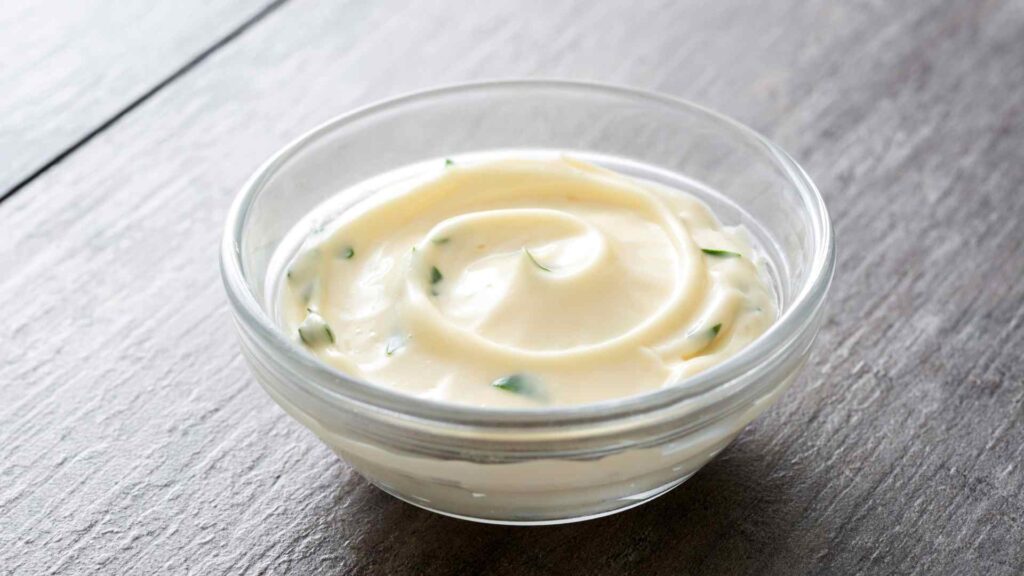
The FDA dairy-and-egg safety guidance states that commercial mayonnaise, dressings, and sauces contain pasteurized eggs. That makes the common warning that every spoonful of store-bought mayo contains dangerous raw egg inaccurate.
Pasteurization lowers egg-related pathogen risk, but it does not turn mayo into dog food or make an opened jar safe at any temperature forever. Follow refrigeration and storage directions and discard a product with an uncertain history.
Homemade mayo can be different
Traditional homemade recipes may use raw shell egg that has not been pasteurized, and home acidity or handling may be inconsistent. Restaurant, deli, farmers-market, and fresh-made sauces deserve a question rather than an assumption.
The FDA egg-safety guide recommends pasteurized eggs or egg products for recipes served raw or undercooked and careful cleaning after raw-egg contact. Alcohol, vinegar, lemon, or a cold refrigerator should not be treated as a substitute for verified pasteurization and safe handling.
Young puppies, pregnant dogs, seniors, and immunocompromised animals may be less able to handle foodborne pathogens. Call after a substantial questionable raw-egg product exposure or if vomiting, diarrhea, fever, lethargy, or poor appetite develops.
Fat and calories are the central issue
Regular mayonnaise contains a high proportion of oil, making it calorie-dense and rich. A large raid can cause vomiting or diarrhea and conflicts with weight-loss plans and many low-fat therapeutic diets.
The Merck Veterinary Manual dog guide to pancreatitis lists large amounts of table scraps or other inappropriate food as a suspected risk factor and discusses low-fat feeding for affected dogs. It does not say a single lick of mayo guarantees pancreatitis.
Dogs with a history of pancreatitis, high triglycerides, obesity, diabetes, or a prescribed low-fat diet should not receive mayonnaise intentionally. Their threshold for calling after a raid may be lower than that of a healthy adult dog.
Repeated vomiting, abdominal pain, refusal to eat, marked lethargy, weakness, dehydration, or a hunched or prayer-like posture needs prompt veterinary attention. Pancreatitis requires clinical assessment, not diagnosis by condiment.
Light, reduced-fat, and fat-free mayo
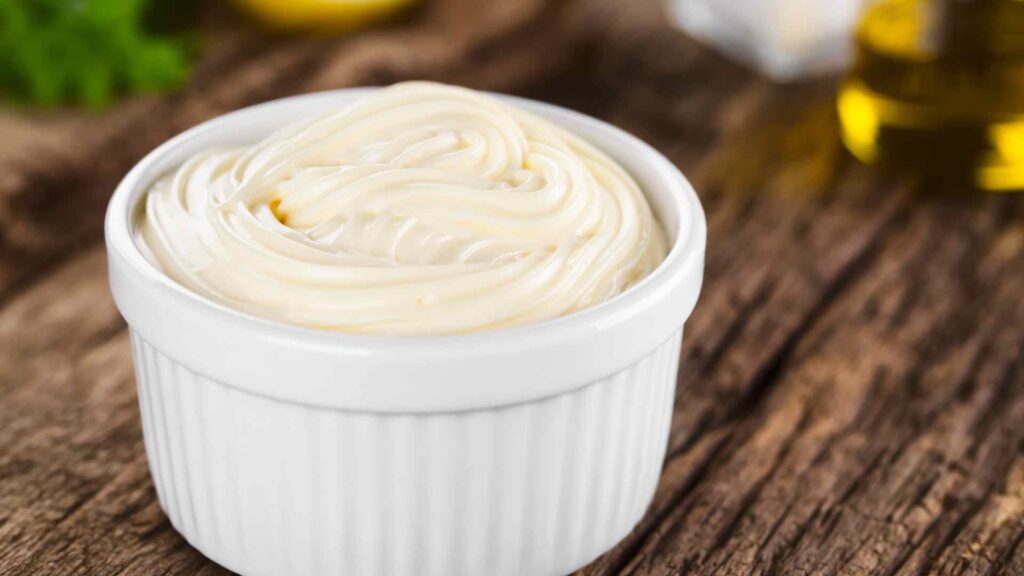
Light mayonnaise may reduce fat or calories by adding water, starch, gums, sugar, or other texture ingredients. Fat-free sandwich spread can differ substantially from standardized mayonnaise, so compare labels instead of trusting the word light.
Lower fat may reduce one concern, but it does not make a product nutritionally valuable or suitable for unlimited licking. Sodium, sweeteners, milk or soy ingredients, flavorings, and calories may still matter.
A veterinarian-directed low-fat diet has a specific goal that a supermarket claim may not meet. Ask before using any mayo as a pill coating or appetite topper for a dog with pancreatic or gastrointestinal disease.
Aioli is where garlic stops being a footnote
Traditional aioli is garlic with oil, and many modern restaurant aiolis are garlic-flavored mayonnaise. Other varieties may add roasted garlic, onion, shallot, chives, truffle seasoning, chili, herbs, cheese, or alcohol.
Garlic and onion can damage canine red blood cells, including in cooked and powdered forms; our garlic guide and onion guide explain the delayed signs and dose information to collect. Do not wait for pale gums or dark urine after a meaningful flavored-sauce exposure.
A smear of garlic aioli and an emptied catering squeeze bottle are different doses. Save the ingredient label or restaurant recipe and estimate what remains.
Flavored mayonnaise needs label-specific thinking
Chipotle, sriracha, Cajun, curry, wasabi, ranch, bacon, honey-mustard, herb, and truffle mayonnaise have no universal recipe. Some mainly add mouth or stomach irritation, while others add Alliums, high sodium, rich meat, or unexpected allergens.
Xylitol is not a likely ingredient in ordinary mayonnaise, and owners should not be frightened as if every jar contains it. Sugar-free, keto, specialty, and homemade products still deserve a real sweetener check because the label is the evidence.
Mustard and lemon are usually irritation and flavor questions at condiment amounts, not automatic poisoning. Concentrated essential oils, alcohol-containing flavor extracts, or unusually spicy sauces need individual assessment.
Vegan mayo removes egg, not oil
Egg-free mayonnaise commonly replaces egg with aquafaba, soy, pea protein, starch, or another emulsifier while retaining substantial oil. It may suit an egg-avoidance need for people, but it remains calorie-dense and can introduce different proteins.
Read for onion, garlic, salt, sweeteners, and allergen ingredients, and do not assume plant-based means low-fat. A dog on an elimination diet should receive none unless the supervising veterinarian explicitly includes it.
Mayo rarely travels alone
Potato salad can add onion, garlic, chives, bacon, mustard, salt, and large potato pieces. Macaroni salad adds pasta, vegetables, cheese, tuna, or seasonings, while coleslaw can add sugar, onion, raisins, and crunchy pieces.
Chicken, tuna, crab, egg, and ham salads combine mayonnaise with animal proteins and may sit out at picnics. Bones, fish contaminants, salt, onion, garlic, and temperature history can matter more than the mayo.
Our tuna guide and crab guide cover seafood-specific preparation and contaminant questions. Do not reduce a missing seafood-salad tub to one condiment.
Sandwiches and burgers add bread, cheese, fatty meat, pickles, onion, garlic sauce, skewers, foil, and wrappers. Count every missing object and ingredient before deciding the dog only ate mayonnaise.
Egg allergy is possible but not proven by one itch
Egg protein in standard mayo can matter to a dog with a confirmed egg allergy or a strict elimination trial. Vomiting, diarrhea, itching, hives, facial swelling, or recurring ear and skin problems have many possible causes.
Our egg guide separates cooked egg nutrition from raw-food handling and allergy questions. Food allergy is diagnosed with a controlled veterinary elimination diet and rechallenge, not a hair or saliva panel.
Facial swelling, breathing difficulty, weakness, widespread hives, or collapse after eating is an emergency. For mild recurring signs, stop the product and call instead of testing several flavored brands.
Mayonnaise is not a nutrition hack
Mayo adds energy and fat but little that a complete dog food needs help supplying. It does not improve coat health, build muscle, treat dry skin, lubricate joints, cure constipation, or make an incomplete diet balanced.
Using it to tempt a dog who suddenly refuses food can hide how little normal food is being eaten. Appetite loss, nausea, dental pain, systemic disease, or medication effects need investigation when persistent or accompanied by other signs.
The treat allowance is smaller than the jar suggests
The UC Davis veterinary treat guideline recommends that all treats and extras remain below 10 percent of daily calories, with at least 90 percent from a complete and balanced diet. Mayo can consume that allowance quickly for a small dog.
There is no useful teaspoon table without the product’s calories, the dog’s size, body condition, health, and regular food. Since mayo offers no special canine benefit, the easiest portion to defend is none intentionally.
Storage and packaging matter
Refrigerate opened mayonnaise and prepared salads according to label directions and discard products with uncertain storage, mold, gas, or spoilage. Acidic flavor does not make a warm picnic bowl indefinitely safe.
A squeeze-bottle cap, foil seal, glass jar, plastic lid, packet, or sandwich wrap can choke, cut tissue, or obstruct the digestive tract. Missing glass demands an immediate search for shards and a veterinary call, not home-induced vomiting.
Repeated retching, drooling, trouble swallowing, vomiting, abdominal pain, appetite loss, or reduced stool after packaging ingestion needs prompt assessment. Objects can cause delayed signs.
What to do after a mayo raid
- Remove access and estimate a lick, spoonful, packet, bowl, squeeze bottle, or jar.
- Identify commercial, homemade, raw-egg, light, vegan, flavored, spoiled, or mixed-food product.
- Save the label or recipe and record amount, time, dog’s weight, symptoms, and medical conditions.
- Check for garlic, onion, chives, xylitol, alcohol, high salt, hot spice, and missing packaging.
- Call for a large amount, raw or spoiled product, unsafe add-ins, a vulnerable dog, objects, or significant symptoms.
A healthy adult dog that takes one lick of ordinary refrigerated commercial mayo and remains normal can usually be monitored. Keep water available and return to the regular complete diet.
Do not induce vomiting or give human stomach medicine unless a veterinarian directs it. Fat, raw ingredients, co-ingredients, packaging, timing, and symptoms change what is appropriate.
Frequently asked questions
Is mayonnaise poisonous to dogs?
Plain commercial mayo is not a recognized blanket toxin. Its high fat and calories, quantity, flavorings, storage, and packaging determine the practical risk.
Does store-bought mayo contain dangerous raw egg?
FDA states commercial mayonnaise contains pasteurized eggs. Homemade or fresh-made mayo may use raw unpasteurized egg, so ask and check.
Can one lick cause pancreatitis?
One lick is unlikely to make most healthy dogs ill and does not guarantee pancreatitis. Dogs with previous pancreatitis or strict low-fat diets should avoid it.
Can dogs eat vegan mayo?
Egg-free does not mean low-fat or dog-friendly. Check oil, calories, sodium, proteins, flavorings, and sweeteners.
Is aioli safe for dogs?
Do not offer it because garlic is traditional and recipes vary. Save the label or restaurant ingredient information after a raid.
The bottom line
One lick of ordinary commercial mayo is usually a minor dietary mistake for a healthy adult dog, not a poisoning emergency. Large amounts are rich enough to cause digestive trouble and merit extra caution in low-fat patients.
Commercial pasteurized egg, homemade raw egg, garlic aioli, mixed salads, spoilage, and packaging are separate questions. Read the label, count the missing objects, and call when the story is bigger than a lick.