Can Dogs Have Turmeric? Spice, Supplements, and Evidence
A tiny culinary amount of turmeric in otherwise dog-safe food is unlikely to poison most dogs, but turmeric is not a proven treatment. Capsules, extracts, oils, “golden paste,” and enhanced-absorption products create different doses and interaction questions, so do not use them for arthritis, cancer, inflammation, or another illness without the dog’s veterinarian reviewing the exact product and medications.

Turmeric spice is not the same as curcumin extract
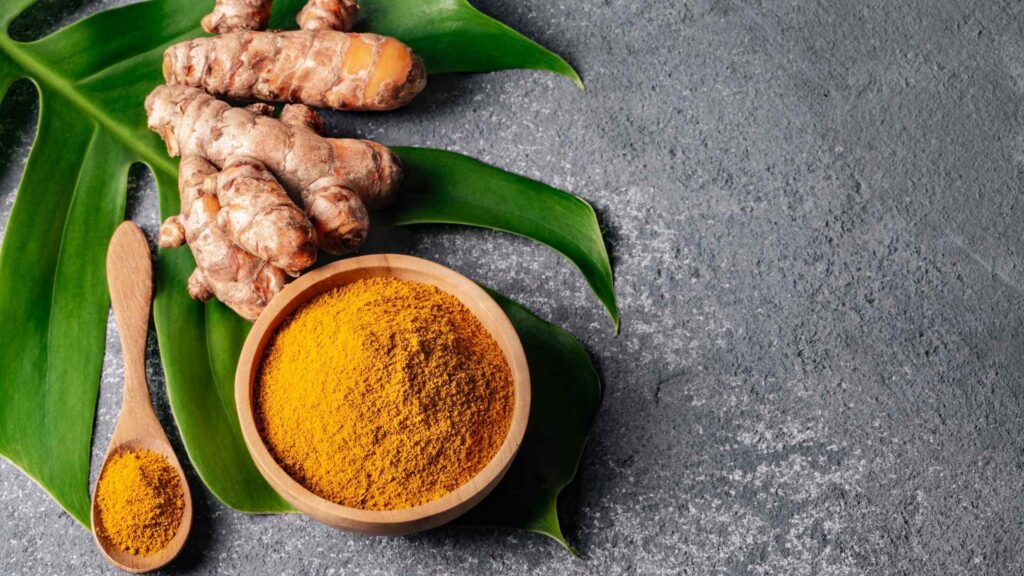
Turmeric is the ground rhizome of Curcuma longa, and curcuminoids are only some of its constituents. A teaspoon of kitchen spice, a standardized curcumin capsule, an essential oil, and a concentrated paste are not interchangeable exposures.
Supplement labels may state milligrams of turmeric root, turmeric extract, curcuminoids, or a proprietary blend. Those numbers describe different materials, so a recipe based on “turmeric” alone can be badly misleading.
Some products add piperine from black pepper or use lipid, phospholipid, or other delivery systems to increase absorption. The NIH NCCIH turmeric review notes that formulations vary and that enhanced bioavailability changes both exposure and safety questions.
Turmeric essential oil is not a stronger version of culinary spice for home dosing. Essential oils are concentrated mixtures and should not be added to food, rubbed on skin, or placed in the mouth without direct veterinary instruction.
What a small food exposure usually means
A dog that licks a small amount of plain curry-free turmeric from the floor is unlikely to need emergency treatment solely because of the spice. The powder may cause drooling, coughing, sneezing, vomiting, diarrhea, or yellow staining if it irritates the mouth, nose, or stomach.
Offer normal water if the dog is alert and swallowing comfortably, then monitor. Do not force food, milk, oil, or a homemade paste to “bind” the spice.
A spice-jar raid, concentrated supplement, essential oil, or product with other active ingredients deserves a label-based call. Dog size, amount, formulation, medical history, medicines, and symptoms matter more than the bright color.
If powder entered the eyes, rinse gently with clean lukewarm water and call if squinting, redness, or discomfort persists. Breathing difficulty, repeated coughing, collapse, or severe facial swelling is urgent.
The evidence is interesting, but it is not a treatment promise
Laboratory findings about inflammatory pathways do not prove that kitchen turmeric relieves pain in a dog. Absorption, dose, formulation, study design, other ingredients, and the condition being treated all affect whether a finding is clinically useful.
A randomized crossover trial studied a combination of green-lipped mussel, curcumin, and blackcurrant leaf extract in dogs and cats with osteoarthritis. Because several ingredients were combined and the sample was modest, it cannot prove that ordinary turmeric alone works.
Another controlled canine osteoarthritis study used a diet containing curcuminoid extract plus hydrolyzed collagen and green tea extract. That formulation is not equivalent to sprinkling spice on dinner, and it does not justify replacing established pain care.
No turmeric product should be presented as a cure for cancer, arthritis, infection, digestive disease, skin disease, or immune problems. Delaying diagnosis or proven treatment can cause more harm than the supplement itself.
Why product formulation matters
Oral curcumin has limited bioavailability in many conventional formulations, which has encouraged manufacturers to alter delivery. A beagle pharmacokinetic study found different exposure from several curcumin complexes compared with unmodified curcumin.
That finding does not tell owners which product to buy or what dose to give. It shows why milligrams from one formulation should not be copied onto another.
Black pepper is often added because piperine can change absorption. More absorption is not automatically better, particularly for a dog taking medication or one with liver, gastrointestinal, or bleeding concerns.
A product marketed for humans may also contain xylitol, caffeine, green tea extract, vitamins, minerals, herbs, or flavorings. Gummies and chewables can invite a bottle raid, so every ingredient and the number missing belong in the triage note.
Stomach upset is the most practical side effect
Turmeric and curcumin can cause gastrointestinal signs, especially at supplemental amounts. The Merck Veterinary Manual herb review lists diarrhea, flatulence, and bloating with high doses and notes possible nausea.
Stop an optional supplement and call if vomiting or diarrhea is repeated, the dog refuses food, seems painful, becomes unusually tired, or cannot keep water down. Black stool, blood, collapse, or pale gums needs urgent care.
Do not use turmeric to treat diarrhea or an upset stomach. Adding another biologically active product can blur the timeline and make it harder to identify the original cause.
A dog with pancreatitis or chronic digestive disease may also react to the fat used in a paste more than to the yellow powder. Evaluate the entire recipe, not its headline ingredient.
Bleeding, surgery, and medication cautions
Merck notes that turmeric may increase bleeding risk when combined with nonsteroidal anti-inflammatory drugs, although the clinical significance of some herb-drug interactions remains uncertain. That uncertainty is a reason for veterinary review, not permission to stack products freely.
Tell the veterinarian about turmeric before surgery, dental extraction, biopsy, or treatment for a bleeding disorder. Include the brand, formulation, dose, frequency, and last use rather than simply saying the dog gets supplements.
Dogs taking an NSAID, anticoagulant, antiplatelet drug, chemotherapy, anticonvulsant, diabetes medicine, or multiple medications need an interaction check. Do not stop prescribed medicine to make room for turmeric.
Bruising, nosebleeds, bleeding gums, blood in vomit or stool, weakness, pale gums, or collapse requires prompt veterinary assessment. A yellow stain on fur is harmless, while yellow gums or eyes can signal jaundice and needs care.
Gallbladder, liver, and other medical questions
Concentrated turmeric or curcumin should be reviewed before use in a dog with gallbladder, bile-duct, liver, kidney, bleeding, or gastrointestinal disease. Evidence and safe dosing are too product-specific for a blanket internet recommendation.
Human warnings cannot be copied directly onto dogs, but they can identify questions worth raising with the veterinary team. The dog’s diagnosis, laboratory results, medications, and exact formulation are the relevant pieces.
Highly bioavailable human curcumin products have been associated with liver injury in people, as NCCIH explains. That does not establish the same rate or mechanism in dogs, but it argues against casual use of concentrated enhanced formulations.
If a dog on a supplement develops poor appetite, repeated vomiting, unusual lethargy, dark urine, yellow eyes or gums, or abdominal pain, stop the optional product and contact the veterinarian promptly.
Golden paste is a recipe, not a veterinary category
Golden paste commonly combines turmeric with oil and black pepper, but recipes vary widely. Some add cinnamon, ginger, honey, broth, sweetener, or essential oil, and homemade spoon sizes are not standardized.
Oil increases calories and can cause digestive trouble in sensitive dogs. The coconut guide and olive oil guide explain why fat and portion context still matter.
Black pepper or piperine is added specifically to change absorption, which makes a paste less comparable to culinary turmeric. Do not assume a viral recipe accounts for the dog’s medicines, pancreatitis history, or upcoming procedure.
Commercial pastes can include sweeteners and flavorings, so check for xylitol and other active ingredients. Garlic is not a helpful wellness add-in for dogs, as the garlic guide explains.

Turmeric in curry, broth, and prepared food
A curry spill is not a plain-turmeric exposure. Onion, garlic, chili, rich coconut milk, butter, salt, raisins, alcohol, and bones may matter far more than the spice that made the sauce yellow.
Packaged broth can contain onion, garlic, and substantial sodium. “Natural flavors” is not enough detail after a large theft, so save the carton and contact the manufacturer if a veterinary professional needs clarification.
Turmeric lattes may add caffeine, chocolate, nutmeg, sweeteners, and rich milk. Supplements mixed into peanut butter require a fresh xylitol label check, not an assumption based on a familiar jar.
If the dog ate a prepared dish, write down every ingredient and estimate the whole portion. Triage the most consequential ingredient rather than trying to assign every symptom to turmeric.
There is no universal home dose
Culinary spice and standardized extracts cannot share one teaspoon-per-pound chart. Products vary in curcuminoid content and absorption, while dogs vary in diagnosis, diet, medications, and tolerance.
A veterinarian considering a supplement can choose a product, review quality information, set a goal, define a monitoring period, and decide what outcome would count as benefit. Without those steps, daily dosing can drift on for months without proving it helps.
Supplements also add calories or ingredients when delivered in cheese, fatty paste, or nut butter. Include the carrier in the daily treat budget and in any food-allergy or elimination-diet plan.
For arthritis or chronic pain, ask about weight management, activity, rehabilitation, environmental changes, and evidence-based medication alongside any supplement discussion. Turmeric should not carry a job it has not been shown to do.
What to do after a turmeric or supplement raid
Remove access and save the jar, supplement facts panel, lot information, and remaining capsules or gummies. Count what is missing and note dog weight, time, symptoms, medicines, and whether packaging or a desiccant packet was swallowed.
A small lick of plain culinary powder in a well dog can usually be monitored for irritation or stomach upset. A concentrated extract, essential oil, enhanced-absorption product, large amount, xylitol-containing item, or symptomatic dog warrants a prompt call.
Seek urgent care for breathing trouble, collapse, repeated vomiting, severe abdominal pain, marked weakness, pale or yellow gums, black or bloody stool, tremors, seizures, or inability to keep water down. Bring the full product rather than a screenshot of the front label.
Do not induce vomiting or give peroxide, salt, oil, milk, charcoal, antacids, or human medicine unless a veterinary professional directs it for that exact exposure.
The bottom line
A trace of turmeric in otherwise safe food is unlikely to poison most dogs, but it offers no guaranteed health payoff. Concentrated capsules, extracts, oils, pastes, and piperine-enhanced products deserve a medication and medical-history review.
Treat turmeric as an optional biologically active ingredient, not a kitchen cure. Read every label, keep claims proportional to canine evidence, and let the veterinarian handle diagnosis, dosing, interactions, and monitoring.