Can Dogs Eat Beets? Safe Pieces, Pigment, and Product Risks
Dogs can eat a small amount of plain beet, but it should be cooked soft or cut into bite-size pieces. Beets are not toxic in ordinary food portions, yet hard chunks can choke, too much fiber can upset the stomach, pickled or seasoned products add different risks, and their red pigment can complicate a bathroom check.
Start with the actual beet product
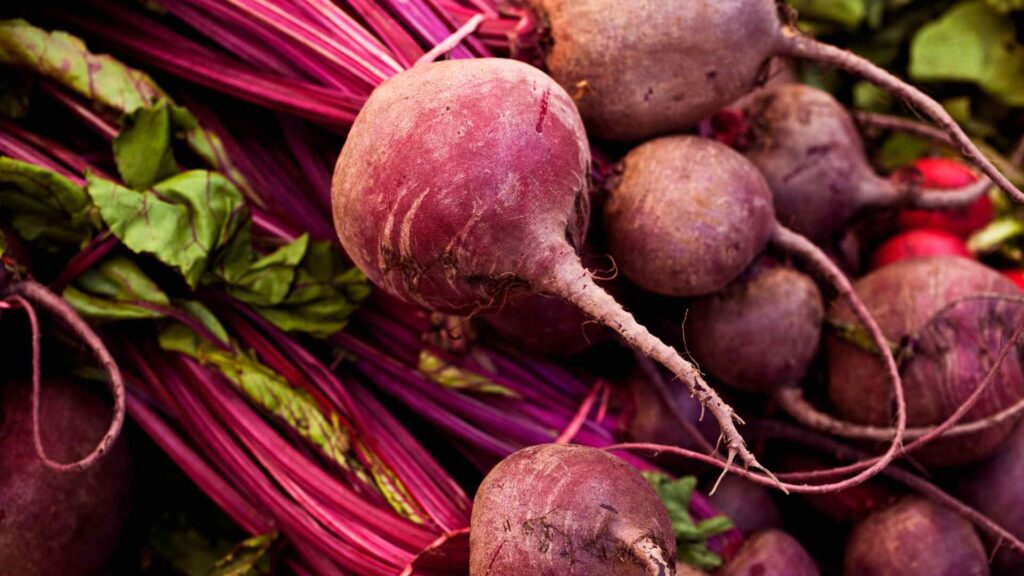
Fresh beetroot, cooked beet, canned beet, pickled beet, beet chips, juice, powder, and supplement chews are not the same exposure. Preparation changes texture, concentration, sodium, sugar, and added ingredients.
Plain beetroot is a vegetable, not a canine treatment. It is optional for a dog already eating complete food and does not detox the liver, purify blood, lower blood pressure, boost endurance, or cure constipation.
A small food portion is different from a supplement measured in grams of powder or standardized nitrate. Never copy a human beet supplement dose onto a dog.
Read the entire label after a packaged-product raid. Xylitol, onion, garlic, salt, vinegar, sweeteners, chocolate, caffeine, and swallowed packaging can matter more than beet pigment.
Raw or cooked: make the texture easy
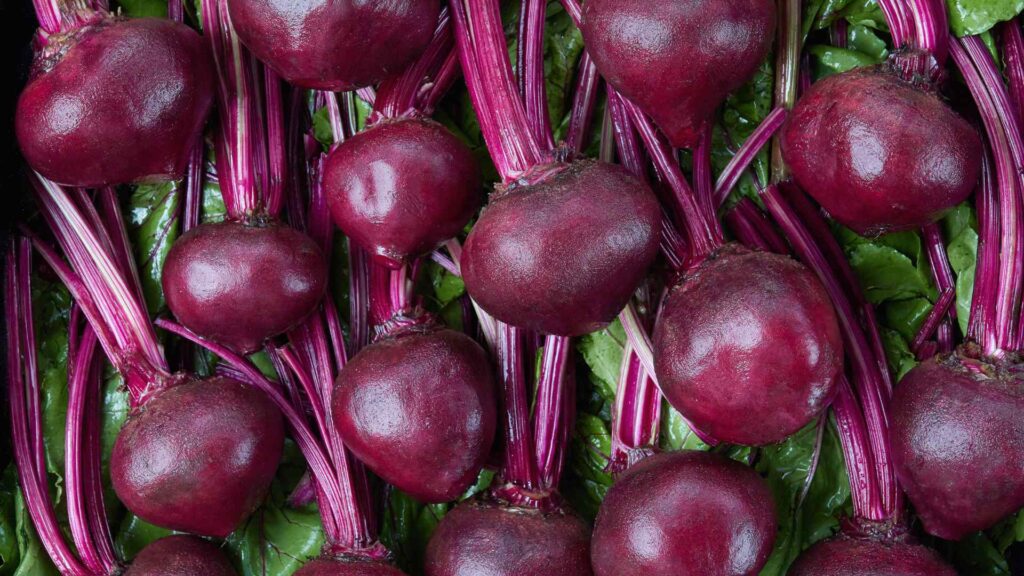
Cooked beet is usually easier to cut and chew, provided it is plain and cool. Steam, boil, or roast without oil, salt, butter, glaze, onion, or garlic, then cut it into small soft pieces.
Raw beet is firm and can be difficult for a dog that gulps, has dental disease, or has swallowing trouble. Grate it finely or cut it into pieces the individual dog can manage instead of handing over a whole root.
Whole baby beets, thick rounds, and frozen chunks can lodge in the throat. Frozen does not mean safer enrichment, especially for dogs with cracked teeth or a habit of swallowing treats whole.
Wash soil from fresh beets, trim tough stems and roots, and discard spoiled or moldy pieces. Soil, ties, produce stickers, and plastic bags create their own hazards.
A small first serving is enough
Offer one or two small pieces the first time, not a bowl. That is enough to learn whether the dog likes the food and tolerates its fiber.
Possible signs of poor tolerance include gas, loose stool, vomiting, abdominal discomfort, or reduced appetite. Stop offering beets if signs recur and discuss persistent problems with the veterinarian.
Beets contain carbohydrate and calories, so repeated handfuls still count. Dogs with obesity, diabetes, a calorie-controlled plan, or a prescription diet need an individualized decision.
The UC Davis veterinary treat guide recommends that at least 90 percent of calories come from complete and balanced food. Every vegetable, chew, topper, and table scrap shares the remainder.
Red stool or urine after beets
Beets contain red betalain pigments that can color food, saliva, vomit, stool, or urine. Research on beetroot pigment excretion is primarily from people and experimental models, so it should not be used to promise exactly how every dog will respond.
A color change soon after a known beet serving may be pigment, but appearance alone cannot prove that it is harmless. Blood can also make urine or stool pink, red, maroon, or dark.
Look at the whole dog and the timing. Straining to urinate, frequent tiny urinations, pain, clots, weakness, pale gums, black tarry stool, repeated bloody diarrhea, vomiting blood, or collapse needs prompt veterinary care.
If uncertain, photograph the output in good light and save a fresh sample if the clinic requests one. Do not keep feeding beets as a home test because more pigment makes visual interpretation harder.
Oxalates need context, not a toxin label
Beets contain oxalate, but that does not make an ordinary bite a kidney toxin for every dog. Calcium oxalate stone formation involves urine chemistry, hydration, genetics, disease, and the overall diet rather than one isolated vegetable.
The Merck Veterinary Manual urolithiasis guide describes calcium oxalate as a common canine stone type and emphasizes veterinary diet management for affected dogs. It does not support treating all healthy dogs as stone patients.
A dog with current or previous calcium oxalate stones, kidney disease, or a therapeutic urinary diet should receive only approved treats. The University of Minnesota Urolith Center explains that treat choices for stone-forming dogs depend on the prevention strategy.
Do not add calcium, potassium citrate, vitamin C, or another supplement to “balance” beet oxalate without veterinary direction. Stone prevention is a whole-diet and urine-monitoring plan.
Pickled beets are mostly a condiment question
Pickled beets usually add brine, vinegar, salt, and sugar. Some recipes include onion, garlic, cloves, or other spices, while sugar-free versions may use sweeteners that require a label check.
One small drained piece of an ordinary recipe is unlikely to cause salt poisoning in a healthy dog, but it is still unnecessary. A jar raid or swallowed brine can deliver much more sodium and seasoning.
The pickle guide explains why brine, Alliums, spices, sweeteners, and packaging deserve separate attention. Do not describe every pickled vegetable as toxic when amount and recipe are what matter.
Homemade jars need the actual recipe, including preserving salts and sweetener. Save the lid, ring, glass, and any missing cloth or label after a pantry accident.
Canned beets, chips, and prepared dishes
Plain canned beets packed in water may be usable after draining, but check sodium, sugar, and serving size. Rinsing may remove some surface liquid without turning a seasoned product into a veterinary diet.
Beet chips can be hard, salty, oily, or sweetened, and they concentrate the vegetable into easy-to-overeat pieces. A sharp chip can also irritate the mouth or lodge in a small dog’s throat.
Salads may include onion, garlic, raisins, grapes, walnuts, blue cheese, dressing, or skewers. The walnut guide covers shell, mold, and fat concerns when nuts appear.
Borscht and roasted vegetable mixes commonly include onion, garlic, broth, salt, and fat. Use the garlic guide for a named Allium rather than focusing only on the beet.
Beet juice and powders are concentrated choices
Beet juice removes much of the chewing and portion friction of whole pieces, so a dog can consume more quickly. Commercial juices may include apple, grape, lemon, ginger, sweetener, salt, or functional ingredients.
Beetroot powders and sports supplements can contain concentrated beet material, caffeine, electrolytes, vitamins, herbs, or sugar alcohols. A scoop intended for a person is not a dog serving.
Do not use beet juice to treat dehydration or anemia. Those conditions have different causes, and a sweet red drink can delay diagnosis while making urine or vomit harder to interpret visually.
After a supplement theft, keep the ingredient and supplement-facts panels and estimate the number of scoops, gummies, or tablets missing. Call immediately if xylitol, caffeine, or another known hazard appears.
Beet greens and garden access
Beet leaves are edible plant material, but a large pile can add fiber and may be unsuitable for a dog with urinary or gastrointestinal disease. They are not a required leafy-green supplement.
Garden beets can carry soil, fertilizer, compost, pesticide residue, slug bait, string, wire, or plant markers. Ask what else was in the bed rather than assuming every sign came from the root.
Compost and moldy vegetable piles can contain hazards unrelated to fresh beets. Keep dogs away from decomposing produce and secure garden chemicals in their original containers.
If a dog uproots and swallows a whole beet, choking or obstruction from the size and fibrous material may be more urgent than nutritional questions. Gagging, repeated swallowing, drooling, regurgitation, or breathing trouble requires prompt action.
Beets are not medicine in a bowl
Human research on beet nitrate and blood pressure does not establish a canine treatment. A dog with heart disease or hypertension needs diagnosis, monitoring, and medication decisions based on veterinary evidence.
Red color does not mean beets build blood or treat anemia. Pale gums, weakness, rapid breathing, collapse, or suspected bleeding requires an examination and blood testing.
The same restraint applies to detox, liver support, athletic endurance, inflammation, and cancer claims. Nutrients in a vegetable do not make a food clinically effective for a disease.
If the goal is variety, a tiny plain piece is enough. The carrot guide offers another preparation example without turning vegetables into therapy.
Storage and stain management
Refrigerate cooked beets promptly in a clean covered container and follow a conservative leftover timeline. Discard slimy, moldy, fermented, or uncertain leftovers where the dog cannot raid them.
Beet pigment stains fabric, fur, cutting boards, and carpet, but harsh cleaner residue can create a second exposure. Block the dog from the area, clean according to the surface product directions, and rinse pet-contact surfaces as instructed.
If juice coats the dog’s paws or fur, use lukewarm water and a pet-safe cleanser, then dry thoroughly. Avoid bleach, solvents, essential oils, and aggressive scrubbing on skin.
Temporary staining is cosmetic, while skin redness, swelling, hives, or persistent licking may indicate irritation or another problem. Call if the dog seems uncomfortable or develops facial swelling or breathing difficulty.
What to do after a beet incident
After a few plain pieces, provide normal water and monitor for stomach upset and color changes. Note the serving time so red stool or urine can be interpreted in context.
After a large root, hard chunks, pickled beets, brine, a supplement, or a prepared dish, save the recipe and package. Report dog weight, amount, time, symptoms, medical history, and missing packaging when calling.
Seek urgent care for choking, breathing trouble, repeated vomiting, severe abdominal pain, collapse, pale gums, inability to urinate, painful straining, clots, black stool, or obvious ongoing bleeding. Do not dismiss those signs as pigment.
Do not induce vomiting or give peroxide, salt, oil, milk, charcoal, antacids, or human medicine unless a veterinary professional directs it for the exact exposure.
The bottom line
Plain beet can be a colorful occasional extra when it is washed, cooked soft or cut small, and served without seasoning. Too much can cause stomach upset, while hard pieces, brine, Alliums, supplements, and packaging change the risk.
Expect pigment to complicate the bathroom detective work, but never assume red equals beet when the dog has pain, weakness, straining, clots, black stool, or other warning signs.