Can Dogs Eat Tofu? Preparation, Soy, and Diet Context
Dogs can eat a small piece of plain, ready-to-eat tofu, but it is an optional extra rather than a protein treatment or meal replacement. Sodium, soy sensitivity, fried coatings, sauces, garlic, onion, portion size, and the dog’s complete diet matter more than internet claims about soy hormones or thyroids.
The practical answer
A healthy dog can usually try one small cube of plain tofu that was stored and handled according to its package. Serve it cool, unseasoned, and separate from sauce, then stop if gas, vomiting, diarrhea, itching, or discomfort follows.
Call after a large amount, a seasoned restaurant dish, xylitol-containing sauce, significant onion or garlic, repeated vomiting, marked bloating, weakness, breathing trouble, or swallowed packaging. Keep the label or recipe because tofu preparation varies widely.
What tofu is
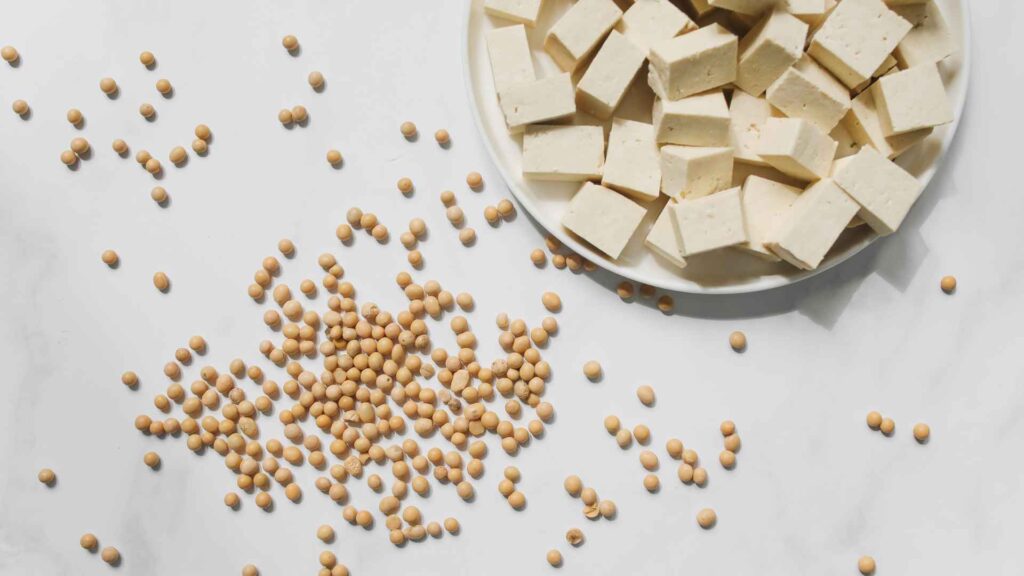
Tofu is made by coagulating soy milk and pressing the curds, with textures ranging from silken to extra firm. Most packaged tofu is ready to eat, although cooking can improve palatability and lets you serve it warm without introducing raw animal ingredients.
“Raw tofu” usually means uncooked packaged tofu, not a raw soybean, but safe handling still matters. Follow refrigeration, opening, water-change, and use-by instructions rather than leaving tofu at room temperature for the dog.
Plain tofu is not generally toxic
Soy ingredients appear in some complete commercial dog foods, and tofu itself is not classified with grape, xylitol, or Allium toxicity. A non-toxic food can still cause digestive upset, allergy symptoms, calorie displacement, or problems with a therapeutic diet.
Do not extrapolate from laboratory discussions about isolated soy compounds to declare ordinary tofu poisonous. The product, portion, individual dog, and complete dietary formulation provide the useful context.
Soy allergy and intolerance
Dogs can have adverse reactions to soy proteins, but one episode of itching or soft stool cannot identify the ingredient. Facial swelling, widespread hives, breathing difficulty, weakness, or collapse after eating requires emergency care.
Recurring itching, ear disease, vomiting, or diarrhea needs a veterinary workup and structured diet history. During an elimination trial, tofu and soy-flavored medications can invalidate the results.
Gas and gastrointestinal tolerance
Tofu may cause gas, loose stool, nausea, or vomiting in a dog that is unfamiliar with it or eats too much. Start with a tiny amount rather than using a bowl to test whether the dog “can handle soy.”
A swollen abdomen, severe pain, repeated unproductive retching, pale gums, breathing difficulty, or collapse is not ordinary tofu gas. Seek emergency care because acute abdominal disease cannot be diagnosed from the ingredient list.
Sodium
Plain tofu sodium varies by brand, while flavored, smoked, fermented, or marinated products may contain much more. Check sodium per serving and multiply it by the amount the dog actually ate.
The FDA explains how sodium is displayed on the Nutrition Facts label. Dogs with heart, kidney, or sodium-sensitive disease need individualized advice even when a healthy dog might tolerate a taste.
Fried and seasoned tofu
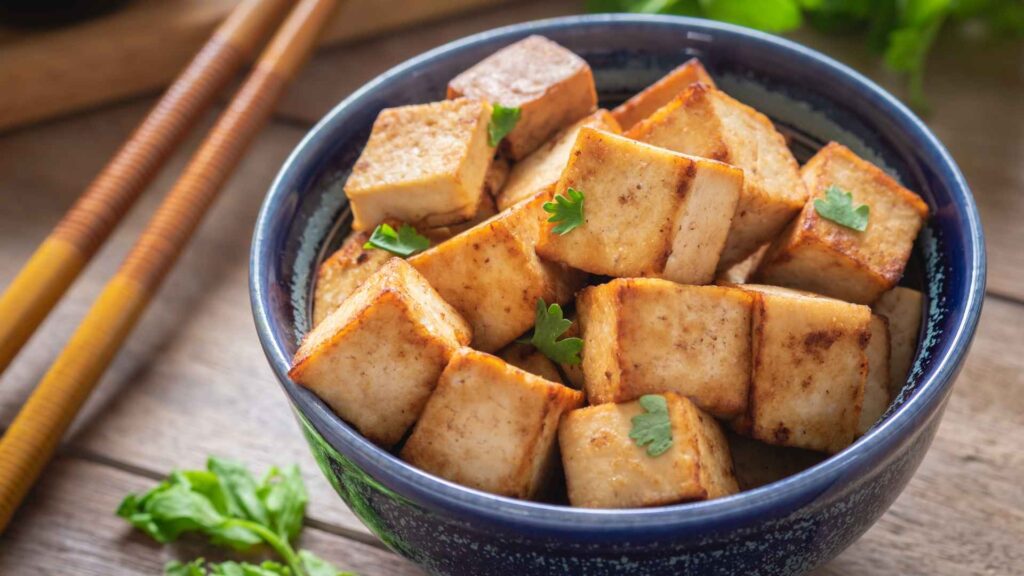
Fried tofu absorbs oil and may be coated in salt, starch, batter, or spice. A large fatty serving can trigger vomiting or diarrhea and is particularly unsuitable for a dog with pancreatitis or a low-fat prescription diet.
Stir-fries, curries, soups, and restaurant tofu often contain onion, garlic, soy sauce, chili, sesame oil, or sweetened glaze. The ASPCA notes that onion and garlic can injure canine red blood cells depending on dose.
Our soy sauce guide, garlic guide, and salt guide cover common co-ingredients.
Other soy foods are not tofu
Edamame pods can be tough to swallow, soy sauce is salty, tempeh is fermented, and miso is intensely seasoned. Soy milk and meat alternatives may contain sweeteners, gums, onion, garlic, or high sodium.
Our edamame guide explains the pod and seasoning distinction. Always use the current product label rather than transferring a tofu answer to every soy food.
No protein-replacement promise
Tofu supplies protein, but protein grams alone do not create a complete canine diet. Dogs require appropriate amino acids, fatty acids, vitamins, minerals, energy, and digestibility across the entire recipe.
The UC Davis veterinary nutrition service recommends keeping extras within 10 percent of daily calories. A regular vegetarian or home-cooked diet should be formulated by a board-certified veterinary nutritionist.
Hormone and thyroid claims
Soy contains isoflavones, but that fact does not prove a small tofu bite causes hormonal disease in dogs. Avoid blanket claims that tofu feminizes dogs, treats menopause, changes fertility, or disrupts every thyroid.
Dogs with diagnosed endocrine disease should follow a veterinarian’s medication and diet plan. Do not add concentrated soy supplements or change prescribed food based on a general ingredient article.
Food safety and spoilage
Refrigerate opened tofu in a clean covered container as directed, and discard it when storage limits are exceeded or it smells wrong, feels unusually slimy, or shows mold. Do not use a dog to dispose of questionable leftovers.
Repeated vomiting, diarrhea, fever, weakness, tremors, or unusual behavior after spoiled food warrants veterinary advice. Save the package and lot information if a commercial product seems defective.
How to offer a taste
- Choose plain ready-to-eat tofu with a simple ingredient list.
- Cut one small piece suited to the dog’s chewing style.
- Add no salt, oil, sauce, onion, garlic, or spice.
- Count it within the daily treat allowance.
- Refrigerate the remainder and secure the package.
Accidental-ingestion steps
Remove the dish, save the recipe and packaging, estimate the amount and time, and note the dog’s weight, conditions, medicines, and symptoms. Check for missing plastic film, tray pieces, skewers, or absorbent pads.
Do not induce vomiting or give a home remedy without veterinary direction. Call for dangerous sauces, large amounts, serious symptoms, or swallowed packaging.
Silken, firm, baked, and smoked tofu
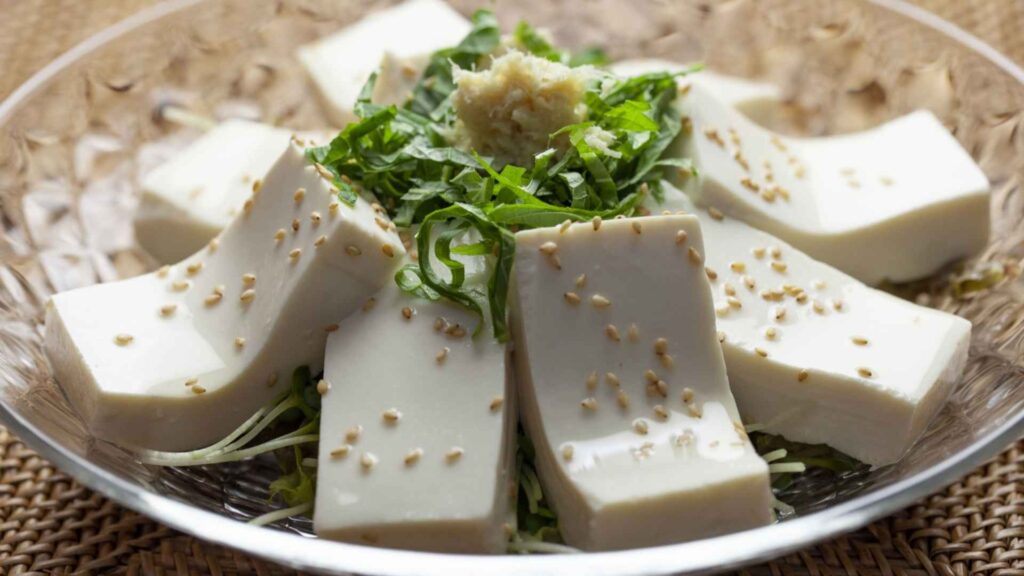
Silken tofu is soft enough to lap quickly, so use a shallow dish and a tiny amount rather than offering a slippery cube. Firm tofu is easier to cut, but a large chunk can still be gulped.
Baked and smoked tofu products are often pre-seasoned with salt, sugar, garlic, onion, or smoke flavor. Their firm texture and savory label do not make them equivalent to plain tofu.
Tofu skin, puffs, and desserts
Tofu skin and bean-curd sheets can be chewy, salty, dried, or braised in sauce, while tofu puffs are fried and absorb broth readily. Read the recipe and cut any approved plain food for the dog’s chewing style.
Tofu pudding and desserts may contain sugar, syrup, chocolate, coffee, fruit toppings, or xylitol-containing sweeteners. Treat them as desserts, not as plain tofu.
Soy-based meat substitutes
Plant-based burgers, sausages, nuggets, and deli slices can contain soy protein plus high sodium, fat, garlic, onion, smoke flavor, and proprietary seasonings. They may also use wrappers, skewers, or absorbent pads.
Do not infer canine safety from a vegan label. That label describes ingredients excluded for people, not whether every included ingredient or nutrient profile suits dogs.
Medication and soy interactions
Do not hide medication in tofu without checking whether the drug may be given with food and whether soy or calcium affects administration. Some medicines require an empty stomach or separation from particular foods.
Use the smallest approved piece, verify it was swallowed, and keep medicated tofu from other pets and children. A shared plate can cause a missed dose or accidental dose.
Puppies and senior dogs
Puppies need nearly all calories from a complete growth diet, while seniors may have dental problems, kidney disease, or reduced gastrointestinal tolerance. Neither life stage creates an automatic need for soy protein.
Ask before making tofu a daily topper. A dog’s needs can change after disease, medication, weight change, or a therapeutic diet begins.
Reading commercial dog-food labels
Soy on a complete dog-food label cannot be judged by one internet claim. The finished diet’s nutrient profile, digestibility, quality control, formulation expertise, and evidence matter more than fear about a single ingredient.
Do not abruptly stop a veterinarian-recommended diet because it contains soy. Sudden food changes can cause gastrointestinal upset and complicate the evaluation of genuine symptoms.
Household handling
Use clean utensils, refrigerate promptly, and avoid cross-contamination from raw meat or unwashed produce prepared nearby. Wash bowls after serving soft tofu because residue can spoil.
When several dogs share a dish, monitor each separately and estimate individual amounts. The smallest or medically fragile dog may need different advice.
A practical portion check
There is no useful universal tofu cube count because cube sizes and canine calorie needs vary enormously. For an occasional taste, smaller is easier to evaluate and leaves more room for the complete diet.
If tofu becomes a frequent topper, weigh it and ask the veterinary team to include those calories in the full plan. Eyeballing a soft block can turn a garnish into a meaningful part of the meal.
Monitoring after a plain taste
Watch appetite, energy, vomiting, stool, abdominal comfort, itching, and breathing over the following day. Keep the normal food and water routine steady.
Call if signs repeat, worsen, or seem out of proportion. A hidden sauce ingredient, larger amount, spoiled product, or packaging may explain the reaction.
Bottom line
A small plain tofu cube is usually low risk for a healthy dog, but tofu is not a protein, hormone, or thyroid therapy. Soy sensitivity, sodium, frying, sauces, Alliums, spoilage, portion, and diet displacement determine whether it belongs.