Can Cats Drink Oat Milk? Ingredients, Calories, and Carton Risks
For a healthy grown cat, one lick of unflavored oat milk is normally a low-concern event, yet the drink contributes no useful feline nutrition. Sweeteners, chocolate, coffee, added oils, gums, vitamins, minerals, allergens, spoiled cartons, and missing caps deserve a label check, while even a simple product should not replace water or complete cat food.
Read the carton before reading the cat
Take the drink away, wipe up the spill, and save every panel of the package. Record the brand, flavor, amount, time, refrigeration history, and whether a cap, straw, foil tab, or carton piece vanished.
- One or two licks of plain oat milk: monitor for vomiting, gas, or loose stool.
- A bowlful, concentrated barista blend, or medically restricted cat: call if symptoms occur or the diet may be affected.
- Chocolate, espresso, alcohol, cannabis, unknown sweetener, supplement powder, or swallowed packaging: obtain prompt advice.
- Collapse, tremors, seizures, severe weakness, or trouble breathing: go straight to emergency care.
Do not provoke vomiting or pour water into the mouth. A product label and realistic quantity estimate will help a professional much more than describing it as “just plant milk.”
What oat milk actually is
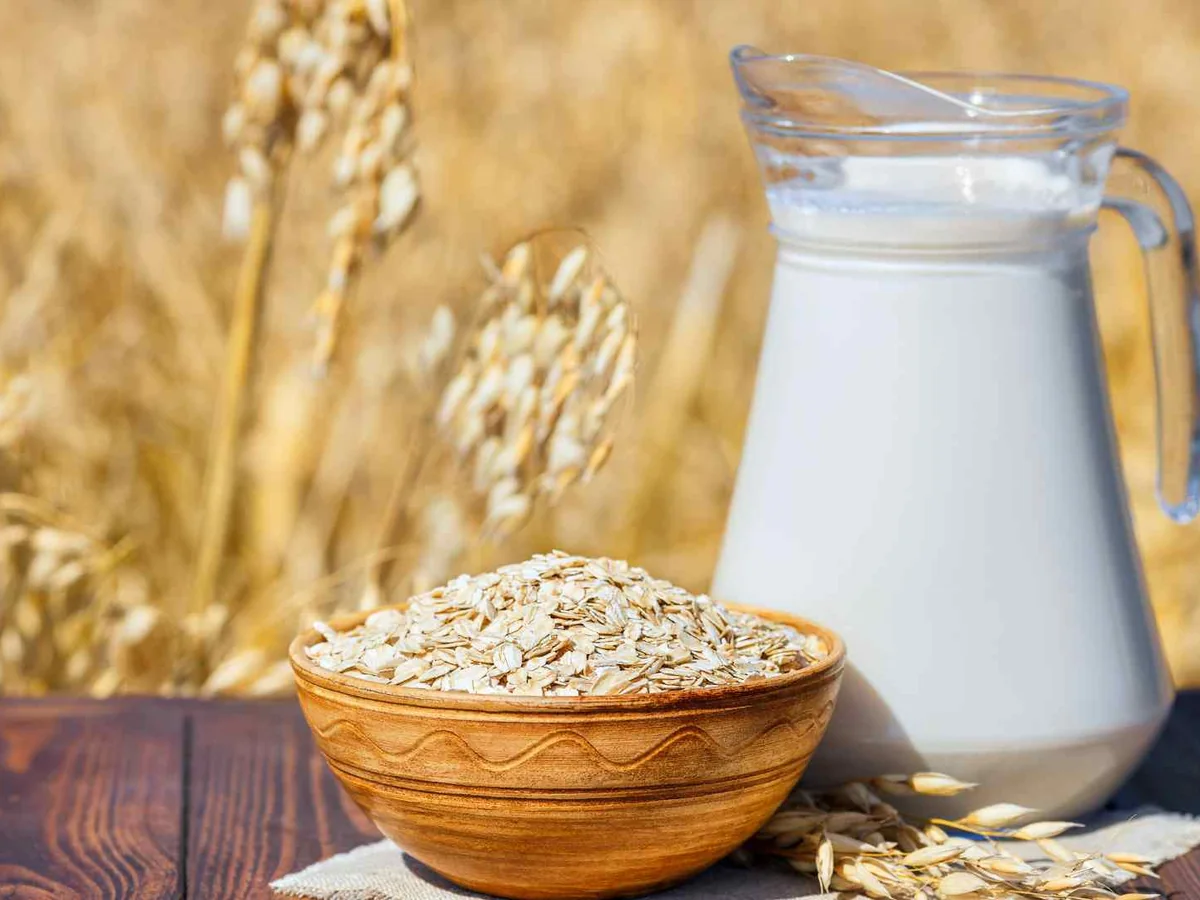
Manufacturers blend oats and water, then filter and formulate the liquid for texture, taste, stability, and nutrition labeling. Depending on the brand, that can mean oil, salt, sugar, enzymes, gums, emulsifiers, flavors, vitamins, and minerals.
Homemade versions may be simpler, yet they remain diluted grain drinks rather than cat food. Neither a short ingredient list nor a creamy texture supplies a feline nutrient profile.
Cats need animal-based nutritional precision
Cats require nutrients including taurine, arachidonic acid, preformed vitamin A, and particular amino-acid proportions. Oats and fortification for people do not recreate a complete feline diet.
The Merck Veterinary Manual nutrition chapter explains those species differences. A cat can encounter plant ingredients within a properly formulated food without benefiting from a free-standing glass of oat beverage.
Plain, original, and unsweetened are different labels
“Original” may contain added sugar, while “unsweetened” may still include oil, salt, flavor, gums, and fortification. “Plain” describes flavor more than suitability.
Check both ingredients and nutrition information instead of relying on the front panel. Reformulations happen, so a brand that looked simple last year should not receive permanent approval.
Natural oat sugar and added sugar
Processing enzymes can break oat starch into smaller sugars even when cane sugar is not listed. That explains why an unsweetened product may still show carbohydrate and sugars.
Cats do not need those beverage calories, and repeated servings can interfere with weight control. A diabetic cat should receive only drinks and treats cleared by its treatment team.
Oil makes barista blends richer
Barista-style oat milk is designed to foam and may contain more oil or other texture ingredients. Greater fat and calorie density can make vomiting or diarrhea more likely after a large serving.
A prior history of pancreatic or gastrointestinal disease calls for conservative advice. Do not use a creamy plant drink to tempt appetite without asking why the cat is not eating.
Gums and emulsifiers
Gellan gum, guar gum, locust bean gum, lecithin, and related ingredients may appear in small formulated amounts. They are not all interchangeable, and a cat with a sensitive gut may react to a product that another cat tolerates.
One lick does not justify blaming a specific additive for every later symptom. Stop the new food, save the label, and let the veterinarian consider timing, dose, diet history, and other causes.
Fortified for humans does not mean balanced for cats
Calcium, vitamin D, vitamin B12, riboflavin, and other nutrients may be added to imitate the human nutritional uses of dairy. Concentrations are designed around people and serving sizes far larger than a cat needs.
Do not use oat milk as a feline vitamin supplement. Too much of some nutrients can be harmful, and complete cat food already provides an intended balance.
Chocolate and mocha oat milk
Chocolate beverages contain cocoa methylxanthines, and mocha or coffee versions may add caffeine. Darker, more concentrated products and energy-style drinks deserve faster product-specific assessment.
Our chocolate article explains the expected signs and why concentration matters. Save the carton and call rather than waiting for agitation, rapid heartbeat, tremors, or seizures.
Vanilla, seasonal, and flavored cartons
Vanilla products can carry added sugar and extracts, while holiday varieties may include cocoa, coffee, spices, or flavor concentrates. Alcohol-based flavoring and alcohol remaining in a finished drink are not identical, which is another reason to use the actual product.
A shared smoothie may introduce fruit, protein powder, herbal supplements, nut butter, sweeteners, or medication. Our oatmeal guide helps with the grain portion, not the entire blender.
Sugar-free products and feline uncertainty
Xylitol is clearly dangerous to dogs; comparable feline poisoning has not been established in the same way. Responsible guidance should preserve that distinction without encouraging intentional exposure.
The FDA xylitol notice documents the dog risk and possible product categories. If a cat drinks a sugar-free blend, call with the whole label because other ingredients may drive the response.
Gluten and food-allergy diets
Oats do not naturally contain wheat gluten, but agricultural and factory cross-contact can occur unless a product is specifically controlled. That matters during a strict veterinary elimination diet.
Do not add oat milk to a hydrolyzed or novel-protein trial unless the dermatologist or primary veterinarian approves it. One flavored splash can make weeks of diet data harder to interpret.
Oat milk versus cow’s milk
Oat milk avoids lactose and dairy protein, but that only removes two possible problems. It introduces a different ingredient set and still provides no necessary role in adult feline hydration.
Read our milk guide for lactose, kittens, and raw-dairy concerns. Choosing between the cartons is not the same as choosing a good cat drink.
It cannot nourish an orphan kitten
Neonatal kittens need queen’s milk or a commercial kitten milk replacer formulated for their growth. Oat milk lacks the required energy density, protein, fat, amino acids, and minerals.
Contact a veterinarian or experienced rescue promptly for a cold, weak, injured, non-nursing, or persistently crying kitten. Improper bottle position and flow can cause aspiration even when the formula itself is correct.
Spoilage and opened cartons
Follow refrigeration and use-after-opening directions, and discard liquid with swelling, leakage, mold, separation beyond normal, fizzing, or an abnormal odor. Plant milk can spoil even though it contains no cow’s milk.
Vomiting, diarrhea, fever, lethargy, or appetite loss after a questionable carton deserves a call. Keep the lot code and receipt if a recall or manufacturing problem may be involved.
Caps, seals, and chewed cardboard
Small plastic caps can obstruct, foil tabs can cut, and food-soaked carton layers may be swallowed. Search under cabinets before concluding an object is inside the cat.
Repeated vomiting, painful abdomen, refusal of food, straining, or reduced stool after missing packaging requires veterinary attention. Do not feed extra fiber to push it along.
A better way to include the cat
Reserve a spoonful of regular wet food, place it on a lick mat that the cat does not chew, or offer a measured commercial treat. Normal food can feel special when served during the family coffee ritual.
The FDA nutritional adequacy explainer distinguishes complete diets from treats. Oat milk belongs with optional human beverages, regardless of how politely the cat waits beside the frother.
Plant-based does not mean allergy-proof
Oat, pea, soy, nut, coconut, and mixed plant beverages contain different proteins and manufacturing aids. Switching categories at random can obscure which ingredient was associated with a reaction.
Facial swelling, hives, breathing trouble, or collapse requires urgent care. Recurring mild skin or digestive signs need a structured veterinary workup rather than repeated kitchen challenges.
Coffee-shop cups hide extra variables
A café drink may include espresso, chocolate drizzle, flavored syrup, whipped topping, spice powder, sugar-free concentrate, or a wooden stirrer. The visible oat milk may be the least important ingredient.
Keep the receipt and ask the café for ingredient information when possible. State the cup size and estimated amount missing instead of reporting one vague sip.
Mineral balance matters in urinary and kidney diets
Fortified oat beverages can contain calcium, phosphorus, sodium, and potassium amounts selected for human use. Those additions may conflict with the controlled mineral profile of a therapeutic feline diet.
Do not assume a plant drink is kidney-friendly because it lacks dairy. The treating veterinarian should assess the exact label and the cat’s laboratory results.
Clean the frother and counter safely
Dried oat milk leaves a sweet-smelling film on wands, seals, and drip trays that invites repeat licking. Unplug appliances before cleaning and keep detergents away from paws.
Rinse food-contact parts as the manufacturer directs and store removable pieces securely. A tiny rubber gasket can become a foreign body if a cat bats it from the drying rack.
Fresh water remains wonderfully uncomplicated, consistently available, and free from fashionable café ingredients.
Frequently asked questions
Can cats drink unsweetened oat milk?
One tiny taste is usually low risk, but unsweetened still may contain oil, salt, gums, vitamins, and flavor. It offers no reason for routine serving.
Is homemade oat milk safer?
It may have fewer ingredients, yet hygiene, storage, calories, and nutritional incompleteness remain. Plain water is the safer everyday drink.
Can I pour oat milk over cat food?
Ask before changing a prescribed or balanced diet. Water or a veterinarian-approved feline broth is easier to evaluate when extra moisture is the goal.
The bottom line
A lick of plain oat milk is commonly a monitor-at-home event, not a catastrophe. Skip regular servings, scrutinize sweetened and flavored products, protect kittens from unsuitable substitutes, and call for a large amount, symptoms, or missing packaging.