Can Cats Drink Cranberry Juice? Urinary Myths, Ingredients, and Safer Choices
A few licks of plain cranberry juice are unlikely to poison a healthy adult cat, but cranberry juice is not a useful everyday drink or a reliable urinary treatment. Sugar, acidity, fruit blends, sweeteners, supplements, medication interactions, packaging, and the reason you reached for cranberry all matter more than the berry’s wholesome reputation.
If the glass just tipped over
Move the cat from the spill, save the bottle, and photograph both the nutrition panel and complete ingredient list. Estimate how much disappeared, note the time, and check whether a cap, straw, foil seal, or glass fragment is missing.
- A couple of licks of ordinary cranberry cocktail: provide normal drinking water and observe for stomach upset.
- A large drink, concentrated extract, supplement, or sugar-free blend: call with the product details.
- Straining, repeated litter-box trips, crying, genital licking, or little to no urine: seek urgent veterinary care, particularly for a male cat.
- Collapse, breathing trouble, seizures, severe weakness, or blood in the urine: use emergency care now.
Do not induce vomiting, force water with a syringe, or give a human urinary medicine. If the cat is straining, the immediate question is urine flow, not whether cranberry can change urine chemistry.
Cranberry juice is not feline cystitis treatment
People often connect cranberry with urinary health, then carry that idea straight to the litter box. Feline urinary disease is different, and lower urinary signs can come from bladder inflammation, stones, plugs, infection, anatomic problems, stress, or other causes.
The Cornell overview of feline lower urinary tract disease explains why similar signs do not identify one cause. Diagnosis may require examination, urinalysis, imaging, culture, or other testing.
A blocked cat cannot wait for a home remedy
Urethral obstruction prevents urine from leaving the body and can become fatal quickly. Male cats are affected more often because their urethra is longer and narrower, although any cat with urinary distress needs prompt assessment.
Frequent unproductive squatting, vocalizing, restlessness, hiding, vomiting, weakness, and a firm painful abdomen are red flags. Do not press on the belly or wait overnight to see whether juice helps.
Why the word “cranberry” tells you very little
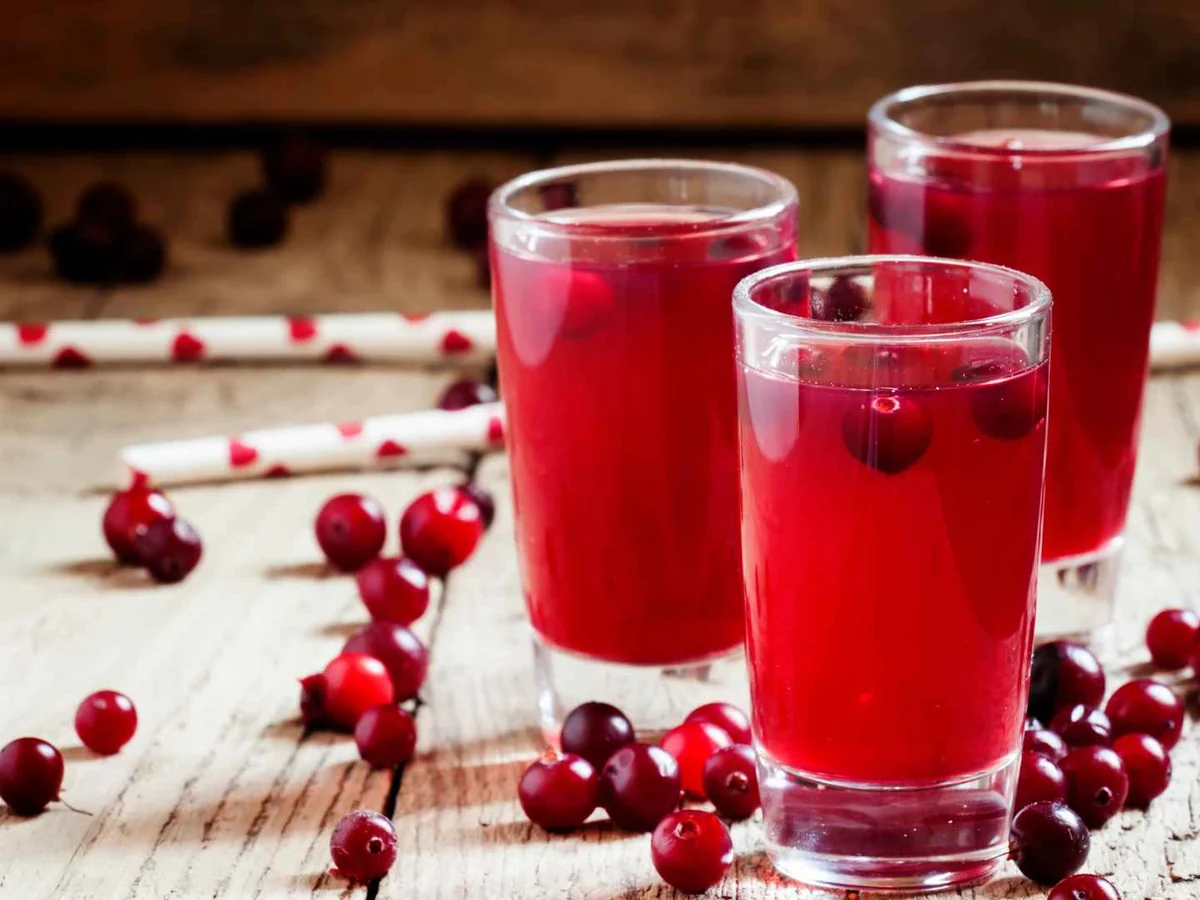
Products range from unsweetened 100 percent cranberry juice to diluted cocktails, mixed berry drinks, concentrates, powders, gummies, and “urinary support” blends. Their cranberry content, acidity, sugar, calories, and added ingredients differ substantially.
Front-label fruit pictures are advertising shorthand, not a clinical ingredient assessment. Turn the container around and look for grape, apple, cherry, artificial sweeteners, caffeine, herbal extracts, vitamins, minerals, and preservatives.
Sugar and calories offer no urinary advantage
Sweetened cranberry cocktail can supply a surprising amount of sugar in a human serving. A cat needs only a fraction of human calories, so repeated saucers can quietly undermine weight management.
Sugar is particularly inappropriate as an improvised beverage for a diabetic cat. If a diabetic animal seems weak, trembly, confused, or unresponsive, follow its veterinarian-provided emergency plan and obtain urgent help rather than experimenting with juice.
Unsweetened juice is still not a free drink
Removing added sugar does not remove natural fruit carbohydrate, acidity, or the possibility of digestive upset. The intense tartness may prompt drooling or aversion, and large quantities can cause vomiting or diarrhea.
A cat that refuses fresh water after tasting something sour needs observation, not more flavorful liquid. Keep several clean water stations available and discuss meaningful drinking changes with the clinic.
Sugar-free formulations need the whole label
Xylitol produces a well-established poisoning syndrome in dogs, while feline data do not show the same documented pattern. That species difference should be stated honestly, but it does not make a multi-ingredient sugar-free beverage suitable for cats.
The FDA warning about xylitol shows where this sweetener may appear and why labels should be saved. After a cat exposure, a professional can assess every ingredient, the amount, and any swallowed packaging instead of extrapolating from dog advice.
Fruit blends complicate the call
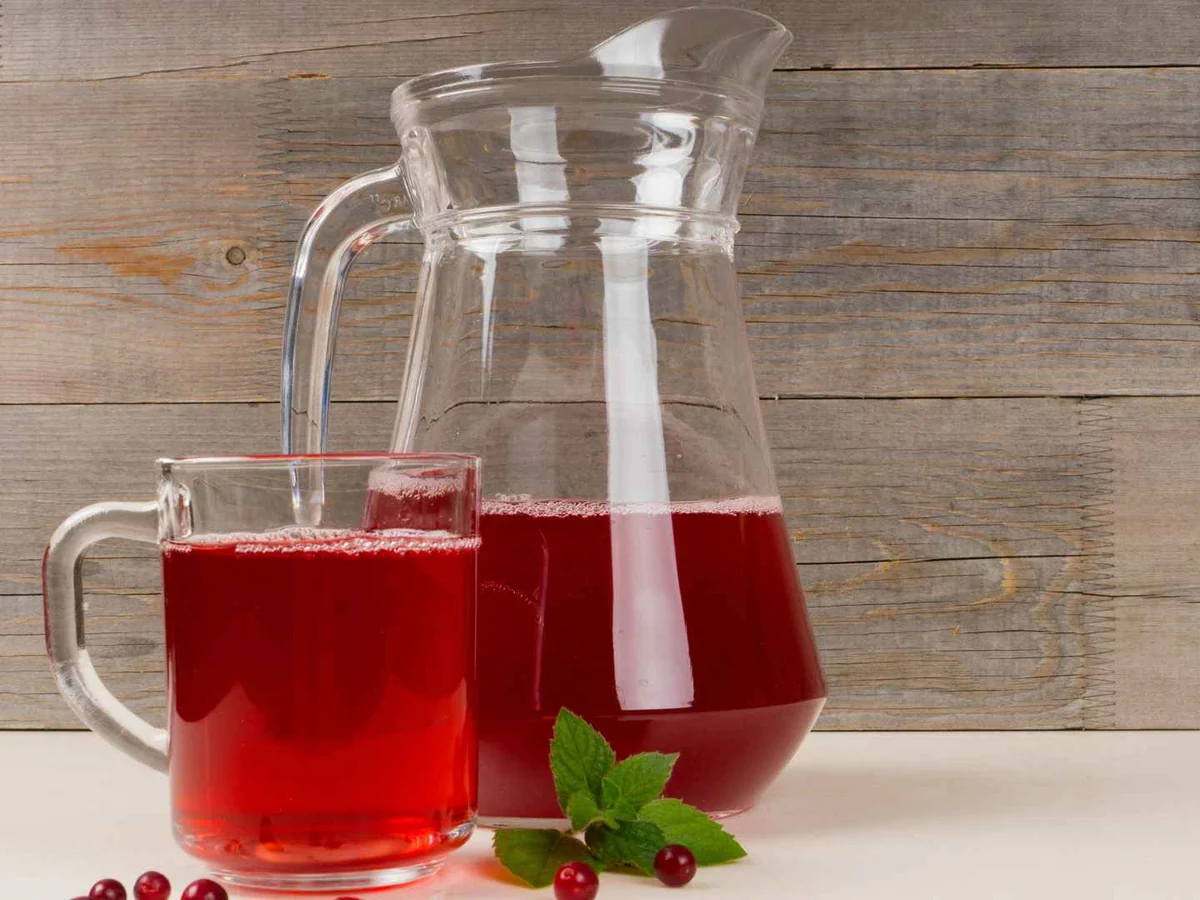
Cranberry drinks are commonly blended with grape, apple, raspberry, cherry, pomegranate, or citrus juices. Evidence for grape and raisin kidney toxicity is strongest in dogs and limited in cats, so avoid categorical feline dose claims and seek case-specific guidance.
Our guides to fruit, grapes, oranges, and cherries help separate the blend. The bottle remains the best source for what was actually present.
Cranberry capsules, powders, and chews
A supplement is more concentrated than a few licks of beverage and may include other botanicals, urinary acidifiers, minerals, flavorings, or sweeteners. Human capsules can also become foreign bodies or release irritating powder over the mouth and coat.
Do not choose a dose from a human package or dog product. A veterinarian should review the cat’s urine findings, diet, medications, kidney function, and the exact supplement before it is used.
Urine pH should not be adjusted blindly
Both overly acidic and overly alkaline urine can be undesirable depending on the crystal type and individual disease. Changing urine conditions without diagnosis may move the cat toward a different problem instead of solving the first one.
Therapeutic urinary foods are formulated around water, minerals, energy, and urine targets as a complete system. Adding juice or acidifying products can interfere with a carefully designed feeding plan.
Medication and disease considerations
Cranberry products may be a poor fit for cats with diabetes, kidney disease, gastrointestinal sensitivity, or prescribed diets, and concentrated supplements may interact with medications. The evidence base for many proposed cranberry effects in cats remains thin.
Bring the supplement facts panel to the veterinarian or pharmacist rather than relying on a “natural” claim. Natural substances can still be pharmacologically active, irritating, or simply unhelpful.
Juice cannot replace water
Cats should have continuous access to fresh potable water, and some drink more readily from wide bowls or fountains. Wet complete food can also increase water intake while delivering required nutrition.
The FDA explanation of complete and balanced pet food helps identify an appropriate staple diet. Juice lacks a nutritional adequacy statement because it is a human beverage, not feline hydration formulated as food.
Sticky spills, paws, and fur
Clean juice from paw pads and long fur with a soft cloth dampened in lukewarm water. Prevent grooming until the residue is gone, since a soaked chest or tail can represent much more than two initial licks.
Avoid fragranced wipes, essential oils, alcohol-based cleaners, and harsh detergents on the cat. Dry the coat gently and watch for skin redness if a concentrated product sat there.
Bottle caps, glass, and single-serve packets
A rolling cap can be swallowed, a chewed straw can splinter, and broken glass can cut paws or mouths. Confine the cat during cleanup and check every foot if shards scattered.
Vomiting, appetite loss, abdominal pain, straining, or lethargy after missing plastic may indicate obstruction. Bleeding, drooling, mouth pawing, or refusal to eat after glass exposure needs urgent examination.
What supportive urinary care really looks like
The best plan depends on diagnosis, but common components can include pain relief, stress reduction, more water, litter-box changes, weight management, medication, and a therapeutic diet. A recurrence plan should come from the veterinarian who knows the cat.
Cornell’s feeding guidance for cats keeps complete nutrition central and treats limited. If the clinic recommends increasing moisture, ask whether canned food, added water in meals, or another measured method fits.
Blood in urine is a sign, not a diagnosis
Pink urine, red droplets, or blood on litter can occur with several lower urinary disorders. The color cannot distinguish inflammation from stones, infection, trauma, or obstruction.
Collect a photo and note the size and frequency of urine clumps, but do not delay examination while trying to obtain a home sample. A contaminated litter-box specimen may not answer the clinical question.
Bacterial infection is less common than many owners assume
Healthy younger cats with urinary signs often have conditions other than bacterial infection, while infection becomes more relevant in some older cats and those with other disease. Antibiotics and cranberry should not be selected from symptoms alone.
A urine culture may be needed when infection is suspected. Leftover antibiotics can alter results, cause side effects, and promote resistance without treating the actual cause.
Stress and the bladder connection
Environmental stress can contribute to feline idiopathic cystitis, so treatment may include predictable routines, safe hiding places, play, adequate resources, and conflict reduction. Juice does not address a crowded litter station or household tension.
Provide one litter box per cat plus one extra when feasible, distribute them in separate quiet locations, and scoop regularly. A single row of boxes in one room may function like one resource from the cats’ perspective.
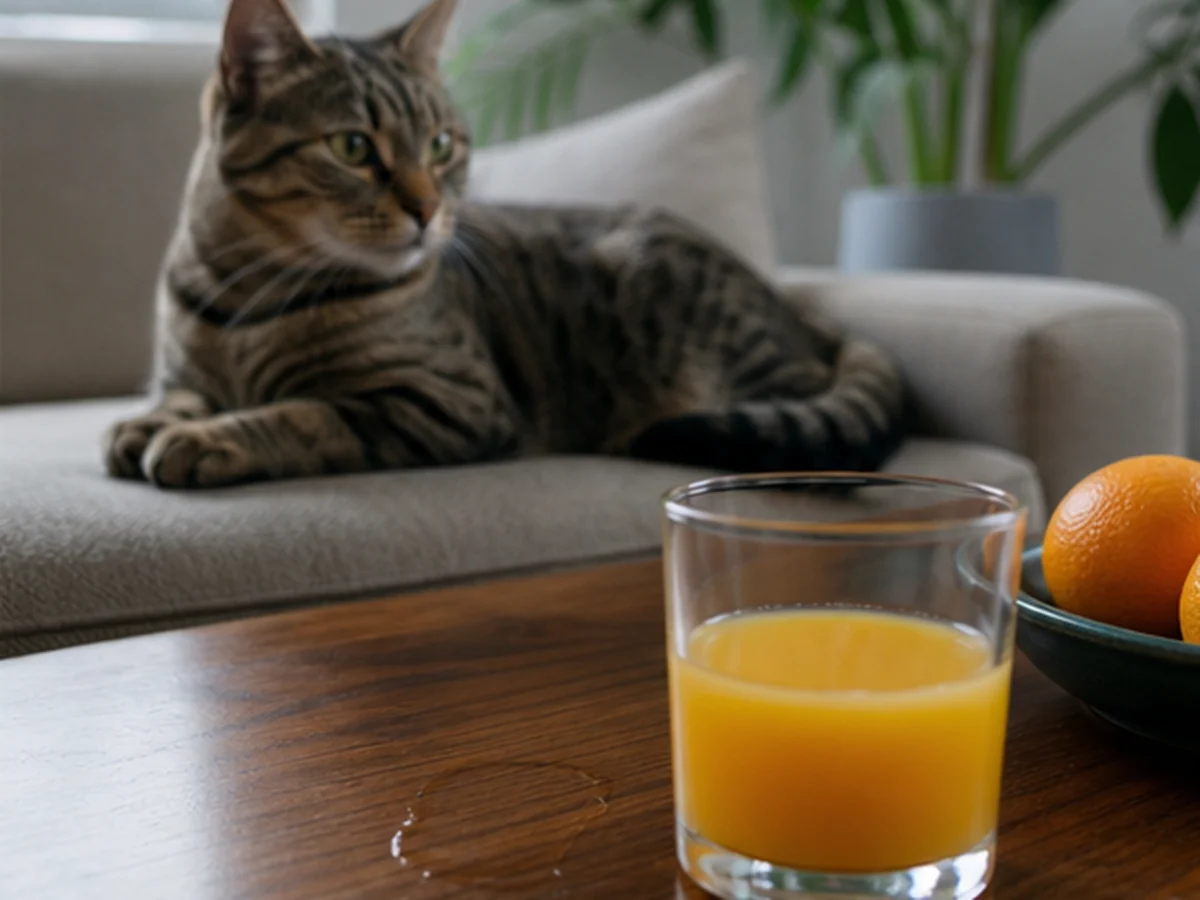
Monitoring after a low-risk lick
Check appetite, comfort, walking, vomiting, and actual urine production during the following day. Normal urine clumps are more reassuring than repeated squatting with nothing produced.
Digestive upset that repeats, weakness, worsening lethargy, or any urinary difficulty deserves a call. A coincidence is possible, but it should not be assumed when the cat looks ill.
Frequently asked questions
Can cranberry juice dissolve crystals in cats?
No beverage should be expected to dissolve an unidentified crystal or stone at home. Different mineral types require different management, and obstruction needs emergency treatment.
Can I add a splash to encourage drinking?
Ask first, particularly for a urinary patient or cat on a prescription diet. Clean water, suitable fountains, and moisture-rich complete food are more predictable choices.
What if my cat only had one lick?
One lick of an ordinary product is generally a monitoring event, provided no risky add-in or packaging is involved. Check the label and watch normal appetite, comfort, and litter-box behavior.
The bottom line
Cranberry juice is usually not poisonous in tiny amounts, but it is sugary, acidic, nutritionally unnecessary, and unsupported as a DIY feline urinary treatment. A straining cat needs veterinary care, while mixed ingredients, concentrates, symptoms, or missing objects justify a product-specific call.