Can Cats Drink Sparkling Water? Plain Bubbles, Flavors, and Seltzer
A few licks of plain, unflavored, unsweetened sparkling water are unlikely to harm a healthy cat. It is still a silly substitute for fresh water, and flavored seltzer, tonic water, caffeinated fizz, electrolyte drinks, and hard seltzer must be judged by their complete labels.
Find the product name before judging the bubbles
People use sparkling water, seltzer, club soda, mineral water, tonic, soda water, and fizzy drink almost interchangeably. Manufacturers do not, so the ingredient panel is where a useful answer begins.
| Drink | Likely contents | Cat-owner decision |
|---|---|---|
| Plain carbonated water | Water and dissolved carbon dioxide | A small taste is generally low risk, but offer still water instead. |
| Plain mineral water | Carbonation plus naturally occurring minerals | Check sodium and keep it occasional at most. |
| Club soda | Carbonated water with added mineral salts | Not poisonous by default, but unnecessary and sometimes higher in sodium. |
| Flavored seltzer | Natural flavors, acids, juice, sweeteners, or caffeine may appear | Read every line rather than trusting the fruit picture. |
| Tonic water | Quinine and usually sweetener | Do not serve it to a cat. |
| Hard seltzer | Alcohol with flavoring and carbonation | Treat ingestion as an alcohol exposure and call promptly. |
| Sparkling energy water | Caffeine, botanicals, vitamins, or electrolytes | Keep it completely out of reach. |
What carbonation actually does
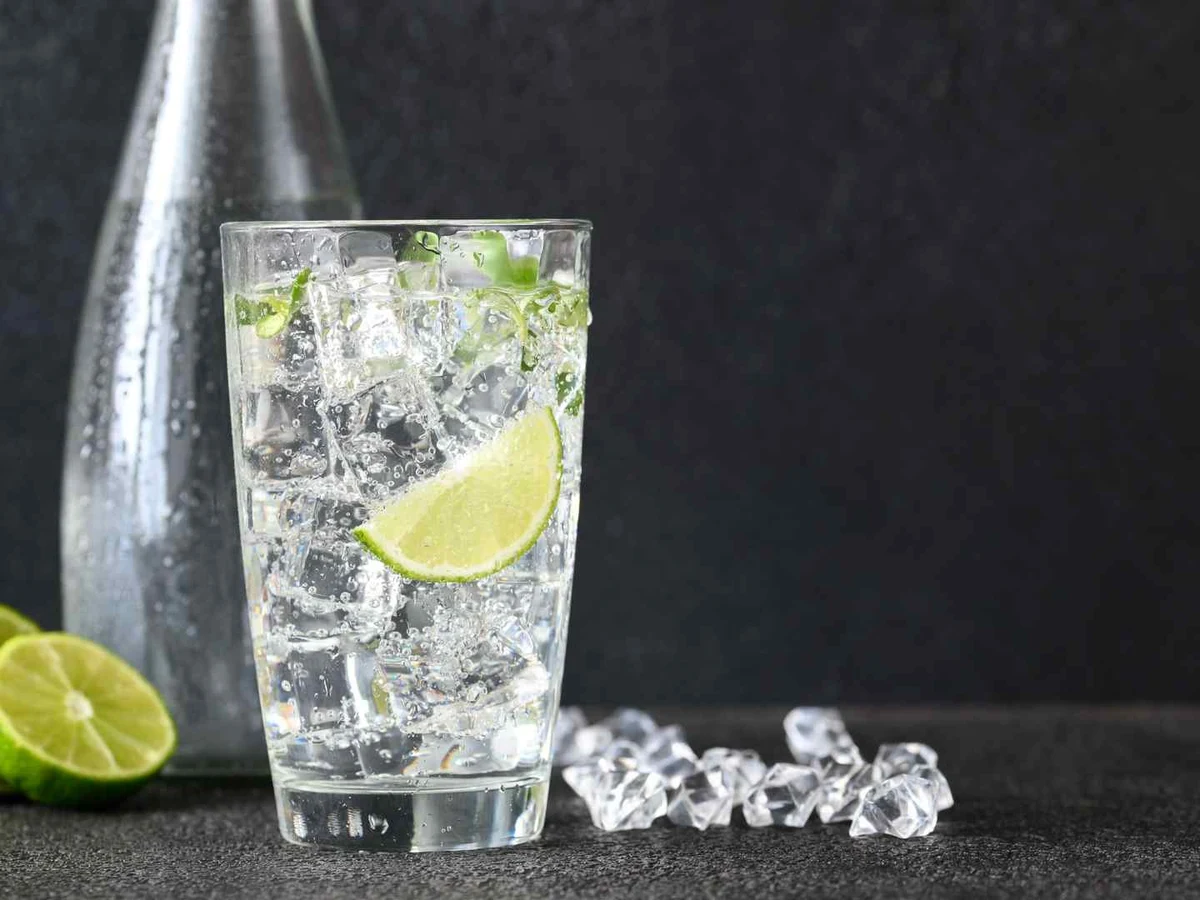
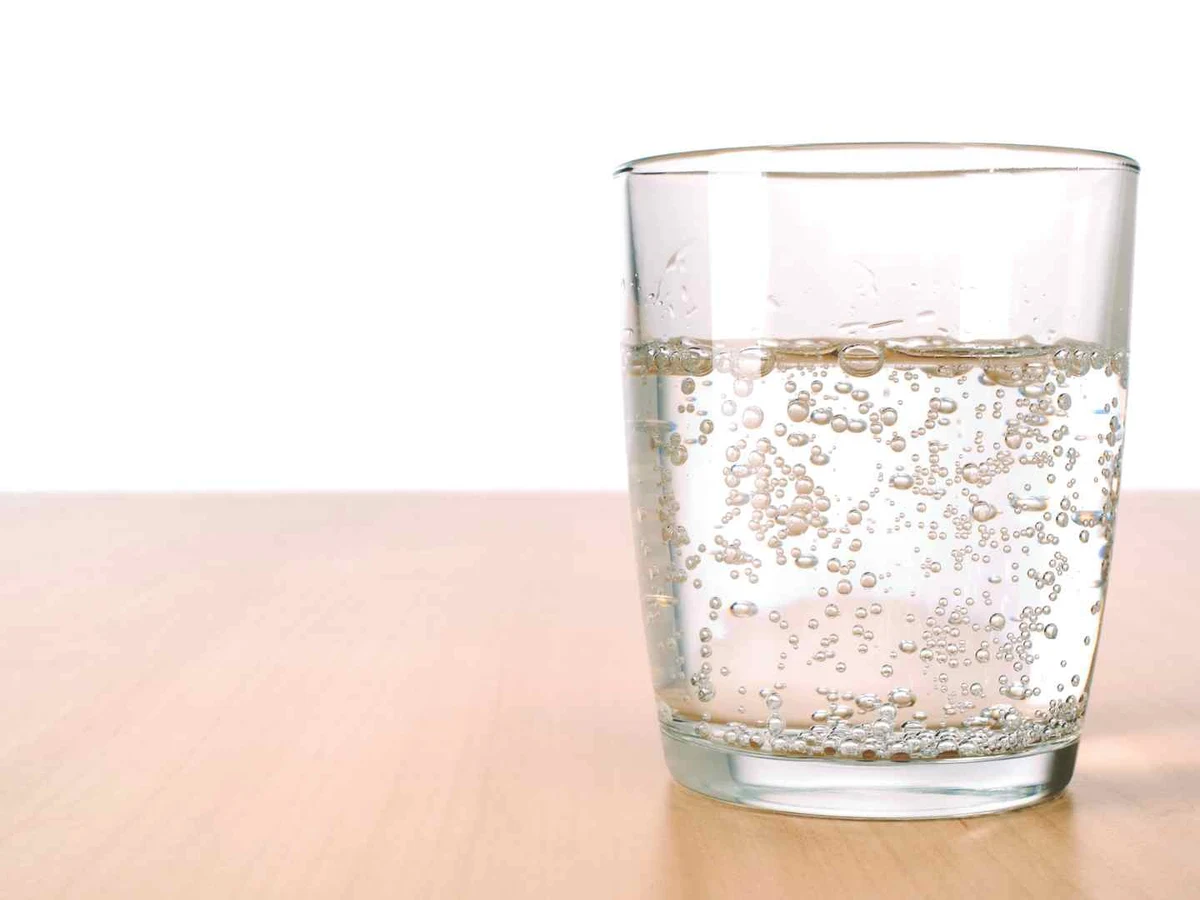
The fizz comes from carbon dioxide dissolved under pressure. When the container opens, gas escapes into bubbles and can also be released after the liquid reaches the stomach.
Cats do not need carbonation, and some dislike the sensation against the nose and tongue. A bigger drink may encourage belching, swallowing discomfort, gassiness, or stomach distention, though one curious lap is ordinarily much less dramatic.
Carbon dioxide in a beverage is not the same hazard as a cat being trapped in a carbon-dioxide-rich environment. The practical concern with an ordinary drink is digestive comfort plus everything else included in the can.
Do not shake a bottle and spray it toward a cat for entertainment. Startle, eye contact, aspiration, and a wet frightened animal are poor returns on a very short joke.
Fresh still water remains the correct default
A cat can obtain water by drinking and through food, especially moisture-rich canned food. The goal is reliable total intake, not novelty bubbles.
Cornell’s feline hydration guide explains that dehydration can follow reduced intake or increased losses and describes multiple clean water stations, fountains, and wet food as possible ways to encourage intake. Sparkling water is not listed as treatment because it does not address why a cat is dehydrated.
A sudden increase or decrease in drinking can signal kidney disease, diabetes, urinary trouble, nausea, dental pain, or another medical problem. Measure the change and contact the veterinarian rather than disguising it with a flavored beverage.
If plain water needs a little aroma after veterinary approval, a small amount of water from unsalted tuna may help. Our canned tuna guide explains how brine, oil, seasoning, and open-can storage change that option.
Flavored seltzer can be deceptively complicated
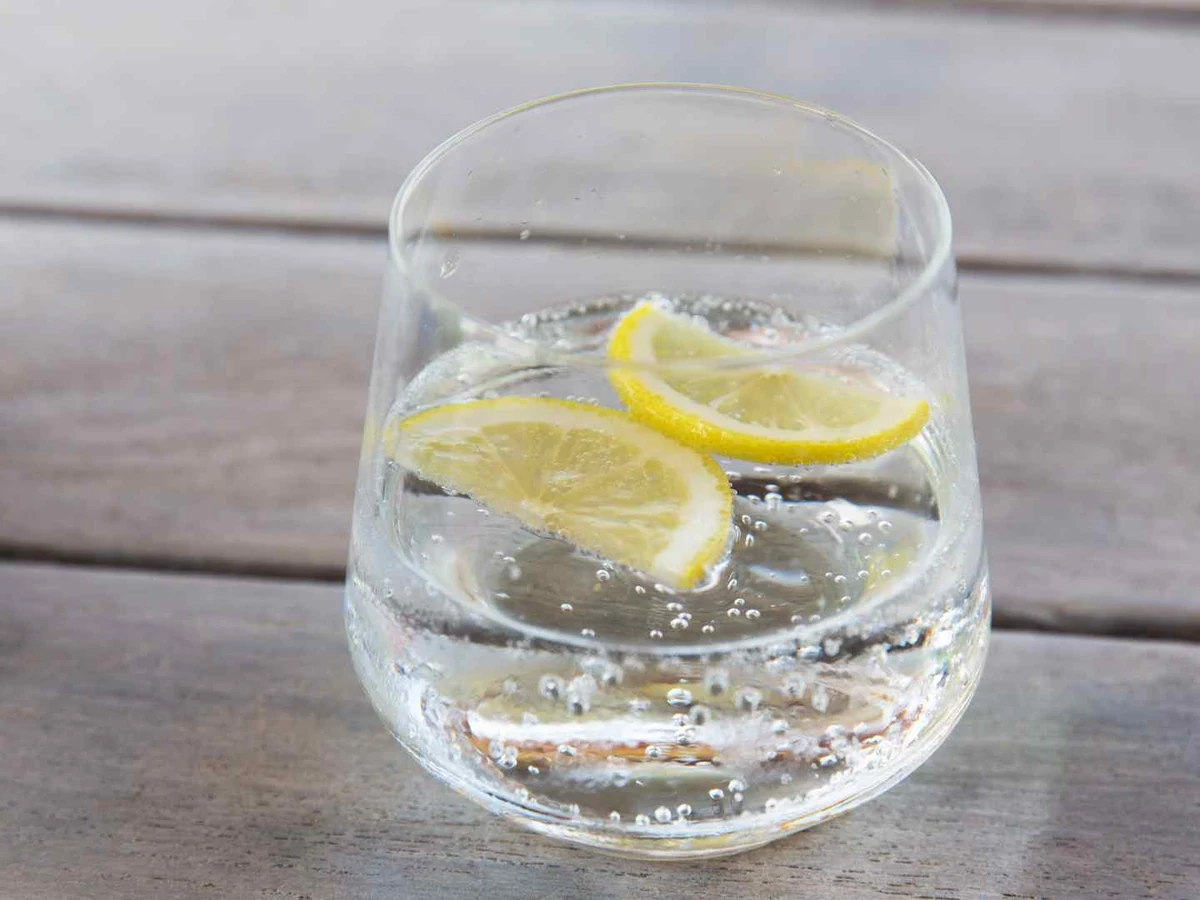
A label that says lime, berry, peach, or tropical may refer to flavor compounds rather than pieces of fruit. Other products add juice, citric acid, preservatives, sugar, stevia, caffeine, or an electrolyte blend.
The phrase “natural flavor” does not tell a cat owner enough to use the drink deliberately. One accidental lick can still be low risk, but a substantial exposure deserves a call when the formula is unclear.
Citrus-flavored water usually contains very little actual fruit, yet concentrated citrus oils and peel products require more caution than dilute flavor. The orange guide for cats distinguishes a bit of flesh from peel, essential oil, juice, and prepared foods.
Fruit blends can also include grape ingredients. Feline grape toxicity evidence is limited and a reliable cat dose is not established, so use our species-specific grape guide instead of copying dog thresholds.
Caffeine can hide behind wellness language
Some sparkling waters are marketed for focus, energy, workouts, or a gentle lift. Caffeine may come from added caffeine, tea, green tea extract, coffee fruit, guarana, yerba mate, or another botanical source.
The FDA notes that caffeine amounts can vary by product and preparation, and its educational material identifies tea, guarana, yerba mate, cocoa, and coffee as caffeine sources. Human serving guidance has no place in estimating a safe feline dose.
Caffeine and related methylxanthines can stimulate the nervous system and heart. Restlessness, repeated vomiting, rapid heartbeat, tremors, abnormal temperature, seizures, or collapse after a caffeinated drink calls for immediate veterinary help.
Save the can and report its caffeine amount per serving, container size, amount missing, time, cat’s weight, and symptoms. Do not wait for the cat to “burn it off,” and do not induce vomiting without professional direction.
Tonic water is not ordinary sparkling water
Tonic water traditionally contains quinine and commonly contains sugar or a non-sugar sweetener. That formulation gives it a distinct bitter taste and removes it from the plain-water category.
There is no health reason to test tonic water on a cat, and veterinary dose information for casual feline exposure is not something to invent. Call with the brand and quantity after more than a trivial lick or whenever the cat shows abnormal behavior.
Cocktail mixers may resemble unmarked bubbly water once poured. Ask whether the glass held tonic, soda, an energy mixer, citrus concentrate, bitters, or alcohol before deciding the spill was harmless.
Hard seltzer is an alcohol exposure
Hard seltzer, canned cocktails, wine spritzers, and spiked sparkling water contain ethanol even when they taste light. Cats are small, and alcohol can cause serious neurologic and metabolic effects.
The ASPCA’s people-food warning lists vomiting, diarrhea, incoordination, depression, breathing difficulty, tremors, coma, and death among possible alcohol effects. Prompt assessment matters because ethanol is absorbed quickly.
Do not confuse “zero sugar” with “zero alcohol,” and do not assume a low human alcohol percentage is inconsequential to a cat. Call the veterinarian or animal poison service with the exact alcohol-by-volume figure and possible volume swallowed.
Sodium and electrolyte drinks
Plain seltzer may have no sodium, while club soda and mineral water can contain measurable mineral salts. Electrolyte sparkling drinks may add considerably more sodium or other minerals, plus flavors and sweeteners.
Healthy cats do not need a human sports drink after play. Cats with kidney, heart, urinary, or blood-pressure conditions may have specially controlled diets, making casual mineral additions particularly unhelpful.
A single small sip of moderate-sodium water is not automatically salt poisoning. The concern rises with concentrated products, large volumes, concurrent salt ingestion, impaired access to fresh water, or neurologic and digestive signs.
Sweeteners require feline wording
Sugared sparkling drinks add calories and can leave sticky residue on fur, but table sugar is not an acute cat toxin in the way caffeine or alcohol can be. Routine sweet drinks still work against dental, weight, and metabolic goals.
Xylitol has a well-established severe toxicity in dogs, while cats have not shown the same established sensitivity in available evidence. That distinction does not make an unknown sugar-free drink a cat beverage, since feline data are limited and mixed formulations can contain other hazards.
When a sweetener is present, photograph the ingredient panel and contact a veterinary professional for a meaningful or uncertain exposure. Avoid importing canine dose calculators into the feline decision.
Cans, tabs, bottles, and pressure
An open aluminum rim can cut the tongue, and a detached pull tab can be swallowed. Plastic rings, caps, shrink sleeves, straws, and glass fragments turn a drink investigation into a foreign-body or injury problem.
Do not let a cat lick directly inside an empty can. Pour the remaining liquid away, rinse the container, account for the tab and cap, then use a closed recycling bin.
Bottles under pressure can launch a cap if damaged or overheated. Store cases securely so they cannot fall, burst, or become a climbing platform that ends in twelve rolling cans and one deeply satisfied cat.
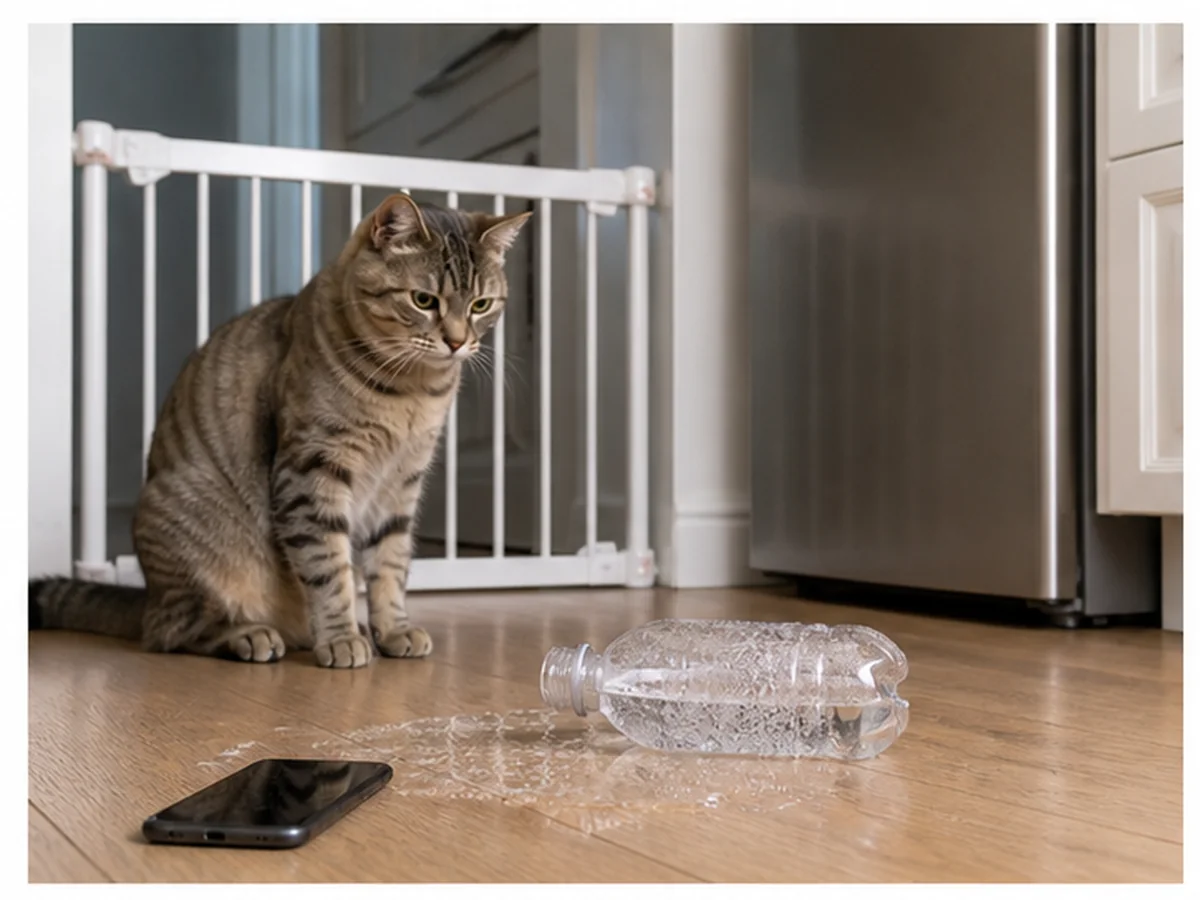
What to do after a fizzy-water raid
- Name the drink precisely. Find the label, flavor, caffeine statement, alcohol percentage, and serving size.
- Estimate the upper limit. Compare the remaining liquid with the original container volume and note spill loss.
- Inspect the hardware. Locate the cap, tab, seal, straw, glass, and any chewed packaging.
- Observe relevant signs. Watch coordination, breathing, heart rate, energy, swallowing, vomiting, and abdominal comfort.
- Escalate the right exposures. Contact help for caffeine, alcohol, tonic water, concentrated electrolytes, missing objects, a large amount, or symptoms.
For a tiny sample of truly plain carbonated water in a comfortable healthy cat, remove access and return to normal still water. Persistent bloating, repeated retching, pain, lethargy, or any breathing change is a reason to call.
Frequently asked questions
Can cats drink plain LaCroix or similar seltzer?
A lick of a caffeine-free, alcohol-free, unsweetened product is usually low risk, but flavor formulas vary. Read the current can and serve ordinary water instead of making seltzer a habit.
Will sparkling water hydrate a cat?
It contains water, but many cats dislike carbonation and may drink less of it. Clean still water and an appropriate moisture-rich diet are more dependable hydration tools.
Is club soda safe for cats?
Club soda may include sodium bicarbonate or other mineral salts, so it is not identical to plain seltzer. One lick is commonly uncomplicated, but it offers no benefit and is unsuitable for routine use.
What if my cat drank hard seltzer?
Treat it as alcohol ingestion and call a veterinarian or animal poison service immediately. Keep the can so the alcohol percentage, flavor, sweeteners, and amount can guide the assessment.
Bottom line
The bubbles in plain sparkling water are mostly a comfort and preference issue, but the modern seltzer aisle contains far more than bubbles. Use the exact label, keep caffeine and alcohol completely away, secure the packaging, and make fresh still water the reliably boring winner.