Can Cats Eat Cheesecake? Ingredients, Toppings, and Triage
A tiny crumb of plain, fully baked cheesecake is unlikely to poison most healthy adult cats, but this rich dessert is a poor treat. Cream cheese, fat, sugar, lactose, chocolate, coffee, raisins, alcohol, sweeteners, raw eggs, spoiled dairy, crust, toppings, foil, and plastic can change a casual lick into a veterinary question.
Start with the slice in front of you
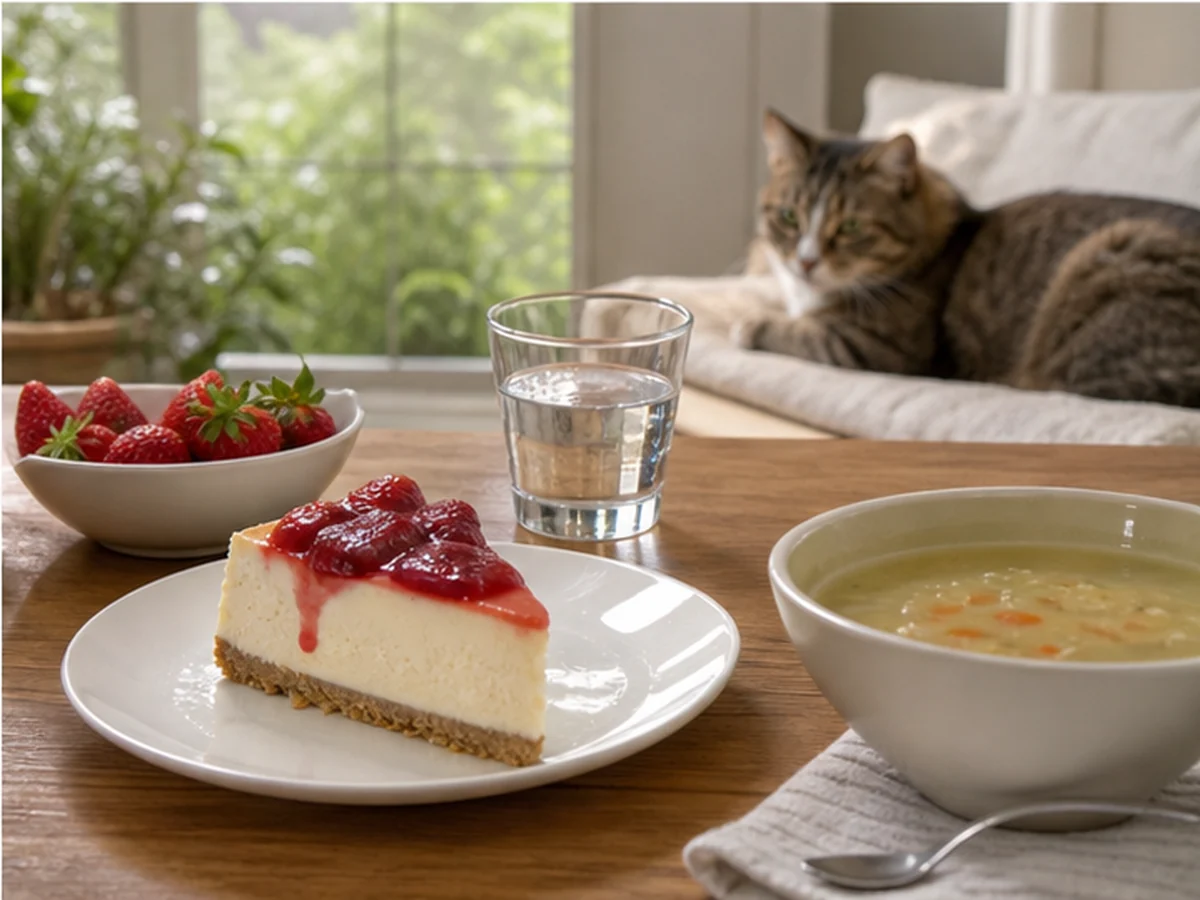
A plain bakery wedge, a chocolate-swirled restaurant slab, and a no-bake keto cup may share a name while creating completely different calls. Put the remaining slice in the refrigerator, then work through filling, topping, crust, storage, and anything missing from the plate.
For one plain baked crumb, put the cake away, leave fresh water accessible, and expect observation rather than crisis. A large portion or a cat with diabetes, pancreatic disease, or a prescription diet is worth a direct call, even when the flavor looks ordinary.
Chocolate, coffee, alcohol, raisins, cannabis, medicine, uncertain sweetener, raw batter, and missing wrappers belong in the faster lane. Collapse, seizures, tremors, breathing trouble, or vomiting that will not stop requires emergency care.
Home-induced vomiting and extra dairy are not appropriate ways to dilute the dessert. Product name, full recipe, weight eaten, time, and the cat’s weight are the useful triage details.
Cream cheese is not complete cat nutrition
Cream cheese supplies dairy fat, protein, sodium, and calories, but it does not meet feline amino-acid, fatty-acid, vitamin, and mineral requirements. A dessert built around it is further diluted with sugar and crust.
The Merck feline nutrition reference explains cats’ species-specific needs. A dairy product being animal-derived does not make it an appropriate meal or balanced supplement.
Lactose tolerance varies
Cheesecake contains less lactose than a bowl of milk in some recipes, but cream cheese, sour cream, yogurt, condensed milk, and whipped topping vary. Adult cats commonly lose much of their lactase activity after weaning.
Gas, abdominal discomfort, loose stool, or diarrhea may follow dairy in a susceptible cat. One symptom-free lick does not guarantee a full slice would be comfortable.
Fat and calories are the everyday problem
Cheesecake is intentionally dense and rich, so a person-sized forkful can represent a large extra for a small cat. Repeated sharing can derail weight reduction and displace complete food.
Cats with pancreatic or gastrointestinal disease deserve individual guidance about high-fat foods. A stolen lick and a prescribed daily topper are different decisions.
Flavors that change the urgency
Cocoa powder, baking chocolate, dark ganache, chocolate crusts, chips, and espresso beans contain methylxanthines. Concentration varies greatly by product.
The Merck chocolate toxicosis review lists vomiting, restlessness, rapid heart rate, tremors, and seizures among possible effects. Call with cocoa percentage, missing amount, time, and body weight.
Coffee, mocha, and tiramisu-style slices
Espresso cheesecake, mocha drizzle, coffee concentrate, and chocolate-covered beans can add caffeine. Tiramisu-style desserts may also contain alcohol and raw or lightly cooked egg.
A faint flavor is not equivalent to concentrated powder, which is why the exact recipe matters. Do not wait for agitation or neurologic signs after a meaningful caffeine exposure.
Sugar-free and keto recipes
Low-sugar cheesecake may use xylitol or other sweeteners, nut crusts, protein powders, added fiber, chocolate, and extra fat. Xylitol causes a proven severe syndrome in dogs, while the feline evidence is not equivalent.
The FDA xylitol warning documents dog risk and common product categories. A cat exposure still merits label-based advice because other ingredients and swallowed packaging may drive care.
Raw and no-bake batter
Raw egg and flour can carry harmful bacteria, while no-bake fillings may include gelatin, alcohol, or unpasteurized dairy. Cats can spread foodborne organisms through bowls, saliva, feces, and litter.
The FDA raw-food safety guidance explains risk to pets and people. Wash hands and surfaces, refrigerate ingredients, and mention raw exposure if fever, vomiting, diarrhea, lethargy, or appetite loss appears.
Toppings and crusts deserve their own inspection
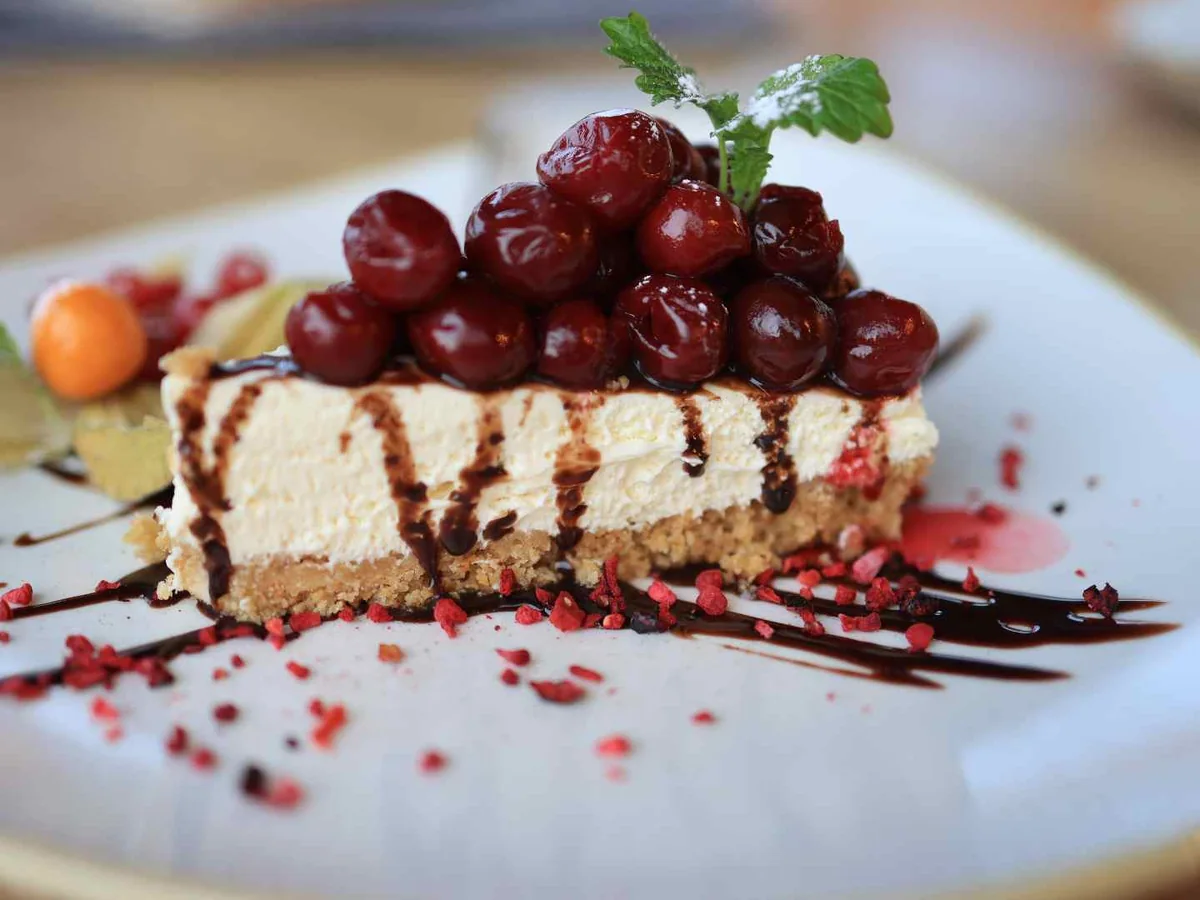
Strawberry, blueberry, cherry, lemon, mango, and other toppings can add sugar, pits, citrus oils, alcohol, or mixed fruit. A decorative whole cherry may include its stem or pit.
Our guides to fruit, cherries, blueberries, and ice cream help separate toppings. Keep the bakery label.
Raisins, nuts, and seasonal versions
Rum-raisin, fruitcake, baklava, and holiday cheesecakes may include dried grapes, macadamias, walnuts, pecans, pistachios, alcohol, or whole spices. Cat-specific evidence for some dog toxins is sparse, not proof of safety.
Call with every ingredient after a meaningful mixed-dessert exposure. A normal first hour does not resolve delayed kidney, red-cell, or obstruction concerns.
Crusts introduce more than crumbs
Graham, cookie, brownie, pastry, and nut crusts add butter, sugar, cocoa, salt, spices, and hard fragments. The crust may also cling to foil or a removable pan base.
A small plain crumb is a digestion issue, while a missing foil strip is a foreign-object issue. Count them separately.
Refrigeration and spoiled dairy
Cheesecake requires appropriate refrigeration, and prolonged warm storage can support microbial growth. Mold, slime, unexpected fermentation, swelling, or abnormal odor means the dessert belongs in secured rubbish.
Reheating does not erase every foodborne toxin. Save storage history and lot code if illness follows a commercial product.
Wrappers, collars, and picks
Bakery slices may use acetate collars, parchment, cardboard disks, foil, plastic domes, labels, and decorative picks. All retain a powerful food scent.
Repeated vomiting, abdominal pain, appetite loss, straining, or low energy after missing material needs examination. Do not pull visible string from either end of the cat.
Diabetes and prescribed diets
Sugar and starch complicate diabetic feeding plans, while fat, sodium, phosphorus, and protein may conflict with kidney, urinary, heart, or bowel diets. Weight-loss patients have almost no room for dense dessert.
Ask before using cheesecake to give medicine. A compatible feline pill treat or dab of normal wet food is more predictable.
Kittens and older cats
Kittens need complete growth food and have small airways and calorie budgets. Older cats more often carry hidden kidney, dental, endocrine, or digestive disease.
Skip deliberate servings for both groups. A senior suddenly preferring dessert to normal food may be signaling oral pain or nausea.
A better birthday arrangement
Give the cat a measured commercial treat or a spoonful of regular food on its own clean plate. Refrigerate the cake before opening gifts and discard picks immediately.
Cornell’s feeding guidance makes complete food the foundation and treats a small extra. Cats care more about ceremony and attention than recipe authenticity.
Style changes the recipe, not the basic verdict
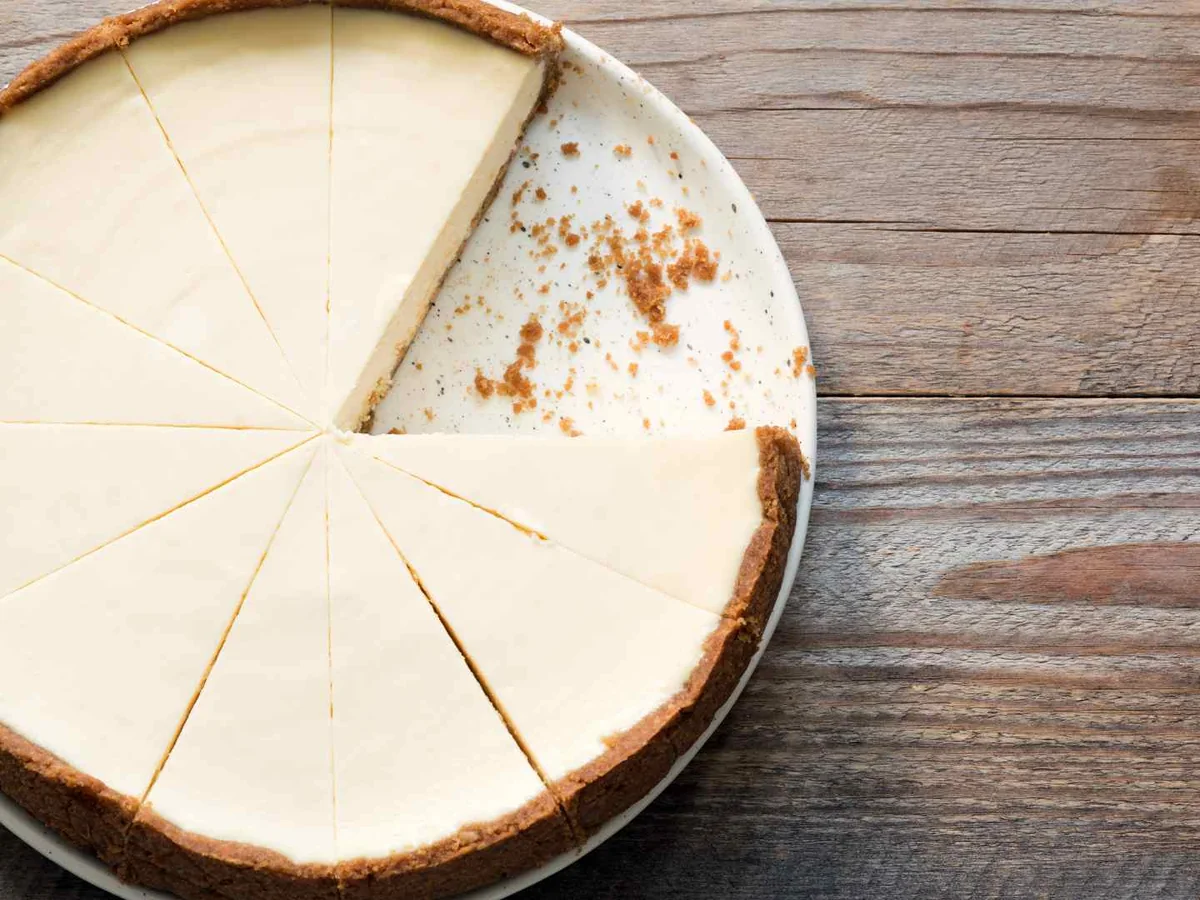
A burnt-top Basque cake, dense New York slice, and airy Japanese cheesecake use different amounts of cheese, egg, flour, sugar, and fat. Style names do not answer flavoring or storage questions.
Identify the exact bakery item instead of assuming that lighter texture means a safer serving. Toppings and crust can vary within the same style.
Lemon and citrus cheesecake
Lemon recipes may include juice, zest, extract, curd, or concentrated citrus oil. A little baked juice differs from a spill of flavor oil, which deserves faster advice.
Check garnish peel and decorative picks. Concentrated oil on fur should be cleaned under veterinary poison guidance so grooming does not increase exposure.
Caramel and salted caramel
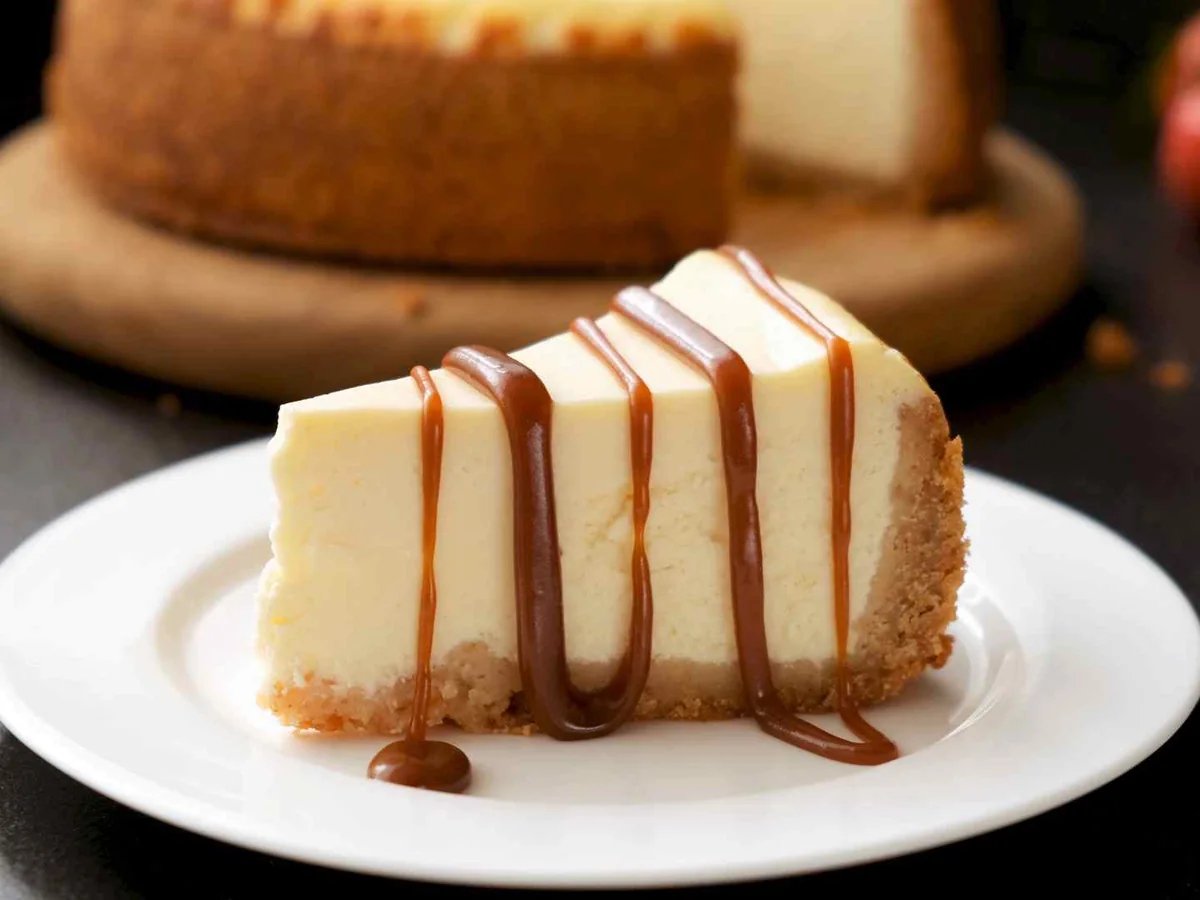
Caramel adds sugar, butter or cream, and sometimes considerable salt, while sugar-free sauce can introduce sweeteners. Sticky ribbons coat fur and packaging.
Blot promptly, save the sauce label, and observe for digestive upset or excessive thirst. Hot caramel can also cling while burning the mouth or skin.
Cheesecake bites and frozen bars
Small frozen pieces can be hard enough to hurt teeth or lodge in the throat, and each may have an individual wrapper or stick. Thawing changes texture but not ingredients.
Count both bites and packaging after a raid. Gagging, coughing, repeated swallowing, or abnormal breathing needs immediate care.
Restaurant portions complicate estimates
A restaurant slice may weigh several times more than a packaged mini dessert and include sauces not listed in its title. Ask for allergen and ingredient information where available.
Tell the clinic the restaurant, portion dimensions, fraction missing, and every garnish. A photo of the remaining plate improves the estimate.
Food allergy and dairy assumptions
A food reaction cannot be diagnosed from one mixed dessert because egg, dairy protein, wheat, nuts, and other ingredients overlap. Lactose intolerance and immune-mediated allergy are also different processes.
Recurring itching or digestive signs require a controlled veterinary diet trial. Do not repeatedly challenge the cat with cheesecake to identify the culprit.
After the plate is cleared
After one genuinely plain crumb, put the cake away and let the cat follow its usual routine. Over the next day, notice normal meals, water intake, comfort, energy, and litter-box output without turning every whisker twitch into a symptom.
Persistent diarrhea, recurrent sickness, pain, marked lethargy, or refusal of normal food warrants a call. Include storage and raw-batter history.
Whipped topping and decorative extras
Aerosol cream adds dairy, sugar, fat, propellant packaging, and a removable cap, while sprinkles may contain hard candy or sweetener. Birthday candles, ribbon, and edible glitter introduce more objects.
Count decorations after the plate is cleared. A missing candle base or ribbon can be more urgent than the dessert crumb.
Appetite loss should not be covered with dessert
A cat that refuses normal food but licks cheesecake may still be nauseated, painful, or systemically ill. Strong smell and soft texture can briefly overcome reluctance.
Call when meaningful eating stops, especially for a kitten, diabetic cat, overweight cat, or animal already unwell. Sustained under-eating can cause serious feline complications.
Cleaning a dropped slice
Move the cat first, collect sharp dish fragments and picks, then blot dairy from paws or fur with plain water. Greasy residue often extends farther than the visible cake.
Close the rubbish before mopping. A cat denied the first slice may enthusiastically audit the discarded one.
Frequently asked questions
Can cats eat plain cheesecake?
One crumb is usually low risk, but dairy, fat, sugar, calories, and storage still make it a poor routine treat.
Can cats eat vegan cheesecake?
Vegan versions may contain nuts, coconut fat, chocolate, sweeteners, or supplements and remain nutritionally unsuitable. Read the recipe.
What if my cat licked cheesecake filling?
Identify flavor and sweetener, wipe sticky fur, and monitor. Call for risky ingredients, a large amount, symptoms, or missing packaging.
The bottom line
A plain baked cheesecake crumb is normally a monitor-at-home event, not a healthy feline snack. Chocolate, caffeine, sweeteners, alcohol, raw batter, spoilage, toppings, symptoms, and packaging are the details that change the response.