Can Cats Eat Chia Seeds? Dry Seeds, Soaking, Fiber, and Portions
Chia seeds are not recognized as a common feline poison, but cats do not need them, and dry spoonfuls are a poor idea because the seeds absorb liquid and form a gel. Quantity, hydration, fiber tolerance, choking, flavored puddings, supplements, mold, packets, and gastrointestinal disease determine whether an exposure stays minor.
The first fork in the road is dry versus wet
A dusting of loose seed, a spoonful of hydrated gel, and a chocolate chia pudding are not variations of one exposure. Start with texture and amount, then ask what else shared the bowl.
Scattered pinches with normal swallowing are usually an observation problem, while a dry spoonful, dense gel blob, or pre-existing swallowing disease deserves a direct call. Describe the volume in kitchen measures and whether the seeds had already absorbed liquid.
Risky companion ingredients such as chocolate, coffee, alcohol, cannabis, medicine, unknown sweetener, or mold move the case beyond chia, as does a torn sachet. Choking, respiratory distress, collapse, repeated vomiting, or a swollen painful abdomen needs urgent care.
Do not induce vomiting, force water with a syringe, or give oil or extra fiber. If swallowing is abnormal, adding liquid by mouth can create aspiration risk.
Properly hydrated seed forms a soft gel, but a large blob can still be gulped and provides far more fiber than a cat needs. Gel may also hide sugar, milk, sweetener, or supplements.
If a veterinarian approves seed, the exact soaked quantity should be tiny and mixed through complete food rather than served as a freestanding lump. Most cats have no reason to receive it.
Obstruction concerns are contextual
Chia is not a classic foreign body in a few-seed exposure, and dramatic claims that every seed swells into a blockage overstate evidence. Concern rises with a large dry amount, abnormal swallowing, dehydration, prior narrowing, or symptoms.
The Merck obstruction review describes vomiting, appetite loss, abdominal pain, dehydration, and lethargy among possible findings. Call rather than waiting for a guaranteed stool appearance.
Why chia changes texture
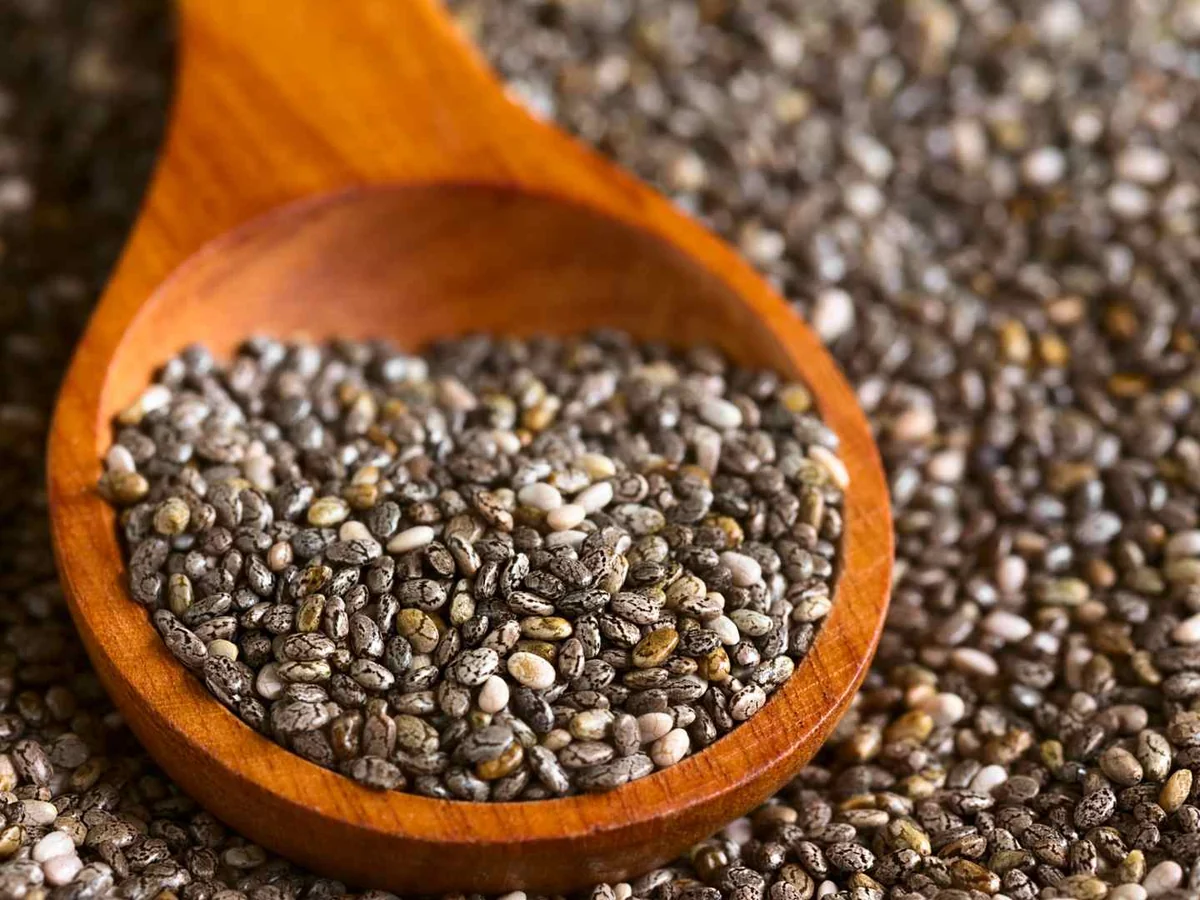
Chia seeds have a hydrophilic outer layer that absorbs water and develops a slippery gel. That property is useful in human recipes but complicates an unmeasured dry exposure.
A few seeds licked from the floor differ from a mouthful of dry product. Report the volume, whether water was available, and whether the cat has esophageal or intestinal disease.
What the evidence does, and does not, support
Chia contains fiber, fat, protein, minerals, and alpha-linolenic acid, an omega-3 fatty acid valued in human nutrition. Listing nutrients does not prove a cat benefits from whole seed or identify an effective dose.
The Merck feline nutrition chapter explains cats’ distinctive nutrient metabolism and need for animal-derived dietary components. A complete cat food is formulated around those requirements; a spoonful of seed is not.
Plant omega-3 is not the same as marine omega-3
Chia supplies ALA, while many veterinary omega-3 uses focus on the long-chain fatty acids EPA and DHA. Cats have limited conversion pathways, so human “omega-3 rich” claims should not be transferred casually.
When a veterinarian recommends fatty-acid supplementation, use the named product, dose, storage, and monitoring plan. More seed is not a substitute.
Fiber can help, hinder, or simply cause gas
Chia provides soluble and insoluble fiber that can change stool water, bulk, fermentation, and transit. The effect depends on dose, hydration, diet, and the cause of symptoms.
Unplanned fiber may cause gas, cramping, diarrhea, or constipation and can dilute calorie intake. Do not use chia to treat a litter-box problem without a diagnosis.
Dry seeds and swallowing
Loose seeds can cling to a moist mouth, scatter into the nose, or be gulped as a dense spoonful. Cats with dental pain or swallowing disorders deserve particular caution.
Coughing, gagging, repeated gulping, drooling, neck extension, or noisy breathing requires urgent assessment. Do not offer more food as a test.
Dense chia gel
When chia arrives inside another food
Pudding often includes cow’s milk, oat milk, coconut milk, yogurt, sugar, honey, fruit, chocolate, coffee, vanilla, protein powder, or sweetener. The seed is only one ingredient.
Our guides to milk, oat milk, honey, and fruit help inspect common recipes. Save the complete label.
Smoothies and wellness shots
Blended products may add grapes, raisins, caffeine, cocoa, herbal extracts, vitamins, minerals, nut butter, or sugar-free syrups. A café menu rarely gives concentrations.
Keep the receipt and ask for ingredient details if a meaningful amount was consumed. A product marketed for digestion or energy is not automatically cat-safe.
Baked chia products
Bread, muffins, crackers, granola bars, and cookies can contain salt, onion, garlic, chocolate, raisins, nuts, butter, raw dough, or wrappers. Hydrated seed inside baked food does not neutralize the surrounding recipe.
Assess the finished product. A tiny plain seed exposure and a chocolate chia bar with missing film deserve different calls.
Chia pets and sprouted seed
Decorative chia planters add growing medium, paint, glue, plastic, mold, fertilizer, and possibly other seeds. Sprouts also carry food-safety and identification concerns.
Do not let a cat graze a novelty planter. Photograph the product and every material after chewing.
Mold, rancidity, and storage
Seeds contain fat and should be stored according to the package in a sealed, dry place. Discard product with mold, moisture, pantry insects, or a rancid odor.
Some molds can cause neurologic illness. Tremors, agitation, seizures, or abnormal body temperature after spoiled seed or compost is urgent.
Packets and desiccants
Chia comes in thin bags, single-serve sachets, bulk-bin liners, and supplement tubs that may include desiccant packets. Food-scented packaging can be swallowed.
Check under appliances before assuming ingestion. Repeated vomiting, appetite loss, abdominal pain, straining, or low energy after missing plastic requires examination.
Medication absorption questions
High-fiber gel can alter how quickly some oral products move through the gastrointestinal tract, but specific feline interactions depend on medicine, dose, timing, and health. Do not guess.
Ask the prescribing veterinarian before adding chia around medication. If a medicated pudding or supplement was stolen, identify every active ingredient.
Diabetes and calorie plans
Seeds are calorie-dense because they contain fat, and pudding often adds carbohydrate. Diabetic and weight-loss plans work best when extras are predictable and measured.
Kidney, urinary, gastrointestinal, and allergy diets also have designed fiber and mineral profiles. Adding seed can change the plan without solving a problem.
Kittens and seniors
Kittens should spend their small stomach capacity on complete growth food, not gel or seeds. Seniors more commonly have dental, swallowing, kidney, or bowel disease.
Use an earlier call threshold for vulnerable cats. A tiny body or narrowed intestine leaves less room for a dry-volume mistake.
A supplement label is not a food adequacy statement
The FDA pet-food label guide explains complete-and-balanced claims. A chia supplement may provide directions yet remain complementary and unnecessary for an otherwise balanced diet.
Cornell’s cat-feeding guidance keeps treats limited. If enrichment is the goal, use normal food in a puzzle feeder rather than building feline seed pudding.
Whole versus ground chia
Grinding changes texture and exposes fat to air but does not make the seed a complete feline supplement. Powder can spread into eyes, nose, and fur.
Store ground product tightly sealed and clean spills with the cat elsewhere. Respiratory distress or persistent eye irritation warrants prompt care.
Chia oil
Pressed chia oil is calorie-dense and may oxidize during poor storage. A lick is different from swallowing a bottle or its cap.
Do not apply oil to skin or meals for coat health without veterinary direction. Greasy fur encourages grooming and can worsen digestive upset.
Water bowls and loose seed
Dry seeds spilled into a water bowl create gel and can contaminate the drinking station. Replace the water and wash the bowl rather than letting the cat finish it.
Keep seed jars away from fountains, where pumps can trap gel. Clean fountain components according to the manufacturer.
Chia and stool color
Dark seeds can appear in stool, but black tarry feces may represent digested blood and should not be dismissed as seed pigment. Photographs help the clinic distinguish appearance.
Blood, weakness, pale gums, repeated vomiting, or abdominal pain warrants a call. Do not wait for the next litter-box sample if the cat is ill.
Commercial cat food containing chia
Some formulated pet foods use chia within a complete recipe and manufacturing process. That inclusion is not evidence that owners should add arbitrary spoonfuls.
Evaluate the finished food’s adequacy statement, life stage, calories, and veterinary fit. More of one label ingredient can disturb the intended balance.
Food allergy trials
Chia can become an unapproved variable during a hydrolyzed or novel-protein trial. Even a small complementary supplement may include flavoring or carrier ingredients.
Ask the supervising veterinarian before adding it. A strict trial only works when every edible item follows the plan.
A sensible low-risk observation
After a few loose seeds, watch comfortable swallowing, normal appetite, ordinary drinking, stool, and activity. Keep the package until the observation period ends.
Call if vomiting repeats, the belly becomes painful, swallowing changes, or food is refused. The amount and dry-versus-soaked state guide the discussion.
Do not syringe chia gel
Even a smooth gel can be aspirated if pushed into an unwilling cat’s mouth. Appetite or hydration support should follow veterinary instructions and safe positioning.
A coughing, weak, or poorly swallowing cat needs assessment before anything else is offered. Feeding technique can turn a minor dietary issue into pneumonia.
Chia seeds near fish oil
People may combine chia with fish oil under the broad omega-3 label, but products have different fatty acids, calories, oxidation risks, and doses. Stacking them is not evidence-based tailoring.
Use only the supplement and dose selected for the cat’s condition. Store oils away from heat and discard rancid products.
Frequently asked questions
Can cats eat soaked chia seeds?
A tiny veterinarian-approved amount is less physically concerning than a dry spoonful, but it is still optional fiber and calories.
Can chia help cat constipation?
Not reliably without diagnosis. Constipation, urinary blockage, dehydration, pain, megacolon, and obstruction need different responses.
Are chia seeds good for a cat’s coat?
No dependable feline evidence supports casual whole-seed use for coat treatment. Ask about balanced food, parasites, allergy, and appropriate fatty acids.
The bottom line
A few chia seeds are usually low concern, but dry volume, swelling, fiber, mixed recipes, supplements, spoilage, symptoms, and packaging matter. Cats do not need chia, and any intended therapeutic use belongs in a veterinary plan.