Can Cats Eat Crab? Cooked Meat, Shells, and Imitation Crab
A pea-sized flake of plain, fully cooked crab meat can be an occasional treat for many healthy adult cats. Shell, cartilage, raw seafood, spoilage, salt, butter, garlic, onion, sauces, imitation crab, allergy, fishing gear, tins, and medical diets decide whether sharing stays simple.
From shell to saucer: follow the crab
Begin with the part the cat reached. Soft picked meat from the center of a cooked leg is one scenario; a stolen claw with shell, restaurant crab cake, raw bait crab, or imitation stick is another.
Estimate the amount and time, then look for shell shards, skewers, string, plastic, metal clips, and seasoning. Keep the menu, label, or remaining shell for the veterinary conversation.
The simplest safe serving
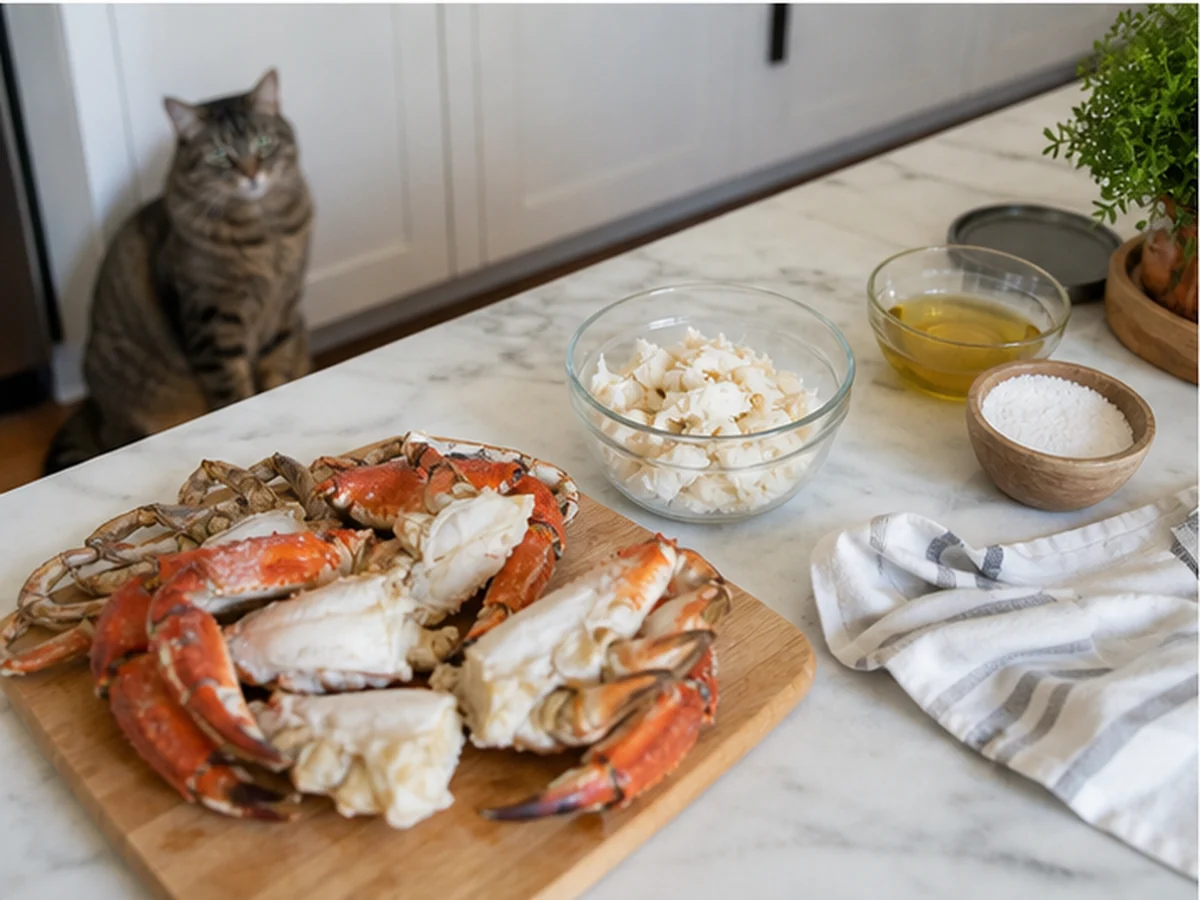
Choose fresh or properly thawed crab, cook it completely without seasoning, cool it, and inspect it under good light for shell and cartilage. Offer one pea-sized flake, then stop.
Do not serve butter, lemon sauce, stock, garlic, onion, salt, spice, or cooking liquid. The cat can enjoy crab without receiving the seafood restaurant.
When the answer becomes urgent
Breathing trouble, choking, collapse, repeated vomiting, severe weakness, facial swelling, tremors, or seizures requires emergency care. Gagging, repeated swallowing, drooling, and mouth pawing after shell access also deserves immediate attention.
Call promptly for a swallowed shell, skewer, string, raw or spoiled crab, heavy seasoning, a large amount, or missing packaging. Do not induce vomiting after sharp material.
Crab meat is useful food, but not a complete diet
Crab supplies animal protein and various micronutrients, yet one muscle meat cannot supply the entire feline nutrient profile in correct proportions. Regular crab-only feeding can unbalance calcium, vitamins, fatty acids, and other essentials.
The FDA complete-and-balanced food explainer shows how a staple diet is identified. Crab belongs in the optional treat column unless it appears within a complete formulated cat food.
Shell and cartilage are the physical hazards
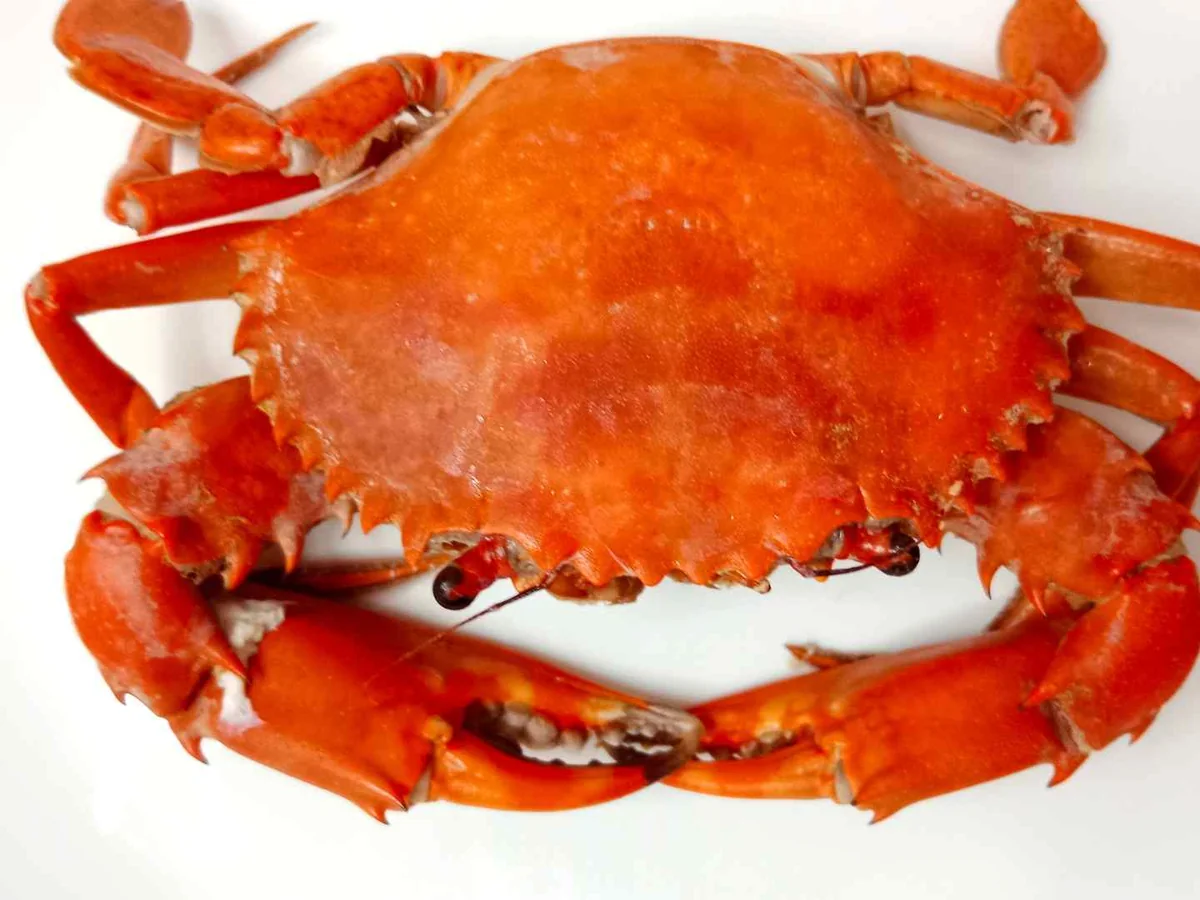
Crab shell can splinter into sharp pieces that cut the mouth, lodge in the throat, puncture tissue, or obstruct the intestine. Thin translucent cartilage can hide inside apparently clean meat.
Run fingers gently through picked crab before serving, but do not reach deeply into a distressed cat’s mouth. Vomiting, abdominal pain, food refusal, straining, or lethargy after missing shell needs assessment.
Raw crab adds microbial and parasite questions
Raw seafood can carry harmful bacteria and parasites, and freezing or appearance alone does not guarantee safety. Handling raw crab also contaminates boards, sinks, hands, and pet bowls.
The FDA raw pet-food guidance describes risks to animals and people. Wash hands and surfaces, keep raw seafood separate, and mention the exposure if diarrhea, vomiting, fever, lethargy, or appetite loss develops.
Boiled, steamed, canned, and pasteurized meat
Boiled or steamed crab is simplest only when the cooking water contains no salt or seasoning. Pasteurized refrigerated crab and canned products require label and storage checks.
Canned crab may contain substantial sodium, citric acid, preservatives, or liquid and can hide tiny shell pieces. Rinse only if the veterinarian approves; rinsing does not remove everything absorbed.
Sodium and the seafood counter
Restaurant crab, canned meat, seafood boils, and imitation products can be salty. A healthy cat tasting one plain flake is not experiencing salt toxicosis, but a large seasoned theft merits advice.
The Merck salt toxicosis chapter includes thirst, vomiting, diarrhea, poor coordination, tremors, and seizures after excessive exposure. Leave water accessible without forcing it.
Garlic, onion, and seafood-boil seasoning
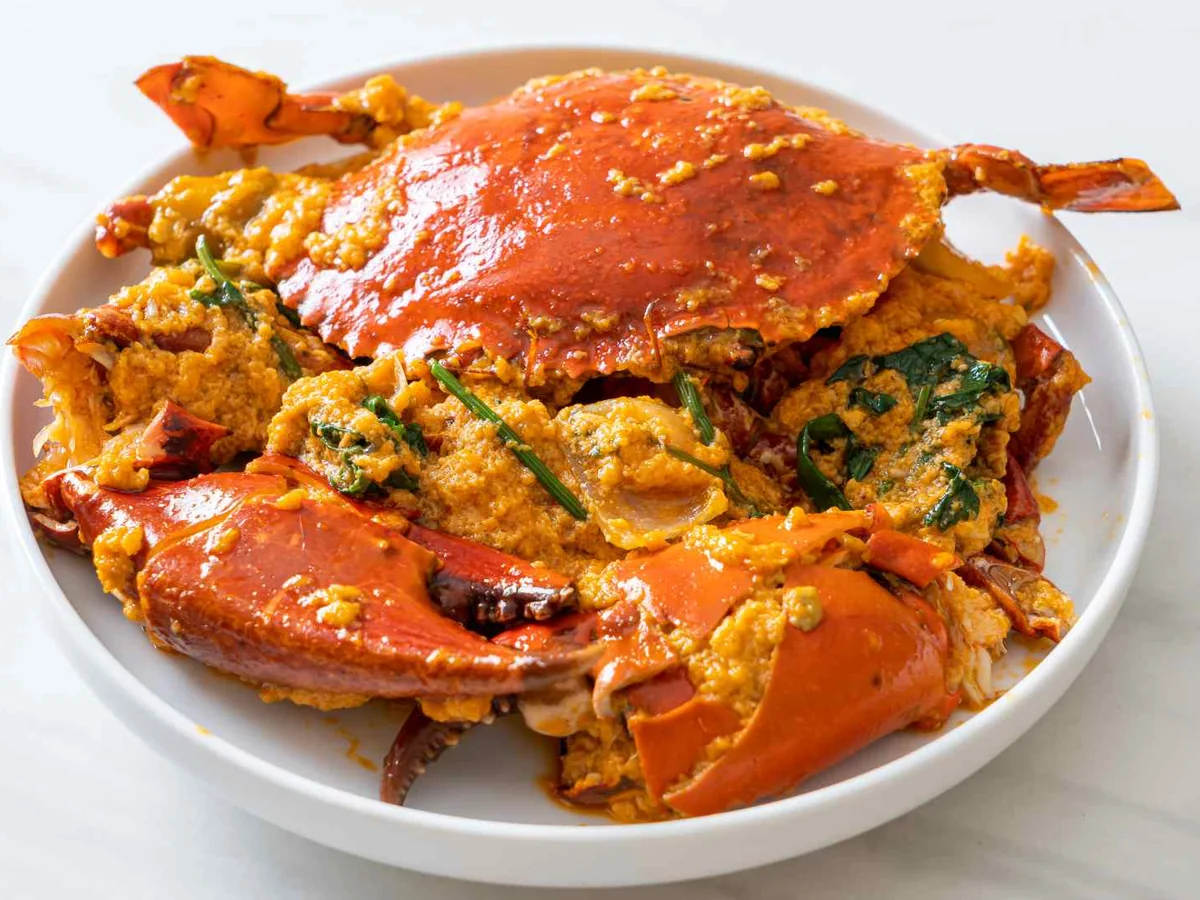
Crab boils and cakes commonly use garlic, onion, shallot, chive, spice mixes, sausage, salty stock, and butter. Powdered Allium ingredients can disappear into a coating.
The Merck Allium review explains feline red-cell damage and the potential for delayed anemia. Call from the recipe rather than waiting for pale gums or weakness.
Butter, creamy sauces, and crab dip
Melted butter adds fat and calories, while crab dip can contain cream cheese, mayonnaise, sour cream, garlic, onion, hot sauce, and salt. Smooth dip allows a cat to lap more quickly than it can chew meat.
Our guides to butter, cheese, and garlic help review common additions. Keep the complete recipe.
Crab cakes are mixed dishes
Crab cakes may contain onion, garlic, breadcrumbs, mayonnaise, mustard, egg, seasoning, oil, and shell fragments. Fried versions add hot fat and a crisp coating.
A tiny interior flake is not equivalent to eating a whole restaurant cake. Save the menu and describe every sauce or garnish.
Imitation crab is a different product
Imitation crab is usually surimi made from processed fish with starch, sugar, salt, flavor, color, and binders. It can be much saltier and more carbohydrate-heavy than plain crab meat.
Our canned tuna guide and salmon guide explain why seafood form matters. Read the surimi label instead of treating the red stripe as shell.
Allergy and individual reactions
Cats can react to seafood proteins even though crab allergy prevalence and dose are not predictable from human allergy experience. Stop the food for itching, hives, vomiting, diarrhea, facial swelling, or ear and skin flare.
Rapid swelling, breathing difficulty, or collapse is an emergency. Milder recurring signs require a veterinary diet history rather than repeated crab testing.
Spoilage moves seafood into a different lane
Crab is highly perishable, so follow refrigeration, thawing, and use-after-opening directions. Discard sour-smelling, slimy, warm-held, leaking, swollen, or moldy product.
Reheating does not reliably reverse every toxin created during poor storage. Save the lot code if illness or a recall may be involved.
Fishing, traps, and bait
A cat near crab gear can encounter hooks, monofilament, bait elastic, sinkers, nets, trap wire, and raw seafood. These objects can injure or create linear foreign bodies.
Never pull line emerging from the mouth or rectum. Keep fishing equipment in rigid closed storage and seek urgent care for any missing hook.
Kittens and cats on therapeutic diets
Kittens need complete growth food and have tiny airways for shell fragments. Kidney, heart, urinary, allergy, gastrointestinal, and weight patients need controlled minerals, sodium, protein, fat, or calories.
Ask the treating clinician before using crab as a topper or pill wrap. A familiar portion of the prescribed food is easier to account for.
A small post-crab check
After one plain flake, let the cat eat normally while you watch swallowing, appetite, comfort, vomiting, stool, and skin. Most uncomplicated tastes cause no problem.
Call for persistent digestive signs, itching, swelling, oral pain, or food refusal. Mention shell access, preparation, storage, and seasoning.
Crab legs versus body meat
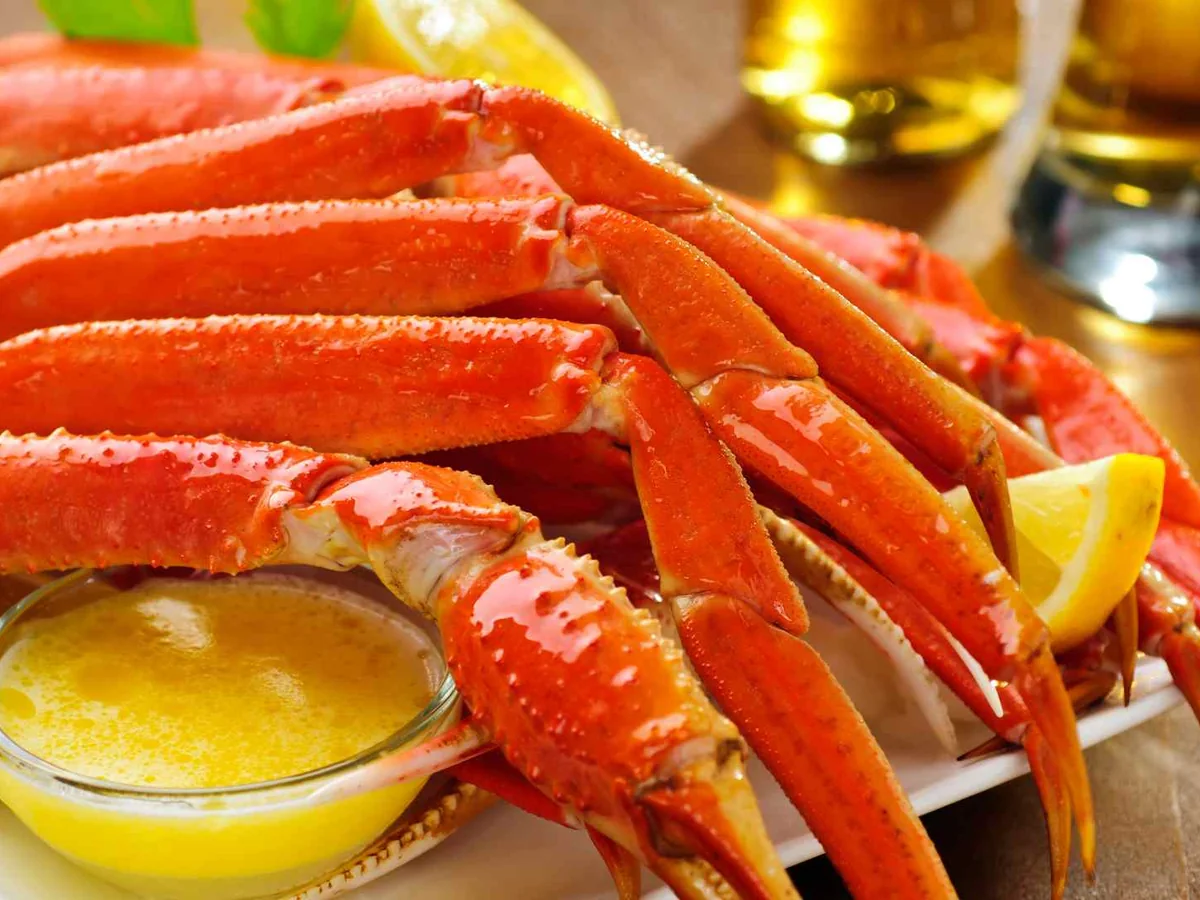
Leg and claw meat can hide thin cartilage and shell membranes, while body meat may contain more tiny shell flecks after picking. Both require careful inspection.
Use bright light and clean fingers, and discard any hard or translucent piece. Do not rely on the cat to chew around it.
Soft-shell crab is not shell-free
Soft-shell crab is eaten whole by people after a molt, but its shell, gills, mouthparts, seasoning, breading, and frying oil remain inappropriate for cats. “Soft” does not mean no physical hazard.
If a cat steals a section, call with size, cooking method, and symptoms. A breaded restaurant piece is not equivalent to picked meat.
Crab roe and tomalley
Crab innards and roe have different nutrient, contaminant, spoilage, and calorie profiles from muscle meat. They are not needed for feline nutrition.
Skip organs from recreational catches, particularly when local harvest advisories limit consumption. Follow public-health guidance for the exact water and species.
Seafood boils and table debris
A boil table may hold corn cobs, onion, garlic, sausage, potatoes, lemon, spice, melted butter, shells, picks, newspaper, and plastic gloves. Cats can swallow the debris that smells most strongly of crab.
Clear into rigid lidded rubbish before anyone leaves the table. Shell-filled bags are irresistible and sharp.
Mercury and contaminant perspective
One crab flake is not an acute heavy-metal event, while frequent seafood feeding can create nutritional and contaminant questions depending on species and source. Avoid alarmist claims without product data.
Use a complete diet from a reputable manufacturer as the staple. Ask the veterinarian before making any human seafood a recurring ration component.
Crab from a shared fryer
Fried crab can share oil with onion rings, garlic foods, spicy breading, and allergens. It also arrives hot, salty, and fatty.
Do not peel off breading and assume the meat stayed plain. Set aside a clean cooked flake before seasoning if a treat has been approved.
Why seafood obsession may be a clue
A sudden appetite increase for every food, not merely fragrant crab, can accompany hyperthyroidism, diabetes, parasites, medication effects, or other disease. Weight loss and thirst make that history more important.
Do not solve a new ravenous appetite by expanding treats. Arrange an examination and track weight, drinking, urine, and meals.
Crab meat in commercial cat food
Crab or crab flavor can appear within a complete commercial product, where it is processed and balanced with every other ingredient. That is not equivalent to topping meals with table crab.
Read the nutritional adequacy statement, life stage, calories, and feeding directions. A complete seafood recipe should remain complete without a buttered claw added.
Frequently asked questions
Can cats eat crab legs?
Only the fully cooked picked meat in a tiny amount, never the shell or whole leg. Inspect carefully for cartilage.
Can cats eat canned crab?
A rinsed tiny flake may fit some healthy cats, but check sodium, additives, storage, and shell fragments.
Can cats eat imitation crab?
A small accidental bite is usually low concern, but surimi is salty processed food and unnecessary. Read the label for seasoning.
The bottom line
Plain cooked shell-free crab can be a tiny occasional treat, unlike whole shellfish or seasoned restaurant dishes. Raw seafood, shell, spoilage, sodium, Alliums, allergy, gear, symptoms, and packaging are the reasons to involve a veterinarian.