Can Cats Eat Edamame? Beans, Pods, Salt, and Seasoned Bowls
One soft, plain, cooked edamame bean is generally low risk for a healthy adult cat, but soybeans do not replace complete feline nutrition. The fibrous pod, whole-bean shape, salt, garlic, chili, sauces, restaurant recipes, and packaging create the issues worth checking first.
Bean or pod makes the first decision
If your cat ate one shelled, tender, unseasoned bean, remove the bowl and monitor for vomiting, diarrhea, gas, or appetite change. Most healthy cats will remain normal after that small exposure.
If a pod, several hard beans, a skewer, plastic film, or a seasoning packet is missing, call for advice. Seek urgent care for choking, breathing trouble, repeated gagging, persistent vomiting, a painful abdomen, collapse, severe weakness, or inability to swallow.
Save the package or restaurant recipe and do not induce vomiting. Avoid giving oil, bread, milk, salt, or human gas medication because those additions can obscure or worsen the original problem.
Edamame is an immature soybean
Edamame means soybeans harvested while green and tender, usually sold in pods or already shelled. Mature dried soybeans and processed soy foods share an origin but differ in texture, concentration, and preparation.
Soy supplies plant protein to human diets and can appear in properly formulated cat foods. An ingredient’s presence in a complete commercial formula does not mean a bowl of plain soybeans supplies the amino acid balance, taurine, fats, vitamins, and minerals a cat needs.
The Cornell Feline Health Center’s nutrition overview emphasizes cats’ distinctive requirements and complete diets. Use edamame as an optional curiosity, not as proof that a cat can thrive on plant protein.
Pods belong in the discard bowl
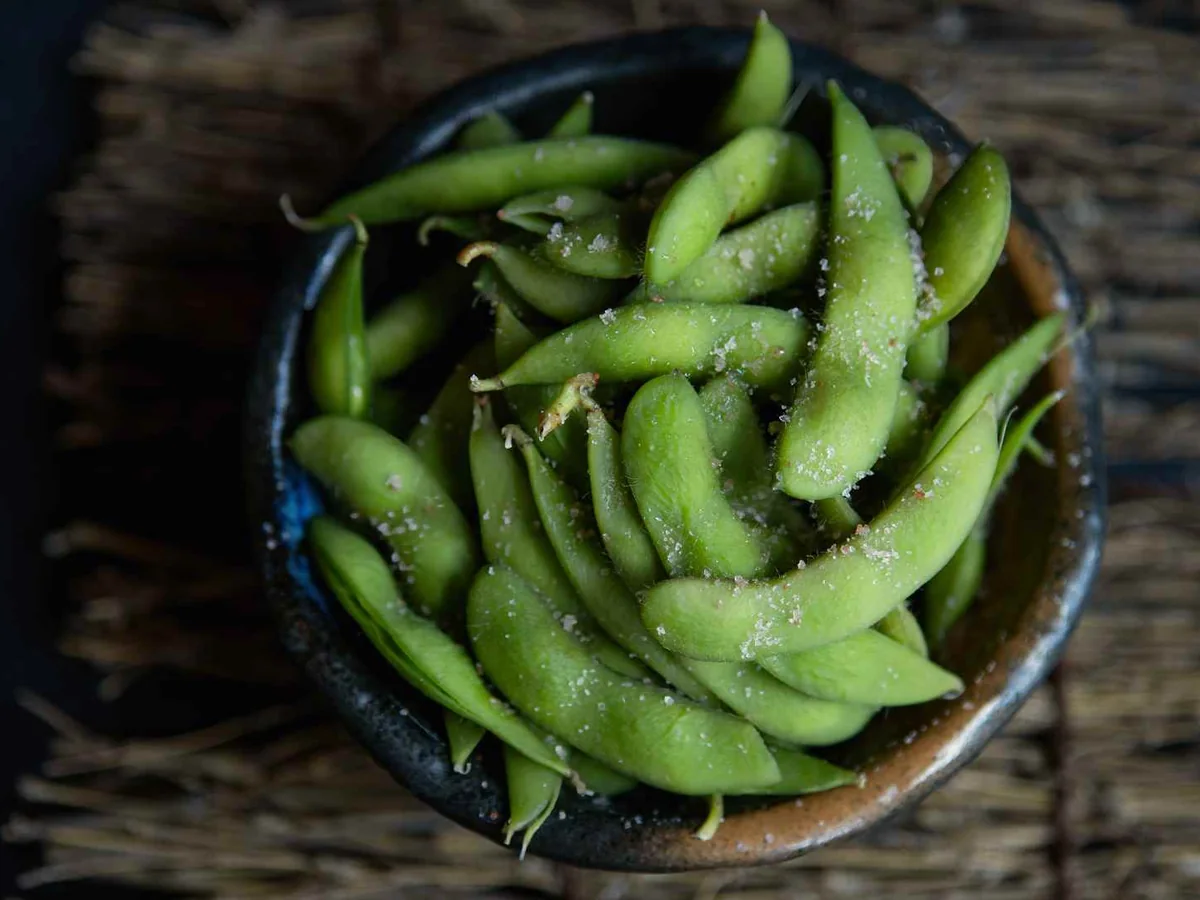
People squeeze edamame beans from the pod and discard the tough outer casing. Cats lack that neat dining technique and may chew the salted surface before swallowing a long fibrous section.
A pod can lodge in the throat or gastrointestinal tract, especially when gulped whole. Its strings and tough seams are not made safe by steaming, and chopping a pod merely creates smaller fibrous objects.
The Merck Veterinary Manual lists vomiting, appetite loss, lethargy, abdominal pain, diarrhea, and shock among possible obstruction findings. Do not pull pod fibers protruding from the mouth or anus.
How to prepare the lowest-risk taste
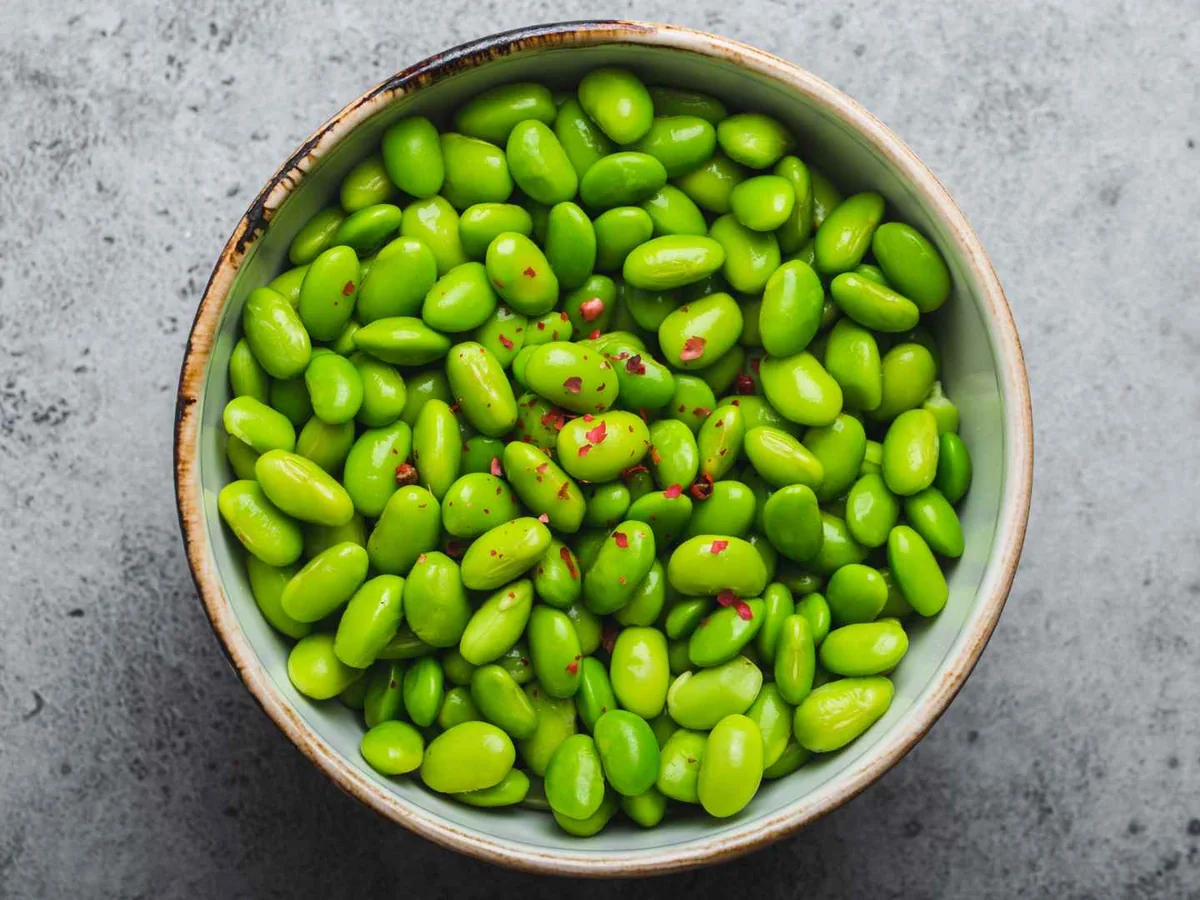
Use fresh or frozen edamame cooked in plain water until soft, remove every pod, and let the beans cool. Mash one bean into several small pieces instead of offering it round and intact.
One bean is enough for a first taste in a healthy adult cat, and there is no need to make it a weekly event. This conservative portion is not a toxic-dose boundary or a prescription for added fiber.
The FDA advises washing produce under running water, keeping it separate from raw meat, and using clean hands and utensils. Follow frozen-package cooking instructions and discard spoiled beans.
Raw and undercooked soybeans are not treats
Raw soybeans contain antinutritional factors that heat processing helps reduce and are harder to digest than cooked beans. They should not be fed to cats, whether fresh from a garden, thawed but uncooked, or used in a raw bowl.
Undercooked beans can provoke nausea, gas, vomiting, or diarrhea and remain firmer choking objects. If a cat eats several raw beans, call with the amount, plant source, time, and symptoms.
Do not assume a microwave pouch is ready to eat until the label says so. Some frozen products require full cooking, and seasoning may be packaged separately or frozen onto the beans.
Salted edamame is designed for human fingers
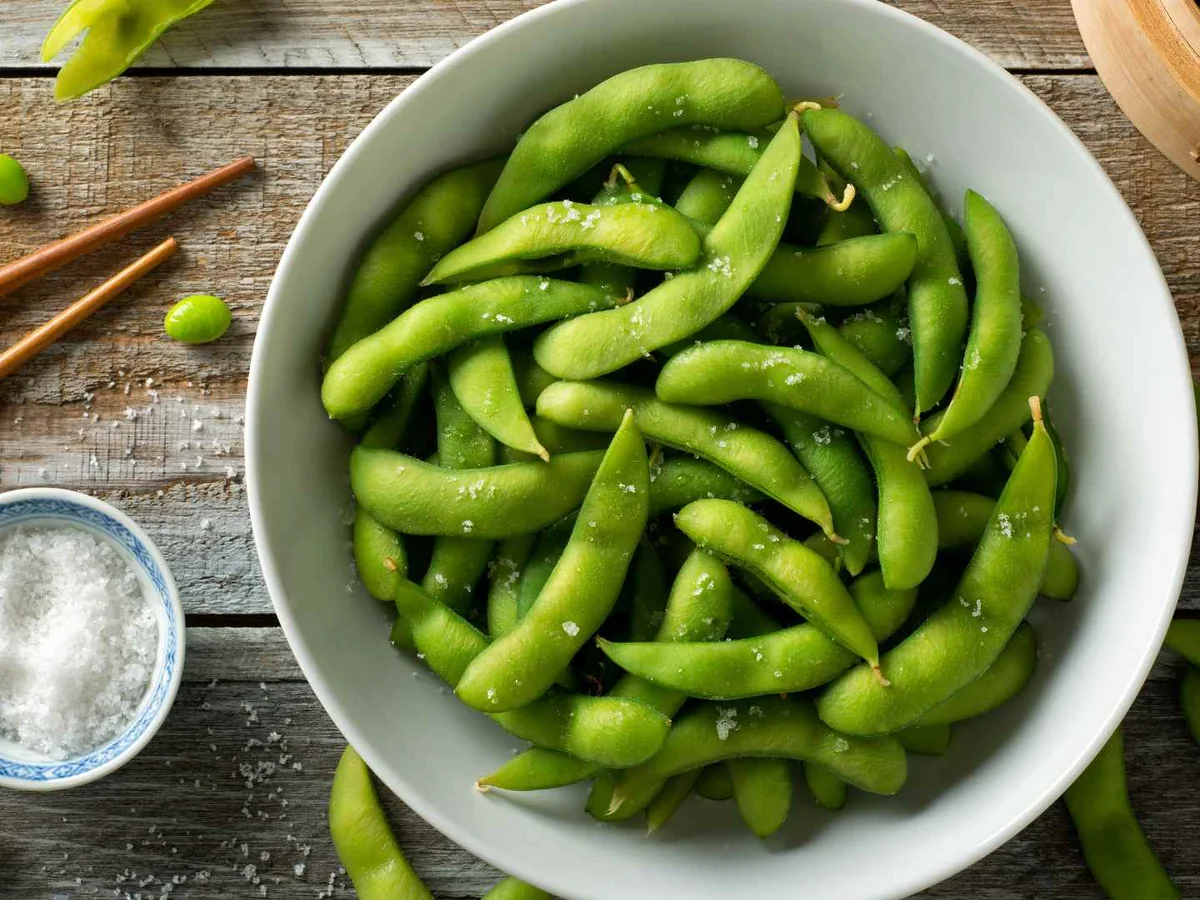
Restaurant edamame is often boiled in salted water and showered with coarse salt, much of it clinging to the pods. A cat licking several pods may consume seasoning without eating many beans.
One salty lick rarely causes salt poisoning, but numerous pods, concentrated brine, restricted water, or kidney or heart disease deserves veterinary guidance. Keep fresh water accessible and never force water into the mouth.
Concerning signs after a very salty exposure include vomiting, marked thirst, weakness, disorientation, tremors, seizures, or collapse. The amount and cat’s medical status matter far more than whether the menu calls the dish sea salt edamame.
Garlic, chili, and restaurant seasonings
Spicy garlic edamame can contain minced garlic, garlic powder, onion, chili oil, soy sauce, sesame oil, butter, and sugar. Cats are particularly susceptible to allium-related red blood cell injury, so meaningful garlic or onion exposure requires a call.
The ASPCA’s people-food guidance connects alliums with gastrointestinal irritation and anemia in pets and notes feline sensitivity. Report weakness, pale gums, rapid breathing, vomiting, or dark urine urgently.
Chili can irritate the mouth and gut, causing drooling, pawing, coughing, vomiting, or diarrhea. Do not give milk as a spice antidote because dairy may add digestive upset and forced liquids can be aspirated.
Soy sauce and teriyaki bowls
Soy sauce is far saltier than plain soybean food, while teriyaki can include sugar, garlic, ginger, and other flavorings. A small splash is not equivalent to salt poisoning, but a cat who drinks sauce or eats a heavily coated portion needs case-specific advice.
Poke bowls and stir-fries add raw fish, onion, avocado, rice, seaweed, mayonnaise, spicy sauce, and plastic or wooden utensils. List the entire bowl rather than asking the clinic about one green bean.
If cilantro is among the toppings, the cat cilantro guide separates culinary leaves from oils and mixed dishes. Ingredient-by-ingredient triage prevents one harmless garnish from distracting from raw seafood or alliums.
Dry-roasted edamame changes the texture
Roasted edamame becomes hard and crunchy, increasing choking and dental concerns. Snack versions often carry barbecue, ranch, wasabi, chili, cheese, or salt coatings with complex ingredient lists.
A crumb of a plain roasted bean may cause no problem, but there is no benefit to offering one intentionally. Soft commercial cat treats provide crunch or chewing interest in a form designed for the species.
Keep snack bags and desiccant packets away from cats and report any missing plastic. A bean exposure can become an obstruction exposure when the cat eats the bag while chasing crumbs.
Soy allergy and food-elimination trials
Soy can be a food allergen for some individuals, but one episode of vomiting does not diagnose a soy allergy. Veterinary diagnosis relies on history and controlled dietary trials rather than a home skin test or an online symptom list.
A cat in an elimination trial must receive only approved ingredients, treats, flavored medications, and supplements. One edamame bean can disrupt interpretation even if it never causes a visible reaction.
Facial swelling, hives, breathing difficulty, collapse, or severe sudden vomiting after any food needs urgent care. Mild recurring skin or digestive signs should be documented and discussed with the veterinarian.
Do not import the dog legume and DCM debate
Questions about legumes and diet-associated dilated cardiomyopathy have focused heavily on certain dog diets and cannot be pasted onto cats or onto one edamame bean. Species, complete formulation, ingredient proportions, processing, nutrient adequacy, and medical evidence all matter.
Do not remove soy from a complete cat food or add it to another diet based on dog headlines. Discuss the specific product and cat with a veterinarian, especially when heart disease, taurine status, or a homemade diet is involved.
The edamame guide, bean overview, and pea guide can identify food forms, but their canine disease framing is deliberately not transferred here.
Edamame pasta, tofu, and soy milk are separate products
Edamame pasta concentrates bean flour into noodles and may be served with garlic sauce, cheese, pesto, or hot broth. A plain cooked noodle crumb may be low risk, but the product is not nutritionally equivalent to one green bean.
Tofu changes texture and water content, while flavored tofu can carry soy sauce, onion, garlic, smoke flavor, or chili. Soy milk may contain sugar, oils, gums, vitamins, flavor, or sweeteners and should not replace water or kitten formula.
Identify the exact soy product rather than applying this pod-and-bean advice to every form. Processing can reduce one physical hazard while introducing an entirely different ingredient list.
Cats who should skip edamame
Kittens, cats with dental pain, swallowing trouble, chronic digestive disease, prior obstruction, diabetes, obesity, or prescription diets should not receive casual soybeans. The bean adds dietary variables without solving any nutritional problem.
Cats with kidney, heart, or urinary disease should avoid salty restaurant forms. Follow the prescribed moisture, mineral, sodium, calorie, and medication plan rather than using soy snacks to create variety.
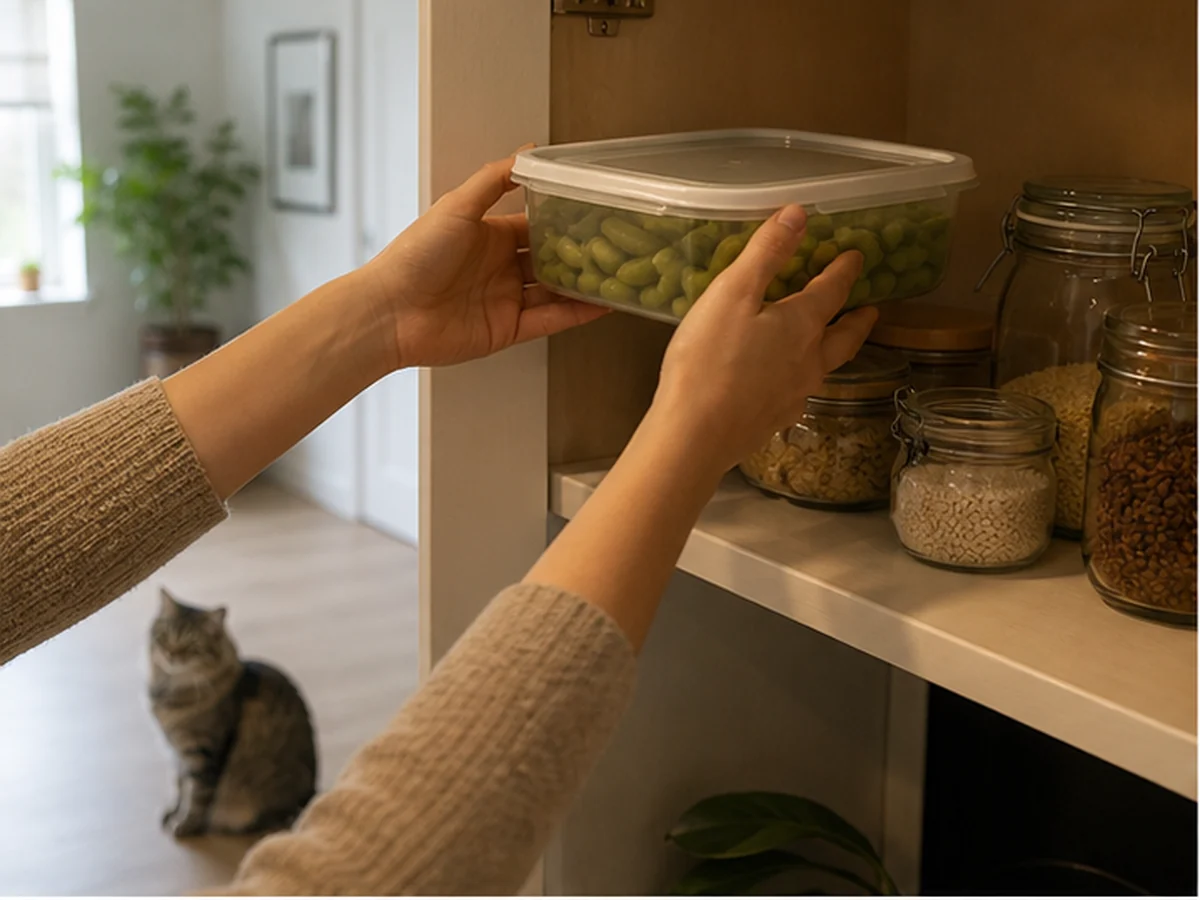
Preventing the pod heist
Put empty pods directly into a lidded bowl during dinner and move that bowl to secure trash afterward. Do not leave a pile beside the plate, where salt and food scent make it more interesting than the beans were.
Sweep dropped beans, close freezer bags, and account for skewers and condiment packets. Give the cat part of its regular ration in a puzzle feeder so everyone gets a table activity.
FAQ
Can cats eat shelled edamame?
One soft, plain, cooked, mashed bean is generally low risk for a healthy adult cat. It is optional and should not displace balanced food.
What if my cat ate an edamame pod?
Call because pods are tough, fibrous, and capable of choking or obstructing. Go to urgent care if the cat cannot breathe or swallow normally, keeps vomiting, develops abdominal pain, or refuses food.
Can cats eat salted edamame?
Do not offer it, although one lightly salted bean rarely creates serious toxicity. Call after a large salty exposure or any neurologic, gastrointestinal, or severe thirst signs.
Is soy protein good for cats?
Soy can be one ingredient in a complete formulated diet, but edamame alone is not complete feline protein. Judge the entire food, not one ingredient’s human nutrition reputation.
Bottom line
A mashed plain edamame bean is usually low risk, but pods, round whole beans, salt, garlic, chili, and restaurant bowls deserve more attention. Keep soy optional and let complete cat food do the serious nutritional work.