Can Cats Eat Hummus? Garlic, Tahini, Lemon, and Labels
Do not serve hummus to cats. Many recipes contain garlic, which can damage feline red blood cells even after cooking, while onion, salt, lemon, tahini, oil, spice, thick texture, raw garnishes, dippers, tubs, and uncertain restaurant formulas turn a simple chickpea spread into a label-reading problem.
Hummus is a recipe, not mashed chickpeas with good public relations
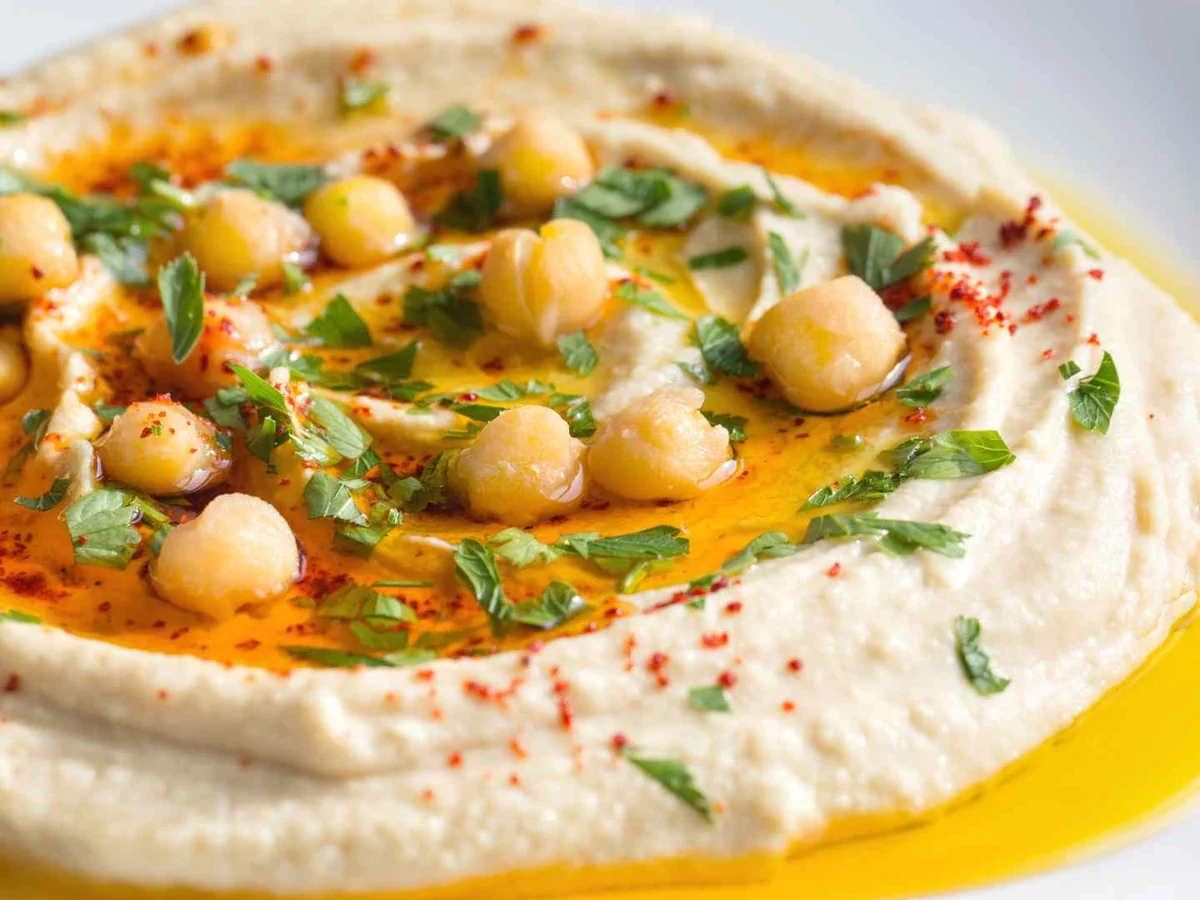
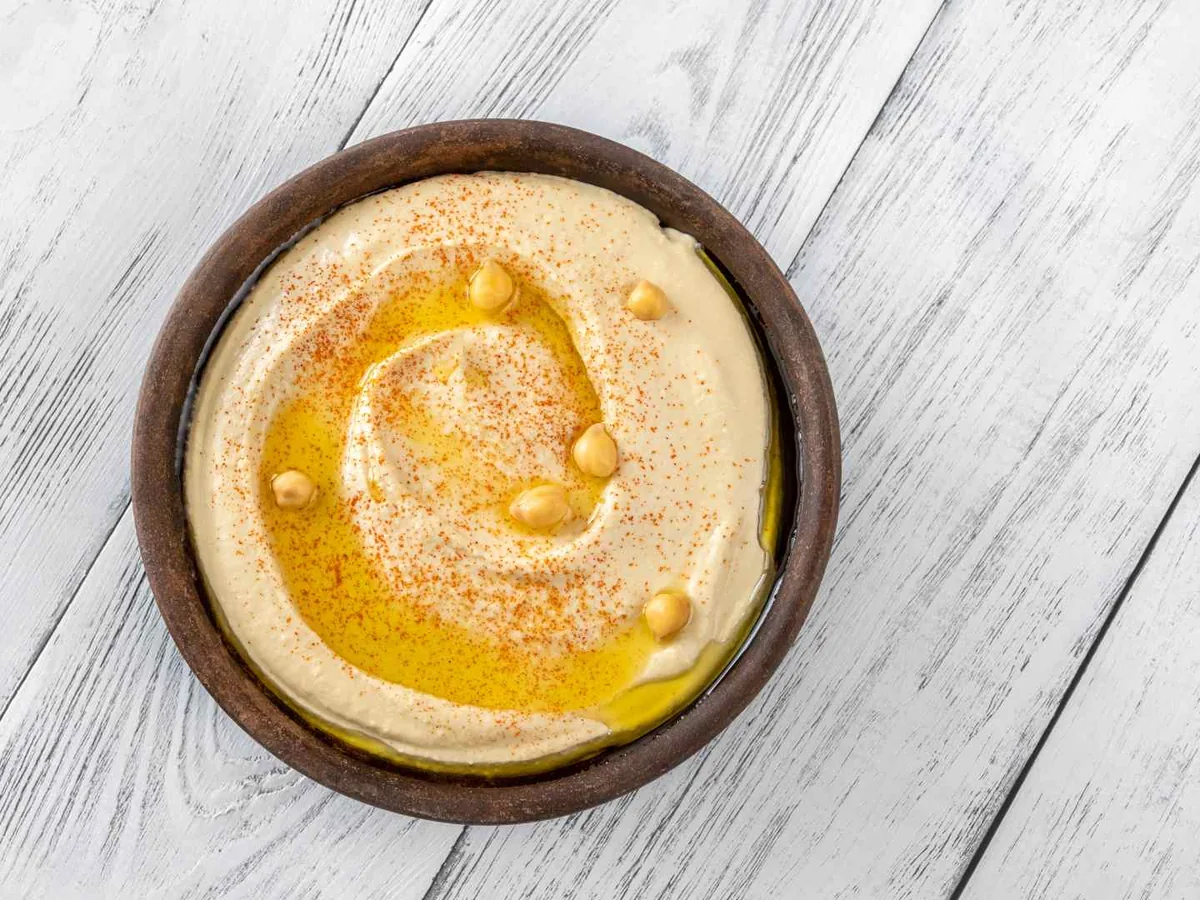
Classic hummus often combines cooked chickpeas, tahini, lemon juice, garlic, olive oil, salt, and water. Commercial and restaurant versions may add roasted pepper, onion, herbs, chili, pesto, beets, chocolate, preservatives, or toppings.
Save the label or ask for the recipe after a raid. Garlic amount, onion, serving size, time, maximum portion, and the cat’s weight matter more than whether the container says traditional.
| Ingredient | Feline issue | Practical priority |
|---|---|---|
| Garlic or onion | Oxidative red-blood-cell damage can be delayed | Call promptly after known ingestion. |
| Chickpeas | Fiber and carbohydrate can upset digestion | Not toxic in a tiny plain amount, but unnecessary. |
| Tahini | Sesame paste adds fat and calories | Review amount and other ingredients. |
| Lemon | Acid can irritate; zest or oil is more concentrated | Distinguish juice from peel and oil. |
| Salt | Brine and seasoning vary | Large servings or medical diets need advice. |
| Oil | Richness and fast calorie delivery | Expect possible vomiting or diarrhea after excess. |
| Toppings | Pine nuts, chili, herbs, meat, seeds | Assess each item and any skewer separately. |
Garlic is the ingredient that changes the urgency
Garlic belongs to the Allium group and contains compounds that can oxidatively injure feline hemoglobin and red-cell membranes. Damaged cells may be destroyed faster than the body can replace them, producing anemia.
The Merck Veterinary Manual identifies cats as particularly susceptible to Allium toxicosis. Raw, cooked, dehydrated, and granulated forms have all caused poisoning, so roasted-garlic hummus is not detoxified hummus.
Clinical anemia may not be obvious for several days. Poor appetite, vomiting, unusual tiredness, weakness, pale or yellow gums, rapid breathing, dark urine, fast heart rate, and collapse deserve urgent veterinary attention.
Our cat garlic guide explains delayed monitoring and why a visible-clove count can underestimate purée or powder. Call about known garlic before waiting for pale gums.
Onion can hide in flavored tubs
Caramelized-onion, everything-seasoning, ranch, buffalo, taco, and savory hummus can contain onion or onion powder. Proprietary flavors may make concentration hard to estimate.
The feline onion guide covers cooked onions, broth, powder, plants, and repeated exposures. Scraping a topping away cannot remove seasoning already blended through the spread.
Ask a restaurant or manufacturer for the complete formulation when “spices” is the only clue. Report the maximum serving eaten rather than inventing a garlic-free conclusion from color.
Plain chickpeas are not the reason to feed hummus
Cooked chickpeas are not recognized as a classic feline toxin, but cats are obligate carnivores and do not need a legume dip. Fiber and unfamiliar carbohydrate can produce gas, vomiting, diarrhea, abdominal discomfort, or appetite change.
Whole chickpeas also create a round choking shape. Mashed texture removes that particular form while allowing a cat to lap a larger volume quickly.
The finished spread is not nutritionally equivalent to a complete cat food. The FDA explains nutritional adequacy statements used on pet foods, and hummus makes no feline life-stage promise.
Tahini is concentrated sesame paste
Tahini contributes fat, calories, and a smooth texture that encourages rapid eating. A tiny accidental sesame taste may cause no illness, but a substantial amount can upset digestion.
Nut and seed allergies are possible in individuals, although vomiting after garlic hummus does not diagnose sesame allergy. Travel to emergency care if the face swells, breathing becomes noisy or difficult, or the cat suddenly collapses.
Do not use tahini or hummus to hide supplements, increase calories, or treat constipation without veterinary direction. The oil and fiber may complicate the very digestive problem someone hoped to solve.
Lemon juice, zest, and oil are different
A little lemon juice contributes acid and may cause drooling or stomach irritation. Zest contains peel material and more aromatic oil, while lemon essential oil is a concentrated product that does not belong on cats.
The ASPCA advises caution with concentrated essential oils around pets, especially direct ingestion and coat exposure. Prevent grooming after an oil spill and call with the product bottle.
Do not apply citrus oil to repel a cat from the hummus plate. Physical storage and a closed kitchen door solve the behavior without creating a second toxicology question.
Salt, canned chickpeas, and brine
Commercial hummus can receive sodium from chickpeas, added salt, seasoning, olives, cheese, and garnishes. A tiny lick is different from eating a tub, and one lick does not automatically equal salt poisoning.
Large amounts, concentrated seasoning, limited water, or sodium-sensitive disease warrants advice. Vomiting, marked thirst, weakness, tremors, incoordination, seizures, or abnormal behavior after salty food needs rapid care.
Offer ordinary fresh water but never force it. Cats with kidney, heart, urinary, or blood-pressure conditions may have individualized limits that a reduced-sodium front label cannot overrule.
Spicy and specialty hummus
Jalapeño, harissa, buffalo, chili-crisp, curry, and chipotle varieties can irritate the mouth, eyes, and gastrointestinal tract. A cat may drool, paw at the face, cough, vomit, or develop diarrhea.
Move the cat away from powder and prevent grooming of a heavily coated paw. Eye pain, breathing changes, persistent drooling, or repeated vomiting deserves prompt attention.
Chocolate dessert hummus may contain cocoa, sugar, vanilla, nut butter, or sweeteners. Use the cat chocolate guide to organize cocoa type and amount, then report the whole recipe.
Thick spread, dippers, and party hardware
Hummus can cling to the palate, teeth, fur, and wrappers. A dense spoonful or bread-and-dip wad may be swallowed badly by a cat who raids and runs.
Gagging, repeated swallowing, drooling, regurgitation, coughing, or mouth-pawing needs veterinary advice. Airway trouble, abnormal gum color, or collapse is an emergency.
Pita chips, crackers, carrots, celery, kebabs, and pretzels add salt, hard shapes, stringy fiber, toothpicks, and wrappers. Count skewers and picks before assuming the spread is the entire exposure.
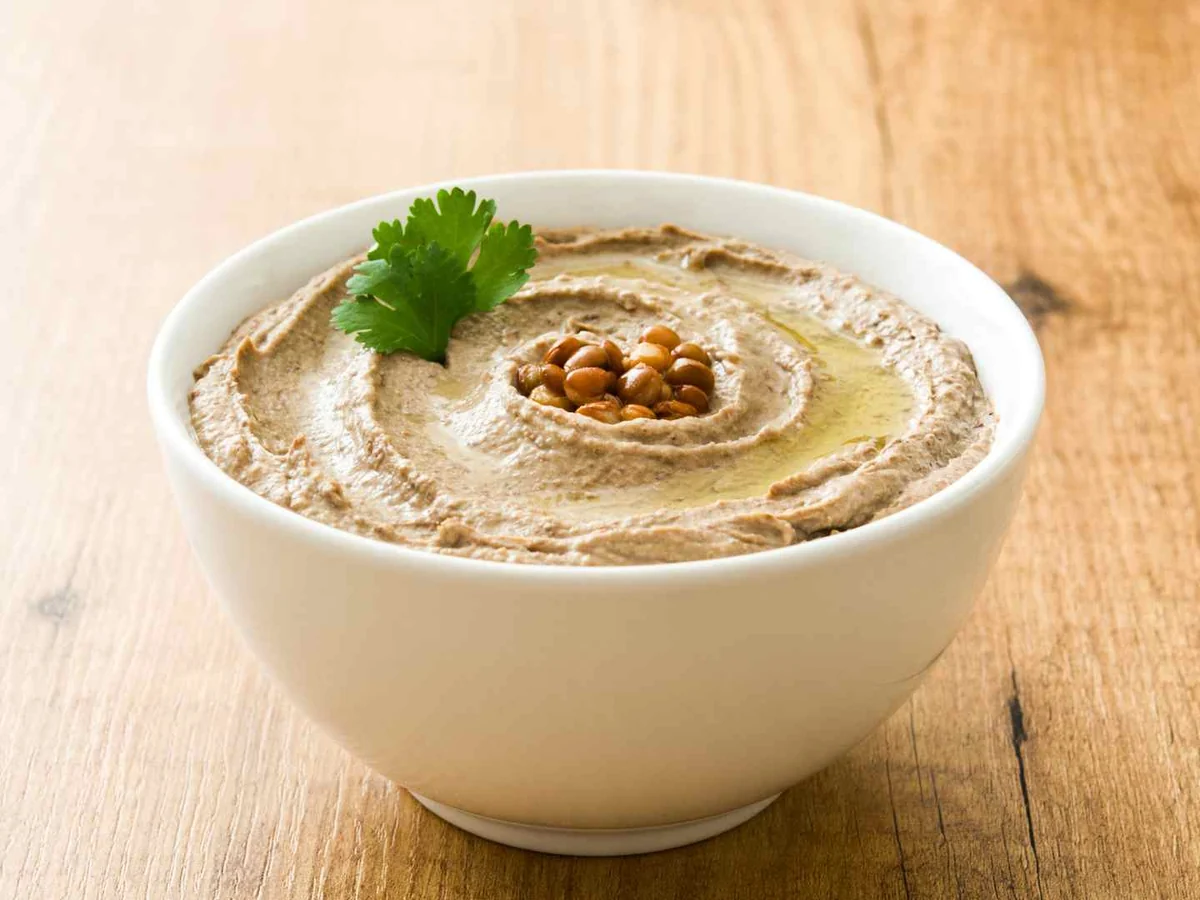
Homemade hummus has preparation history
Home recipes may begin with dry chickpeas that need safe soaking and cooking, or canned chickpeas with a sharp lid. Raw garlic, salt added by eye, and unlabeled seasoning make dose estimation harder.
Refrigerate prepared hummus promptly and discard moldy, fermented, leaking, or oddly smelling leftovers. Do not scoop around a spoiled spot for the cat.
The FDA recommends keeping refrigerators at or below 40°F and refrigerating perishables promptly. Use clean utensils instead of letting pets lick from a tub returned to the fridge.
Tubs, foil seals, and blades
Plastic lids, foil freshness seals, labels, single-serve cup film, and broken container edges can be swallowed. Food-processor blades and knives are a separate kitchen emergency.
Missing plastic plus persistent vomiting, belly pain, refusal to eat, low stool output, straining, or unusual exhaustion calls for veterinary assessment. Never induce vomiting after a sharp object may be involved.
A calm response after the dip vanishes
- Save the recipe: identify garlic, onion, salt, lemon, tahini, oil, spice, chocolate, and toppings.
- Measure the amount: distinguish one lick from a missing portion cup or hours with an open tub.
- Count objects: locate seals, lids, skewers, toothpicks, chips, knives, glass, and plastic.
- Call promptly: seek advice for known Alliums, a substantial amount, severe spice, foreign objects, or symptoms.
- Track delay: follow instructions for appetite, energy, breathing, gum color, urine, and any scheduled blood testing.
Cats who should skip even garlic-free versions
Kittens need complete growth food and have little stomach space for legume spread. Seniors and cats with anemia, kidney disease, heart disease, diabetes, chronic digestive illness, or prescription diets have no reason to test a rich unfamiliar recipe.
A formal elimination diet requires strict ingredient control, and hummus can introduce sesame, chickpea, lemon, oil, spice, and several hidden proteins. One party lick can make weeks of careful feeding harder to interpret.
If hummus is being considered because a sick cat refuses food, call the clinic instead. Appetite loss can signal serious illness, and escalating from dip to dip may delay diagnosis while providing incomplete nutrition.
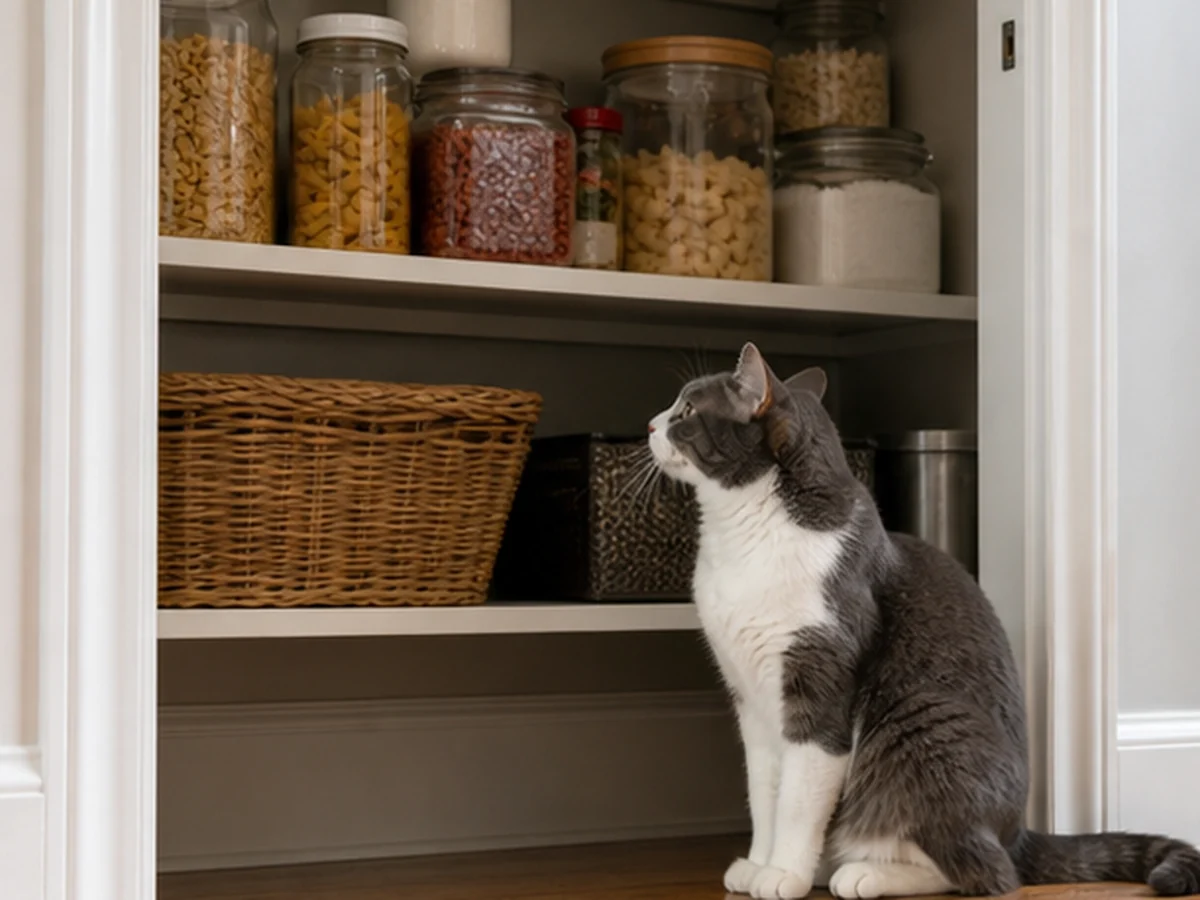
Preventing repeat counter raids
Serve dips in a room where the cat cannot patrol the table, and put used cups and pita directly into a lidded bin. A serving spoon left across a bowl creates both a bridge and an invitation.
Offer part of the measured meal in a puzzle feeder before guests arrive. The cat gets an approved project, while everyone else can enjoy hummus without negotiating garlic exposure between bites.
Frequently asked questions
My cat licked hummus. Will they be okay?
A trace may cause no illness, but check the recipe for garlic and onion and call when either is present. Amount, concentration, cat weight, repeated access, and current signs shape the plan.
Can cats eat garlic-free hummus?
It still offers no useful feline nutrition and may contain onion, tahini, lemon, salt, oil, or spice. A tiny plain accidental lick may be low risk after a complete label review.
Is tahini toxic to cats?
A tiny sesame-paste taste is not generally treated as a classic poison, but tahini is fatty, calorie-dense, and unnecessary. Mixed ingredients and individual reactions remain important.
Can cats eat plain chickpeas?
A tiny soft cooked plain piece may be tolerated, but whole chickpeas can choke and larger amounts can upset digestion. Complete feline food is the better treat source.
Bottom line
Hummus is built for human dipping, and garlic alone gives cats a solid reason to decline. Read every flavored tub, respect delayed Allium injury, count the party hardware, and use a measured feline treat when a hopeful nose appears beside the pita.