Can Cats Eat Guava? Flesh, Rind, Seeds, and Products
A thumbnail-sized piece of ripe, peeled guava flesh is generally low risk for a healthy adult cat, but it is optional rather than useful. Tough rind, hard seed clusters, large chunks, spoiled fruit, sweetened products, supplements, and packaging deserve separate attention.
The answer in one glance
If your cat sampled one soft cube with no rind, seed mass, seasoning, or packaging, remove the fruit and monitor. Keep normal water and regular measured meals available.
Call promptly if a long rind strip, skewer, plastic film, supplement, moldy fruit, or a large amount is missing. Breathing trouble, repeated vomiting, marked weakness, a painful belly, tremors, seizures, or collapse needs urgent veterinary care.
Save the label or recipe and note the time, amount, and cat’s weight. Do not induce vomiting or give oil, salt, milk, or hydrogen peroxide.
Ripe flesh is the least complicated form
Soft ripe guava flesh is not recognized as a feline toxin. It provides water, carbohydrate, and fiber, but none of that turns it into a necessary addition to a meat-centered feline diet.
If a veterinarian has no objection to produce treats, one tiny peeled and mostly seed-free piece is plenty. Flatten it rather than offering a slippery cube that can shoot toward the throat.
The Cornell Feline Health Center explains that cats need complete, balanced food and that treats should remain occasional. A tropical-fruit reputation cannot replace taurine, animal protein, fatty acids, vitamins, and minerals in the correct proportions.
Human health claims stop at the cat bowl
Guava is promoted to people for vitamin C, antioxidants, and fiber. Cats synthesize vitamin C and have nutritional requirements that differ sharply from ours, so those marketing points do not establish a feline benefit.
Do not use guava to treat constipation, urinary disease, immune problems, diabetes, or poor appetite. A cat with recurring symptoms needs a diagnosis, not a fruit-based experiment.
Extra fiber can change stool in either direction, especially in a cat with gastrointestinal disease. If your veterinarian wants added fiber, use the type and amount selected for that individual.
Rind is tougher than it looks
People can eat guava skin, but human edibility is not the same as cat-friendly texture. The rind is firmer and more fibrous than the center, and a curved strip can be swallowed with surprisingly little chewing.
Peel the fruit completely before any optional taste and discard the peel in covered trash. Call if your cat gulped a long strip or later develops repeated vomiting, appetite loss, lethargy, or abdominal discomfort.
The Merck Veterinary Manual describes vomiting, loss of appetite, lethargy, pain, and shock among possible obstruction findings. Never pull plant material protruding from the mouth or anus because internal tissue may be involved.
Seeds are a texture problem, not a proven poison
Guava contains many firm edible seeds. There is no good evidence that one guava seed poisons cats, but a dense seed cluster makes a bite hard, irregular, and more difficult to swallow.
Scoop out the seed-heavy center or press a tiny bit of pulp through a clean sieve. This is conservative preparation, not a claim that every seed will cause an obstruction.
A cat that swallowed a seed-speckled smear and remains normal usually needs observation, while gagging, coughing, repeated vomiting, or a large swallowed mass deserves a call. Describe the actual form rather than simply saying fruit.
Whole fruit and wedges are not toys
A whole guava can roll like a ball, which may encourage batting and biting. Once teeth break the skin, the cat may tear off a rind-and-flesh chunk much larger than the cautious taste discussed here.
Store whole fruit in a refrigerator drawer or closed container. Do not hand over a wedge for a funny video, since the most enthusiastic chewers are rarely the most careful swallowers.
If a piece lodges and the cat cannot move air, treat it as an emergency. Avoid blind finger sweeps that can push an object farther back.
Wash before the knife goes in
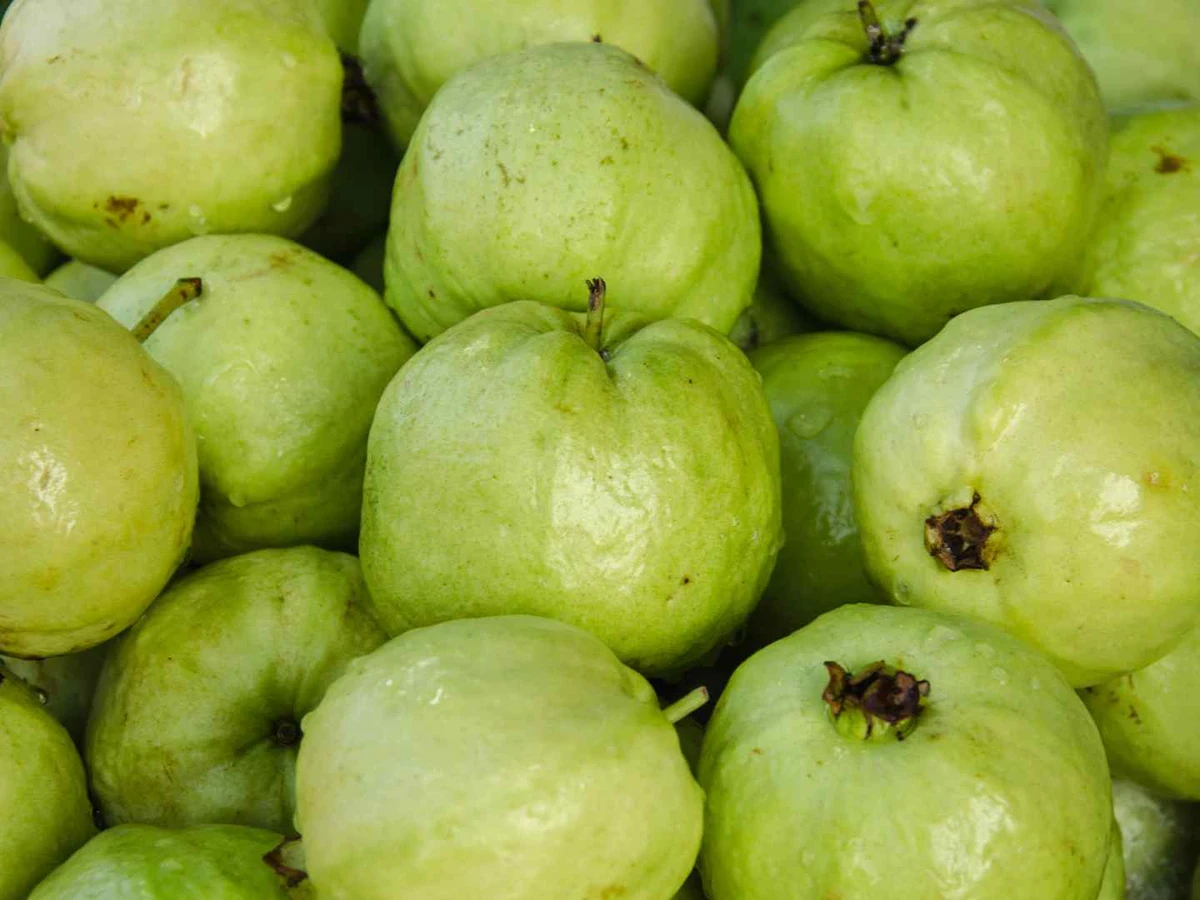
Microbes and dirt on the rind can move into the flesh during cutting even when nobody plans to eat the skin. The FDA’s produce-safety advice recommends clean hands, running water, clean utensils, and separation from raw animal products.
Wash intact guava under running water without soap, then dry it with a clean towel. Discard fruit that sat in raw meat juices or was cut on a contaminated board.
Pesticide exposure is a different question from fruit feeding. If a cat contacts a garden chemical, save the product label and call about that exact substance.
Pink, white, and yellow guava
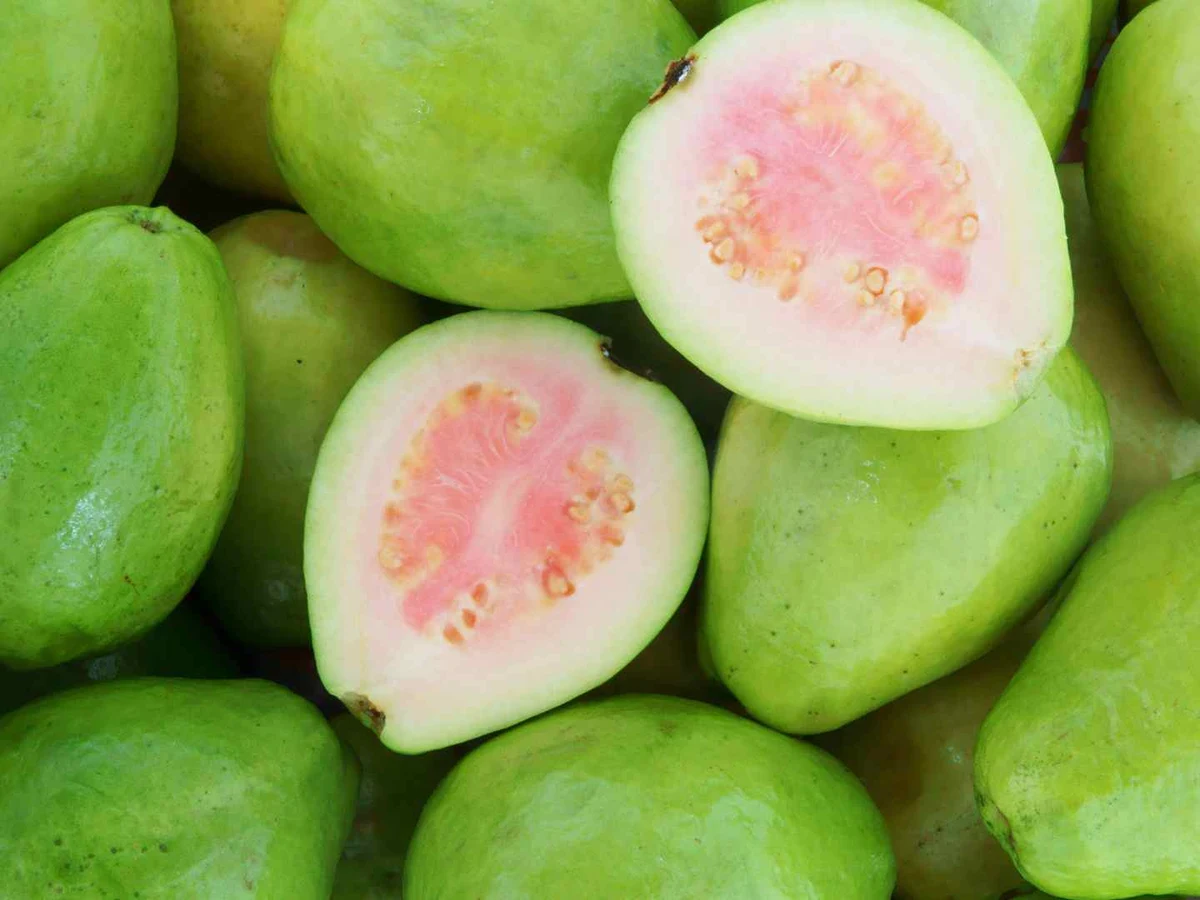
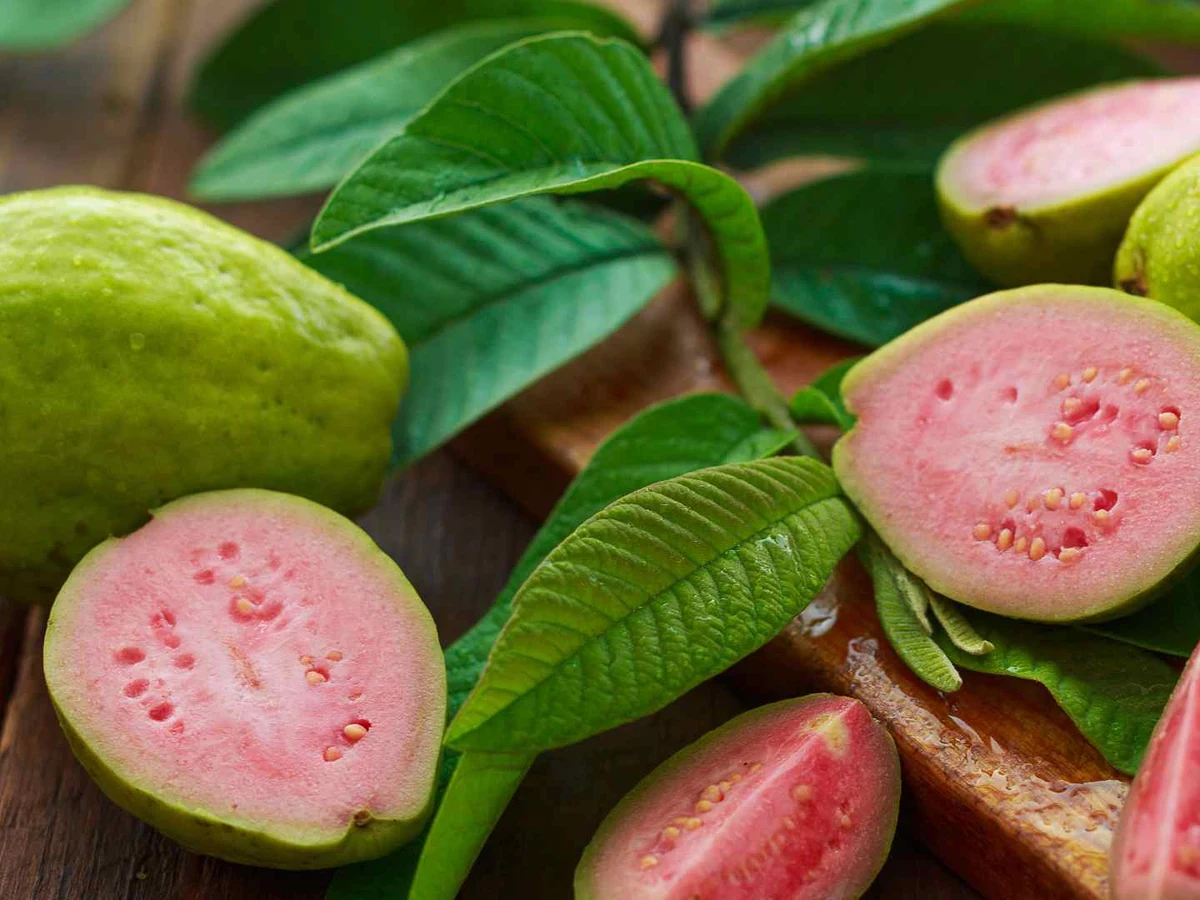
Pulp color reflects variety and ripeness, not a feline safety ranking. Judge the piece by softness, freshness, preparation, and added ingredients rather than by whether the center looks pink or cream.
Unripe fruit is firmer and more astringent, so it is a poor choice even for an optional taste. Overripe fruit that smells fermented, leaks, feels slimy, or shows mold belongs in secure trash.
Moldy food can cause much more than a soft stool. Tremors, poor coordination, feverish behavior, seizures, or profound weakness after spoiled food require urgent veterinary evaluation.
Guava paste is candy wearing fruit credentials
Guava paste concentrates fruit with substantial sugar and may include color, preservative, spice, or other sweeteners. Its sticky density makes it especially unsuitable for a cat with diabetes, dental disease, obesity, or swallowing trouble.
One small lick of ordinary paste is unlikely to create serious toxicity, but a swallowed slab can choke and a large amount may cause digestive upset. Check the ingredient panel rather than relying on the fruit picture.
The FDA Nutrition Facts guide helps put serving size, sugar, and ingredients in context. A human serving can represent several days’ worth of inappropriate extras for a small cat.
Juice, nectar, and agua fresca
Guava juice and nectar may contain added sugar, other fruit concentrates, flavor, color, or preservatives. They are not useful hydration tools, and cats should have fresh water rather than a sweet drink.
A few licks of plain juice generally call for monitoring, but mixed beverages need the full recipe. Alcohol, caffeine, cannabis, medication, and concentrated supplements can turn a fruit drink into an urgent exposure.
Do not force water after a sweet drink or withhold normal food all day. Call if vomiting repeats, the cat becomes weak, or normal meals are refused.
Jam and jelly may contain a second fruit
Guava jam can use grape juice, apple juice, citrus, spices, or specialty sweeteners. That makes the jar an ingredient-list question rather than a simple extension of ripe guava flesh.
If grape or raisin ingredients appear, the cat grape guide explains the limited feline evidence without importing a dog toxic dose. Call for product-specific advice instead of declaring the spread safe or lethal from one word.
Sticky preserves also cling to fur and paws. Wipe a surface smear with a damp cloth before grooming spreads it, and contact a clinic if the product reached the eyes or mouth in quantity.
Dried guava changes proportion and texture
Drying removes water, concentrates sugar per bite, and produces a chewy strip that may fold into the throat. Commercial pieces can also be candied, sulfited, chili-coated, or packed with a desiccant sachet.
Do not offer dried guava to cats. If one tiny plain fragment was eaten, monitor, but call after a long strip, spicy coating, repeated vomiting, coughing, or missing package material.
For a comparison of dense dried-fruit concerns, the cat dried mango guide covers chewiness, added sugar, sulfites, and bags. The same physical themes can matter even though the fruits are not identical.
Smoothies and bowls are ingredient crowds
A smoothie may add yogurt, plant milk, protein powder, honey, chocolate, caffeine, botanical supplements, or an unusual sweetener. A bowl can include grapes, raisins, granola, nuts, and sharp decorative picks.
Photograph the recipe while it is available and list everything the cat could reach. The guava may be the least interesting toxicology detail in the cup.
The cat apple guide is useful if apple pieces or juice are present, but mixed-food triage still requires the full bowl. One familiar ingredient should never hide a more urgent one.
Extracts, powders, and gummies are not fruit
Guava-leaf tea, concentrated extract, capsules, powders, and wellness gummies deliver different plant parts or doses. Their human label does not establish a safe amount for cats.
Call after a swallowed supplement and report every active ingredient, strength, serving size, and missing count. Do not calculate a feline dose by shrinking the adult human serving according to body weight.
Leaves, bark, and garden debris fall outside advice for ripe grocery-store flesh. Photograph the plant and identify fertilizer, pesticide, or mulch exposures before calling.
Cats who should skip guava
Kittens, cats with dental or swallowing trouble, and cats with diabetes, obesity, chronic gastrointestinal disease, or a prescription diet should not receive guava. The fruit adds variables without solving a nutritional problem.
A cat in an elimination diet must receive only approved foods, treats, flavored medicines, and supplements. Even a harmless-looking fruit cube can make the trial harder to interpret.
If a cat is eating poorly, do not start rotating fruit to tempt appetite. Feline food refusal deserves timely veterinary attention because prolonged under-eating can become dangerous.
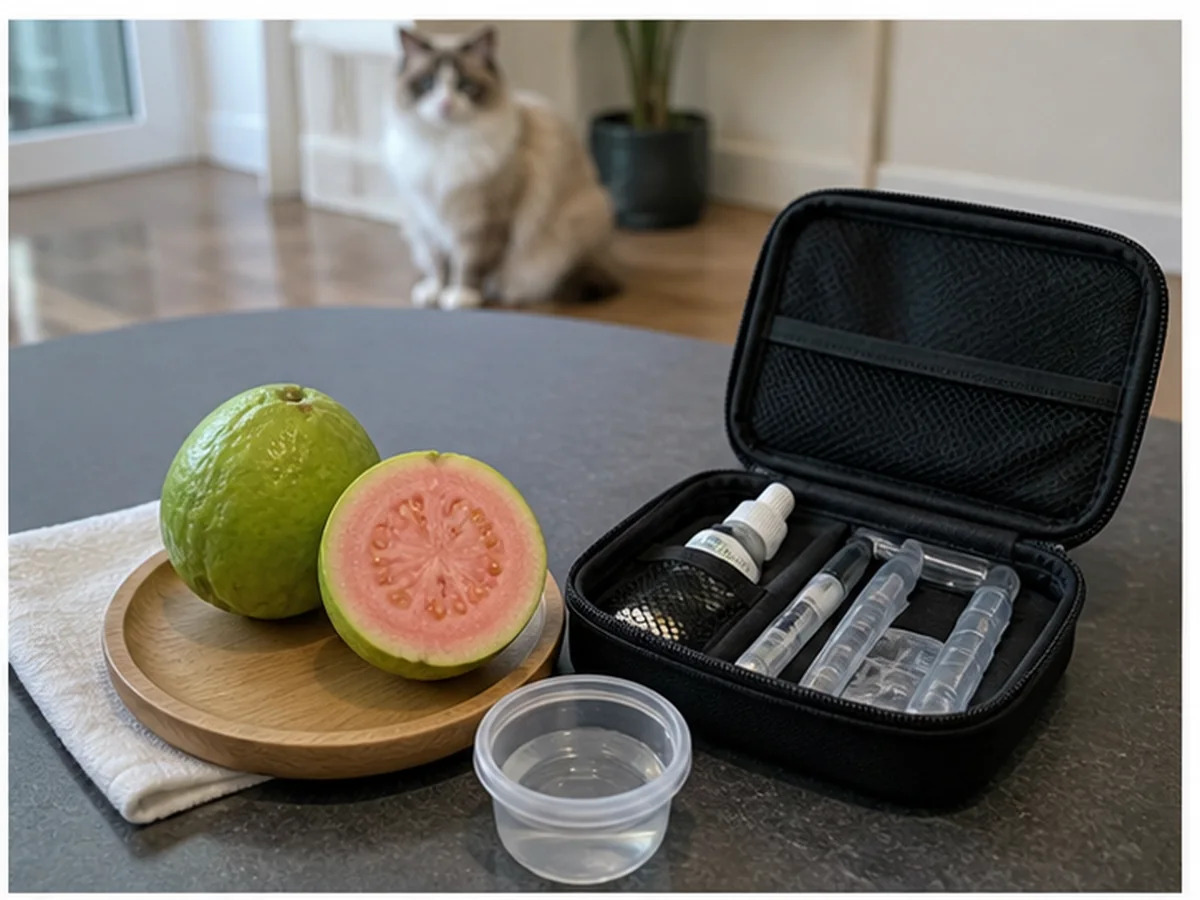
A sensible monitoring plan
For one known peeled, soft, mostly seed-free bite, observe appetite, energy, vomiting, stool, swallowing, and litter-box habits. Keep usual water and meals available unless a veterinarian directs otherwise.
Move from monitoring to a call if signs repeat, worsen, or include pain, dehydration, lethargy, or refusal to eat. A normal first hour does not erase a known foreign-object exposure.
Store cut fruit covered, move rind and seed pulp straight into lidded trash, and account for toothpicks and plastic wrap. A puzzle feeder containing part of the cat’s daily ration can make fruit preparation much less fascinating.
FAQ
Can cats eat ripe guava flesh?
One tiny, soft, peeled, mostly seed-free piece is generally low risk for a healthy cat. It is unnecessary and should not displace complete food.
Are guava seeds toxic to cats?
They are not established feline poisons, but dense clusters are hard and awkward to swallow. Remove them rather than testing how efficiently a cat can chew fruit.
What if my cat ate guava rind?
Call about a large strip or any choking, repeated vomiting, abdominal pain, appetite loss, or lethargy. Rind is mainly a physical and digestive concern.
Can cats drink guava juice?
Do not offer it for hydration because juice may contain added sugar and other ingredients. A few plain licks are usually low risk, while mixed drinks require label review.
Bottom line
A tiny peeled piece of ripe guava flesh is generally low risk, but cats do not need it. Rind, seed clusters, large chunks, spoilage, sweetened products, supplements, and packaging determine whether the theft stays uneventful.