Can Cats Eat Oregano? Culinary Herb, Oil, Extract, and Seasoned Foods
Do not deliberately feed oregano to cats. A tiny culinary-herb nibble may cause only mild digestive upset, but a larger amount, concentrated oregano oil or extract, diffuser liquid, supplements, seasoned food, garden chemicals, cleaners, and packaging require different responses.
Start by identifying the oregano form
Fresh leaf, dried flakes, powdered blend, oil, extract, capsule, diffuser, cleaner, and pizza topping are not interchangeable. Save the plant tag, bottle, concentration, carrier, ingredient list, amount, time, and current signs.
Call promptly for concentrated oil or extract, significant plant ingestion, breathing or neurologic signs, a supplement, cleaner, or unknown product. Do not induce vomiting.
Culinary oregano can irritate the gut
The ASPCA lists oregano as toxic to cats, with gastrointestinal irritants and mild vomiting or diarrhea. That supports keeping it off the menu without claiming one tiny flake guarantees severe poisoning.
Monitor an identified tiny leaf exposure if advised, but call for repeated vomiting, diarrhea, abdominal pain, lethargy, or poor appetite. Cats do not need oregano for nutrition, antioxidants, immunity, or digestion.
Essential oil is a concentrated exposure
Oregano oil contains concentrated volatile compounds and can be absorbed through the mouth, skin, lungs, and mucous membranes. Cats groom contaminated fur, extending exposure after a spill.
The Merck essential-oil review explains that cats are particularly at risk and higher concentration raises danger. Never apply oregano oil to a cat.
Diffusers add respiratory and coat contact
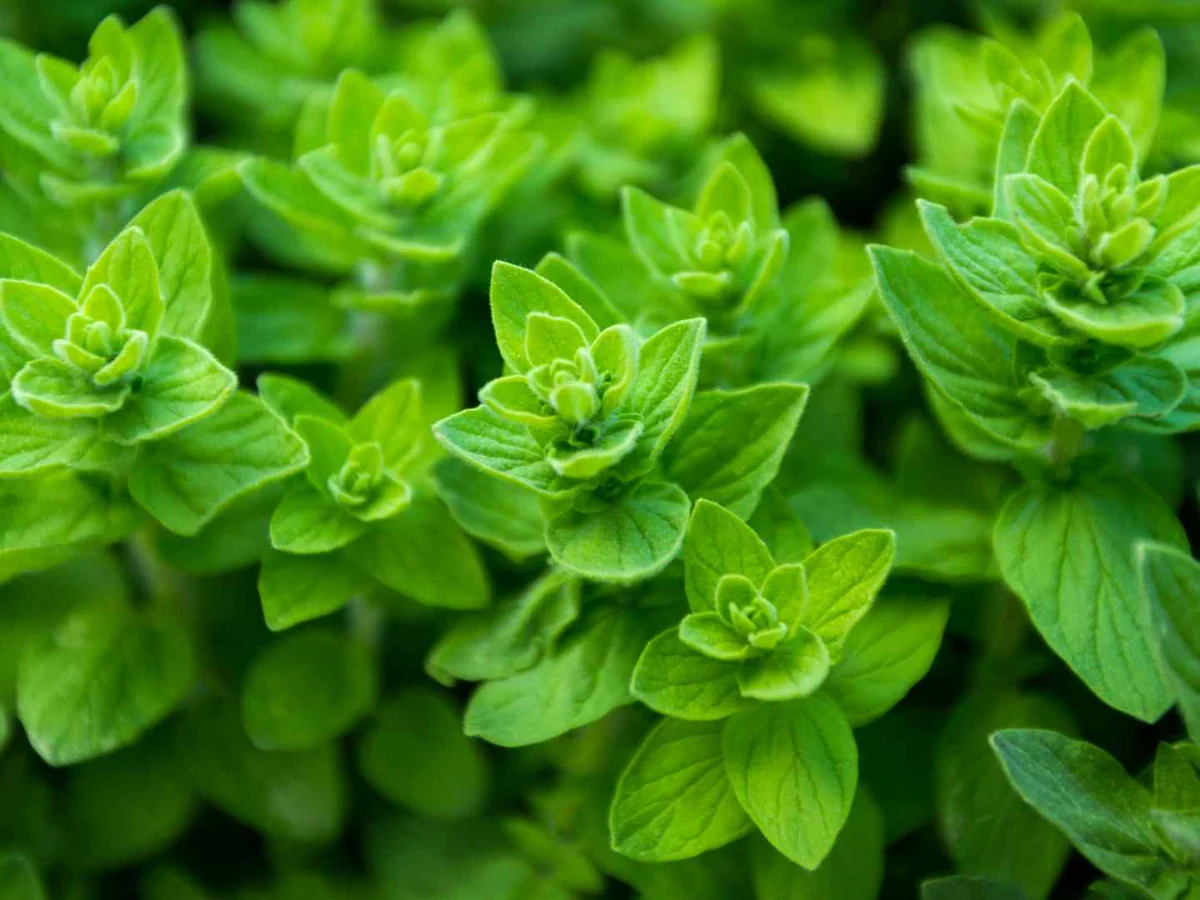
Active diffusers release microdroplets that may settle on fur, while passive devices still create inhalation irritation and spill risk. Cats with asthma or chronic airway disease need especially careful separation.
Turn off the device, move the cat to fresh air, and call with the product. Emergency signs include open-mouth breathing, blue-gray gums, collapse, tremors, and seizures.
Extracts and tinctures need the carrier label
Liquid products may combine oregano constituents with alcohol, glycerin, oil, or proprietary botanicals. “Natural,” “food grade,” and “therapeutic” do not establish feline safety or a dose.
Do not use oregano extract for infections, parasites, respiratory disease, or appetite without veterinary direction. Save the bottle and report weakness, wobbliness, vomiting, unusual sleepiness, or breathing change.
Supplements are not culinary seasoning
Capsules, softgels, drops, and powders can deliver concentrated oregano plus other herbs, vitamins, minerals, or sweeteners. Human directions and dog products cannot be scaled into a feline plan.
The FDA explains complete pet-food labeling, which a human herb supplement does not carry. Ask the veterinarian before adding any botanical product.
Pizza and pasta make oregano a recipe clue
Oregano often travels with onion, garlic, cheese, cured meat, tomato sauce, salt, chile, and oily crust. A visible green flake may be less important than Allium powder mixed through the dish.
Use the pizza guide and garlic guide to inventory the whole food. Save restaurant ingredients and missing wrappers.
Herb blends hide multiple plants
Italian seasoning, za’atar, poultry blends, and marinades can contain thyme, rosemary, basil, marjoram, sesame, salt, onion, garlic, and chile. The blend name does not reveal proportions.
Powder can irritate eyes and airways or coat paws for grooming. Move the cat away before damp cleanup and call for persistent cough, wheeze, eye pain, or respiratory distress.
Garden oregano includes environmental hazards
Soil, fertilizer, pesticide, slug bait, compost, netting, stakes, and plant ties accompany outdoor herbs. Identify every applied product and photograph the plant after chewing.
A grocery-leaf answer cannot clear a chemically treated bed. Call for missing ties, chemical exposure, vomiting, weakness, tremors, or unusual behavior.
Cleaners and flea products require exact labels
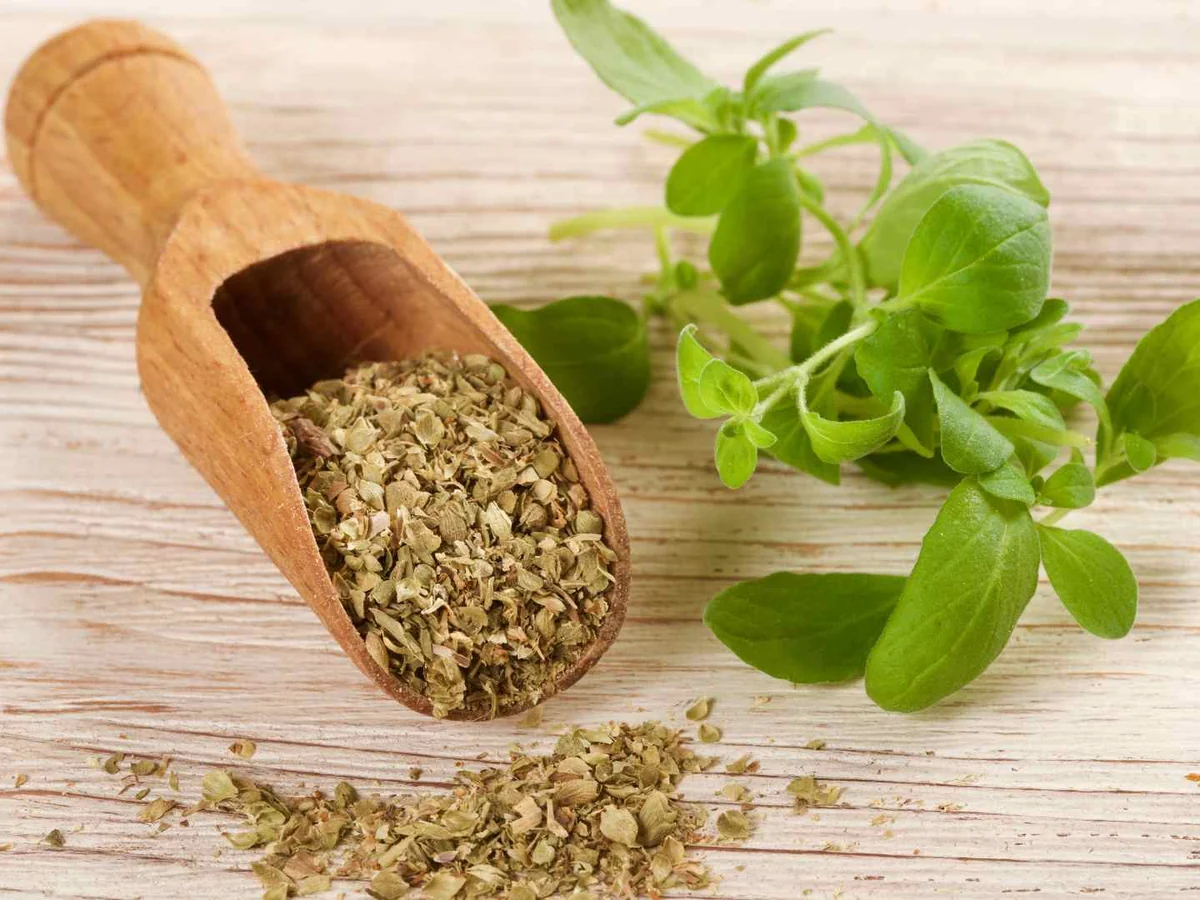
Oregano scent or oil may appear in soaps, sprays, wipes, and “natural” pest products alongside detergents or other oils. Product purpose does not prove suitability for cats.
Prevent grooming, ventilate, and ask for decontamination directions. Do not use solvents, dish soap, or another oil blindly on contaminated fur.
Storage prevents repeat exposures
Keep herb jars, supplements, and oil bottles behind closed doors, and discard stems into a lidded bin. Glass spice jars add cuts and invisible shards when knocked from a shelf.
Check paws before cleaning broken glass and never induce vomiting after a possible shard. Account for caps, droppers, foil seals, and desiccant packets.
A practical oregano response
- Identify leaf, flake, blend, oil, extract, supplement, food, plant, or cleaner.
- Record species, concentration, carrier, amount, time, route, medical history, and symptoms.
- Move from fumes and prevent grooming without applying a home antidote.
- Call urgently for oils, extracts, supplements, severe signs, cleaners, or unknown products.
- After a tiny leaf nibble, monitor appetite, vomiting, stool, energy, breathing, and coordination.
Do not force milk, food, or water and do not provoke vomiting. A veterinarian or poison service can match the response to the product and route.
Oregano baked into food still needs recipe context
A trace in fully cooked bread or meat is less concentrated than oil, but the dish may include onion, garlic, butter, cheese, salt, wine, or chile. Estimate the whole portion and preserve the recipe rather than counting visible flakes.
For onion-seasoned foods, use the onion guide and remember red-cell injury can be delayed. Removing the crust or surface seasoning cannot remove absorbed cooking liquid.
Restaurant cooks may use fresh oregano, dried herb, infused oil, or a premixed seasoning. Ask which product was used and whether the animal reached garnish, sauce, or a pooled oil.
Infused cooking oil is not plain herb
Oregano-infused olive oil can contain flavor compounds at an unknown concentration and may be preserved with garlic or chile. A small culinary residue differs from drinking oil or chewing a bottle cap.
Large oil exposures can cause digestive upset and deliver significant calories, particularly to cats with previous pancreatic or gastrointestinal problems. Call for persistent vomiting, abdominal discomfort, lethargy, or poor appetite without declaring the diagnosis at home.
Homemade herb oils can also present human food-safety storage questions, especially when fresh garlic or herbs are submerged. Follow validated refrigeration guidance and discard questionable batches rather than serving them to pets.
Oral pain can masquerade as herb aversion
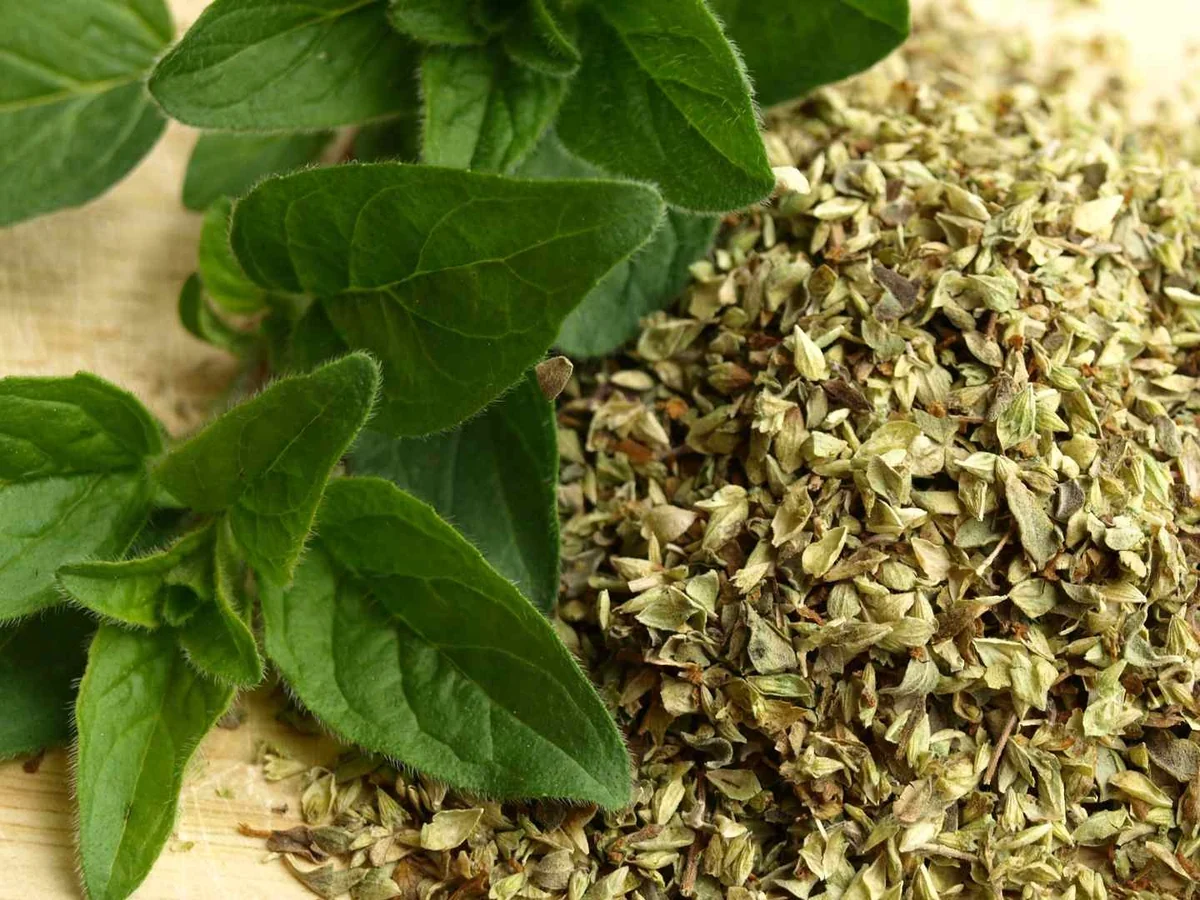
A cat that approaches seasoned meat, then drops it, chews on one side, or paws the mouth may have dental disease rather than dislike oregano. Bad breath, drooling, face sensitivity, and preference for soft food deserve an oral examination.
Do not keep tempting a painful cat with richer seasoned dishes. Track normal intake and call promptly when eating falls, because cats can develop serious complications during prolonged inadequate intake.
If the veterinarian approves a food lure, use the specified product and amount. Culinary oregano should not become the price of getting calories into an ill cat.
A written handoff prevents missed delayed signs
- List product, concentration, carrier, amount, route, time, and cat weight.
- Record vomiting, stool, appetite, breathing, coordination, urine, and energy.
- Give the same note to every household member and pet sitter.
- Keep the labeled bottle until veterinary monitoring ends.
Essential-oil signs can begin within minutes to hours, while digestive upset from plant material may remain mild. Follow the case-specific observation window rather than checking once and discarding the label.
If symptoms worsen, make a new call even after earlier reassurance. Changing breathing, coordination, alertness, or appetite changes the patient and may change the plan.
Dried oregano can become stale or moldy after moisture enters the jar, while fresh herbs wilt and spoil in the refrigerator. Follow storage directions, discard suspicious product, and do not use the cat as a reason to salvage an old bunch.
A broken shaker insert can release far more herb than expected and leave hard plastic among the flakes. Photograph the spill, count every jar component, and inspect the cat’s paws and mouth without forcing them open.
Cats with chronic liver disease, kidney disease, asthma, gastrointestinal illness, or multiple medications need especially prompt product-specific advice after concentrated exposure. Tell the clinician every diagnosis and supplement because interactions and reduced physiologic reserve change triage.
Do not stop prescribed medicine because an herbal website mentions an interaction. Bring the drug list and oregano product to the veterinarian, who can assess the real formulation and patient.
A cat that repeatedly chews herb pots may be seeking stimulation, experiencing nausea, or showing pica. Track appetite, weight, vomiting, stool, and non-food chewing, then arrange an examination if the pattern persists.
Use safe toys, vertical space, and puzzle feeding with the normal ration instead of building an edible windowsill garden. Enrichment works better when it does not require botanical triage afterward.
If several pets accessed a spill, report each animal separately by species, weight, amount, and signs. A dog product label or tolerance does not provide a feline dose.
Keep emergency numbers beside the herb and oil storage area. Fast access to the exact bottle and professional advice matters more than searching for an online dilution recipe.
Fresh oregano sold in clamshells can include absorbent pads, labels, film, and sharp broken stems. Count the packaging after a refrigerator raid and call for a missing object, repeated vomiting, abdominal pain, reduced stool, or food refusal.
If the cat only brushed against an intact herb pot, ordinary observation is enough unless chemicals or chewing are involved. Avoid turning harmless proximity into a frightening diagnosis while still securing the plant.
Frequently asked questions
Can cats eat dried oregano?
Do not offer it. A tiny accidental flake may cause no sign, but larger amounts and blends can irritate or contain unsafe seasonings.
Is oregano oil safe for cats?
No concentrated oregano oil should be applied or given without veterinary direction. Call after ingestion, coat contact, or a diffuser spill.
Can oregano treat parasites in cats?
Skip home oregano treatment. Parasites require diagnosis and an appropriately prescribed feline medication plan.
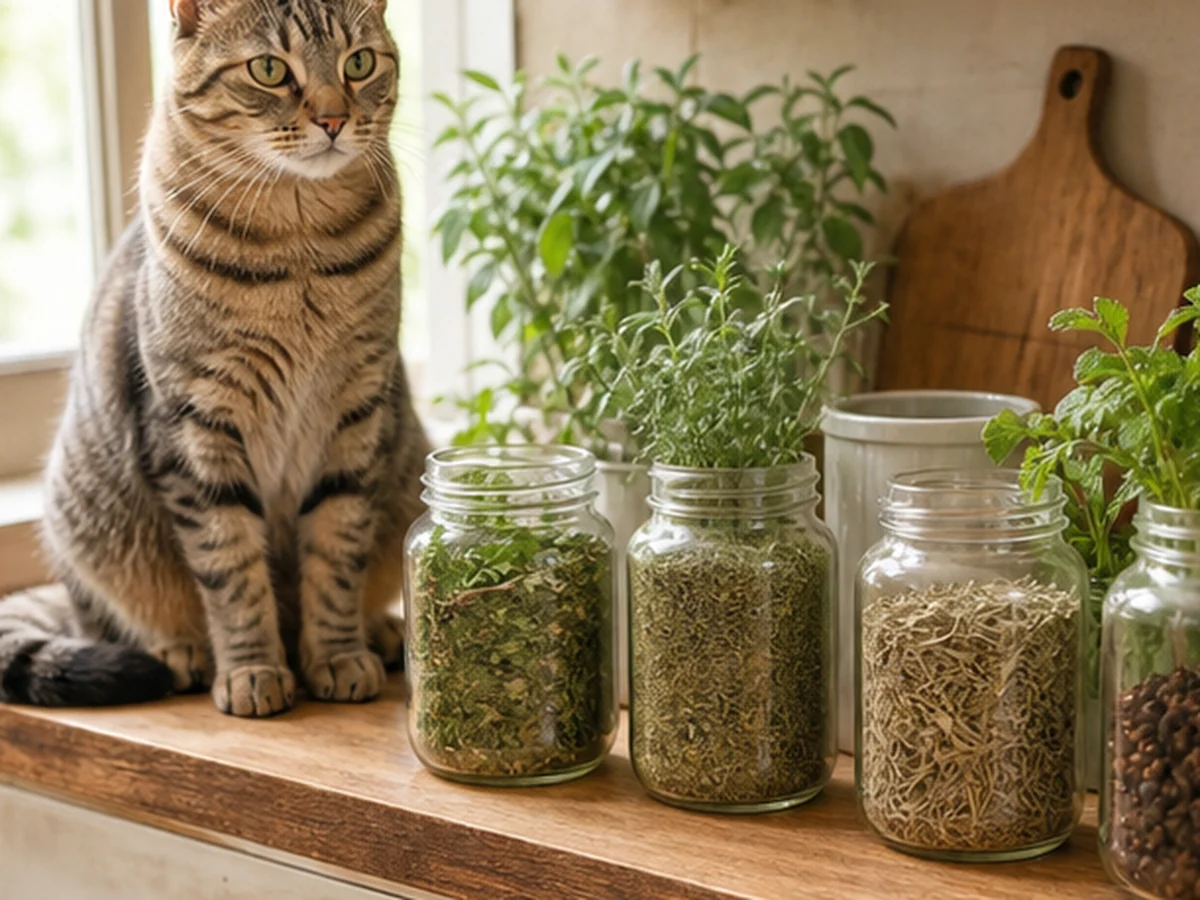
The herb-shelf verdict
Oregano leaf, oil, extract, supplement, diffuser, and seasoned dinner are separate exposures. Keep culinary herbs optional and away, treat concentrated forms seriously, preserve labels, prevent grooming, and let veterinary care replace online botanical dosing.