Can Cats Eat Raw Carrots? Hard Pieces, Choking, Dips, and Nutrition Myths
Raw carrots are not a sensible cat treat. Hard coins, dense baby carrots, sharp broken ends, peel ribbons, choking, tooth injury, produce contamination, dips, juice, garden chemicals, bags, and human vitamin claims matter, while one tiny shaving is different from swallowing a chunk.
A carrot is harder than it looks
Raw carrot resists feline teeth and can break into irregular pieces. A round coin is especially easy to gulp and awkward to retrieve.
Gagging, repeated swallowing, drooling, regurgitation, coughing, or breathing trouble needs immediate attention. A swallowed chunk can later cause vomiting, pain, appetite loss, or reduced stool.
The complete cat carrot guide compares raw, cooked, baby food, juice, tops, frozen products, and recipes. Raw firmness deserves its own warning.
Cooked and mashed is the lower-risk texture
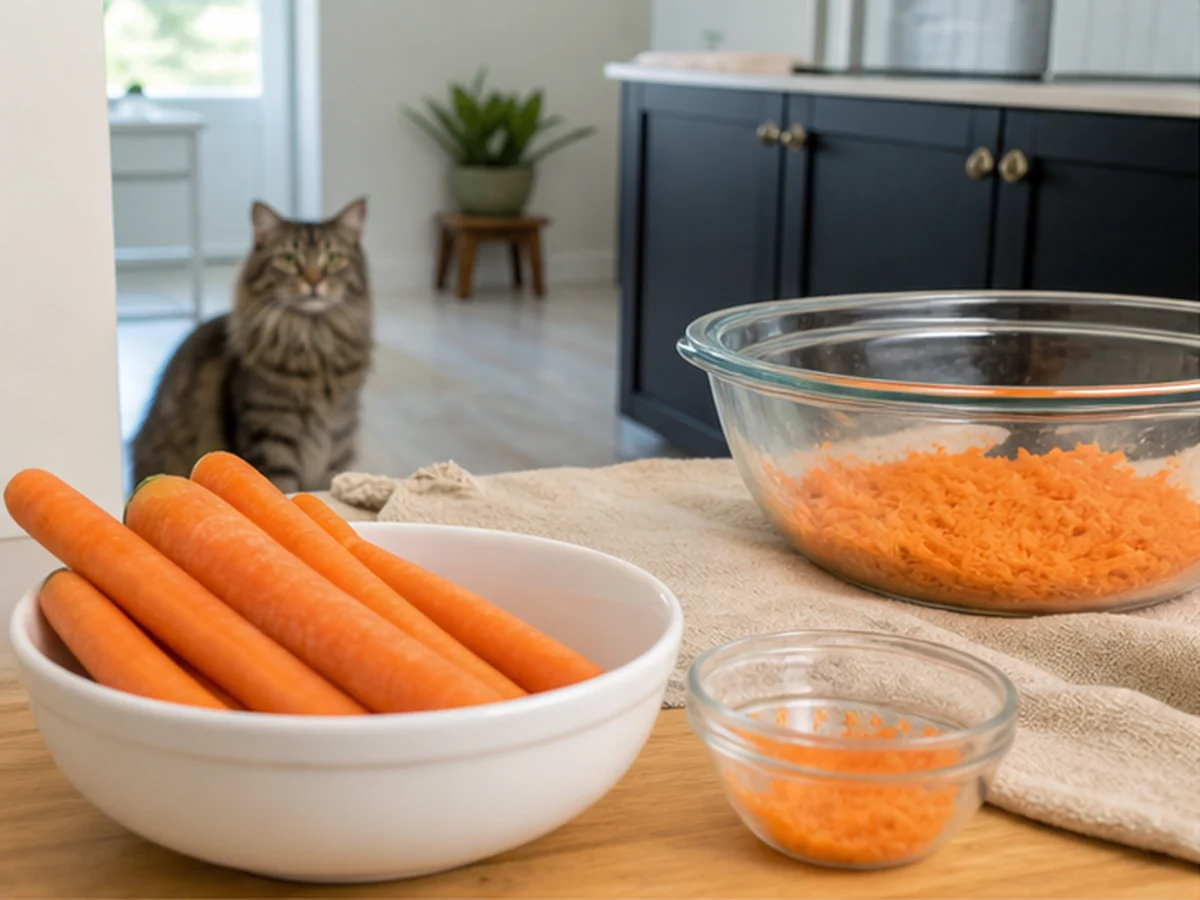
If a veterinarian approves a taste, steam or boil a peeled piece in plain water until easily crushed, cool it, and offer less than a pea. Do not add salt, butter, oil, broth, spice, or sweetener.
A cat that walks away is not missing a nutritional opportunity. Regular complete food contains nutrients in feline-appropriate forms and proportions.
Never disguise medicine in carrot without prescriber approval. Some tablets must remain whole or be given away from food.
Beta-carotene is not a DIY vitamin plan
Human nutrition articles celebrate carrots as a beta-carotene source, but cats have different vitamin A biology and need preformed vitamin A in an appropriate diet. More plant pigment is not automatically better.
The FDA explains how complete-and-balanced pet foods communicate nutritional adequacy. Carrot shavings cannot repair an unbalanced homemade recipe.
Do not use carrot powder for eyesight, immunity, coat color, or cancer prevention. Supplements require a feline evidence base and measured plan.
Baby carrots are not baby-cat food
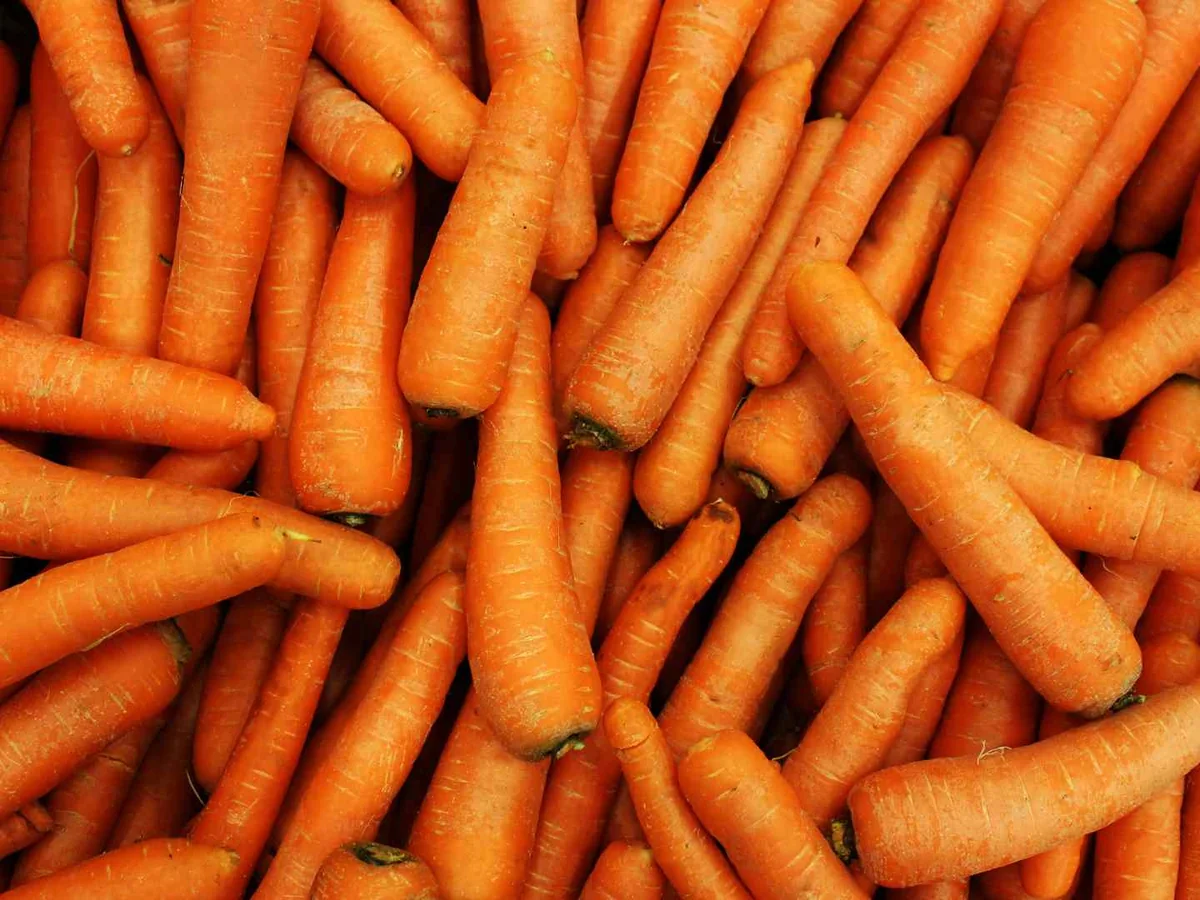
Commercial baby carrots are adult carrots cut and shaped into small dense pieces. Their smooth surface and familiar snack size do not make them safe for kittens.
A whole baby carrot can lodge, and chewed fragments can remain large and angular. Keep open snack bags off low tables.
Kittens should receive complete growth food, not hard produce that fills limited stomach space. Species-appropriate teething toys are safer than vegetables.
Peel ribbons can act like string
A vegetable peeler creates long flexible strips that cling to wet counters and trash rims. A playful cat may swallow a ribbon end-first.
Do not tug on peel emerging from the mouth or rectum if the unseen portion may be anchored. Prevent further chewing and seek urgent veterinary guidance.
Short peel flecks from a cleaned carrot are lower concern than a long continuous strip, but they still offer no reason to feed raw.
Juice is easy to overconsume
Carrot juice removes the hard texture but concentrates flavor and permits a cat to lap more quickly. Bottled blends may include apple, orange, grape, ginger, turmeric, lemon, salt, vitamins, or herbs.
A few plain drops may cause no illness, but juice should not replace water. The cat apple guide helps when a blend contains apple seeds, pulp, sweetener, or mixed fruit.
Fresh-juice machines add sharp parts, pulp bags, electrical cords, and cleaning chemicals. Restrict access before dismantling equipment.
Crudité comes with dip
Party carrots may touch onion dip, hummus, ranch, cheese, spicy sauce, grapes, deli meat, and toothpicks. The vegetable is often the least important ingredient.
Onion and garlic can damage feline red blood cells, and effects may be delayed. Save the dip label after a meaningful exposure.
The cat cheese guide supplies dairy and sodium context for cheesy dips. Do not rinse a coated carrot and call it plain.
Shredded salads create mixed hazards
Carrot salad may include raisins, mayonnaise, pineapple, sugar, nuts, cabbage, onion, vinegar, and long shreds. Coleslaw packaging can be swallowed with food residue.
A few shreds are not equivalent to a mass of stringy salad. Report recipe, missing volume, and whether any utensil, elastic, or film vanished.
Persistent vomiting, abdominal discomfort, poor appetite, or low stool output needs assessment. Do not add more fiber to push a suspected object along.
Produce handling reduces contamination
Carrots can carry soil and microbes from growing, packing, store bins, and kitchens. A visually clean root is not sterile.
The FDA recommends rinsing produce under running water without soap and using clean hands and tools. Washing does not soften a choking-size piece.
Discard slimy, moldy, fermented, or badly damaged carrots. Store cut produce cold and secure the scraps.
Carrot tops and gardens broaden the incident
Leaves and stems may be fibrous and can carry pesticide, fertilizer, soil additives, ties, netting, or compost residue. Plant access should be reported separately from a grocery-root bite.
Keep wet garden treatments off fur and prevent grooming while seeking cleanup advice. Do not neutralize a pesticide with a second household chemical.
Compost may also contain Alliums, coffee, mold, bones, string, and fermented waste. Identify the entire accessible mixture.
A clear carrot call
- Form: whole root, baby carrot, coin, chunk, peel ribbon, shred, juice, powder, top, plant, or frozen piece.
- Amount: estimate dimensions, maximum missing weight, time, chewing, cat weight, and symptoms.
- Additions: list dip, Alliums, salt, dairy, raisins, nuts, supplements, and sweeteners.
- Objects: count bags, bands, ties, peelers, lids, straws, film, and garden netting.
- Urgency: choking, long peel, chemical contact, repeated vomiting, pain, or breathing change requires care.
Frozen carrots add tooth risk
A frozen coin or baby carrot is harder than the raw root and can fracture a tooth or stick briefly to moist tissue. Do not use frozen vegetables as teething tools.
Mixed bags may contain peas, corn, sauce, salt, butter, onion, or garlic. Read the package and count missing film.
The FDA provides cold-storage safety guidance. Discard thawed products with an unsafe temperature history.
Baby food depends on the label
Single-ingredient carrot puree has a safer texture than raw chunks but remains unnecessary, while dinner blends may contain onion or garlic. “Stage one” does not guarantee one ingredient in every brand.
A tiny veterinarian-approved puree can sometimes help deliver medication, but only when the prescriber approves the product and amount. Confirm the full dose was swallowed.
Jar lids, foil seals, plastic tubs, and spoons create foreign-object risks. Never leave an open container with a cat.

Carrot cake is a dessert
Cake can contain sugar, fat, flour, eggs, raisins, nuts, pineapple, spice, cream-cheese frosting, and sweeteners. Raw batter adds uncooked flour and egg concerns.
The cat cinnamon guide helps identify one common spice, while the entire cake and wrapper still need assessment.
A crumb is not automatically poisonous, but chocolate, raisins, sugar-free frosting, raw dough, or large amounts deserve a prompt call.
Weight-loss myths can dilute nutrition
Adding raw carrot to create fullness can displace complete food without delivering feline nutrient balance. Calorie plans should be built around measured complete diets.
Cats with diabetes, obesity, dental disease, digestive illness, or prescription diets need individual advice. A low-calorie human food is not automatically a suitable medical tool.
Monitor body condition with the veterinary team rather than improvising vegetable volume. Refusal is not stubbornness to overcome.
Frequently asked questions
Can kittens chew raw carrots?
No. Dense carrot can lodge or damage teeth, while kittens need complete growth nutrition and safe purpose-made toys.
Do carrots improve cat eyesight?
Do not use them as eye treatment. Cats require preformed vitamin A within a balanced diet, and vision changes need examination.
Can cats drink carrot juice?
Do not serve it routinely because blends and easy overconsumption add uncertainty. Plain water is appropriate hydration.
What if my cat swallowed a carrot coin?
Call with the coin’s diameter, thickness, time, cat size, and signs. Gagging, repeated swallowing, vomiting, pain, or appetite loss needs prompt care.
Dehydrated carrot chips are harder and more concentrated than fresh slices, and many are fried or salted. They are not feline crunch treats.
Carrot powder may include vitamins and herbs. Save labels and call for coughing, eye pain, tremors, or vomiting.
Restaurant glazed carrots can contain butter, sugar, honey, salt, alcohol, or spice. Softness does not make the recipe plain.
Matchsticks remain long enough to lodge when swallowed quickly. Cooking and mincing an approved speck is safer.
A normal first hour does not rule out an object. Call for repeated vomiting, pain, appetite loss, or reduced stool.
Keep scraps in a lidded bin and count rubber bands from bunches. Bands may be more urgent than carrot.
Bottom line
Raw carrot’s main feline problem is mechanics, not a dramatic poison story. Cook any approved taste until soft, keep it tiny and plain, and treat peel ribbons, large chunks, dips, garden chemicals, and missing packaging as separate hazards.
Food processors and spiralizers add blades, cords, pushers, and long vegetable strands to the scene. Unplug equipment, count removable parts, and keep cats away until the floor, counter, and scrap container are secure.
Whole carrots used as dog enrichment should remain inaccessible after the dog leaves. Saliva, chewed shards, and hidden fillings add concerns.
Purple, yellow, white, and red varieties are not automatically spoiled, but color never proves cleanliness or softness. Inspect source, damage, texture, and recipe.
Carrot coins in soup absorb broth, salt, onion, garlic, and fat. Removing one does not restore a plain ingredient.
When observation is approved, write down the callback window and keep ordinary complete food available. New foods can blur appetite and digestive changes.
A multicat home needs individual records after a shared raid. Identify which cat vomited, ate, or used the litter box.
Keep the saved raw carrots product and your written timeline together until the advised monitoring period ends, because labels, lot details, and symptom timing can change the veterinary assessment.