Can Cats Eat Rosemary? Fresh Leaves, Dried Herb, Oils, and Products
A stray rosemary needle from dinner is usually a very different event from spilled essential oil, concentrated extract, or heavily seasoned food. Do not add rosemary to a cat’s diet for supposed health benefits, and identify the exact form before deciding whether a curious nibble needs a veterinarian.
First, identify what smelled like rosemary
Save the bottle, recipe, plant tag, supplement label, or cleaning-product package. Write down whether your cat contacted a fresh sprig, dried culinary leaves, seasoning blend, infused oil, essential oil, extract, candle, diffuser liquid, or skin product.
Estimate what is actually missing and when the exposure occurred. A few crumbs on a roast tell a calmer story than a tipped diffuser with oily pawprints across the counter.
Call promptly for essential oil, an unknown concentrated product, repeated vomiting, marked drooling, weakness, wobbliness, tremors, breathing trouble, or eye exposure. Do not induce vomiting or give household antidotes.
A culinary leaf is not a nutrition plan
Rosemary is an aromatic herb, not a required part of feline nutrition. Cats need a complete diet built around their species-specific protein and nutrient requirements, not the human wellness reputation of a garden plant.
The Cornell Feline Health Center’s feeding overview explains why balanced cat food matters. It does not prescribe culinary herbs as routine supplements.
If a healthy adult licks one tiny fresh leaf fragment, remove the rest and watch rather than trying to make the cat eat or drink something. Call if irritation, vomiting, diarrhea, appetite loss, or unusual behavior follows.
Fresh sprigs have needles and woody stems
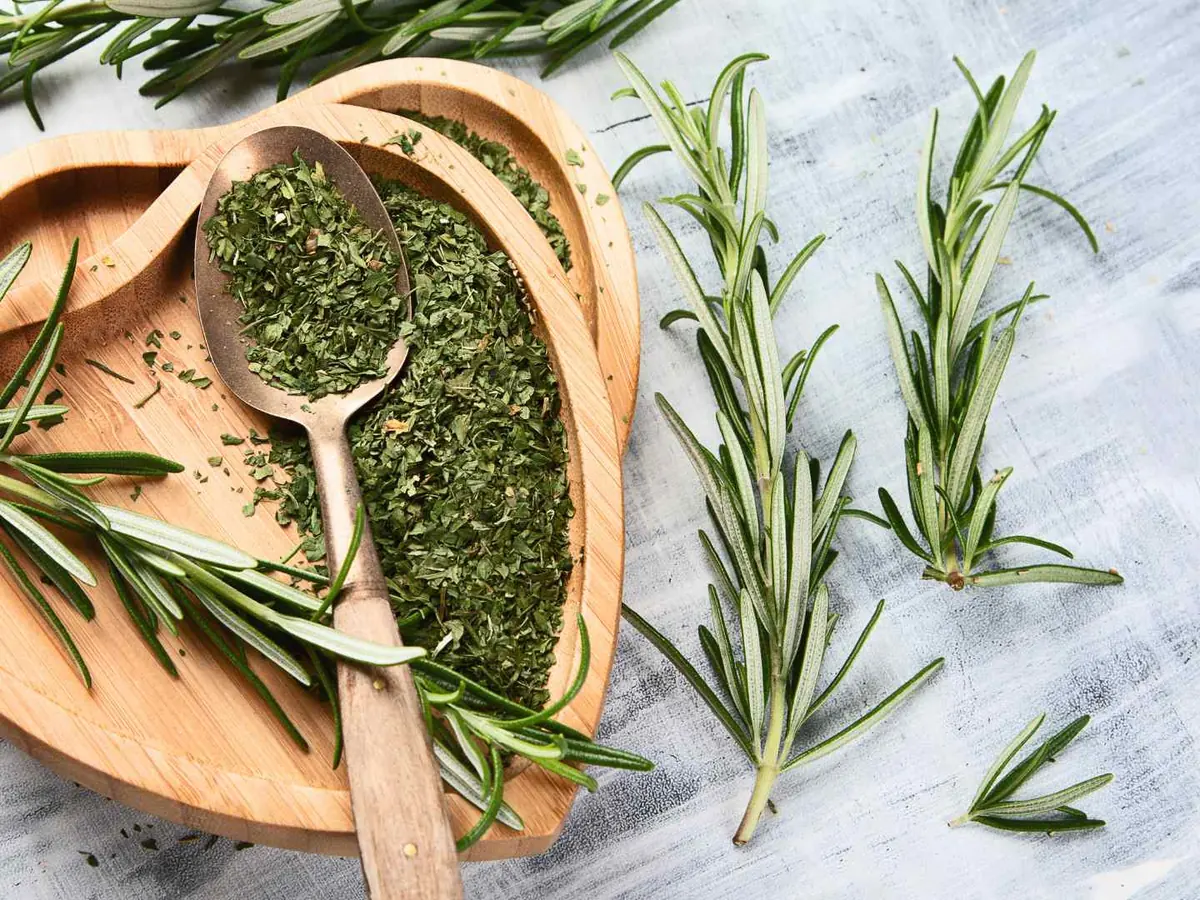
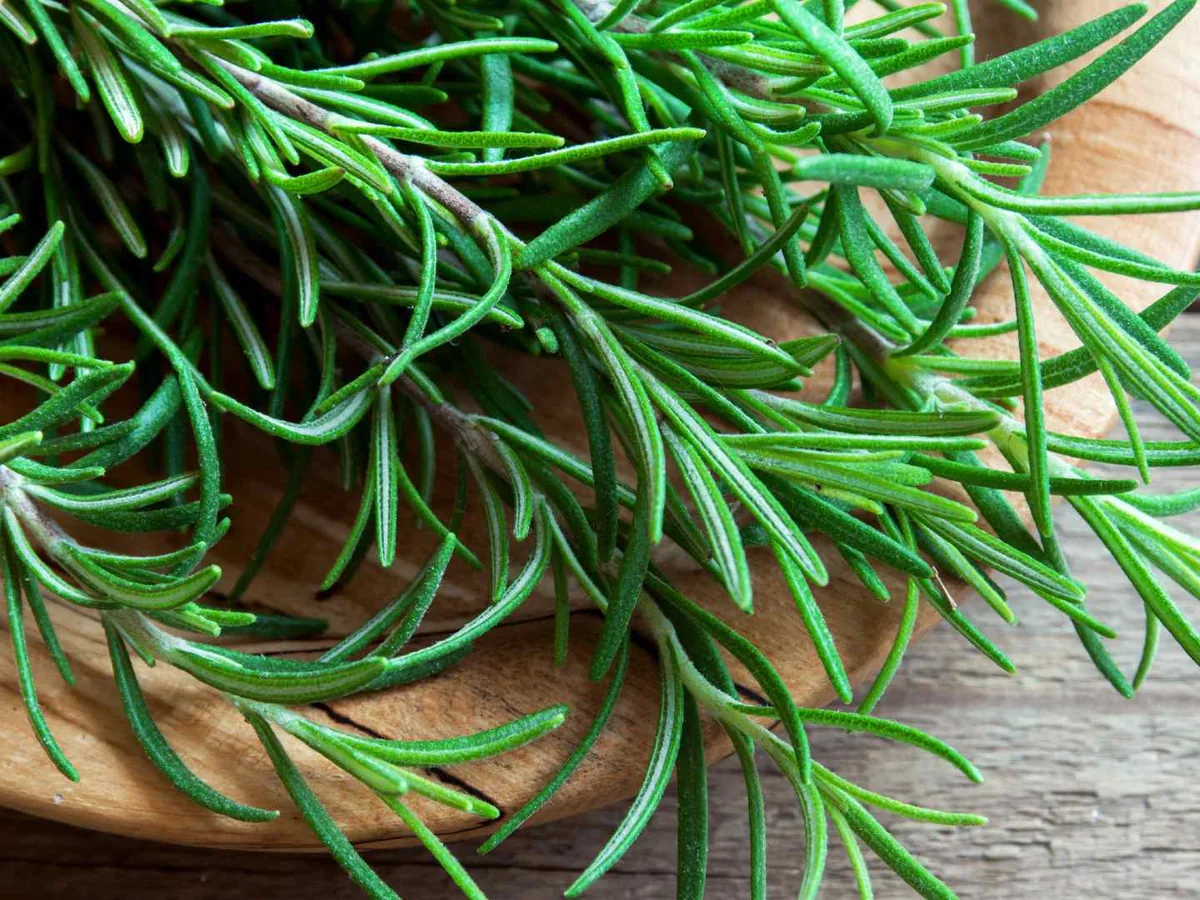
Fresh rosemary leaves are narrow, stiff, and easy to scatter. A soft nibble is more likely to cause mouth or stomach irritation than a specific systemic poisoning, but a mouthful of stems is neither useful nor comfortable.
Whole woody pieces can lodge in the mouth or contribute to choking and gastrointestinal trouble. Coughing, gagging, repeated swallowing, pawing at the mouth, or sudden distress deserves immediate help.
Do not reach blindly into a struggling cat’s throat. If a visible piece is loose and safely accessible, follow veterinary direction rather than pushing it farther back.
Dried rosemary is small but concentrated in flavor
Drying removes water and makes the herb more compact by volume. A pinch that dusts a cutting board is not equivalent to eating spoonfuls from the jar.
Dried needles can irritate eyes and noses when shaken into the air. Move a coughing cat away from the spill, prevent grooming of dusty paws, and ask how to clean the coat without adding scented products.
Seasoning jars also bring hard lids, foil seals, freshness packets, and sometimes grinders. Count the package pieces before assuming the only thing swallowed was an herb.
Rosemary essential oil changes the risk
Essential oil is a concentrated aromatic mixture, not liquefied salad garnish. Cats have important metabolic limitations with several essential-oil constituents, and exposure can occur through swallowing, skin contact, or inhalation.
The ASPCA’s essential-oil guidance advises caution around pets and emphasizes veterinary consultation after exposure. Product concentration, route, dose, and the cat’s health all matter.
If oil reaches fur, stop grooming and call before bathing because some cleaning methods spread the product or chill the cat. For eye exposure, seek immediate instructions and do not put another oil in the eye.
Diffusers expose more than the tongue
An active diffuser can release droplets into the air, while a knocked reservoir can coat paws and furniture. A closed room, poor ventilation, asthma, and direct contact make the setting more concerning.
Turn off the device, open access to fresh air if safe, and remove the cat without creating a bigger spill. Labored breathing, persistent coughing, weakness, or neurologic changes needs emergency care.
Passive reed diffusers still contain concentrated liquid and slender sticks that can be chewed. Secure both the fluid and the reeds in a place a climbing cat cannot reach.
Infused cooking oil is not essential oil
Olive oil with a rosemary sprig usually contains far less aromatic material than rosemary essential oil, but it adds a concentrated load of fat. Garlic, chile, salt, and other flavorings may create the larger concern.
A greasy lick may lead to vomiting or diarrhea, particularly in a cat with gastrointestinal disease or a history of pancreatitis. Do not claim that one lick causes pancreatitis, but do call for persistent pain, vomiting, lethargy, or refusal to eat.
Check the cat garlic guide when an infusion contains cloves. Oil does not neutralize an allium ingredient.
Roasts, potatoes, bread, and marinades are mixed foods
Rosemary often arrives on chicken skin, lamb, focaccia, roast potatoes, stuffing, gravy, or marinade. Fat, bones, onion, garlic, salt, alcohol, raw dough, and skewers can matter more than the herb.
Photograph the complete plate and preserve the recipe. The cat onion guide is useful when onion appears in stuffing or gravy.
Pulling off the visible sprig does not remove dissolved seasoning, pan drippings, or small bone fragments. Give the veterinarian the whole ingredient picture.
Extracts, capsules, and tinctures need their own labels
A rosemary supplement may contain concentrated extract, alcohol, glycerin, carrier oil, other herbs, vitamins, or sweeteners. Human directions cannot be converted into a feline serving by making the capsule smaller.
Call with the Supplement Facts panel, lot number, capsule strength, and missing quantity. The FDA’s supplement overview explains that supplements are regulated differently from drugs and can have active effects.
Do not use rosemary as a home treatment for fleas, infection, inflammation, memory, digestion, or cancer. A plausible laboratory property is not proof of safe clinical benefit in a household cat.
Shampoos, sprays, and flea products
Rosemary may appear in pet shampoos, coat sprays, wipes, or products marketed as natural pest control. The word natural does not establish that a concentration, combination, or application method is safe for cats.
Use only products labeled for cats and follow the exact age and weight restrictions. Never substitute a dog flea product because some canine insecticides can be dangerous to cats.
After an accidental application, save the packaging and call before washing. Tremors, twitching, drooling, weakness, or seizures are emergencies.

Garden rosemary and plant identification
A correctly identified culinary rosemary plant is different from an unknown landscaping shrub with similar narrow leaves. Plant apps and memory are not enough when symptoms are developing.
Take clear photographs of the full plant, leaves, flowers, pot label, and any chewed area. Keep a sample away from pets in case a veterinarian or poison specialist requests identification.
Potting mix, fertilizer pellets, insecticide granules, slug bait, and moldy standing water can accompany a garden nibble. Mention every product used around the pot.
Smoke, candles, and household fragrance
Rosemary-scented candles and incense add combustion particles, fragrance mixtures, hot wax, wicks, and burn risk. Smoke can aggravate sensitive feline airways even when no herb was swallowed.
Extinguish the source safely and ventilate. Open-mouth breathing in a cat is urgent, and a hot-wax burn needs professional advice rather than butter or ice.
Wax chunks, metal wick tabs, and glass shards also qualify as foreign objects. Count what broke and block access to the cleanup area.
Kittens and medically fragile cats
Kittens have small bodies, fast-changing hydration, and a talent for turning one fallen sprig into a wrestling match. Cats with liver disease, asthma, seizures, or prescription diets deserve a lower threshold for a call.
Medication interactions and concentrated botanicals are not predictable from a food label. Ask the prescribing veterinarian before using any rosemary supplement alongside drugs.
A cat that has stopped eating should not be tempted with rosemary butter or seasoned meat. Appetite loss itself can become medically important.
A practical cleanup beats kitchen chemistry
Sweep fresh leaves without tossing dust into the air, close the spice jar, and wipe counters with an unscented pet-safe method. Keep the cat elsewhere until sharp stems, broken glass, and oily footprints are gone.
Bag contaminated paper towels where they cannot be retrieved. Cats who ignore the herb may still investigate a fragrant trash can at two in the morning.
For oil on skin, ask a professional for product-specific decontamination instructions. Do not apply vinegar, baking soda, milk, or another essential oil.
What to watch after a tiny culinary taste
When the plant is confidently identified and the amount is truly small, keep normal food and water available and monitor appetite, energy, vomiting, diarrhea, coughing, drooling, and balance. Save the herb container until the observation window is over.
Contact a veterinarian if any sign appears, if the quantity was larger than first thought, or if the cat has underlying disease. Delayed help should not hinge on whether rosemary appears on a generic toxic-plant list.
The cat basil guide offers a useful comparison for another culinary herb, but each oil, extract, and mixed dish still needs its own assessment.
FAQ
Can cats eat fresh rosemary?
A tiny accidental nibble of correctly identified fresh culinary rosemary is generally low risk, but it offers no needed benefit and can irritate the mouth or stomach.
Is rosemary essential oil safe around cats?
Do not assume so. Concentrated oil can expose a cat through licking, skin contact, and inhalation, so call promptly after a spill or suspected ingestion.
What if my cat ate rosemary chicken?
Assess the whole recipe, especially bones, skin, garlic, onion, salt, butter, marinade, and skewers, rather than focusing only on rosemary.
Can I use rosemary as flea control?
Do not improvise with herbs or oils. Use a veterinarian-recommended product labeled specifically for cats and for your cat’s age and weight.
Bottom line
A speck of culinary rosemary usually calls for identification and observation, while essential oil, extracts, mixed foods, inhalation, or neurologic and breathing signs deserve prompt professional guidance. Keep the herb in the kitchen, not in the cat’s wellness routine.