Can Cats Eat Tangerines? Flesh, Peel, Zest, Juice, and Essential Oil
Do not deliberately feed tangerines to cats. A tiny lick of peeled flesh is usually less concerning than peel, leaves, stems, concentrated citrus oil, or cleaner, but the fruit’s acidity and sugar offer no feline benefit; identify the exact part and product before deciding what to do.
The peel pile tells the story
A damp spot from one segment differs from a chewed rind, a missing leaf, or an overturned essential-oil bottle. Tangerines, mandarins, clementines, satsumas, and citrus hybrids are close relatives, yet products made from them vary dramatically in concentration.
| Exposure | Main concern |
| One lick of peeled flesh | Acidity, sugar, mild digestive upset |
| Peel or zest | Essential oils, psoralens, fibrous material |
| Leaves, stem, seeds | Plant material and physical hazards |
| Juice or syrup cup | Acid, sugar, sweeteners, package |
| Essential oil or extract | Concentrated dermal, oral, or inhalation toxicity |
| Citrus cleaner | Additional detergents, solvents, fragrances |
Flesh and peel deserve different language
ASPCA’s orange plant entry identifies essential oils and psoralens as toxic principles and notes that fruit is edible while skin and plant material can cause problems. Tangerines belong to the same citrus context, so a peeled flesh lick should not be described like concentrated rind oil.
Edible does not mean useful, and a large amount of acidic fruit can still cause vomiting, diarrhea, drooling, or appetite disruption. Cats have no nutritional need for citrus segments.
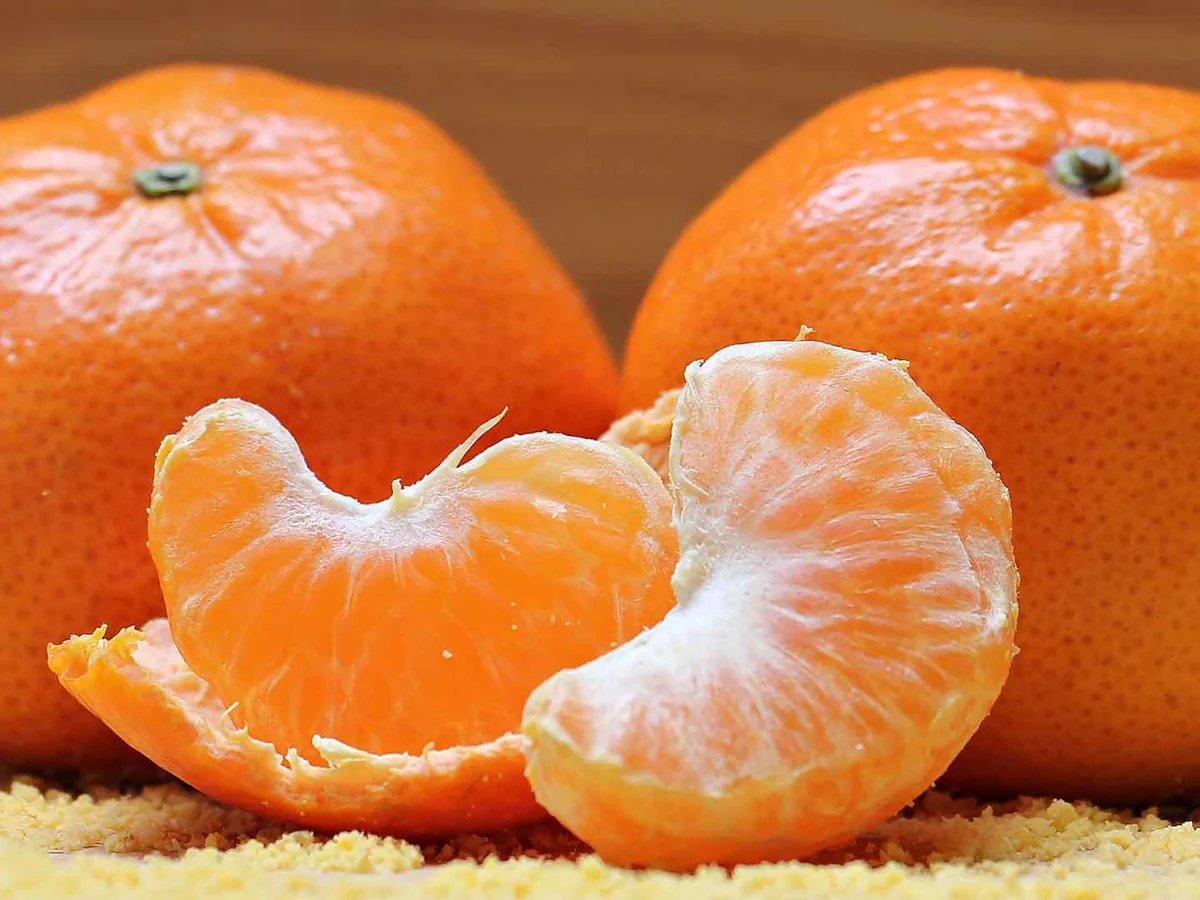
The white pith is less aromatic than brightly colored zest but remains stringy plant material, and segment membranes can bunch when swallowed. Remove pith, membranes, seeds, and peel rather than preparing a fruit sample for a cat who gains nothing from it.
A cat that mouths a freshly peeled segment may squint, foam, or back away because sour juice is unpleasant, not necessarily because severe poisoning has begun. Wipe up residue and judge the event by the exact part, amount, signs, and persistence.
Peel holds the aromatic compounds
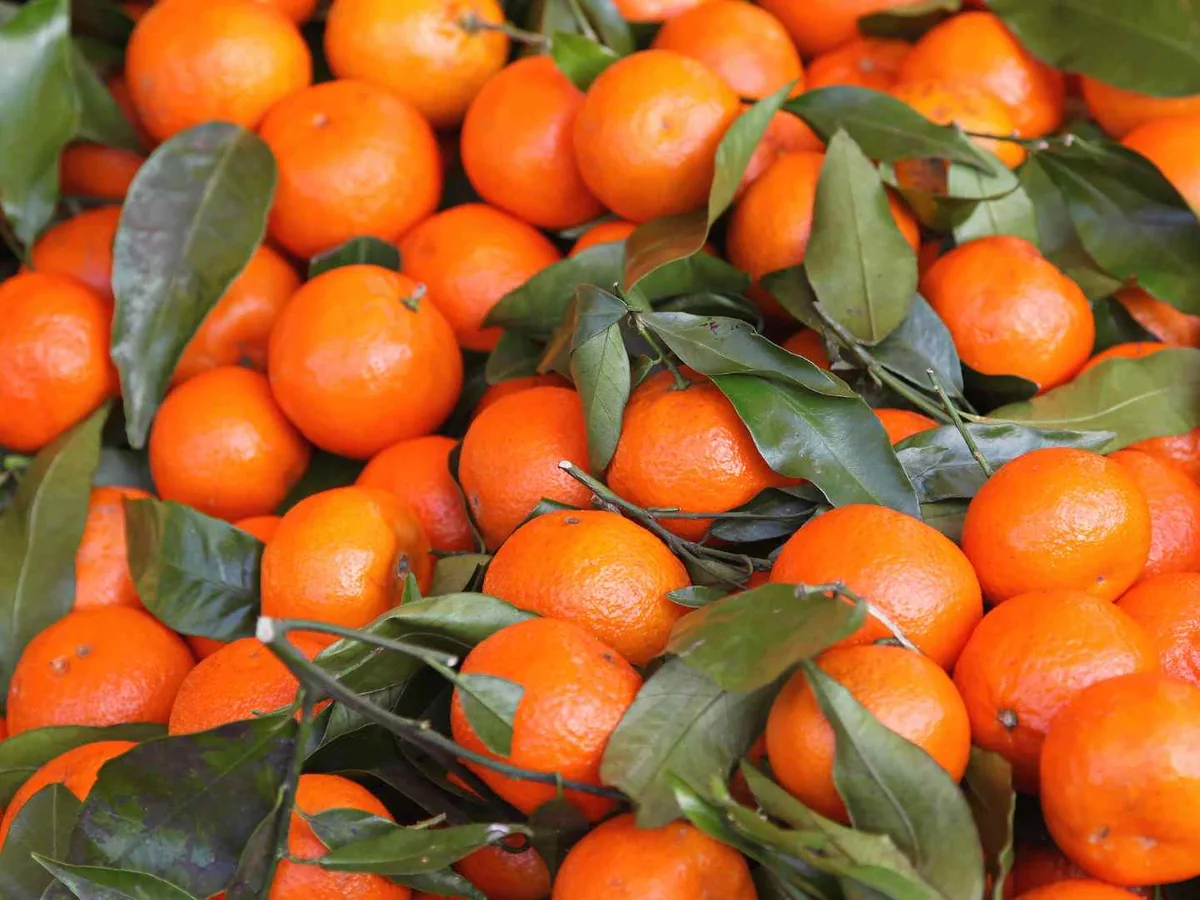
Tangerine rind contains fragrant oils and can release them when scratched, zested, crushed, or chewed. It is also thick and fibrous enough to form an awkward mouthful or digestive foreign body.
Call after a meaningful peel ingestion, especially with drooling, vomiting, lethargy, skin irritation, wobbliness, tremors, or appetite loss. Do not induce vomiting or feed oil, milk, bread, or antacid.
Small citrus seeds are less important toxicologically than concentrated oil, yet they remain hard objects with no benefit and can accompany stringy membrane. Count what is missing, particularly for a kitten or a cat with prior swallowing trouble, rather than announcing that every seed is harmless.
A strip lodged across the palate can produce frantic mouth pawing and drool, while a swallowed wad can cause later vomiting or appetite loss. Do not sweep blindly inside the mouth or pull material that seems anchored.
Concentrated citrus oil is a different emergency
Essential oils can be absorbed through skin, lungs, mucous membranes, and the digestive tract, and cats are particularly sensitive. The Merck Veterinary Manual’s essential-oil review lists vomiting, drooling, lethargy, poor coordination, tremors, breathing signs, seizures, and organ injury among possible effects.
Move the cat to fresh air after inhalation, prevent grooming of contaminated fur, and call immediately for concentrated oil exposure. Do not apply another oil or solvent, and bathe only as directed so the product does not spread or chill the cat.
Concentration is rarely obvious from a bottle’s front label, and blends may contain several oils in an undisclosed carrier. Photograph every panel, note whether it was neat or diluted, and report whether droplets reached eyes, mouth, skin, lungs, or bedding.
Veterinary treatment may differ for a lick, an eye splash, soaked fur, or respiratory signs, which is why route belongs in the first phone call. Keep the cat from grooming with calm supervision, but do not improvise an Elizabethan collar if breathing or balance is abnormal.
A bottle labeled natural, therapeutic, food grade, or organic can still contain concentrated oil. Marketing language does not replace the ingredient list, dilution, exposure route, or the cat’s clinical signs.
Diffusers create fur exposure even without a spill
Active diffusers can distribute tiny droplets that settle on coats and are swallowed during grooming, while a tipped passive diffuser can create a concentrated puddle. Cats with asthma or chronic airway disease have less tolerance for fragranced environments.
Stop the device, ventilate safely, and call for coughing, wheezing, watery eyes, drooling, vomiting, or breathing difficulty. Keep product name, oil concentration, carrier ingredients, duration, and room size available.
Do not force a coughing cat to drink and do not create a cold draft around a distressed animal while ventilating. Open access to clean air, remove the device, minimize handling, and treat open-mouth breathing as an emergency.
Juice concentrates fruit without removing acidity
Fresh juice, bottled tangerine juice, citrus punch, and smoothie blends can contain sugar, grape juice, sweeteners, supplements, caffeine, or other fruits. A cat can lap more liquid than it would ever chew from a segment.
Save the complete bottle or recipe and call about unfamiliar sweeteners, caffeine, alcohol, or a significant volume. The site’s orange juice guide helps compare citrus beverages without treating them as hydration.
For a closer fruit comparison, the orange guide covers the same flesh-versus-peel divide. The broader cat fruit guide is more useful when the cup contains several fruits and the missing pieces are unclear.
Canned segments are usually syrup questions
Canned mandarins or tangerines may sit in juice, light syrup, heavy syrup, artificial sweetener, or a mixed-fruit cup. The soft segment is easier to swallow, but added sugar and unidentified sweeteners still make the product a poor treat.
Count cherries, grapes, plastic film, foil, lids, tiny forks, and cup seals. A sharp can rim or missing pull tab creates a separate injury risk.
No-sugar-added cups may still contain naturally occurring sugar and can use sweeteners or juice concentrate. Because feline evidence for some sweeteners is limited, identify the exact ingredient instead of importing a dog-only claim or assuming an unfamiliar name is harmless.
Zest appears where cats do not expect fruit
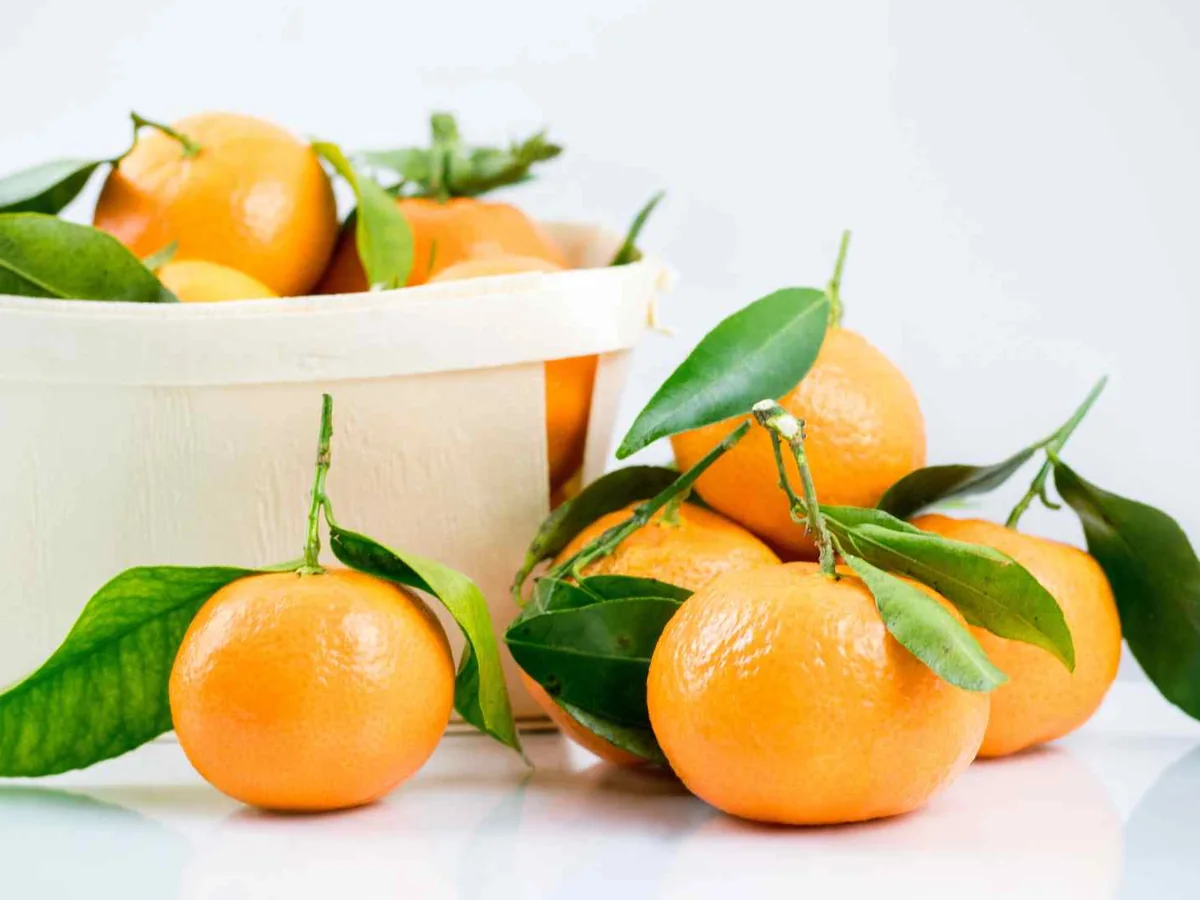
Tangerine zest can flavor cakes, frosting, chocolate, sauces, marinades, tea, cocktails, potpourri, candles, and cleaning products. Zest is peel, not diluted flesh, and the surrounding recipe may introduce alcohol, chocolate, Alliums, caffeine, or hot liquid.
Do not use citrus zest, peel, or oil to deter a cat from counters or plants. A behavior strategy should not depend on exposing sensitive paws, skin, nose, and lungs to an irritant.
Marmalade, candied peel, curd, and citrus glaze concentrate sugar and often mix zest with butter, egg, alcohol, or baked goods. Their cheerful breakfast names do not erase the peel, and a sticky spill can coat paws before being swallowed during grooming.
Citrus hand cleaners, furniture sprays, and degreasers can add alcohols, surfactants, disinfectants, or solvents to the orange scent. Use the product’s exact name and poison-control number instead of treating a cleaner spill as though it were fruit juice.
Wash before peeling and clear the stickers
FDA produce advice recommends rinsing before peeling so surface contamination is not carried inward. Soap, detergent, bleach, and commercial produce wash are not recommended on porous produce.
Put rinds, leaf sprigs, mesh bags, stickers, elastic bands, and knives away immediately. A rolling fruit can also send a cat toward broken glass or a hot appliance.
Garden and houseplant citrus adds chemicals
A potted citrus tree may carry fertilizer, systemic pesticide, insecticidal soap, trellis wire, decorative moss, and plant tags. The fruit’s grocery identity does not describe those exposures.
Save every product label and photograph the plant. Unknown citrus-like ornamentals need reliable identification rather than a guess from leaf scent.
Fallen fruit under a patio tree can ferment, grow mold, attract insects, or pick up lawn treatments. Collect it promptly and check whether the cat encountered fruit alone, a chemical application, insect bait, or a sharp pruning tie.
Flesh is not a vitamin supplement
Human vitamin C claims do not create a feline need for tangerine, and cats synthesize vitamin C under ordinary circumstances. Do not use citrus to treat urinary disease, infection, scurvy, constipation, or immune problems.
The FDA’s complete-food standard is the right guide for daily nutrition. Cats with diabetes, bowel disease, oral ulcers, or therapeutic diets should avoid fruit experiments.
The counter cleanup
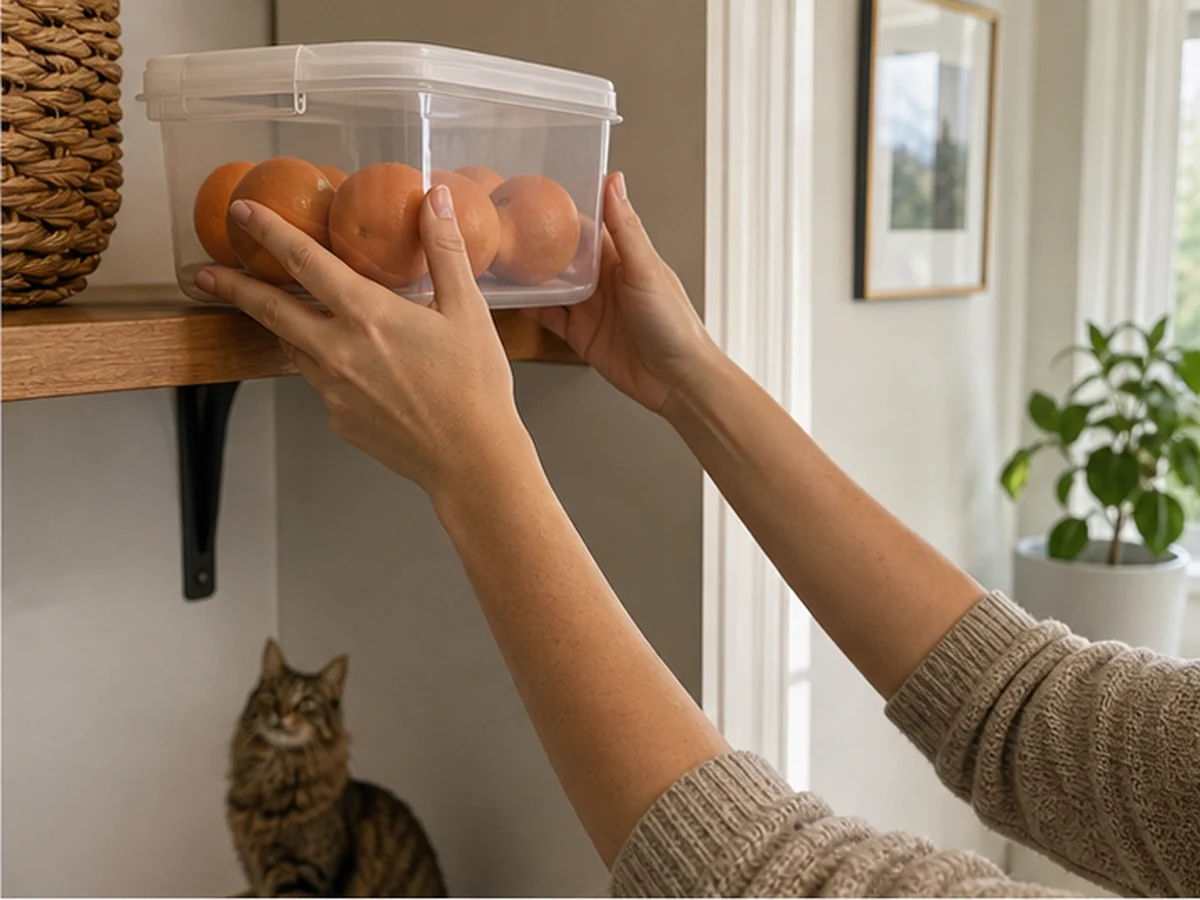
- Separate the cat from fruit, peels, leaves, oil, cleaner, diffuser, bags, and tools.
- Identify flesh, rind, plant material, juice, extract, essential oil, or household product.
- Record amount, concentration, route, time, weight, conditions, and signs.
- Call promptly for peel and immediately for concentrated oil, cleaner, breathing signs, tremors, or collapse.
- Follow veterinary cleaning and monitoring directions without inducing vomiting.
Frequently asked questions
Can cats eat tangerine flesh?
A tiny peeled-flesh lick is usually lower concern than peel, but it is acidic, sugary, and unnecessary. Remove seeds, rind, and plant material and do not offer more.
What if my cat ate tangerine peel?
Call a veterinarian or animal poison service with the amount, time, weight, and signs because peel contains aromatic oils and is fibrous. Do not make the cat vomit.
Are clementines and mandarins safer?
They share the same broad citrus distinction between lower-concern peeled flesh and more concerning peel, plant material, and concentrated oils. The exact product and amount still matter.
Can I use tangerine oil around my cat?
Do not apply concentrated citrus oil to a cat, and discuss household diffuser use with a veterinarian, especially for respiratory disease. Spills or signs need immediate professional advice.
Bottom line
Tangerine flesh is an unnecessary low-concern lick, while rind, zest, leaves, stems, essential oil, diffusers, extracts, and citrus cleaners deserve much more caution. Keep the product, identify the route, and call promptly rather than treating every orange-smelling exposure alike.