Can Cats Have Tomato Soup? Labels, Alliums, Salt, and Heat
Tomato soup is not a sensible cat treat, even though one lick of a cooled, plain product is unlikely to create a crisis in most healthy adults. Onion, garlic, sodium, dairy, sweeteners, spice, heat, and packaging usually matter more than the tomato named on the bowl.
The smartest first question is: which soup?
Set the carton, can, café receipt, or recipe beside you and identify how much disappeared. Condensed soup, ready-to-serve bisque, homemade purée, restaurant soup, and dry soup mix can share a name while delivering radically different concentrations and ingredients.
Check for a punctured pouch, sharp lid, foil seal, plastic film, spoon, or bread skewer too. A cat attracted by the aroma may chew the container after the liquid is gone, creating a foreign-object problem alongside the food exposure.
A red-bowl decision table
| What the cat reached | Most useful concern | Next move |
| One lick of cool prepared soup | Full ingredient list | Remove it and read the label |
| Condensed soup or dry mix | Concentration, salt, onion, garlic | Call with the product and amount |
| Hot soup | Mouth, skin, or eye burns | Seek prompt veterinary advice |
| Creamy tomato bisque | Dairy, fat, alliums, sodium | Assess the entire recipe |
| Can lid or wrapper | Cut or obstruction injury | Treat the object separately |
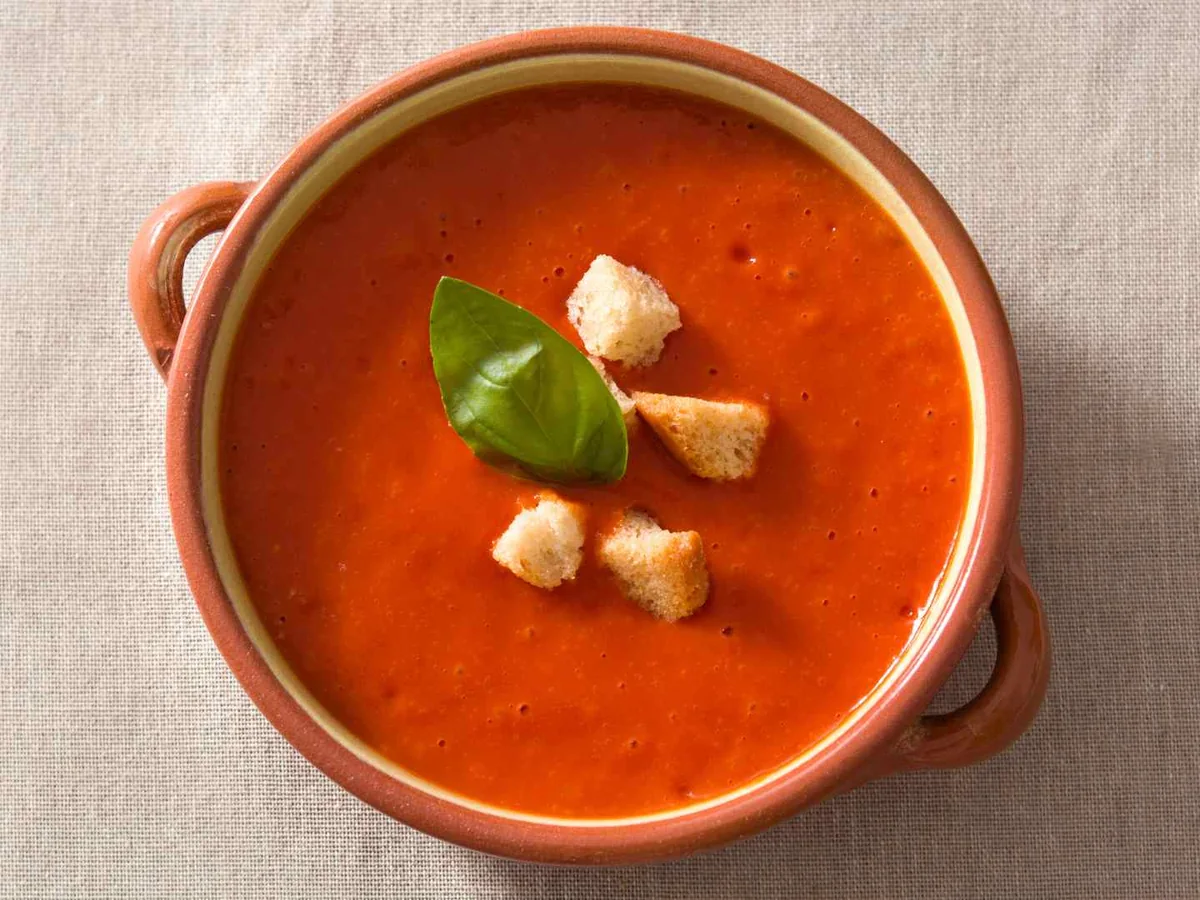
Tomato is not the only ingredient in tomato soup
A typical human recipe may begin with onion or garlic sautéed in oil before tomatoes ever enter the pot. Commercial versions can list onion powder, garlic powder, celery, yeast extract, flavoring, salt, cream, cheese, sugar, starch, and preservatives.
The label is therefore more informative than the soup’s color or brand style. Our cat and pizza guide uses the same whole-recipe method for tomato sauce, cheese, crust, and toppings rather than blaming or clearing the dish by one ingredient.
Alliums can hide in a perfectly smooth purée
Onion, garlic, leek, chive, and shallot can injure feline red blood cells, and cooking does not make them safe. Powder and dried soup mix are concentrated forms, while straining removes visible pieces without necessarily removing soluble compounds from the liquid.
The Merck Veterinary Manual allium review notes that cats are especially susceptible and that clinical anemia may be delayed for days. Call promptly after a meaningful or uncertain allium-containing exposure rather than waiting for pale gums or weakness.
Salt deserves context, not a dramatic guess
Prepared soup can be salty, and condensed products or dry mixes may be much stronger before dilution. Risk depends on concentration, amount, cat size, water access, health history, and symptoms, so no generic spoon count fits every carton.
Merck explains that salt toxicosis is tied to excessive intake and water balance. Do not force a large volume of water or improvise fluid correction after a concentrated exposure, because sodium abnormalities require careful veterinary management.
Acidity can irritate without making tomato a corrosive poison
Tomato soup is acidic enough to sting an already sore mouth or trigger stomach upset in an individual cat. That does not make an ordinary lick chemically equivalent to a drain cleaner, and it does not prove tomatoes cause ulcers.
Persistent drooling, pawing at the mouth, repeated vomiting, refusal to eat, or obvious pain needs veterinary attention. Look for a burned tongue, dental problem, string, bone, or another irritant instead of assuming acidity explains every sign.
Condensed soup changes the arithmetic
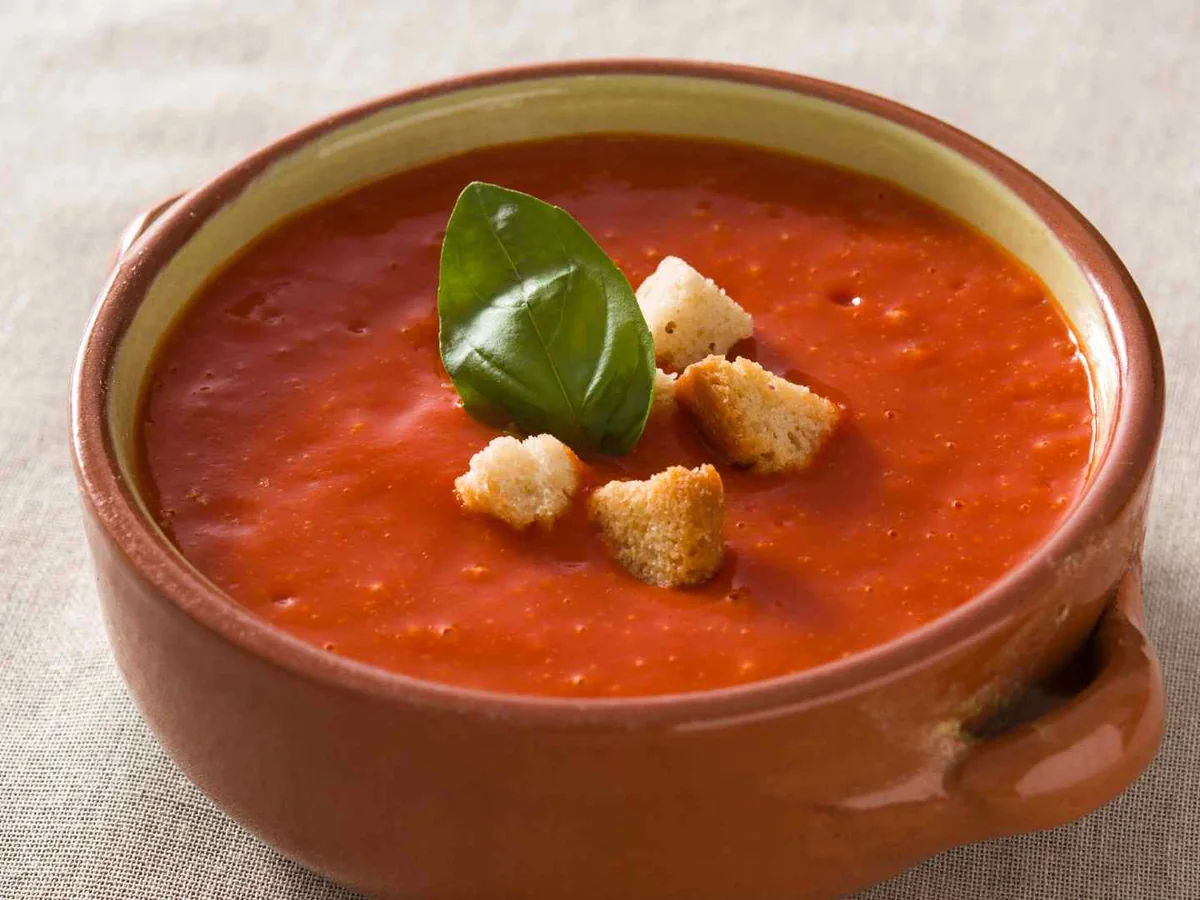
A spoonful straight from a condensed can represents more soup solids and seasoning than a spoonful prepared with the directed water. Report whether the product was diluted, because the front label may show a bowl even though the can contains concentrate.
Never let a cat lick the opened rim, and move the lid directly into a secure bin. Sharp metal can cut the tongue or paw, while a detached pull tab may be swallowed.
Cream of tomato and bisque are dairy questions too
Cream, milk, butter, cheese, and rich stock increase calories and may provoke gastrointestinal upset in cats that do not handle dairy well. One rich lick does not guarantee pancreatitis, but repeated vomiting or appetite loss should not be dismissed.
Use our butter guide to separate fat and dairy issues from the tomato itself. If the soup included blue cheese or another strongly flavored dairy product, the exact recipe still controls the advice.
Restaurant tomato soup keeps secrets
A restaurant may use premade base, chicken or beef stock, wine, sugar, cheese rind, pesto, or a garnish added at the pass. Ask for an ingredient or allergen statement, but accept that staff may not know every component of a proprietary concentrate.
When the recipe remains uncertain and more than a lick was consumed, call the cat’s veterinarian with the restaurant name, dish description, amount, and time. A confident guess from a menu adjective is not safer than admitting the uncertainty.
Grilled-cheese dunking adds a second food
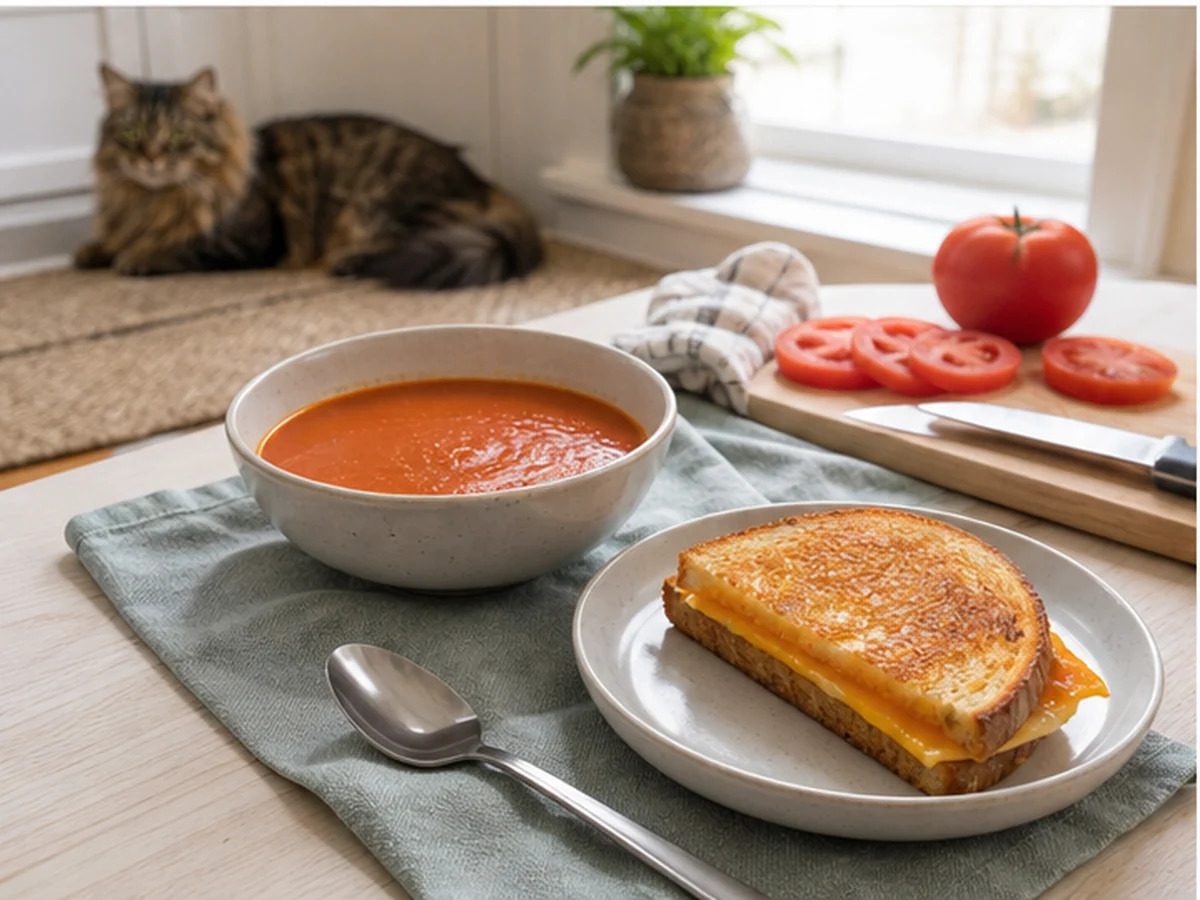
Bread, butter, cheese, garlic spread, and toothpicks can accompany the soup. Check the plate and floor so a missing sandwich corner or skewer is not overlooked while everyone studies the red smear.
The site’s bread guide can help with baked dough and mix-ins, while the soup still needs its own ingredient check. Similar timing does not make multiple exposures one harmless bite.
Homemade does not automatically mean cat-safe
A home recipe is easier to audit, but it can still include roasted garlic, onion stock, bouillon, salt, alcohol, cream, and spicy oil. Ask the cook to write the recipe down while measurements and substitutions are still fresh.
If a veterinarian approves a tiny tomato-based topper, use plain cooked tomato and water rather than human soup, and keep it supplemental. The FDA explains why table foods do not replace a complete and balanced feline diet.
Do not use soup as treatment
Tomato soup does not cure dehydration, constipation, poor appetite, respiratory infection, or urinary disease. A cat who is sick enough to need persuasion may need nausea control, pain relief, fluids, diagnostics, or nutritional support rather than a salty human liquid.
Cornell’s feline feeding guidance advises veterinary assessment when a cat refuses food and loses weight. Broth-like calories can create the appearance of intake while failing to provide complete nutrition.
A sensible response after one ordinary lick
- Remove the bowl and wipe up drips before the cat returns.
- Read the complete ingredient list for onion, garlic, salt, dairy, alcohol, and sweeteners.
- Confirm whether the soup was concentrated, diluted, hot, or spoiled.
- Leave normal water and regular cat food available without forcing either.
- Monitor appetite, energy, vomiting, stool, breathing, and gum color as the veterinarian advises.
Do not induce vomiting with hydrogen peroxide or salt. Save the package and lot code if illness follows, because those details can help a veterinarian or manufacturer investigate a product problem.
Spoilage and storage can become the real culprit
An opened carton forgotten in the refrigerator, a pot left on the counter, or a swollen can introduces microbial and spoilage questions that fresh soup does not. Do not taste suspicious soup to decide whether the cat should have been affected, and do not feed around a moldy patch.
Save the package, use-by information, and lot code if illness follows, then refrigerate a sealed sample only if the veterinary team requests it. Vomiting and diarrhea after spoiled food can overlap with allium, salt, and other problems, so give the complete storage history.
Tomato leaves and stems are not soup ingredients
A cat chewing a tomato plant has a different exposure from one licking cooked ripe-fruit soup. Green plant material contains glycoalkaloids and also creates a fibrous foreign-material concern, so photograph the plant and call about any meaningful amount or signs.
Keep garden pesticides, fertilizer, stakes, ties, and potting products in the inventory too. A leaf-chewing cat may have contacted a treatment on the plant, and the exact product label is more useful than guessing that the tomato itself explains everything.
Signs that change the pace
Breathing difficulty, collapse, tremors, seizures, severe weakness, repeated vomiting, inability to keep water down, or a painful swollen abdomen calls for urgent care. Hot soup in the eyes or over a large skin area also warrants immediate veterinary guidance.
After an allium-containing soup, watch for later appetite loss, weakness, rapid breathing, pale or yellow gums, and dark urine even if the first evening was quiet. Follow the monitoring period recommended for that specific cat rather than choosing an arbitrary number of hours online.
Frequently asked questions
Can cats eat plain tomato soup?
A tiny lick of cooled soup made only from ripe tomato and water is unlikely to poison most healthy adults, but it offers no dietary advantage. Most products are not that plain, so verify the recipe first.
Can cats have canned tomato soup?
Canned soup commonly contains substantial sodium and may contain onion or garlic, and condensed versions are stronger before dilution. Read the label and call about a meaningful or unknown amount.
What if my cat licked cream of tomato soup?
Check for alliums first, then consider dairy, fat, salt, and amount. A tiny lick may cause no sign, but repeated vomiting, diarrhea, pain, lethargy, or appetite loss deserves veterinary advice.
Will tomato soup hydrate my cat?
It contains liquid but is not a treatment for clinical dehydration and may add salt or unsuitable ingredients. Use water, complete wet cat food, or a veterinarian-approved plan instead.
Can kittens taste tomato soup?
Kittens need a complete growth diet and have little room for salty, incomplete human food. Skip the soup and use kitten food as the treat.
Bottom line
Keep tomato soup in the human bowl unless its recipe is genuinely plain and a veterinarian approves a tiny taste. Alliums, salt, concentration, dairy, heat, mixed sides, and packaging are the practical hazards, while sickness and appetite loss require care rather than culinary remedies.