Can Cats Eat Banana Chips? Labels, Calories, and Choking
A tiny softened fragment of plain unsweetened dried banana is unlikely to poison a healthy cat, but banana chips are a poor feline treat. Drying concentrates calories, frying adds fat, coatings add sugar or salt, and hard coin-shaped pieces, crumbs, flavor powders, packets, and bags create physical hazards.
Find the bag and check the chip style
Banana “chips” can be chewy dehydrated slices, brittle fried coins, freeze-dried pieces, sweetened snacks, savory crisps, or chocolate-coated candy. Save the package, estimate the quantity, and check the floor for a missing clip or freshness packet.
- One tiny plain fragment chewed normally: provide water and observe.
- Several fried, salted, or sweetened pieces: call if vomiting, diarrhea, or unusual thirst develops.
- Chocolate, coffee, unknown sweetener, mold, or a swallowed bag part: obtain prompt veterinary advice.
- Choking, blue or pale gums, collapse, tremors, seizures, or breathing difficulty: seek emergency care.
Do not push another food into the mouth or attempt to sweep deep with your fingers. A conscious choking cat may bite, and blind probing can lodge material farther back.
Banana itself is not classified as toxic
The ASPCA banana entry lists the plant as non-toxic to cats, dogs, and horses. That useful fact covers inherent plant toxicity, not the hardness, coating, portion size, or processing of a snack product.
A pea-sized bite of soft ripe fruit is easier to chew and contains more water than a dried disc. Chips offer no feline benefit that justifies their concentrated form.
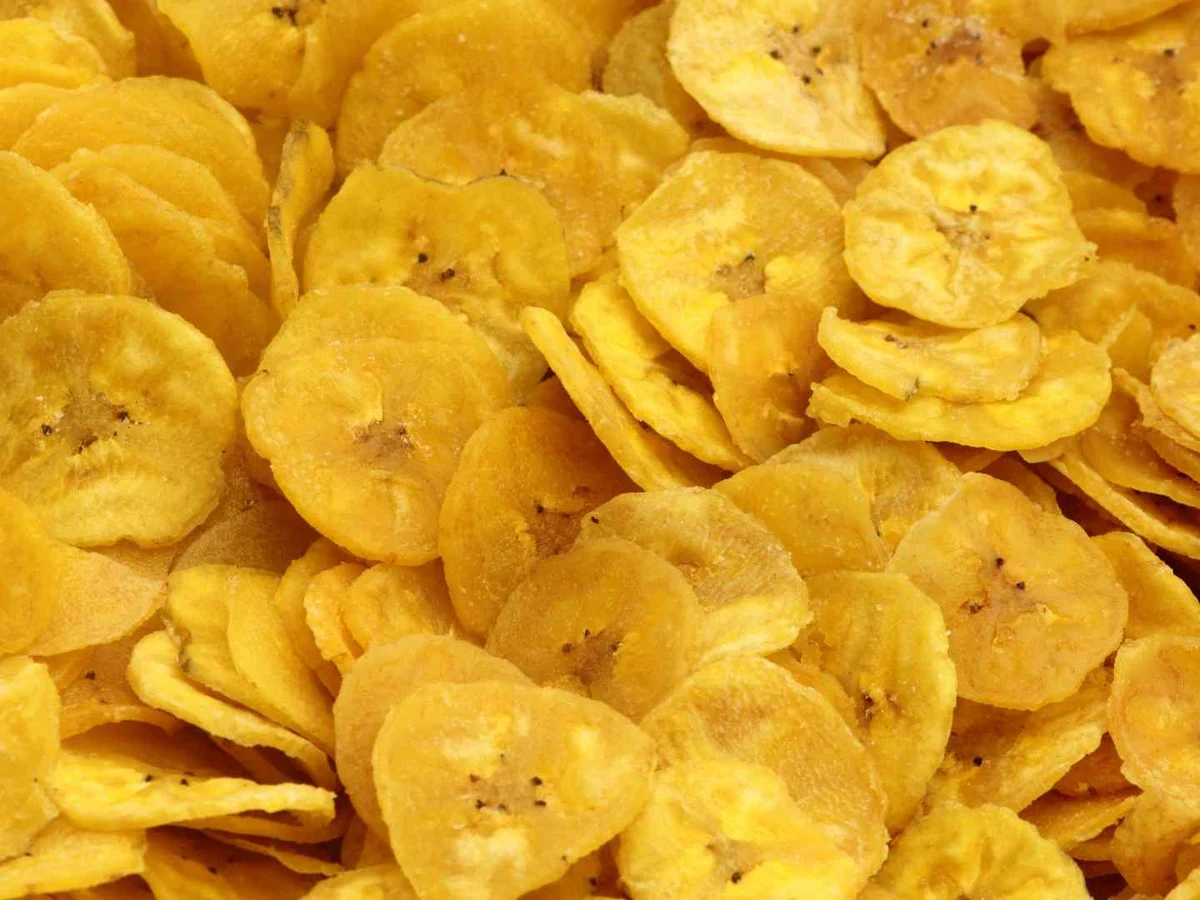
Removing water changes the portion
Drying shrinks the fruit while leaving much of its sugar and energy behind, so several small coins can represent far more banana than they appear to. A cat-sized treat allowance disappears quickly.
Repeated servings may displace complete food and promote weight gain. Human assumptions about potassium and fiber do not convert concentrated fruit into balanced cat nutrition.
Fried chips add oil
Many crisp banana chips are fried in coconut, palm, or vegetable oil before sweetening. The harder texture and added fat distinguish them from flexible air-dried slices.
Rich snacks may cause vomiting or loose stool, particularly in cats with gastrointestinal or pancreatic disease. An oily chip is not a clever way to improve coat shine.
Sugar, honey, and glaze
Sugar-coated chips can be sticky or sharp-edged, while honey and syrup add calories without filling a feline nutrient gap. Powdered coatings also transfer to paws and are swallowed during grooming.
Clean dusty fur with a damp cloth and remove the cat while sweeping. Persistent coughing, squinting, or respiratory distress after an airborne powder spill requires advice.
Salt and savory seasoning
Some banana chips are marketed as savory crisps with salt, chili, barbecue flavor, garlic, onion, or cheese powder. A fruit base does not neutralize concentrated seasoning.
The Merck salt toxicosis review lists intense thirst, digestive signs, incoordination, tremors, and seizures after excessive sodium exposure. One salted crumb is not synonymous with poisoning, but a bag raid deserves quantity-based assessment.
Chocolate-coated banana pieces
Chocolate contains methylxanthines that cats and dogs eliminate slowly, with concentration varying by cocoa type. Dark coatings, cocoa powder, and espresso-flavored products receive greater concern than a trace flavor.
Call with the cocoa percentage, brand, missing grams, time, and cat’s weight. Do not wait for vomiting, agitation, rapid heart rate, tremors, or seizures.
Sugar-free and keto chips
Low-carbohydrate snacks may use sweeteners, protein coatings, nut flour, added fiber, and chocolate. Xylitol is proven highly dangerous to dogs, while equivalent feline toxicity has not been documented.
Species uncertainty does not make the package suitable for a feeding test. A professional should review all ingredients, because the coating and packaging may matter independently.
Hardness, teeth, and choking
Brittle coins can lodge across the palate, break into sharp shards, or be gulped whole during a theft. Cats with dental disease, missing teeth, or swallowing disorders face greater difficulty.
Gagging, repeated swallowing, drooling, mouth pawing, coughing, noisy breathing, or panic warrants immediate attention. Never toss a chip for a cat to catch.
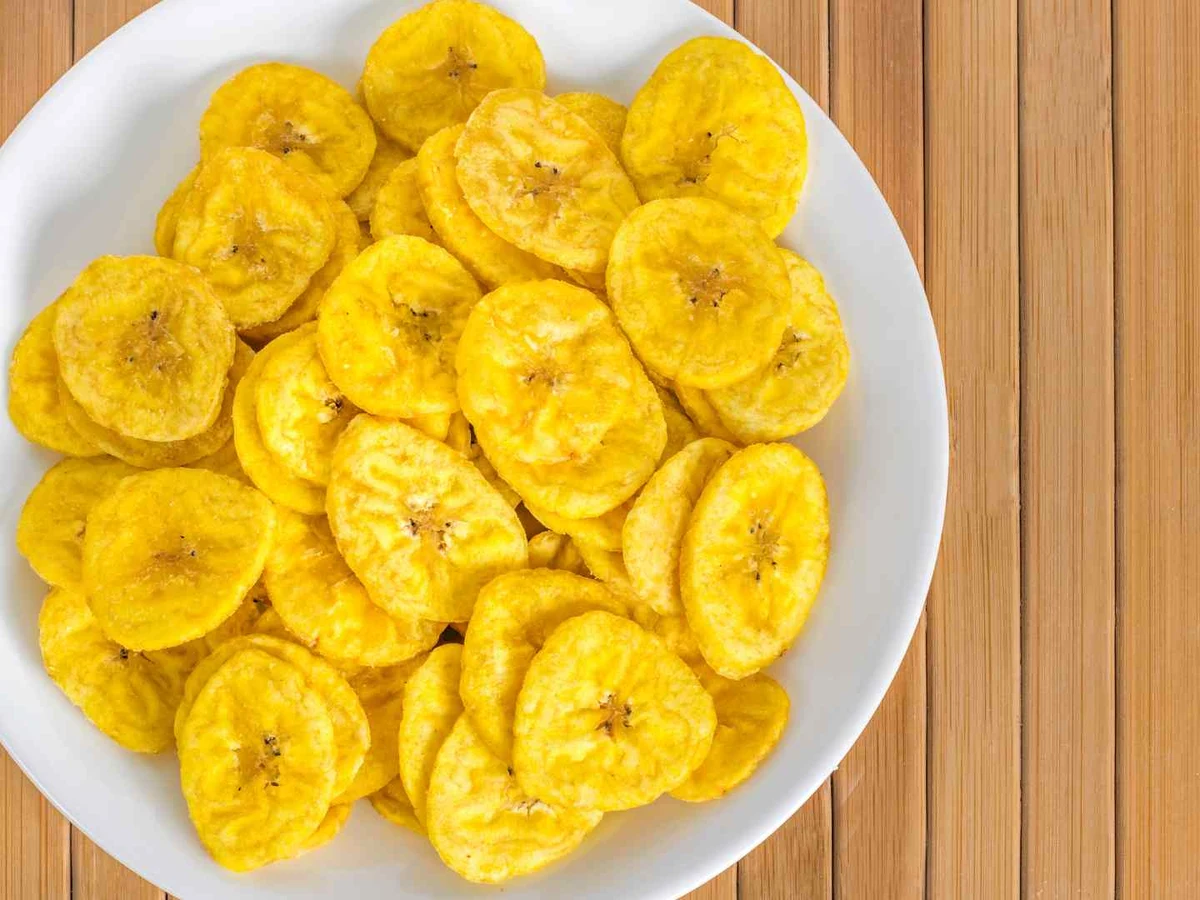
Chewy dried slices can also obstruct
A flexible strip may seem gentler than a crisp coin, yet it can be swallowed as a long piece and swell after absorbing fluid. This is particularly unsuitable for kittens and cats that eat nonfood objects.
Vomiting, appetite loss, abdominal pain, reduced stool, straining, or lethargy following a missing strip needs veterinary assessment. Do not add oil or fiber to move it along.
Freeze-dried banana
Freeze-dried pieces are light and porous but still concentrated and crumbly. Dust can irritate the nose, and a dry chunk may stick briefly in the mouth.
If the veterinarian approves a taste, crumble a pinhead-sized plain piece and moisten it rather than offering a whole cube. Fresh soft banana remains the simpler optional form.
Trail mix is not a banana-chip product alone
Trail mixes commonly add raisins, chocolate, macadamias, other nuts, coconut, yogurt coating, seeds, salt, and candy. A cat may select the strongest-smelling piece rather than the one you noticed missing.
Our articles on bananas, peanuts, pistachios, and chocolate help identify the pieces. Photograph the entire ingredient list.
Storage, mold, and rancid oil
Keep dried fruit sealed away from humidity, pantry insects, and pets. Discard chips with mold, webbing, an abnormal odor, sticky moisture, or rancid oil notes.
Moldy foods may contain toxins capable of causing vomiting or neurologic illness. Tremors, marked agitation, seizures, or overheating after spoiled food is an emergency.
Bags and packets
A crinkly food bag can become a suffocation hazard, while plastic pieces, clips, twist ties, and desiccant packets may be swallowed. Inventory the container even when few chips are gone.
Move snacks into a rigid lidded cupboard container and put emptied bags directly into secured rubbish. That is more reliable than expecting a banana-scented bag to lose a negotiation with a cat.
What treats are built to do
Cornell’s cat-feeding guidance recommends complete food as the foundation and restrained extras. A commercial cat treat or part of the regular ration offers a known serving size without hard fruit discs.
The FDA nutritional adequacy page explains how complete foods are identified on labels. Banana chips are human snacks and should be judged as optional calories, not vitamin delivery.
Sulfites and preservatives
Dried fruit labels may list sulfur dioxide, sulfites, citric acid, or other preservatives. These do not create a feline benefit, and concentrated powder exposure deserves product-specific advice.
A tiny ordinary-food amount is not equivalent to swallowing a freshness chemical or packet. Keep the bag and all inserts available during the call.
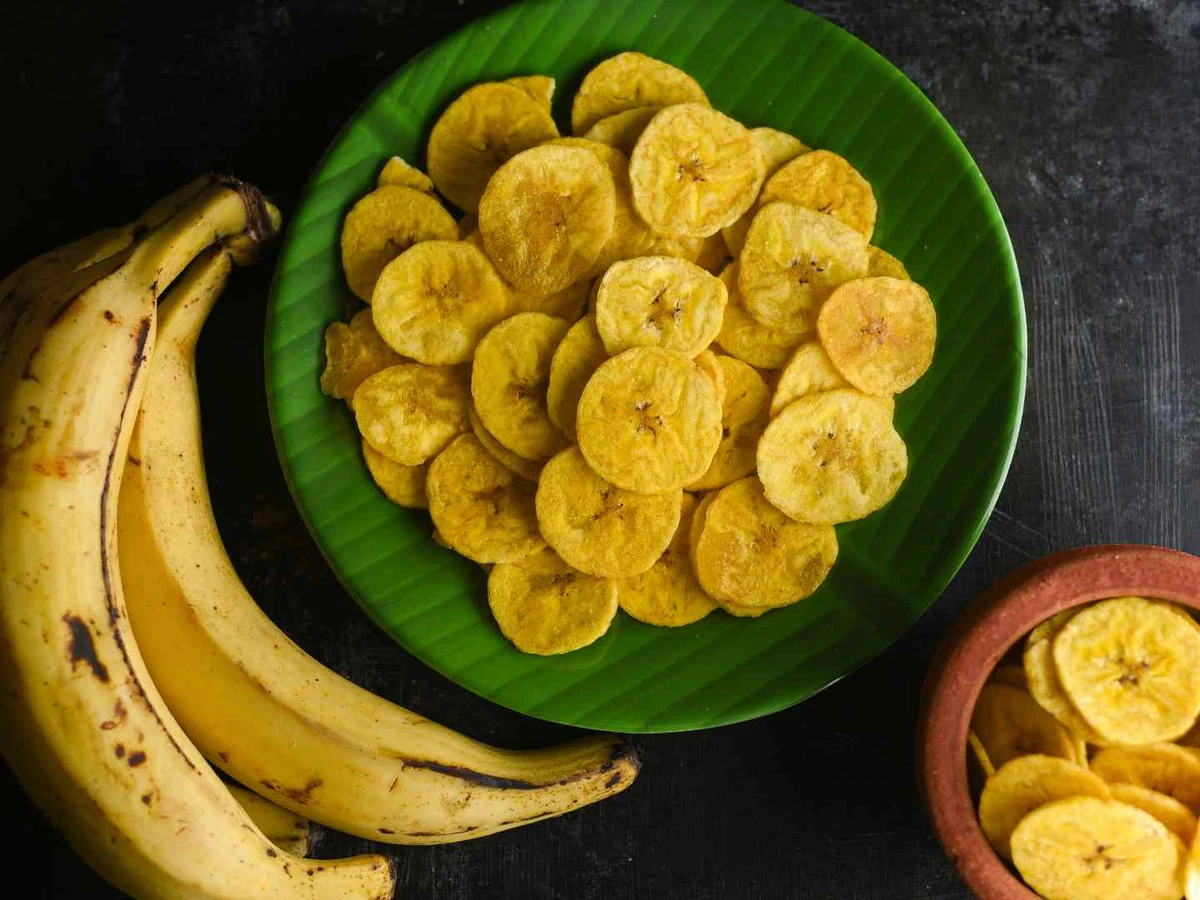
Serving size on the bag is for humans
Nutrition panels usually describe several chips and a person-sized calorie budget. Dividing that printed portion by guesswork does not produce a nutritionally meaningful cat serving.
If optional banana is approved, one soft fresh fleck is easier to measure and hydrate. The cat loses nothing by skipping the crunch.
Dental disease can hide behind snack trouble
A cat that drops chips, chews on one side, chatters, drools, or avoids normal kibble may have oral pain. Hard fruit should not become an informal dental test.
Arrange an examination rather than switching to progressively softer table foods. Dental disease can remain painful even when a cat continues to eat.
Banana-chip crumbs around children
Snack cups left on the floor can contain broken plastic lids, stickers, and mixed foods in addition to fruit. Children may also generously offer several pieces without recognizing a feline portion.
Give family members a small container of approved cat treats if sharing is allowed. Store human snacks above closed cabinet doors, not merely above a determined jump.
Do not use chips for constipation
A dry concentrated fruit snack is an unreliable source of therapeutic fiber and may worsen discomfort if hydration is poor. Constipation can reflect kidney disease, pain, medication, pelvic injury, or obstruction.
Repeated straining, vomiting, appetite loss, or lethargy needs assessment. Urinary blockage can resemble constipation and is an emergency, particularly in a male cat.
A safer enrichment trade
Use a puzzle feeder with measured regular food, hide a few approved treats around one room, or offer supervised wand play. These choices provide novelty without brittle coins.
Rotate activities rather than constantly adding edible rewards. A cat often wanted the crinkly sound and your attention more than the banana.
Imported and bulk-bin products
Bulk snacks may lack the original allergen, oil, preservative, and cross-contact information at home. Imported labels can also use unfamiliar ingredient names or serving units.
Photograph the bin card or ask the retailer for the product specification after an exposure. Avoid giving an unidentified chip simply because its shape resembles banana.
Cats with kidney or heart disease
Salt, potassium, calories, and fat can conflict with some therapeutic plans, depending on diagnosis and laboratory results. A dried fruit marketed as heart-healthy for people is not therefore suitable for a feline cardiac patient.
Ask the treating veterinarian which rewards fit the prescribed diet. A measured piece of regular food maintains far better control than a seasoned pantry snack.
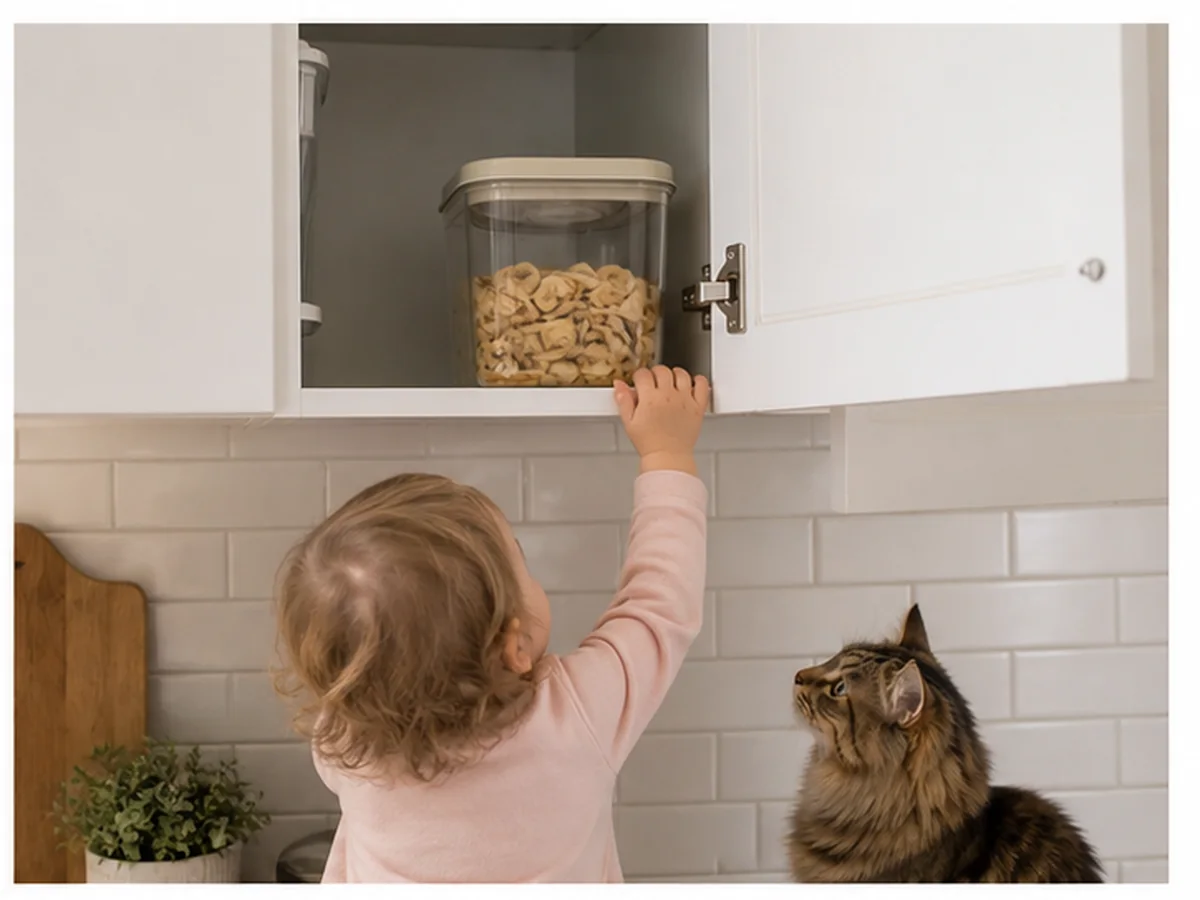
Chips marketed for toddlers
Toddler snacks may be unsweetened and carefully sized for children, but that does not make the pieces appropriate for feline teeth, airways, or nutrition. Mixed pouches can include yogurt drops, raisins, cereal, or vegetable powders.
Read the complete panel and collect floor crumbs before the cat finds them. Child-safe packaging can still have small plastic lids and tear-off tabs that pets swallow.
When vomiting is more than a snack reaction
One isolated vomit can have many causes, while repetition, inability to keep water down, abdominal pain, blood, or increasing lethargy requires a veterinary call. A missing chip bag raises the concern beyond dietary richness.
Do not give human anti-nausea medicine or antacids without a prescription. Some products are unsafe for cats and can obscure an obstruction that needs imaging.
Frequently asked questions
Can cats eat one unsweetened banana chip?
A whole hard coin is unnecessary and can be awkward to chew. If a veterinarian approves banana, use a tiny soft fresh piece instead.
Are dehydrated chips better than fried ones?
They avoid frying oil but remain concentrated, dry, and sometimes chewy. Read for sugar, sulfites, seasoning, and packet parts.
What if my cat swallowed a chip whole?
Watch swallowing and breathing immediately, then call about size, hardness, amount, and symptoms. Gagging or respiratory difficulty is urgent.
The bottom line
Plain banana is not a common feline poison, but banana chips concentrate the fruit and introduce hardness, oil, coatings, and packaging. Choose a cat-specific treat, and call for choking signs, risky flavors, a large amount, spoilage, or missing objects.