Can Cats Eat Lima Beans? Cooked Portions, Raw Risks, and Recipes
A healthy adult cat can usually tolerate one tiny, soft, fully cooked lima bean, but there is no reason to make it a routine treat. Raw or undercooked beans, plant compounds, choking shape, fiber, gas, canned sodium, butter, onion, garlic, ham, succotash, sprouts, mold, pods, hot liquid, and packaging all matter.
Cooked and raw lima beans are not interchangeable
Lima beans, also called butter beans, are legumes available fresh, frozen, canned, or dried. Cultivar, maturity, preparation, and serving recipe change texture and composition.
Plain thoroughly cooked beans are the only form worth considering for a tiny taste. Raw or undercooked lima beans can contain cyanogenic glycosides, with levels varying by variety and processing.
The FDA discusses naturally occurring toxins in foods and emphasizes appropriate preparation. A home serving should follow package cooking directions rather than an improvised low-heat soak.
Do not taste-test undercooked beans on a cat or use a slow cooker recipe that never reaches adequate preparation conditions. When cooking history is uncertain, discard the feline portion.
A tiny plain cooked bean is the low-drama form
Mash one soft cooled bean and offer only a pea-sized portion if the veterinarian allows extras. Do not add salt, butter, oil, stock, bacon, ham, onion, garlic, pepper, sauce, or cheese.
Whole beans are round and can be gulped, particularly by kittens or cats with dental or swallowing problems. Flattening removes some choking geometry without creating nutritional need.
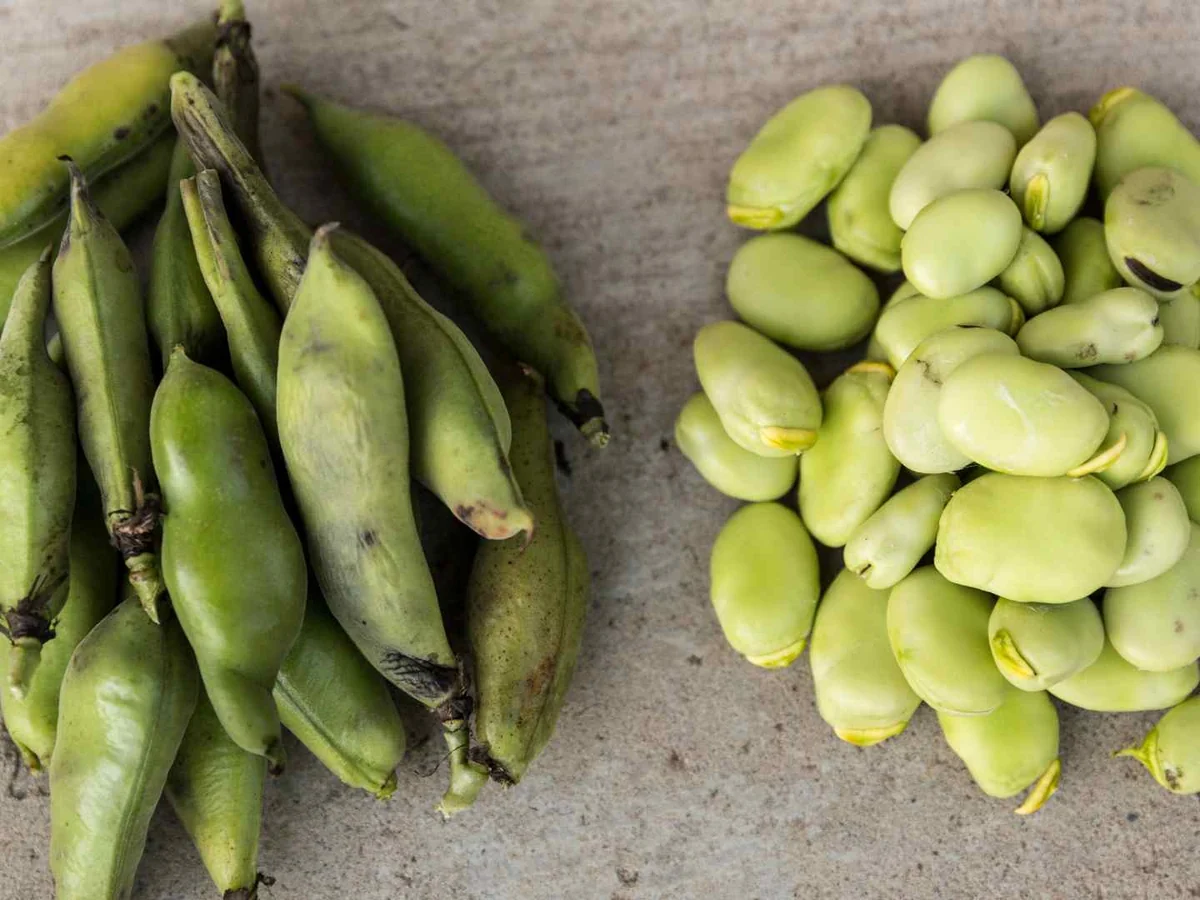
The cat bean guide compares several legumes and their products. Butter bean is a lima-bean name, not evidence that dairy butter belongs in the bowl.
Plant protein does not replace feline nutrition
Lima beans provide protein, starch, fiber, and minerals for human diets, yet their amino-acid pattern and nutrient profile do not meet all feline requirements. Cats need complete food with appropriate taurine, animal-derived nutrients, fatty acids, vitamins, and minerals.
The FDA explains complete-and-balanced pet-food labeling. A bowl of home-cooked beans makes no feline adequacy claim.
Commercial cat food containing legumes must be judged by the finished formulation, life-stage statement, quality controls, calories, and the individual cat. Ingredient-list ranking alone cannot evaluate the diet.
The cat pea guide offers a related pulse comparison, including pods, frozen products, canned salt, and complete-food context. Peas and lima beans remain distinct plants with different preparation concerns.
Fiber and fermentable carbohydrate can upset the gut
A larger serving can produce gas, bloating, soft stool, diarrhea, vomiting, abdominal discomfort, or reduced appetite. Cats with chronic digestive disease have especially little reason to experiment.
Do not prescribe lima beans for constipation, hairballs, diabetes, or weight loss. Fiber plans depend on hydration, diagnosis, calorie needs, and the type and amount of fiber.
Repeated straining with little urine can indicate urinary blockage rather than constipation. Vomiting, vocalizing, lethargy, or a painful belly requires urgent veterinary care.
Dried beans need full preparation
Dried lima beans require sorting, rinsing, and cooking according to reliable directions. Remove stones, broken debris, moldy beans, insects, and foreign material before soaking.
Soaking water and partly cooked beans should remain inaccessible. Hot pots and steam can burn, while large bulk bags can include string, clips, plastic, or desiccant.
Do not use a cat’s willingness to chew a bean as a doneness test. A fully softened bean should crush easily with light pressure.
Frozen and canned forms
| Product | What to check | Cat answer |
|---|---|---|
| Plain frozen lima beans | Ingredient list and complete cooking | Cook soft, cool, mash, and keep any taste tiny. |
| Seasoned frozen vegetables | Butter sauce, salt, onion, garlic | Do not share. |
| No-salt-added can | Packing liquid and lid safety | Still optional and should be rinsed and mashed if approved. |
| Regular canned beans | Sodium, firming agents, flavor | Skip routine feeding. |
| Baked or barbecue beans | Sugar, molasses, bacon, Alliums, spice | Treat as a complex recipe. |
| Refried or mashed beans | Fat, lard, salt, onion, garlic | Not equivalent to plain cooked lima beans. |
An open can rim can slice a curious tongue or cheek, so transfer food with a utensil. Account for pull tabs, foil pouches, and plastic lids.
Butter beans do not require actual butter
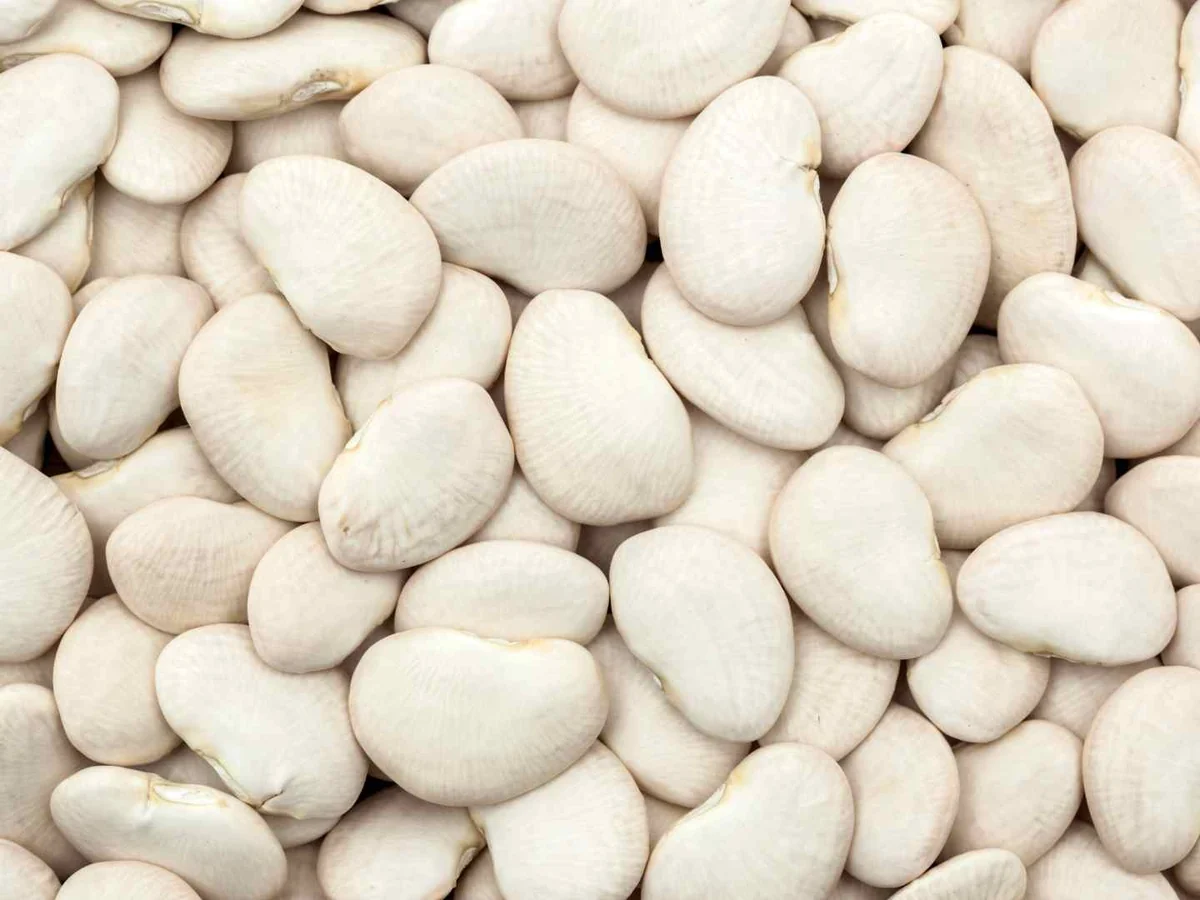
The common name butter bean refers to the bean’s creamy texture, not a recipe instruction. Human dishes may still add substantial butter, cream, cheese, or bacon fat.
Rich servings can cause vomiting or diarrhea, and calories add quickly. The feline butter guide covers fat, dairy, salt, hot pans, and wrappers.
Do not describe every buttery bite as inevitable pancreatitis. Persistent vomiting, abdominal pain, profound lethargy, or food refusal deserves examination regardless of label.
Onion and garlic in bean dishes
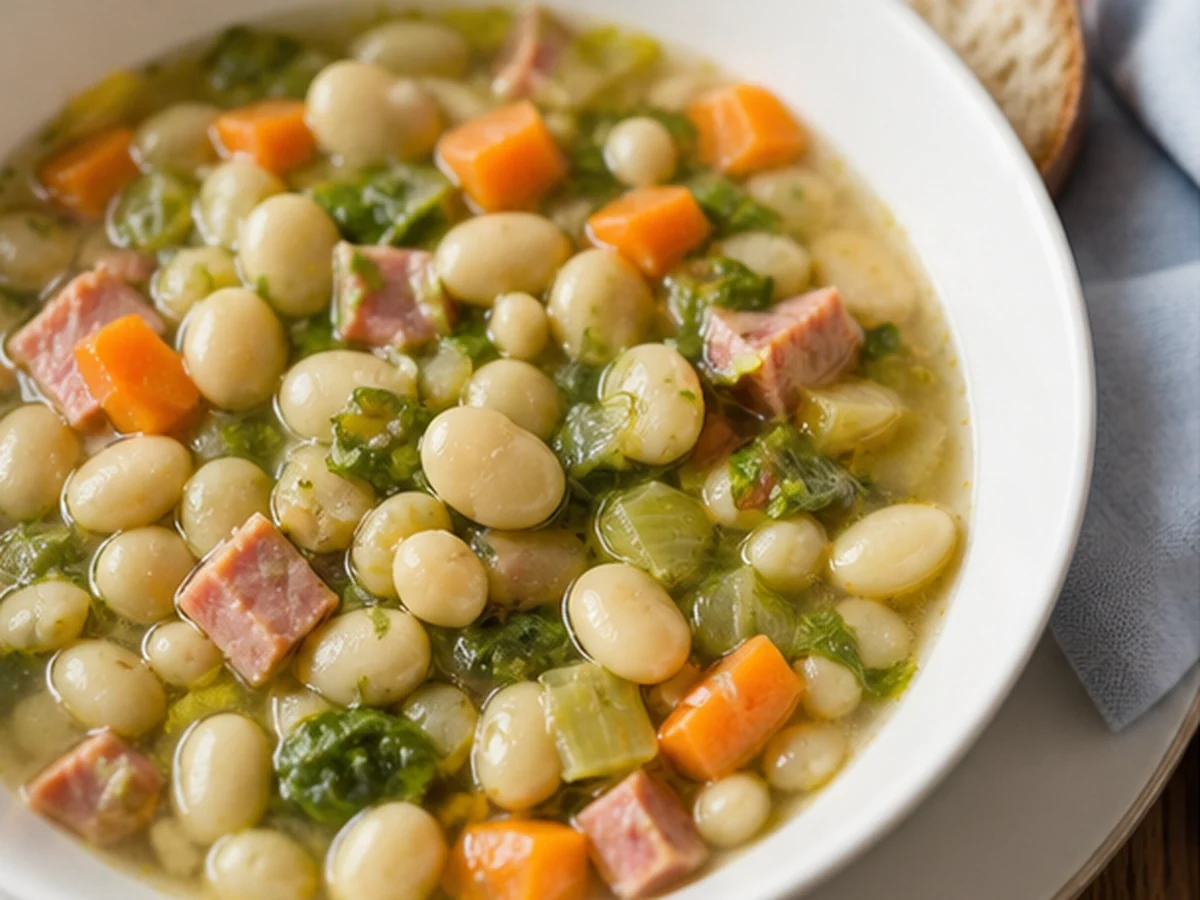
Succotash, casseroles, soups, stews, bean salads, and Southern-style butter beans frequently contain onion, garlic, broth, ham, or seasoning powder. Cooking does not neutralize Allium red-cell toxicity.
The Merck Veterinary Manual notes that cats are particularly susceptible and that anemia can be delayed. Call after known exposure even when the cat appears well.
Weakness, pale or yellow gums, fast breathing, dark urine, and collapse can emerge after initial digestive signs. Save the recipe and report repeated leftovers from recent days.
Ham, bacon, and salt pork
Meat seasoning may bring sodium, fat, preservatives, smoke, casing, bones, and Allium spice. The bean has not become a balanced meat dish merely because pork simmered beside it.
A large salty serving can cause marked thirst, vomiting, weakness, tremors, incoordination, seizures, or abnormal behavior. Provide normal water access without forcing it.
Cats with kidney, cardiac, urinary, or blood-pressure conditions may have prescribed sodium targets. A rinsed bean from a ham pot is not medically plain.
Pods, leaves, gardens, and compost
Pods are tough and fibrous, while vines, leaves, roots, soil, fertilizer, pesticide, stakes, and netting expand a garden incident. Do not offer plant trimmings as enrichment.
Prevent grooming after wet garden chemical contact and keep the product label. Organic and natural language does not prove feline safety.
Compost can add mold, coffee grounds, onion, garlic, bones, string, and fermented scraps. Report the entire bin rather than the bean on top.
Sprouted lima beans and raw hygiene
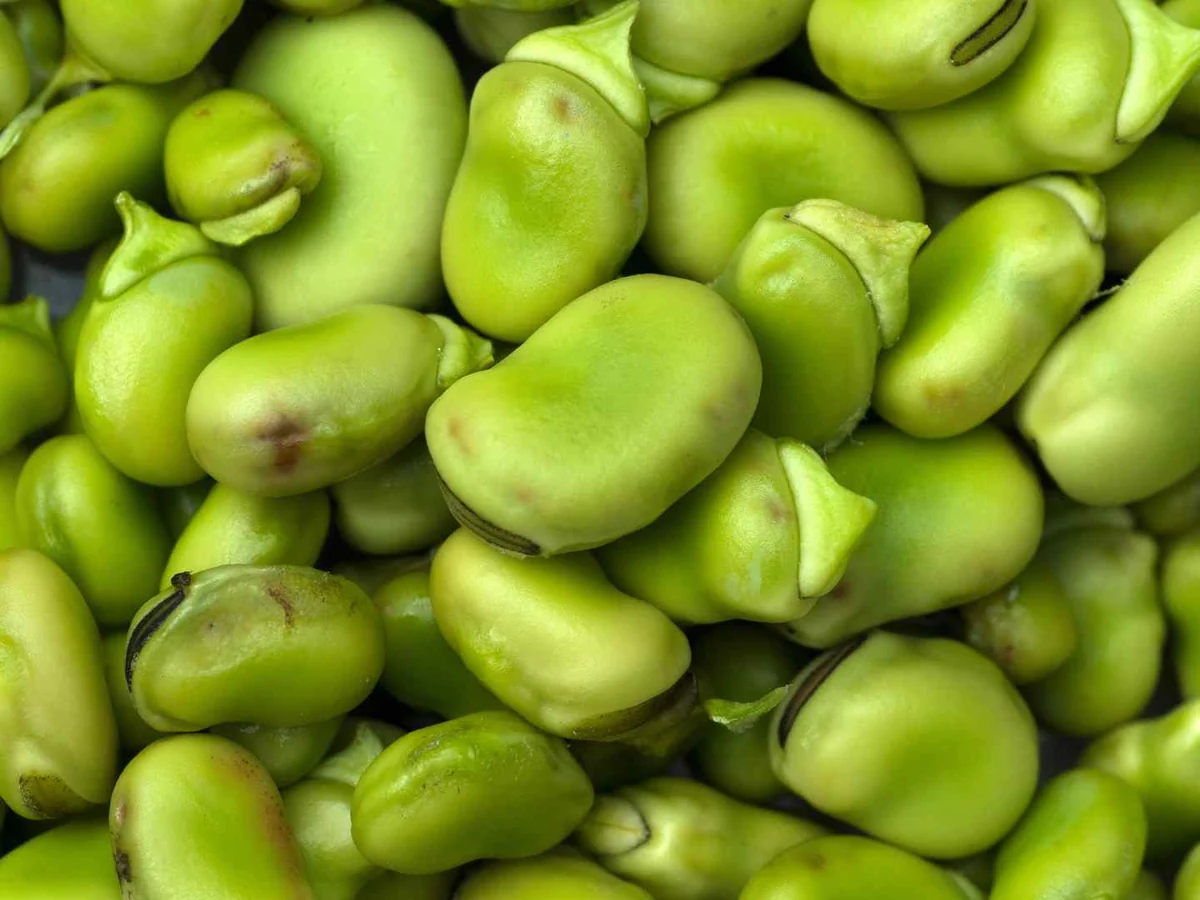
Sprouting requires warm moist conditions that also favor harmful bacterial growth. Washing sprouts does not guarantee removal of contamination embedded in tissue.
The FDA warns about bacterial risk from raw sprouts. Cats, kittens, and vulnerable household members gain no benefit from sharing them.
Keep sprouting jars, rinse water, screens, and raw sprouts away from cats. Cook human servings thoroughly and clean contacted surfaces.
Storage and spoilage
Refrigerate cooked beans promptly in a clean covered container and follow package directions after opening. Discard leftovers with mold, slime, fermentation, leaking, or an uncertain warm interval.
Do not remove a visible patch and offer the rest to a pet. Reheating cannot guarantee mishandled food becomes safe.
After a bean raid
- Name the form: raw, soaked, undercooked, plain cooked, canned, frozen, sprouted, garden, soup, or casserole.
- List the recipe: butter, salt, pork, onion, garlic, stock, sugar, dairy, and spice all matter.
- Record amount and time: include cat weight, cooking method, storage, symptoms, and repeated access.
- Find objects: count pods, bag string, clips, cans, lids, packets, netting, and skewers.
- Call promptly: seek advice for raw beans, Alliums, a large amount, garden chemicals, sprouts, spoilage, or symptoms.
Cats with little room for bean experiments
Kittens need dense growth nutrition and can choke on a whole bean. Seniors and cats with diabetes, obesity, inflammatory bowel disease, constipation, swallowing problems, or therapeutic diets should skip casual tastes.
A formal elimination diet is only interpretable when extras stay out. Butter-bean casseroles can introduce dairy, pork, Alliums, legumes, and spice in one small spoon.
If the cat refuses regular meals, do not use creamy beans to tempt appetite for days. Prompt evaluation matters because inadequate intake can produce serious complications.
Preventing pantry and pot access
Store dry beans in rigid containers and clear dropped pieces before a cat finds them beneath the stove. Put soaked beans and their water in a closed refrigerator container.
Keep the cat outside the kitchen while draining boiling water and opening cans. A measured portion of regular food in another room is a safer project than patrolling the pressure cooker.
Beans in complete commercial food
Lima beans may appear within a formulated pet food or treat, although other legumes are more common. Judge the finished product by its adequacy statement, calorie content, intended species, quality controls, and feeding directions.
Do not add home-cooked beans because a commercial recipe lists a legume. The manufacturer balances the entire formula, while a kitchen spoon changes calories and nutrient ratios without that context.
Transition diets only as advised. A sudden food change can cause digestive upset that gets unfairly assigned to the most recognizable bean on the ingredient list.
Frequently asked questions
Can kittens eat lima beans?
Growing kittens should fill their small stomachs with complete life-stage nutrition. Skip legumes as treats and keep whole beans, hot pans, bags, and pods inaccessible.
Are canned lima beans safe for cats?
A tiny rinsed, mashed piece from a plain no-salt-added can may be low risk, but canned beans are unnecessary. Check sodium, seasoning, lid, and the cat’s medical diet.
Can cats eat butter beans?
Butter bean is another name for lima bean. Only a fully cooked, plain, soft fleck is even worth considering, with no actual butter or seasoning.
What if my cat ate a raw lima bean?
Save the bag, estimate amount and time, and call for product-specific advice. Do not induce vomiting or experiment with home cooking after ingestion.
Bottom line
A soft plain lima bean can be a low-risk curiosity, but raw preparation, fiber, Alliums, pork seasoning, sprouts, pods, and packaging make the larger menu needlessly busy. Keep the portion microscopic and let complete feline food do the serious nutritional work.