Can Dogs Eat Jalapeños? Capsaicin, Pickles, Sauces, and Safety
Jalapeños are not a suitable dog treat, although a tiny trace in cooked food usually causes irritation rather than classic systemic poisoning. Capsaicin can burn the mouth, eyes, and digestive tract, while whole peppers, pickled products, sauces, powders, and spicy dishes add choking, sodium, Allium, fat, and packaging risks.
Capsaicin is the main pepper problem
Capsaicin activates heat and pain receptors, creating the familiar burning sensation without actually making food hot in temperature. Dogs do not need that sensation for enrichment, flavor, vitamins, or training.
Poison Control’s capsaicin overview describes irritation of the mouth, throat, eyes, skin, and gastrointestinal tract. More concentrated exposure can produce more severe symptoms.
A dog may drool, lick the lips, paw at the mouth, gulp, drink urgently, vomit, develop diarrhea, or act restless after eating hot pepper. Coughing or gagging can reflect irritation, aspiration, or a piece lodged in the throat.
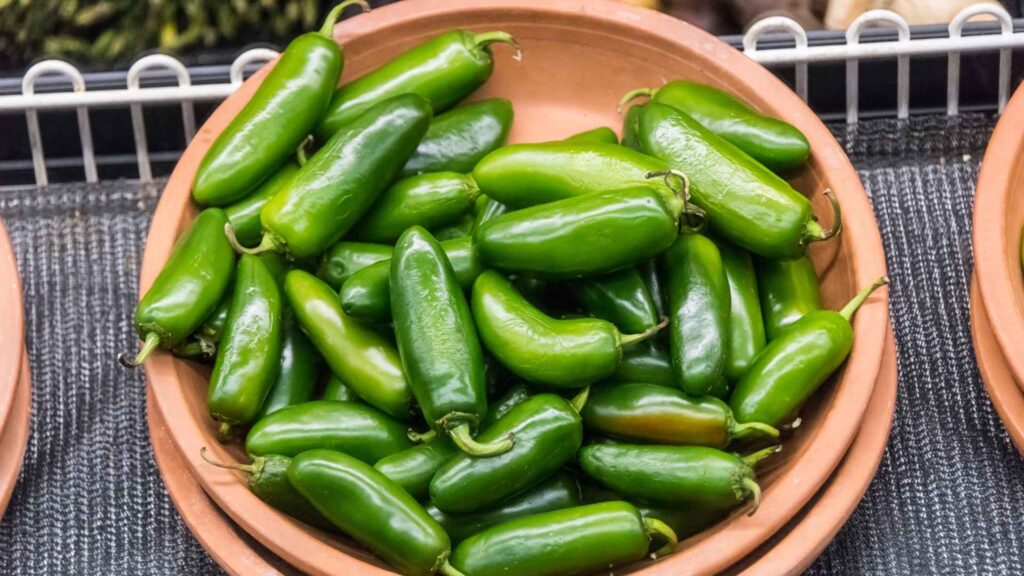
Jalapeño heat varies between peppers and products, so color or size does not provide a dependable dose. A tiny cooked fleck is a different exposure from a whole raw pepper, a spoonful of sauce, or concentrated powder.
Is jalapeño poisonous to dogs?
Calling every jalapeño exposure toxic can create unnecessary panic, but calling it safe ignores predictable pain and digestive upset. The practical answer is to avoid intentional feeding and assess accidental exposures by form, amount, ingredients, and symptoms.
Capsaicin is an irritant rather than a reason to promise organ failure after one small bite. Severe vomiting, breathing difficulty, collapse, marked weakness, eye injury, or a large concentrated exposure still requires prompt professional help.
Do not use a dog’s willingness to eat spicy food as a safety test. Some dogs gulp first and experience irritation minutes later.
A tiny cooked trace versus a whole pepper
A healthy adult dog that licked a crumb from mildly seasoned food and remains comfortable may only need close observation. Remove the food, offer normal access to fresh water, and do not encourage more drinking than the dog wants.
A whole pepper adds a bulky stem, firm skin, seeds, and a larger capsaicin load. Small dogs, flat-faced dogs, dental patients, and habitual gulpers face more choking and swallowing trouble.
Seeds and the pale internal ribs often carry surface capsaicin, but removing seeds does not make jalapeño flesh a dog treat. Heat varies, and chopped pepper can spread capsaicin through an entire dish.
The green stem is fibrous and awkward to swallow. It is not the source of a special antidote, and it should never be offered as a chew.
What to do for mouth irritation
Remove remaining food and prevent face rubbing on carpets or furniture. Avoid putting soap, alcohol, vinegar, essential oils, numbing gel, antacid, or human pain medicine in the dog’s mouth.
Offer ordinary fresh water if the dog wants it, but do not force fluid or pour milk into the mouth. Forced liquids can be aspirated, and dairy may create additional stomach trouble.
Call a veterinarian if drooling, gagging, coughing, vomiting, pain, or distress is more than brief or mild. Breathing difficulty, blue or pale gums, collapse, or inability to swallow is an emergency.
Powder and eye exposure
Chile powder, cayenne, pepper spray residue, and dried jalapeño dust can become airborne and contact the eyes or airways. Concentrated powder is not comparable to a visible fleck of cooked pepper.
If powder reaches the eyes, prevent rubbing and rinse gently with plenty of room-temperature water or sterile saline while contacting a veterinarian. Do not place oil, soap, milk, or redness-relief drops in the eye unless directed.
Squinting, holding the eye closed, cloudiness, persistent redness, discharge, or apparent vision trouble needs prompt examination. Eye damage can worsen while a dog appears otherwise normal.
Move the dog into fresh air after airborne spice exposure without putting people at further risk. Persistent coughing, wheezing, labored breathing, weakness, or collapse warrants emergency care.
Pickled jalapeños bring brine and sodium
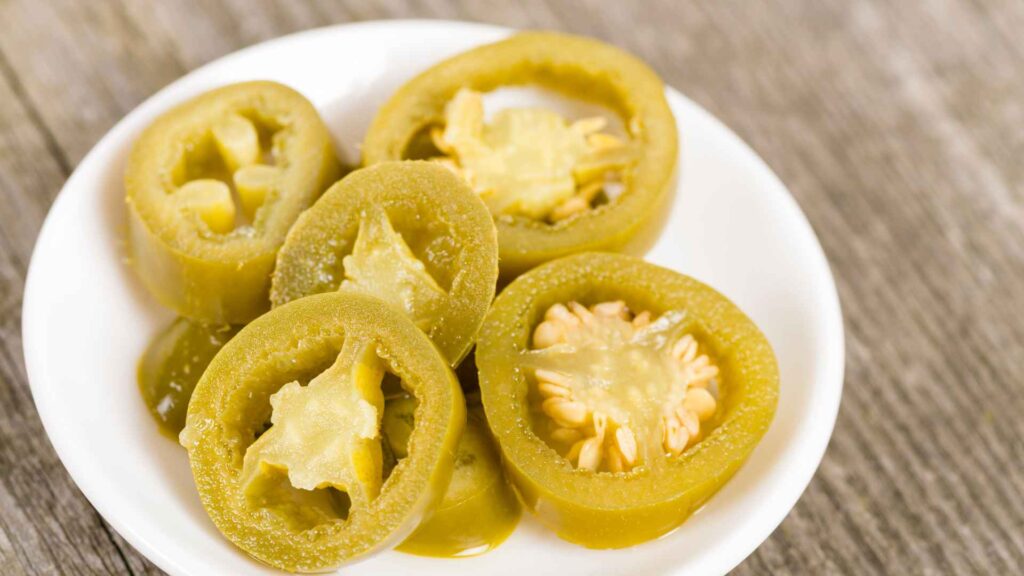
Pickled rings contain vinegar and often substantial sodium, plus preservatives, calcium chloride, sugar, spices, onion, or garlic. Read the label because brands and restaurant recipes differ.
Merck’s salt toxicosis guide explains that excessive sodium becomes especially hazardous when water is limited. One dropped ring is not automatically salt poisoning, but a jar raid needs a more careful calculation.
Save the jar, estimate missing liquid and solids, and account for the lid, seal, and glass. A chewed jar or missing metal lid can be more urgent than the pickle ingredients.
Sauces and spicy dishes
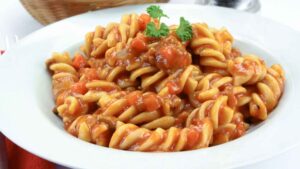
Salsa, queso, nachos, chili, tacos, pizza, stuffed peppers, hot sauce, and jalapeño poppers are mixtures. Onion, garlic, cheese, fat, salt, alcohol, tomato, avocado, meat drippings, and wrappers may change the response.
The Merck Allium guide explains that onion and garlic can damage red blood cells and that cooked or powdered forms still matter. Delayed signs make a normal first hour poor reassurance after a meaningful Allium exposure.
Use the site’s onion guide when a recipe contains onion, powder, or an unknown amount. Do not focus on the visible pepper while overlooking a concentrated seasoning packet.
Guacamole commonly combines avocado with jalapeño, onion, garlic, lime, and salt. The guacamole guide explains why the complete recipe matters more than one green ingredient.
Jalapeño poppers and fried foods add breading, oil, cheese, bacon, and rich sauces. Large fatty meals can trigger serious gastrointestinal trouble and are especially concerning for dogs with pancreatitis history.
Hot sauce may include garlic, onion, salt, vinegar, fruit, sweeteners, or concentrated pepper extract. A bottle label and missing volume are far more useful than the word spicy.
Green bell peppers are different
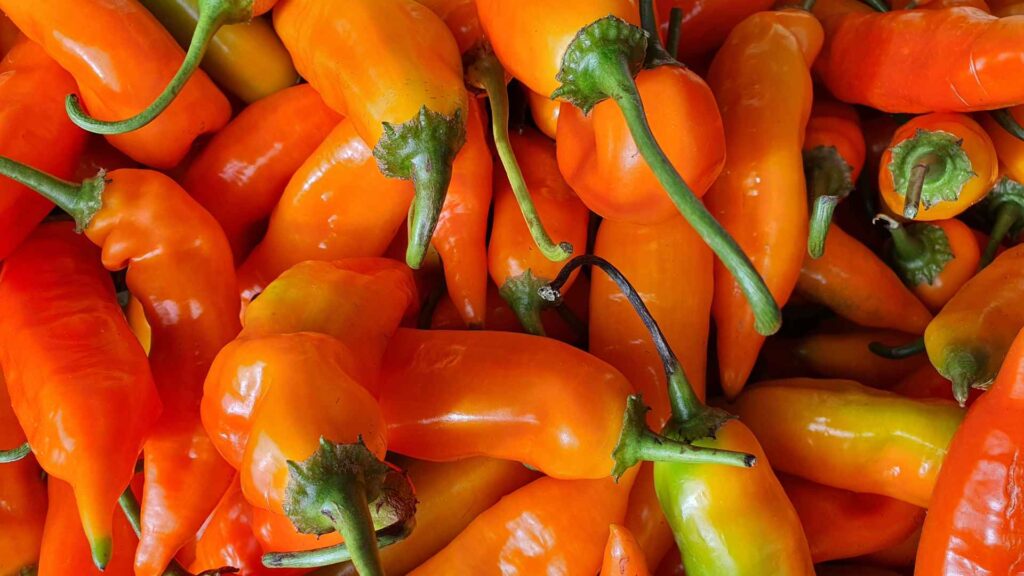
A green bell pepper is a mild ripe-stage vegetable from a different cultivar group, not a jalapeño with the heat removed. Plain bell pepper flesh may be offered differently, though stems, whole pieces, and seasonings still matter.
The green pepper guide covers mild bell pepper preparation and choking precautions. Do not use it as permission for serranos, habaneros, poblanos, or unidentified garden peppers.
Pepper plants can be mislabeled or cross-contaminated in mixed garden beds. If the plant is uncertain, photograph fruit, flowers, leaves, and the label rather than tasting to identify it.
How much is too much?
No universal jalapeño dose predicts the reaction in every dog. Pepper heat, preparation, body size, existing disease, amount, and co-ingredients all change the picture.
The WSAVA treat guide sets a general ceiling for optional extras, but that ceiling is not a target for irritating foods. Jalapeños offer no benefit that justifies finding a tolerance limit.
Puppies, toy breeds, flat-faced dogs, dogs with reflux or intestinal disease, and dogs taking medications deserve a lower threshold for veterinary advice. So do dogs with kidney, heart, or sodium-restricted diets after a brine exposure.
What to do after a jalapeño raid
- Remove access and identify raw pepper, cooked trace, pickle, sauce, powder, or mixed dish.
- Save the label or recipe and note onion, garlic, salt, fat, alcohol, chocolate, and sweeteners.
- Estimate the amount, concentration, time, dog weight, symptoms, medical history, and water access.
- Account for stems, skewers, toothpicks, wrappers, bags, bottles, jars, lids, and broken glass.
- Call for significant exposure, more than mild brief irritation, dangerous co-ingredients, or missing packaging.
Do not induce vomiting unless a veterinarian specifically directs it. Bringing irritating pepper back through the esophagus may cause more discomfort, and foreign objects can lodge during vomiting.
Do not give bread, oil, salt, charcoal, antacids, anti-diarrheal medicine, or human pain relievers as a home antidote. The safest response depends on the product and clinical signs.
Monitor appetite, comfort, breathing, vomiting, stool, and energy rather than repeatedly offering different foods. Multiple home remedies make it harder to identify what is causing a new symptom.
When it is an emergency
Go urgently for breathing difficulty, blue or pale gums, collapse, seizures, severe weakness, repeated unproductive retching, a swollen painful abdomen, or inability to swallow. Call ahead while traveling if someone can do so safely.
Repeated vomiting, bloody diarrhea, marked abdominal pain, ongoing eye pain, or profound lethargy also needs prompt assessment. A whole pepper or missing packaging raises the stakes even before signs become severe.
If a meaningful onion or garlic amount was in the dish, follow professional guidance even if the dog seems normal. Red-blood-cell injury can be delayed.
Frequently asked questions
Can dogs taste spicy food?
Dogs can experience capsaicin irritation and pain. A muted reaction at first does not mean the pepper is comfortable or beneficial.
Will one jalapeño slice kill a dog?
One small slice does not guarantee severe poisoning, but the response depends on dog size, pepper heat, recipe, and symptoms. Remove access, check ingredients, and call if concern or discomfort is significant.
Are pickled jalapeños safer?
No. Pickling does not eliminate capsaicin and adds brine, sodium, acidity, seasonings, and packaging variables.
Can I feed a pepper after removing the seeds?
Removing seeds does not remove all capsaicin and does not create a reason to serve jalapeño. Choose a non-irritating treat instead.
The bottom line
Do not intentionally feed jalapeños to dogs. A tiny accidental trace often causes little or brief irritation, but whole peppers, concentrated powder, pickles, sauces, and rich dishes deserve closer assessment.
Protect the eyes and airways, identify every ingredient, and call when symptoms persist or the amount is meaningful. Treat breathing trouble, collapse, severe pain, or inability to swallow as an emergency.