Can Dogs Eat Almond Flour? Baking, Dust, and Ingredients
A small amount of ordinary sweet-almond flour baked into a simple food is not generally toxic to dogs, but almond flour is fatty, calorie-dense, and easy to inhale when dry. Bitter almond products, raw batter, xylitol, chocolate, raisins, yeast, and large amounts need separate attention.
The practical answer
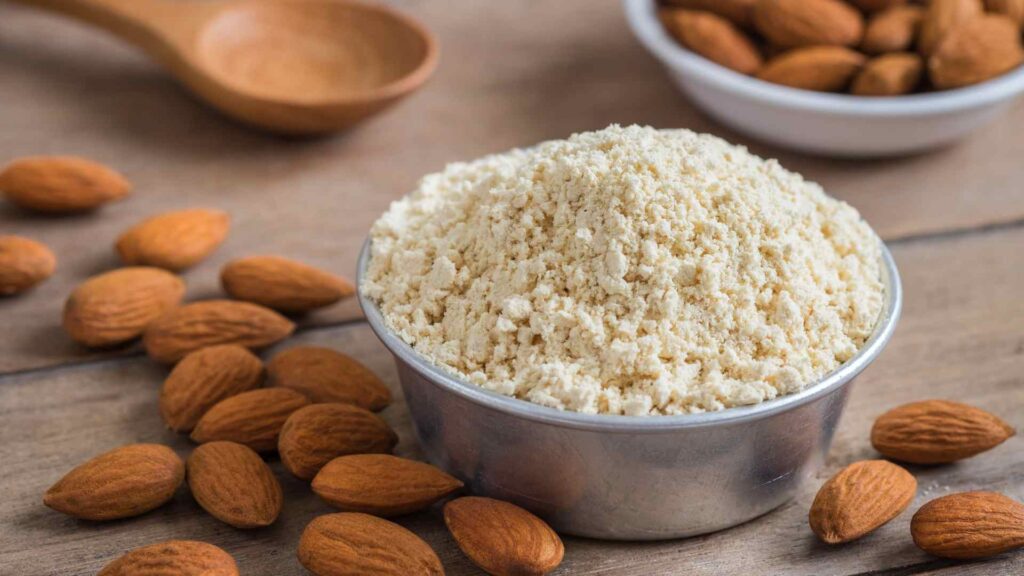
If a healthy dog ate one small bite of a fully baked, plain food made with ordinary retail almond flour and is acting normal, identify every ingredient and observe. Stop after vomiting, diarrhea, itching, or discomfort.
Call after a large amount, dry-powder coughing, breathing trouble, bitter almond flour, unknown imported powder, xylitol, chocolate, raisins, raw yeast dough, alcohol, severe symptoms, or swallowed bag, scoop, clip, wrapper, parchment, foil, or desiccant packet.
Ordinary almond flour
Almond flour is usually made from finely ground blanched or unblanched sweet almonds, while almond meal may be coarser and retain skins. Neither is a complete canine food or a gluten-free health treatment.
The ASPCA distinguishes sweet almonds from bitter almonds, noting that sweet almonds sold for consumption are not considered toxic but can cause gastrointestinal upset and pancreatitis concerns.
Bitter almonds need separate handling
Bitter almonds contain much higher cyanogenic compounds and are not equivalent to routine retail sweet-almond flour. A bitter taste, bitter-almond label, apricot-kernel product, or uncertain imported powder deserves prompt poison guidance.
The FDA explains that amygdalin occurs in bitter almonds and can release cyanide. That evidence should not be stretched into a claim that ordinary commercial sweet-almond flour is a cyanide emergency.
Do not taste an unknown powder to identify it. Save the package, lot, country of origin, ingredient list, and amount missing, and keep other pets and people away.
Dry powder and the airway
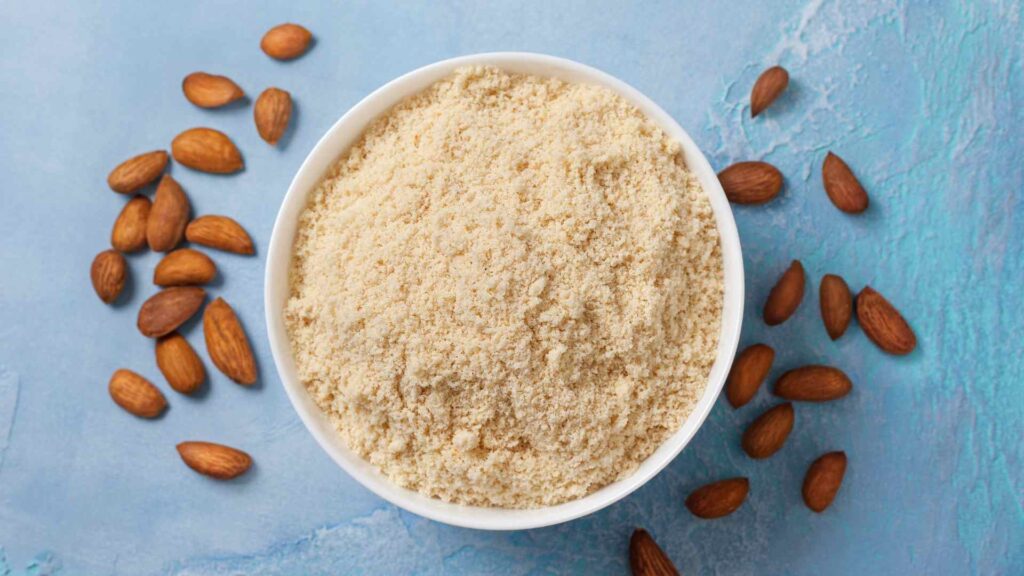
Fine almond flour can form a cloud when a bag drops, and a dog sniffing or licking the spill may cough, sneeze, gag, or irritate the eyes. Move the dog to clean air and prevent frantic cleanup licking.
Persistent coughing, wheezing, labored breathing, blue or pale gums, collapse, or marked eye pain requires urgent care. Do not force water or food into a coughing dog.
Vacuum or clean the spill with pets outside the area, following appliance and allergy-safety guidance. Secure the dust bag, paper towels, and flour package afterward.
Choking and sticky clumps
Dry flour can cake with saliva, while nut-flour dough and dense baked goods can form sticky mouthfuls. Large pieces are especially risky for dogs that gulp or have dental, neurologic, or swallowing disease.
Coughing, repeated swallowing, drooling, pawing at the mouth, breathing trouble, or blue gums is an emergency. Do not sweep blindly or push the material down with another food.
Fat, calories, and pancreatitis
Almond flour contains much of the nut’s oil and calories, so it behaves differently from a low-fat grain flour. A cup-level theft or rich almond pastry can deliver a substantial fat load.
The ASPCA notes that almonds and other nuts are high in oils and fats, which can cause vomiting, diarrhea, and potentially pancreatitis in some pets.
Dogs with prior pancreatitis, high triglycerides, obesity, diabetes, or a low-fat prescription diet need stricter advice. Repeated vomiting, appetite loss, weakness, dehydration, or abdominal pain needs care.
Raw batter and dough
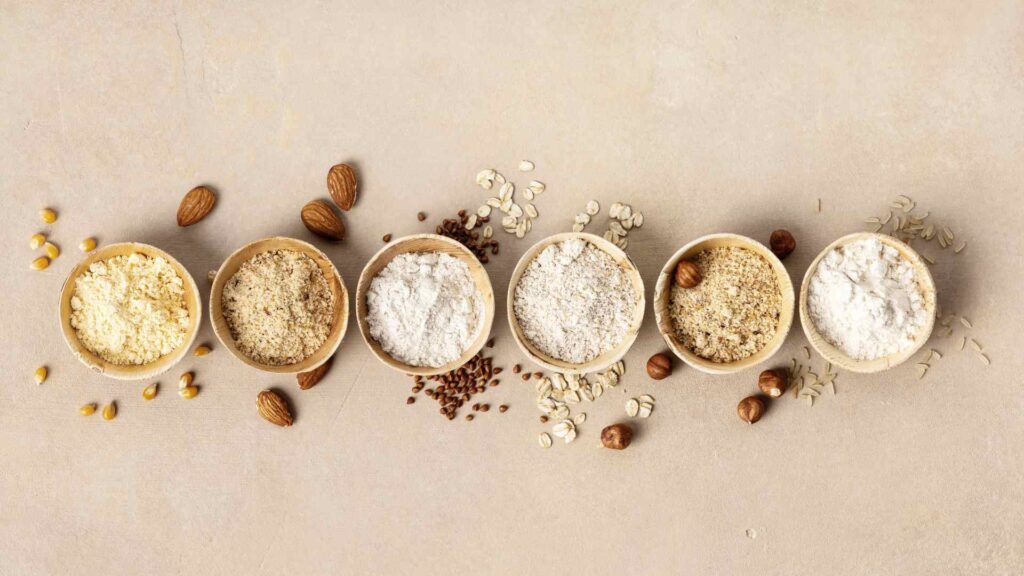
Raw batter may contain eggs, dairy, chocolate, coffee, alcohol, raisins, macadamia nuts, xylitol, or medication-like supplements. Raw yeast dough creates its own expansion and ethanol emergency.
Do not judge a bowl raid by almond flour alone. Save the full recipe, measure what remains, and report whether yeast was active or the batter was fully baked.
Our sourdough guide explains raw yeast-dough risk, while our sugar guide separates conventional sugar from xylitol.
Xylitol in low-carb baking
Keto, sugar-free, low-carb, and gluten-free recipes may use xylitol, but those labels do not name the sweetener. Almond flour and xylitol frequently appear in the same style of recipe without being chemically related.
The FDA advises immediate veterinary contact after possible xylitol ingestion. Check for birch sugar or wood sugar and do not wait for weakness or seizures.
Chocolate, raisins, and macadamias
Brownies, cookies, fruit bread, energy bites, and trail-mix bars can contain ingredients more urgent than almond flour. Cocoa powder and dark chocolate are concentrated, raisins pose kidney risk, and macadamias are toxic to dogs.
Our chocolate guide and raisin guide cover two common baking emergencies. Keep the exact recipe and product weights.
Almond allergy and intolerance
Dogs can react adversely to food proteins, although one soft stool cannot diagnose almond allergy. Facial swelling, widespread hives, breathing difficulty, weakness, or collapse after eating requires emergency care.
Recurring itching, ear disease, vomiting, or diarrhea needs a structured veterinary workup. During an elimination diet, almond-flour treats can invalidate results if nuts are not approved.
Gluten-free is not a canine health claim
A food can be gluten-free and still be fatty, sugary, salty, unbalanced, or toxic because of another ingredient. Most dogs do not need gluten avoidance without a diagnosed reason and a complete diet plan.
Do not use almond flour to treat allergies, inflammation, digestive disease, diabetes, weight, or skin problems. Substituting flour changes a recipe, not the need for veterinary diagnosis.
Homemade dog treats
A homemade treat is only as appropriate as its complete recipe, calorie density, baking, storage, and portion. Almond flour does not make a treat nutritionally complete or safer than a simpler approved ingredient.
Use a veterinary nutritionist’s formula when treats are frequent or the dog has disease. Random swaps can change moisture, texture, calories, and nutrient concentrations.
Storage and rancidity
Because almond flour contains fat, it can become stale or rancid and may require cool storage after opening. Follow the manufacturer’s directions and discard old, damp, moldy, infested, or oddly scented flour securely.
Do not use the dog to dispose of expired flour or failed baked goods. Save lot information if several people or animals become ill after the same package.
Diet balance and portion
A small baked bite can contain more calories than it appears to because nut flour is dense. Count it among all treats, chews, toppers, table scraps, and pill foods.
The UC Davis treat guidance recommends keeping extras below 10 percent of calories. Puppies and small dogs can exceed that quickly.
What to do after a flour theft
- Identify ordinary sweet-almond flour, bitter almond, almond meal, apricot-kernel powder, or a mixed baking product.
- Save the package and full recipe, including every sweetener, chocolate, fruit, nut, yeast, and supplement.
- Estimate the amount, time, dog’s weight, conditions, medicines, symptoms, and missing packaging.
- Move coughing dogs away from dust and do not force food or water.
- Call promptly for breathing trouble, bitter or unknown product, dangerous co-ingredients, severe signs, or foreign material.
Do not induce vomiting or give oil, milk, salt, charcoal, or another remedy without veterinary direction. Powder inhalation and mixed dough ingredients can make improvised care unsafe.
Almond protein powder and defatted flour
Partially defatted almond protein flour and almond-based protein blends are not identical to ordinary baking flour. They may include flavors, vitamins, caffeine, cocoa, sweeteners, or other protein sources.
Read the complete supplement panel and serving size. A concentrated sports product needs product-specific advice rather than assumptions based on ground almonds.
Marzipan and almond paste
Marzipan and almond paste combine almonds with substantial sugar and may include egg, chocolate, alcohol, flavor extracts, or decorations. Sugar-free specialty versions require another xylitol check.
A decorative piece may also contain foil, wire, toothpicks, plastic supports, or hard candy. Inventory the entire cake or confection after a theft.
Macarons, cookies, and cakes
Almond-flour baked goods often add butter, cream, chocolate, coffee, raisins, alcohol, macadamias, or rich frosting. A single named flour rarely determines the exposure risk.
Keep bakery labels and recipes, then estimate the finished product amount rather than the dry flour alone. Report whether the food was fully baked and cooled.
Puppies and special diets
Puppies need nearly all calories from complete growth food, while small dogs can exceed a treat allowance with one dense cookie. Pancreatic, endocrine, gastrointestinal, allergy, and weight conditions require individualized limits.
Therapeutic diets and elimination trials should not receive casual gluten-free treats. “Free from” one ingredient does not mean compatible with the dog’s clinical plan.
Multiple pets and uncertain powder loss
Separate pets, inspect muzzles and paws, and compare the remaining bag with its original weight. Flour tracked through the kitchen may look like ingestion even when most stayed on the floor.
Monitor each dog for cough, eye irritation, vomiting, stool change, appetite, abdominal comfort, itching, and breathing. Call when symptoms persist or product identity remains uncertain.
When the bag was only torn
A torn bag does not prove that the missing weight was swallowed. Check the floor, cabinet, dog bed, paws, beard, and nearby trash before estimating exposure, but keep the dog away from airborne dust during cleanup.
Give the veterinarian an honest range when the amount remains uncertain. The package size, remaining weight, powder on the floor, time window, and number of pets are more useful than a confident guess.
Bottom line
Ordinary sweet-almond flour in one small fully baked plain bite is usually low risk for a healthy dog, but it offers no special health advantage. Dry dust, fat, calories, bitter almond products, raw batter, co-toxins, allergy, rancidity, and packaging determine when to call.