Can Dogs Eat Protein Bars? Xylitol, Chocolate, Raisins, and Caffeine
Protein bars are not a good dog treat, and some formulas can be genuinely dangerous. If your dog stole one, I would skip the calorie-counting panic and go straight to the ingredient list, because xylitol, chocolate, raisins, caffeine, or macadamia nuts matter much more than the word “protein.”
The label tells you whether this is a snack problem or a poisoning problem
- Xylitol: call immediately because dogs can develop dangerous low blood sugar and sometimes liver injury.
- Chocolate or cocoa: risk depends on chocolate type, amount, dog size, and total methylxanthine exposure.
- Raisins or currants: treat as urgent because kidney injury can occur unpredictably in dogs.
- Macadamia nuts: call for weakness, tremors, vomiting, or a meaningful exposure.
- Caffeine, coffee, guarana, or tea extract: concentrated stimulants can affect the heart and nervous system.
- No major toxin: fat, fiber, sweeteners, supplements, and wrappers can still cause trouble.
Save the wrapper and photograph the ingredient panel before it disappears into the trash. If the dog swallowed the wrapper too, mention that in the same call rather than treating packaging as tomorrow’s problem.
Xylitol is the ingredient I check for first
Some low-sugar, keto, or high-protein bars use xylitol as a sweetener. In dogs, xylitol can trigger a rapid release of insulin and cause profound hypoglycemia, and larger exposures have also been associated with serious liver injury.
If xylitol is listed, do not wait for weakness or vomiting before calling. Our xylitol guide explains why the exact product, amount, dog weight, and timing matter so much.
Do not assume a “sugar-free” bar contains xylitol, because many use other sweeteners. The reverse is also true, so a bar does not have to scream SUGAR FREE across the front for me to check the ingredient list anyway.
Chocolate protein bars can be far more than chocolate flavoring
Chocolate chips, cocoa powder, dark chocolate coating, cacao nibs, and chocolate liquor contribute methylxanthines such as theobromine and caffeine. Cocoa powder and unsweetened baking chocolate are much more concentrated than milk chocolate, so the form matters.
A tiny smear of a milk-chocolate coating is not equivalent to a dense dark-chocolate bar packed with cocoa. If chocolate is involved, save the cocoa percentage or ingredient details and use our dog chocolate guide while you contact a professional.
Possible methylxanthine signs include vomiting, diarrhea, restlessness, increased thirst or urination, rapid heart rate, abnormal heart rhythm, tremors, overheating, seizures, and collapse. Do not exercise an agitated dog to “burn off” a stimulant.
Raisins turn an otherwise boring bar into an urgent call
Raisins and dried grape ingredients are associated with acute kidney injury in dogs, and susceptibility is unpredictable. There is no dependable number of raisins I would use at home to declare a dog safe.
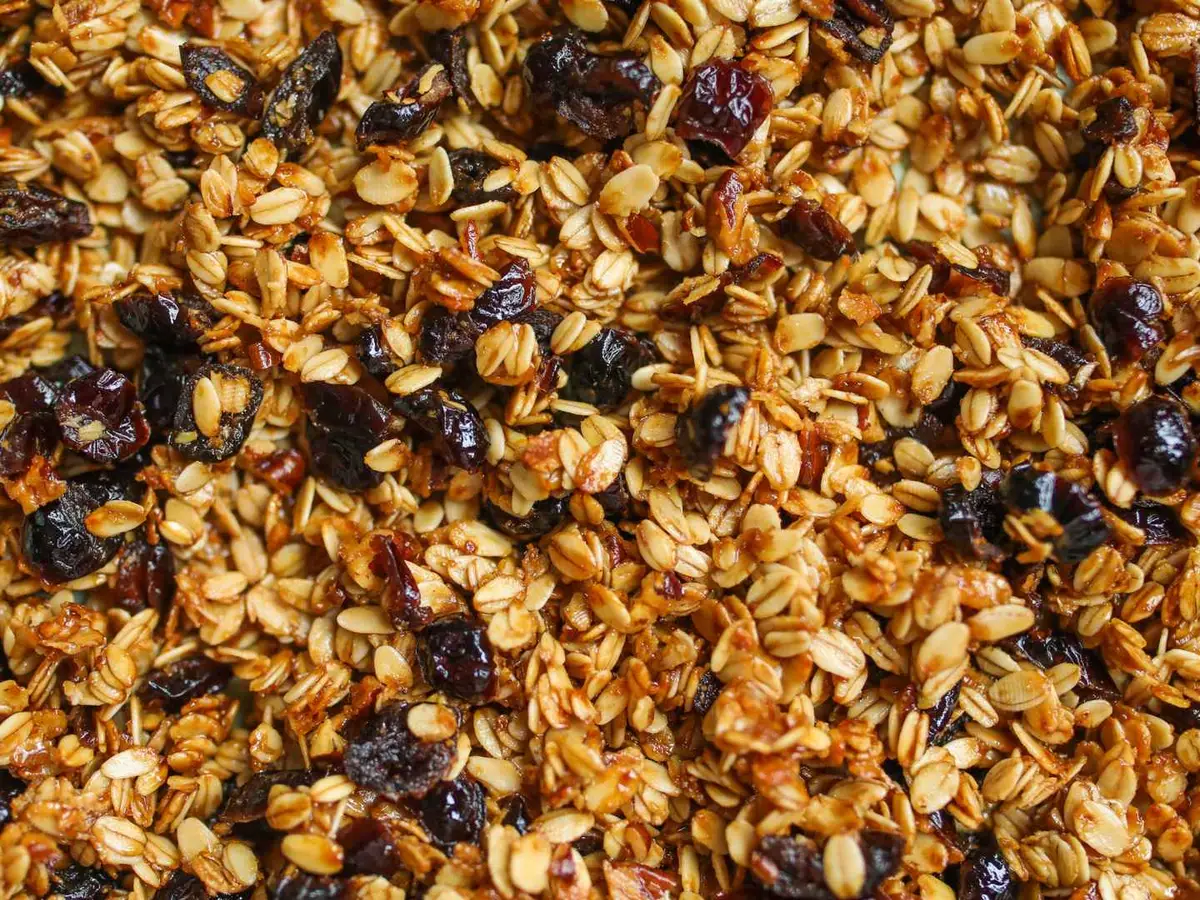
Granola-style protein bars may hide raisins among oats, cranberries, dates, cherries, chocolate chips, and nuts. If you cannot tell whether the dark dried pieces are raisins, keep the package and call rather than conducting a fruit-forensics trial on the kitchen floor.
Our raisin exposure guide covers the kidney concern and urgent next steps. Do not substitute dried cranberries for raisins in your mental estimate unless the ingredient list actually identifies them.
Caffeine and pre-workout ingredients deserve their own inventory
Some performance bars include caffeine, coffee, green tea extract, guarana, kola nut, or other stimulant ingredients. Those can increase heart rate and nervous-system activity, and a small dog can receive a large milligram-per-pound dose from a product designed for an adult person.
Report the caffeine amount per bar if it is listed, and do not forget servings per package. Our caffeine guide explains why concentrated supplements and energy products are not comparable to a lick of weak coffee.
Macadamias are more than a high-fat nut
Macadamia nuts can cause a characteristic toxicosis in dogs that may involve weakness, especially in the hind legs, depression, vomiting, tremors, and increased body temperature. A chocolate-covered macadamia bar can create two toxin questions at once.
Almonds, peanuts, cashews, and many other nuts are not interchangeable with macadamias, but they can still add fat, salt, mold risk, choking hazards, or pancreatitis concerns. Mixed-nut bars are another reason to read the actual recipe instead of guessing from the picture on the wrapper.
High fat can matter even when the scary ingredients are absent
Many protein bars are dense combinations of oils, nut butter, coconut, chocolate, and added fats. A large theft can trigger vomiting or diarrhea and may contribute to pancreatitis in a susceptible dog.
Dogs with a history of pancreatitis, gastrointestinal disease, or prescribed low-fat diets deserve a lower threshold for veterinary advice after a rich-food binge. A bar marketed as healthy for people can still be the nutritional equivalent of a brick for a small dog.
Protein itself is usually not the interesting part
Whey, milk protein, soy protein, pea protein, collagen, and egg protein are not automatically toxic to dogs. They can still contribute to gastrointestinal upset, food-allergy symptoms, or an unbalanced calorie load, but they are usually not why an emergency call is needed.
If your dog has a known food allergy, inflammatory bowel disease, kidney disease, or another condition with a specific diet plan, tell the veterinarian which protein source and how much was eaten. The medical context changes what “just a bar” means.
Sugar alcohols can cause stomach upset even when they are not xylitol
Sorbitol, maltitol, erythritol, and other sugar alcohols do not have the same well-established xylitol toxicosis in dogs, but they can still produce gas, loose stool, or diarrhea in larger amounts. Report the exact sweetener because “sugar alcohol” is a category, not a diagnosis.
Stevia and monk-fruit sweeteners are also different ingredients with different risk profiles. The useful habit is simple: read the label and name what is actually there.
Vitamins and minerals can become relevant in fortified bars
A heavily fortified bar may contain iron, vitamin D, caffeine, herbal extracts, or other supplemental ingredients in amounts intended for people. A single ordinary snack may not deliver a toxic dose, but multiple bars or concentrated formulations deserve closer review.
If your dog ate an entire box, report the total number of bars and the nutrition panel rather than focusing on one serving. A multi-bar exposure can change the dose of every ingredient at once.
The wrapper can become the last problem standing
Foil-lined plastic wrappers can be swallowed along with a bar, especially by dogs who consider packaging a minor texture issue. One small wrapper may pass, but multiple wrappers or large pieces can cause choking or gastrointestinal obstruction.
Watch for repeated vomiting, retching, abdominal pain, bloating, unusual lethargy, refusal to eat, straining, or inability to keep water down. Tell the veterinary team whether the wrapper is missing even if the ingredient risk seems low.
Do not induce vomiting until someone has assessed the whole bar
Vomiting may be considered by a veterinary professional after some recent exposures, but it is not automatically safe in every dog. Neurologic symptoms, certain underlying conditions, swallowed packaging, timing, and the exact ingredients all affect that decision.
Do not use salt, mustard, oil, fingers, or random internet recipes. If a professional recommends hydrogen peroxide for a suitable dog, use only the amount and method they provide.
My practical rule for the pantry
If a bar contains xylitol, I would store it as carefully as medication rather than as ordinary food. Backpacks, gym bags, purses, desk drawers, and bedside tables are common places for protein bars and also common places for dogs to conduct surprise inspections.
Keep high-risk products in a closed cabinet or hard-sided container, and do not rely on the crinkly wrapper to discourage a dog. For many dogs, the crinkle is apparently an advertisement.
Frequently asked questions
My dog ate half a protein bar. Should I worry?
Check the exact ingredients before deciding. Xylitol, raisins, chocolate, macadamia nuts, caffeine, drugs, or a swallowed wrapper can make half a bar more concerning than an entire plain bar.
Are whey protein bars safe for dogs?
Whey itself is not usually the main toxicity concern, but the complete bar may contain sweeteners, chocolate, raisins, caffeine, nuts, or large amounts of fat. Dogs with dairy intolerance or food allergies can also develop gastrointestinal or skin symptoms.
What if the bar says keto?
That makes an ingredient check especially important because some low-sugar products use xylitol or other sugar alcohols. Keto is a marketing and dietary label, not a pet-safety guarantee.
Can dogs eat a plain homemade protein bar?
It depends entirely on the recipe. A homemade oat-and-peanut-butter bar without toxic ingredients may be low risk in a small amount, while one made with xylitol, raisins, chocolate, macadamias, or raw dough can be dangerous.
Bottom line
Dogs should not routinely eat protein bars, and a stolen bar deserves a label check before you decide it is harmless. Look first for xylitol, chocolate, raisins, caffeine, macadamias, concentrated supplements, and missing wrappers, then call promptly if any high-risk ingredient or meaningful uncertainty is present.