Can Dogs Eat Trail Mix? Raisins, Chocolate, Macadamias, and Hidden Hazards
Trail mix is one of the human snacks I would keep firmly away from dogs because a single bag can combine several separate hazards. If your dog stole some, check first for raisins, chocolate, macadamias, xylitol, and caffeine before worrying about the peanuts.
Inventory the bag ingredient by ingredient
- Save the package and photograph the complete ingredient list.
- Estimate the largest amount missing by ounces, cups, or fraction of the bag.
- Check for raisins, currants, chocolate, cocoa, macadamias, xylitol, coffee beans, or caffeinated pieces.
- Identify every nut, dried fruit, seed, candy, and coating.
- Count missing plastic, zip-top material, oxygen absorbers, or other packaging.
- Record your dog’s weight, the time, and any symptoms.
I would not try to reconstruct the exact ratio of raisins to almonds from the handful left on the carpet. Use the package formula and the largest plausible amount eaten, then let the veterinary professional make a conservative estimate.
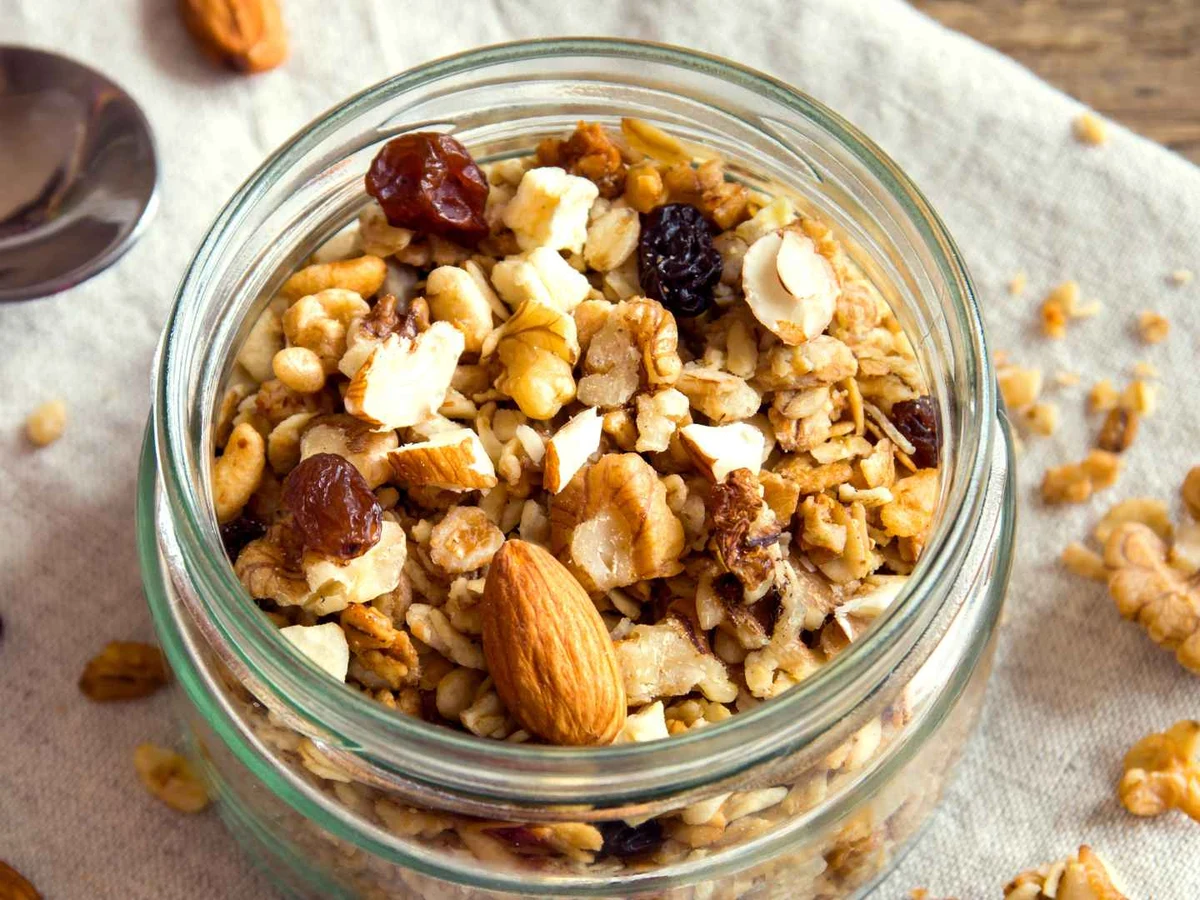
Raisins are the ingredient that makes me call first
Raisins and other dried grape products can cause acute kidney injury in dogs, and susceptibility is unpredictable. A dog can eat a trail mix bag containing what looks like a modest amount of raisins and still deserve prompt professional assessment.
There is no dependable home number of raisins I would use to clear a meaningful exposure. Our raisin guide explains why waiting for vomiting, thirst changes, or decreased urination is not a safe plan.
If the mix contains grape-derived currants, treat those like raisins rather than fresh black or red currants. Ingredient names matter because “currant” can describe very different fruits.
Chocolate pieces add a dose-dependent stimulant problem
Chocolate contains theobromine and caffeine, and darker products generally contain more methylxanthine per ounce than milk chocolate. Trail mix can contain chips, chunks, candies, chocolate-covered nuts, cacao nibs, or cocoa-dusted pieces.
A bag with a few milk-chocolate candies is not equivalent to a dark-cacao energy mix, but several ounces of either deserve an actual calculation. Our dog chocolate guide covers the different forms and dose-related signs.
Watch for vomiting, diarrhea, restlessness, increased thirst or urination, rapid or abnormal heart rate, panting, tremors, overheating, seizures, weakness, or collapse after a meaningful chocolate exposure. Call before severe signs appear when the dose could be significant.

Macadamia nuts deserve their own line on the risk list
Macadamia nuts can cause weakness, especially in the hind legs, vomiting, depression, tremors, and increased body temperature in dogs. A chocolate-macadamia trail mix can therefore combine two separate toxicology problems.
Peanuts, cashews, almonds, pecans, hazelnuts, pistachios, and walnuts are not interchangeable with macadamias. They can still add fat, salt, choking risk, shell fragments, or mold concerns, but the characteristic macadamia toxicosis is a different issue.
If the bag is labeled mixed nuts, read the actual list rather than assuming macadamias are absent. They are often easy to overlook among pale cashews and almonds once the mix is scattered across a floor.
Sugar-free candy pieces require a xylitol check
Some keto or low-sugar trail mixes contain sugar-free chocolate, candy, gum-like pieces, nut butter clusters, or protein bites. If xylitol is present, dogs can develop dangerous hypoglycemia and, after larger exposures, serious liver injury.
Call immediately if xylitol appears anywhere in the mix. Our xylitol emergency guide explains why early dose assessment matters.
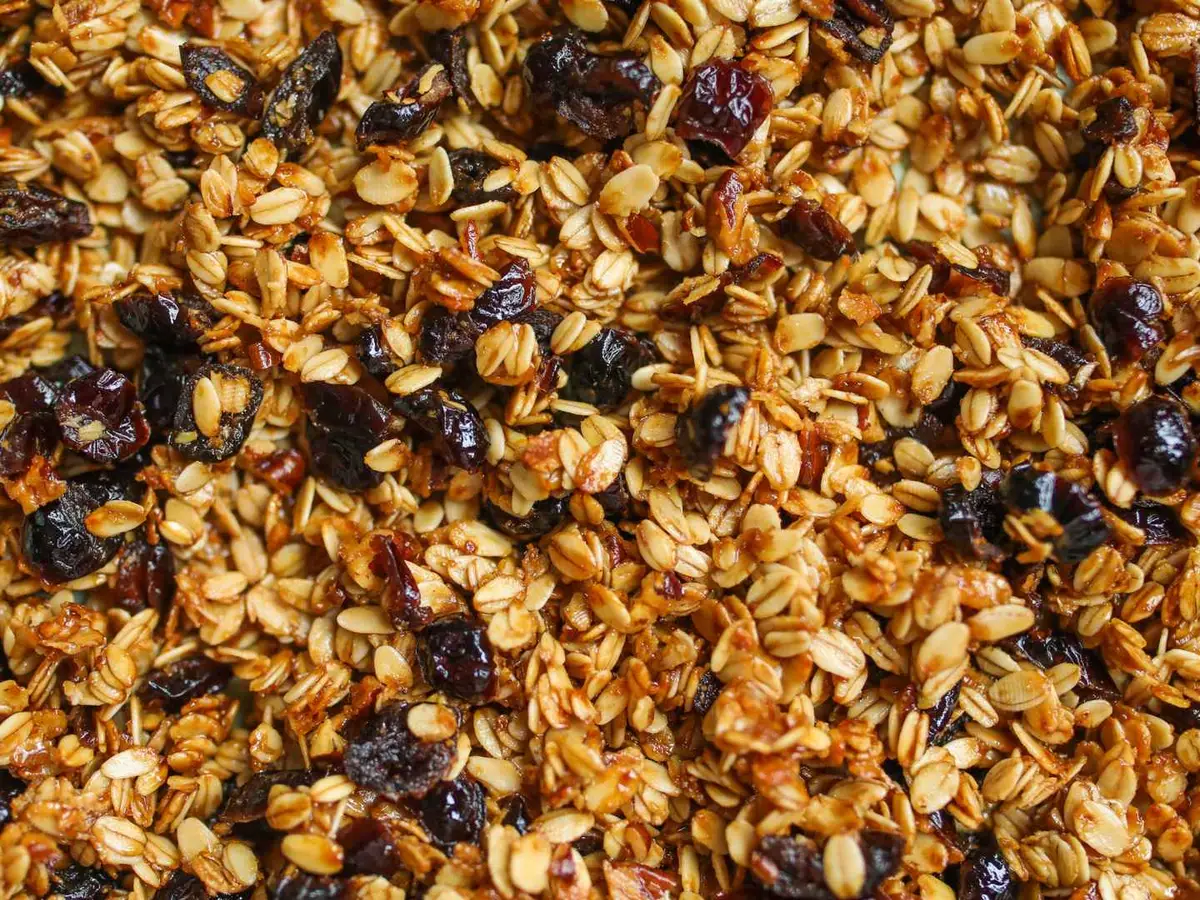
Dried cranberries, cherries, and blueberries are not raisins
Plain dried cranberries, cherries, and blueberries do not have the same established grape-related kidney risk as raisins, though they are often heavily sweetened. They can contribute to diarrhea, sugar load, and sticky dental mess after a large binge.
Mixed fruit is where the problem returns because raisins can hide among similarly colored pieces. If the package does not clearly identify the dried fruits, keep the label and report the uncertainty rather than deciding every dark piece was a cranberry.
Dates, figs, and dried mango are mostly portion and texture problems
Dried dates, figs, mango, apricots, and similar fruits are concentrated in sugar and can be sticky or chewy. Pitted prepared fruit may be low risk in small amounts, while pits, hard seeds, sulfite-heavy products, or a large amount can create digestive or choking concerns.
Do not assume every dried fruit is safe just because it is not a grape. Identify pits and plant parts, especially in homemade trail mixes that use whole dried fruit.
Salted nuts can create a sodium-heavy snack
A few salted peanuts are unlikely to cause salt poisoning in most healthy dogs, but heavily salted trail mix eaten in a large amount can deliver substantial sodium. Dogs with heart disease, kidney disease, or prescribed sodium restrictions deserve extra caution.
Extreme salt exposures can cause vomiting, weakness, neurologic abnormalities, tremors, seizures, and dangerous fluid shifts. Do not deliberately withhold water after a salty snack unless a veterinarian specifically directs it.
Spicy and flavored mixes add onion, garlic, and chile concerns
Savory trail mixes can contain garlic powder, onion powder, chile seasoning, ranch flavor, barbecue seasoning, or cheese powder. Onion and garlic belong to the allium family and can damage red blood cells in dogs at sufficient doses.
Capsaicin from hot chiles is more likely to cause intense gastrointestinal irritation than classic systemic poisoning. A dog that steals spicy trail mix can therefore end up with both an ingredient-toxicity question and a very unhappy digestive tract.
Coffee beans and energy mixes can add concentrated caffeine
Some hiking and energy mixes contain chocolate-covered espresso beans, coffee beans, caffeinated candy, guarana, or energy bites. Caffeine can affect the heart and nervous system, and concentrated coffee beans can deliver far more than a lick of brewed coffee.
Report the caffeine amount when the package gives one and count caffeinated pieces if possible. Our energy drink guide covers the stimulant signs that deserve urgent care.
Moldy nuts and forgotten car snacks deserve more caution
Nuts and grains stored in warm, damp, or old conditions can develop mold, and some molds produce tremorgenic toxins that can cause severe neurologic signs in dogs. A stale bag from a hot car or damp backpack deserves more concern than a fresh sealed snack.
Call promptly for tremors, severe agitation, seizures, marked weakness, or a known moldy-food exposure. Do not wait to see whether the dog can sleep it off.
The bag and oxygen absorber can become separate problems
Dogs may swallow the plastic bag, zipper strip, small pouches, or oxygen absorber inside packaged snacks. The contents of absorber packets vary, and the packaging itself can create choking or obstruction risk.
Save any matching packet and report what the label says rather than opening it to investigate. Repeated vomiting, retching, abdominal pain, refusal to eat, bloating, or inability to keep water down after swallowed packaging deserves veterinary evaluation.
Do not induce vomiting until the whole mixture is assessed
Whether vomiting is appropriate depends on the ingredients, amount, timing, symptoms, medical history, and swallowed objects. A weak, trembling, poorly coordinated, seizing, or breathing-impaired dog can aspirate.
Do not use salt, mustard, oil, or fingers. If a veterinary professional specifically directs hydrogen peroxide for a suitable dog, follow the exact case-specific instructions.
Trail mix is a backpack problem waiting to happen
Trail mix often lives in hiking packs, gym bags, car door pockets, picnic baskets, and lunch bags. Those are exactly the places a dog can reach while humans are unloading gear or congratulating themselves for remembering the water bottles.
Keep mixes containing raisins, chocolate, macadamias, or caffeine in a hard-sided container or a closed cabinet. A zip-top bag is excellent at containing almonds and terrible at negotiating with a determined dog.
Frequently asked questions
My dog ate a handful of trail mix. What should I do?
Check the exact ingredients immediately. Call promptly if raisins, currants, chocolate, macadamias, xylitol, caffeine, mold, or a meaningful amount of packaging is involved.
Can dogs eat trail mix without raisins?
It can still contain chocolate, macadamias, xylitol, caffeine, salty nuts, moldy ingredients, or rich coatings. A tiny amount of a plain fresh nut-and-seed mix may be low risk for many healthy dogs, but it is not a useful routine treat.
Are peanuts in trail mix safe for dogs?
Plain shelled peanuts are generally lower risk than many trail-mix ingredients, though salt, fat, seasonings, and mold matter. The rest of the bag still needs an ingredient check.
What if my dog ate only the dried fruit?
Identify the fruit. Raisins and grape-derived currants require prompt attention, while many other pitted dried fruits are more likely to cause sugar-related stomach upset in modest amounts.
Bottom line
Trail mix is risky because several ingredients can matter at once. Check first for raisins, chocolate, macadamias, xylitol, caffeine, heavy salt, mold, and swallowed packaging, then use the exact bag and the largest plausible amount instead of trying to identify every crumb after the dog has finished the evidence.