Christmas Foods Dogs Can and Can’t Eat: Dinner, Desserts, and Candy
Christmas is easy to make dog-safe when the dog’s share stays plain. I separate a few bites of boneless cooked meat before sauces and seasoning start, then keep bones, chocolate, raisins, xylitol, alcohol, fruitcake, and rich leftovers securely away.
My Christmas food rule for dogs
The safest foods are usually the ingredients before they become holiday recipes. Plain cooked turkey, chicken, beef, lamb, carrots, green beans, or a little plain potato can be reasonable, while the finished casseroles and desserts are much harder to assess.
I would rather give a dog three plain bites than recreate a tiny Christmas dinner. The dog will consider the plain meat a spectacular event without needing gravy architecture.
Christmas dinner at a glance
| Food | Dog verdict | Main concern |
|---|---|---|
| Plain boneless roast meat | Small amount okay | Fat and seasoning |
| Cooked bones | Avoid | Choking, splinters, obstruction |
| Stuffing | Usually avoid | Alliums, sausage, raisins |
| Gravy | Usually avoid | Fat, sodium, onion, garlic |
| Chocolate | Avoid | Methylxanthines |
| Sugar-free candy | Check immediately | Xylitol |
| Fruitcake | Avoid | Dried grapes, alcohol, nuts |
| Eggnog | Avoid | Alcohol, dairy, fat |
| Plain vegetables | Small amounts may be okay | Preparation and portion |
Plain roast meat is the easiest safe share
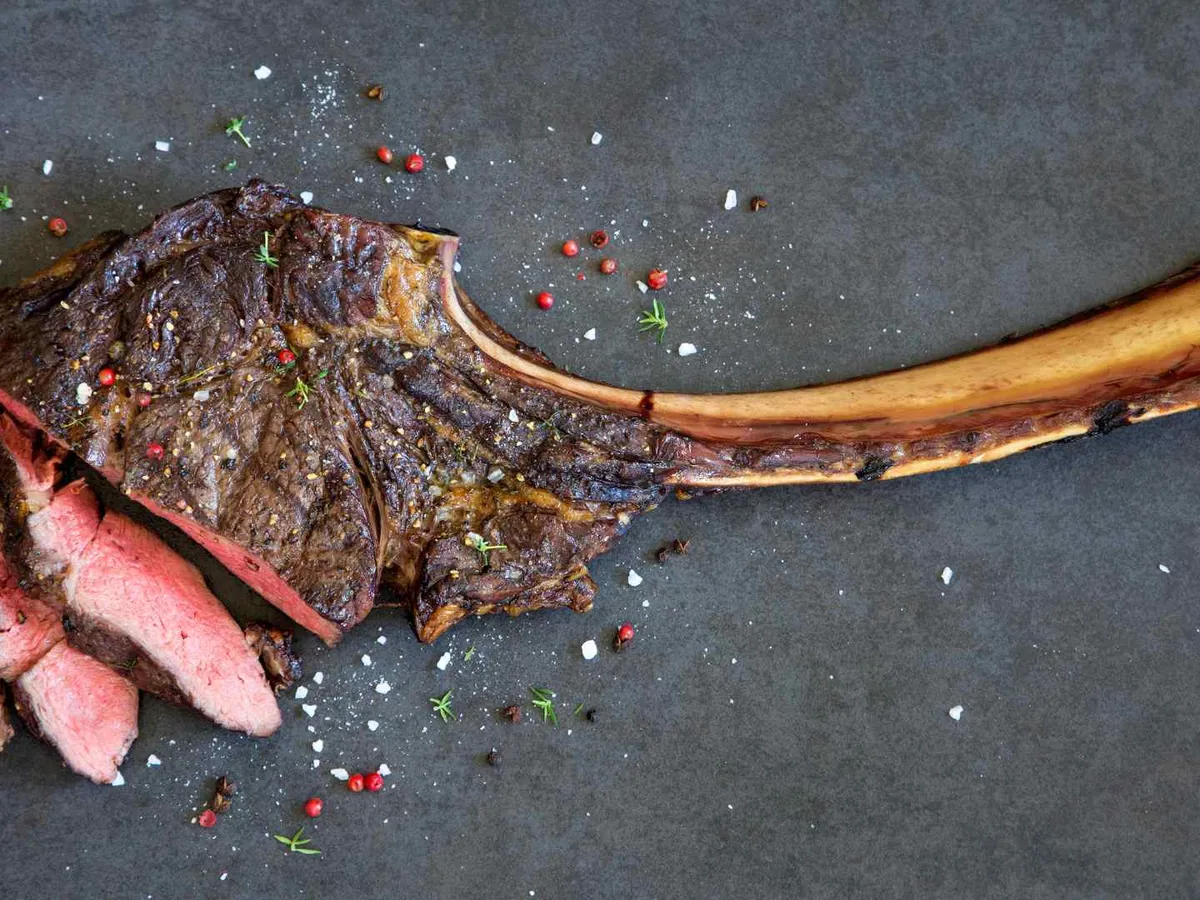
Small amounts of plain fully cooked boneless turkey, chicken, beef, pork, or lamb can be reasonable for many healthy dogs. I trim excess fat, remove every bone, and avoid salty or heavily seasoned outer surfaces.
Roasts can be brined, smoked, injected, glazed, or rubbed with garlic and onion, so “meat” does not always mean plain. Interior lean meat is usually the easiest portion to control.
Dogs with pancreatitis, kidney disease, heart disease, or a therapeutic diet deserve individualized limits. A holiday does not temporarily suspend the reason a medical diet exists.
Cooked bones stay completely off the dog plate
Turkey, chicken, lamb, pork, and beef bones can crack or splinter after cooking. They can choke, lodge in the esophagus, fracture teeth, injure the gastrointestinal tract, or create an obstruction.
If a dog swallows a cooked bone, call for case-specific advice and do not induce vomiting unless the veterinary team specifically directs it. Sharp fragments can cause additional injury on the way back up.
Gagging, repeated swallowing, drooling, vomiting, abdominal pain, blood, breathing difficulty, marked lethargy, or refusal to eat deserves urgent evaluation.
Stuffing and gravy are usually allium-heavy
Stuffing can contain onion, garlic, shallots, sausage, butter, broth, raisins, currants, and nuts. Gravy can combine the same alliums with fat, drippings, sodium, and concentrated broth.
Onion and garlic can damage canine red blood cells after a sufficient dose, while raisins and dried grape currants can cause acute kidney injury. These are not ingredients I would dismiss because they were baked into a holiday side dish.
Save recipes after a raid and identify every allium and dried grape product. A dog acting normal immediately after dinner has not proved a meaningful exposure harmless.
Ham is salty, fatty, and often glazed
A tiny piece of lean boneless ham may only add unnecessary sodium, but holiday ham can be heavily cured and carry a substantial fat cap. Large servings can cause vomiting, diarrhea, thirst, or pancreatitis in susceptible dogs.
Glazes can contain brown sugar, honey, maple syrup, mustard, alcohol, onion, garlic, pineapple, or sugar-free sweeteners. The recipe matters as much as the meat.
Ham bones deserve separate veterinary guidance because cooked bone can splinter or obstruct. I would never hand over the bone as a holiday chew.
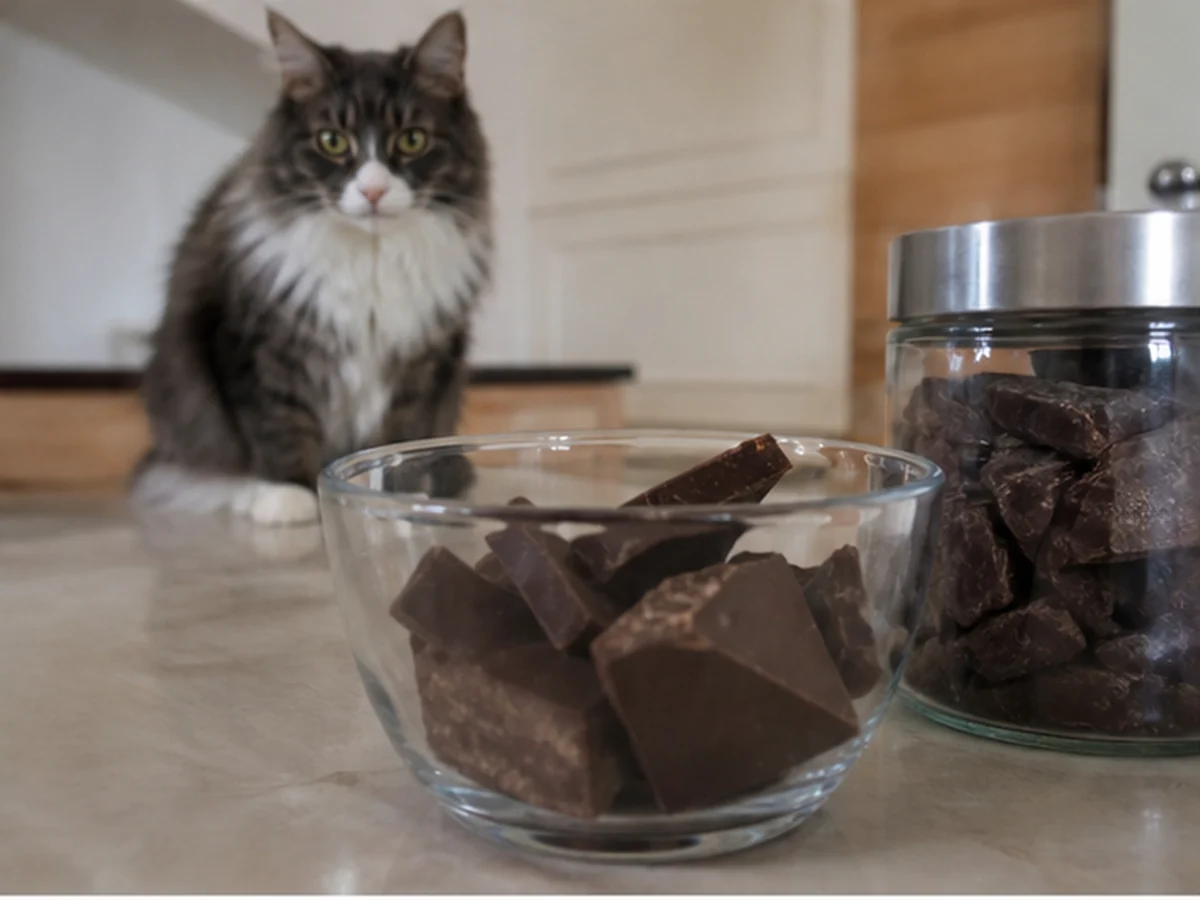
Chocolate becomes one of the biggest Christmas hazards
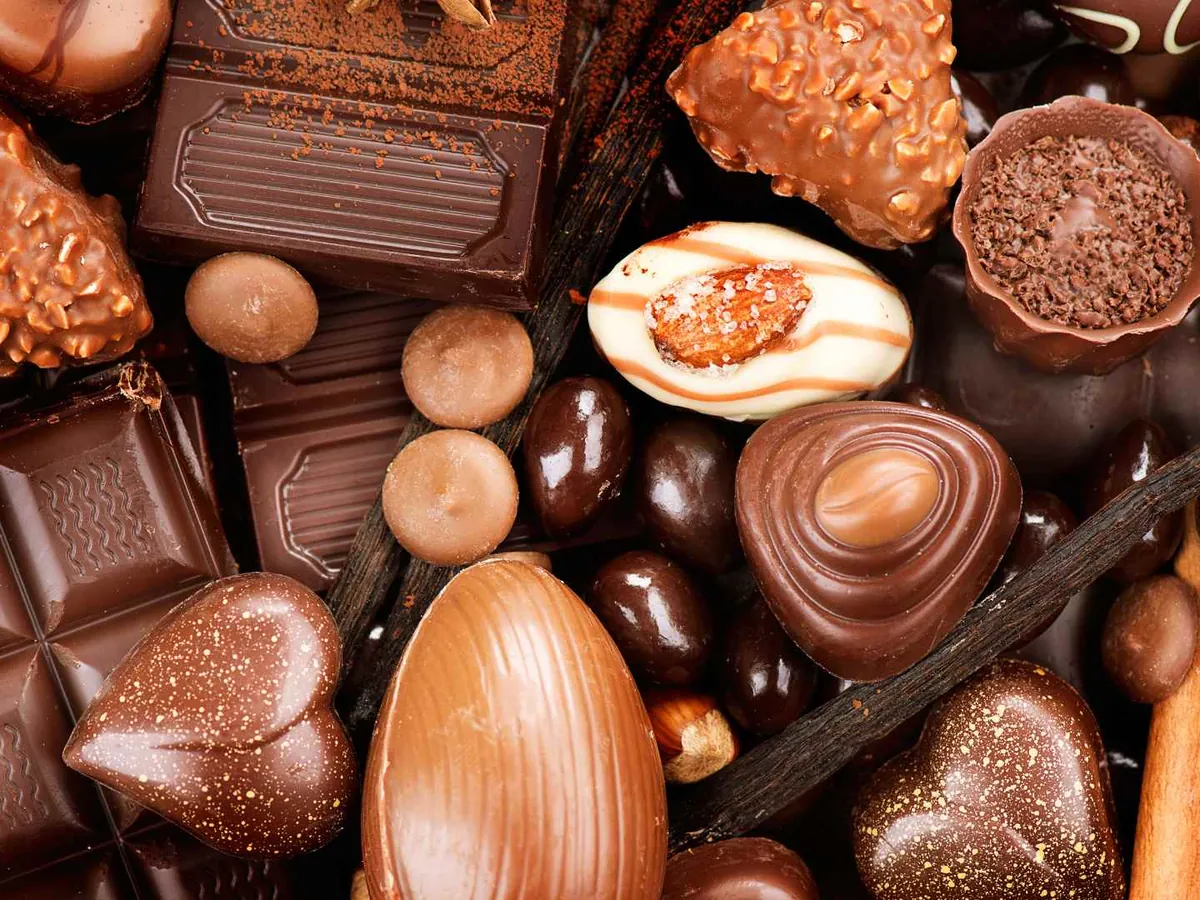
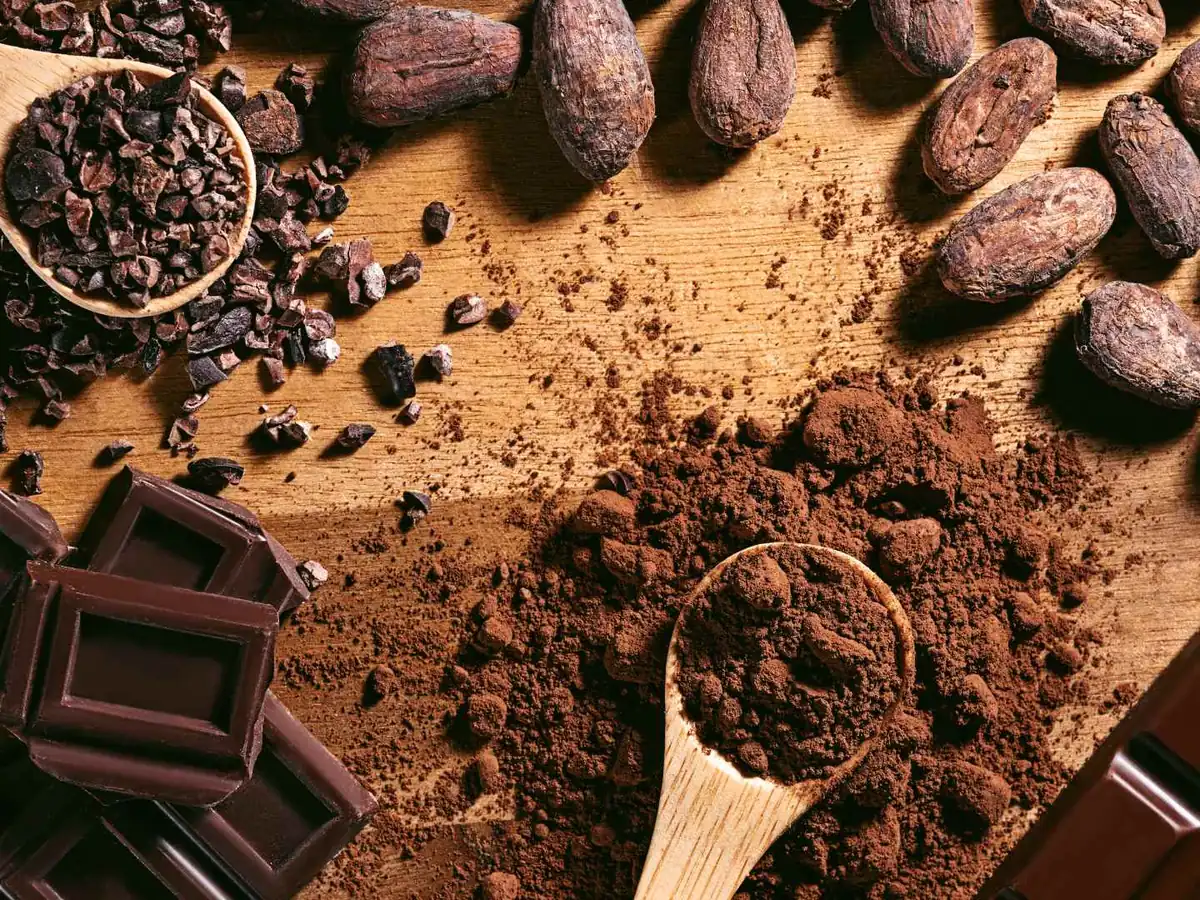
Chocolate coins, truffles, boxed candy, fudge, brownies, cookies, hot cocoa, and baking ingredients can expose dogs to theobromine and caffeine. Cocoa powder, baking chocolate, and dark chocolate are more concentrated than milk chocolate.
Save wrappers, estimate the ounces missing, record the dog’s weight, and call after a meaningful exposure. Restlessness, vomiting, rapid heart rate, tremors, seizures, weakness, or collapse deserves urgent care.
Do not rely on the number of pieces unless you know their weight and chocolate type. One large dark truffle and one tiny milk-chocolate candy are not equivalent.
Sugar-free candy requires a xylitol check
Xylitol can appear in sugar-free gum, mints, candy, baked goods, frosting, nut butter, and specialty holiday products. In dogs it can cause rapid hypoglycemia and, after larger doses, serious liver injury.
If xylitol appears on the ingredient list, call immediately. I would not wait for weakness, wobbliness, vomiting, tremors, seizures, or collapse before seeking advice.
Sorbitol, maltitol, and erythritol are different sweeteners and do not have the same well-established canine syndrome. Report the exact ingredient rather than saying only sugar-free.
Fruitcake is a multi-hazard dessert
Fruitcake can contain raisins, Zante currants, alcohol, nuts, chocolate, candied fruit, dense sugar, and rich fat. Raisins and dried grape currants deserve prompt veterinary advice because they can cause acute kidney injury.
Rum, brandy, or sherry can remain in cakes that are soaked after baking, and some recipes are repeatedly “fed” alcohol during storage. Chocolate or cocoa creates a separate methylxanthine exposure.
Save the recipe and identify dried grapes, alcohol, chocolate, macadamias, and sweeteners specifically. “He ate fruitcake” is only the first line of the ingredient history.
Eggnog is not a dog drink
Traditional eggnog can contain milk, cream, sugar, eggs, nutmeg, and alcohol. Even alcohol-free eggnog is rich and can cause gastrointestinal upset in lactose-sensitive dogs or dogs prone to pancreatitis.
Alcoholic eggnog can cause vomiting, poor coordination, weakness, low body temperature, breathing depression, low blood sugar, or collapse. Sugar-free versions also deserve a xylitol check.
Nuts are not all interchangeable
Macadamia nuts can cause weakness, vomiting, tremors, depression, and increased body temperature in dogs. Other nuts are generally more of a fat, salt, choking, or mold concern.
Walnuts and pecans that are moldy can carry tremorgenic mycotoxins. Nut-heavy desserts can also deliver a large fat load even when no classic toxin is present.
Cheese boards and charcuterie are easy to overdo
Cured meat can be salty and fatty, while cheese adds calories and may cause gastrointestinal upset in lactose-sensitive dogs. Grapes, raisins, macadamias, alcohol-based spreads, and toothpicks can appear on the same board.
If a dog raids a charcuterie board, inventory the whole board instead of focusing on the salami. The most dangerous item may be one grape or a swallowed wooden pick.
Christmas cookies range from boring to dangerous
A small plain sugar cookie may only cause mild stomach upset, while chocolate cookies, oatmeal raisin cookies, sugar-free cookies, macadamia cookies, coffee cookies, and alcohol-filled cookies deserve separate risk assessments.
Check frosting and fillings too. Xylitol, cocoa powder, dark chocolate, raisins, coffee, and rich buttercream can matter more than the cookie base.
Candy wrappers and ribbon can outlast the candy
Foil, plastic wrappers, candy bags, ribbon, gift string, lollipop sticks, and small toy pieces can be swallowed during a candy raid. Several wrappers or a long strip of ribbon can become a foreign-body problem after the food is gone.
Do not pull string or ribbon from the mouth or rectum if it appears stuck. Linear material can bunch and injure the intestines.
Raw yeast dough can expand and produce alcohol
Unbaked bread or roll dough can expand in the warm stomach and produce ethanol as yeast ferments carbohydrates. That creates risks of dangerous stomach distension and alcohol poisoning.
Abdominal swelling, retching, weakness, poor coordination, unusual sleepiness, low body temperature, or collapse after raw dough deserves urgent veterinary care.
Alcoholic drinks should be treated like alcohol, not festive flavor
Beer, wine, cocktails, liqueurs, mulled wine, spiked cider, and boozy coffee can all expose a dog to ethanol. Sweet drinks can be especially easy for a curious dog to lap from an unattended glass.
If a meaningful amount was consumed, save the drink recipe and report the alcohol concentration, dog weight, and amount missing. Do not wait for dramatic intoxication before calling.
The Christmas trash can can hold several emergencies at once
Holiday trash can contain cooked bones, foil, plastic wrap, greasy paper towels, coffee grounds, chocolate wrappers, fruitcake crumbs, corn cobs, string, roasting twine, spoiled leftovers, and medication packaging.
Use a lidded trash can the dog cannot open and move bone-in leftovers away promptly. A tied bag in the hallway is temporary decoration, not dog-proof waste management.
What to do after a Christmas food raid
Save wrappers and recipes, estimate the maximum amount missing, and identify chocolate, xylitol, raisins, currants, macadamias, alcohol, caffeine, cooked bones, onion, garlic, raw dough, and nonfood objects.
Call promptly for xylitol, dried grapes, significant chocolate, alcohol, cooked bones, sharp objects, raw yeast dough, or a large unknown exposure. Repeated vomiting, tremors, seizures, breathing trouble, severe abdominal pain, collapse, or marked weakness deserves urgent care.
How I build a dog-safe Christmas treat
I use a few small pieces of plain boneless cooked meat and perhaps one plain vegetable the dog already tolerates. Everything remains unseasoned and the total amount stays within the normal treat allowance.
The plate is deliberately unexciting to humans and extremely exciting to dogs. That is exactly the balance I want.
Frequently asked questions
Can dogs eat Christmas turkey or roast beef?
Small amounts of plain fully cooked boneless lean meat can be reasonable. Remove skin, visible fat, bones, garlic, onion, gravy, glaze, and heavy seasoning.
Can dogs eat Christmas ham?
A tiny lean bite may be low risk for many healthy dogs, but ham is usually salty and can be fatty. Avoid the cooked bone and heavy glaze.
What Christmas foods are emergencies for dogs?
Xylitol, raisins and dried grape currants, significant chocolate, alcohol, raw yeast dough, cooked bones, macadamias, and large onion or garlic exposures deserve prompt professional advice.
Can dogs eat Christmas cookies?
Plain cookies may be low risk in tiny amounts, while chocolate, raisin, macadamia, coffee, and sugar-free cookies can be much more concerning. Check the full recipe.
Bottom line
Christmas can include the dog without sharing the human feast. Keep the intentional treat to plain boneless meat and simple foods the dog already tolerates, then secure cooked bones, chocolate, xylitol, raisins, currants, alcohol, fruitcake, rich desserts, raw dough, wrappers, and holiday trash.