Can Cats Eat BBQ Sauce? Onion, Garlic, Sweeteners, and Next Steps
Do not serve BBQ sauce to a cat. A tiny lick may cause no illness, but most sauces are salty, sugary, acidic, and seasoned, while onion or garlic can create a delayed red-blood-cell risk that is easy to miss during the first calm hours.
The bottle decides more than the words BBQ sauce
Barbecue sauce is a recipe category, not a fixed substance. Kansas City-style, Carolina mustard sauce, vinegar mop, Korean barbecue glaze, white sauce, sugar-free sauce, dry rub paste, and a restaurant ramekin can share almost nothing beyond their intended trip to grilled food.
Start with the actual label or recipe and keep it beside you. If the sauce came from a restaurant, ask for an allergen or ingredient sheet rather than trying to identify seasonings by color.
| Label checkpoint | Examples | Why it matters for cats |
|---|---|---|
| Alliums | Onion, garlic, chives, leeks, powders, soup mix | Cats are especially susceptible to oxidative red-cell injury. |
| Salt | Salt, brine, soy sauce, Worcestershire, stock | Concentration and amount matter, particularly with medical diets. |
| Sweeteners | Sugar, molasses, honey, corn syrup, xylitol blends | Calories are unnecessary, and sugar-free products require exact identification. |
| Heat and spice | Chili, cayenne, hot sauce, pepper extract | Mouth and stomach irritation can be substantial. |
| Alcohol and stimulants | Bourbon, beer, coffee, espresso, cocoa | These ingredients can change an ordinary lick into a toxicology call. |
| Physical extras | Bone, skewer, foil, brush bristles, cap, packet | The missing object may be more urgent than the sauce. |
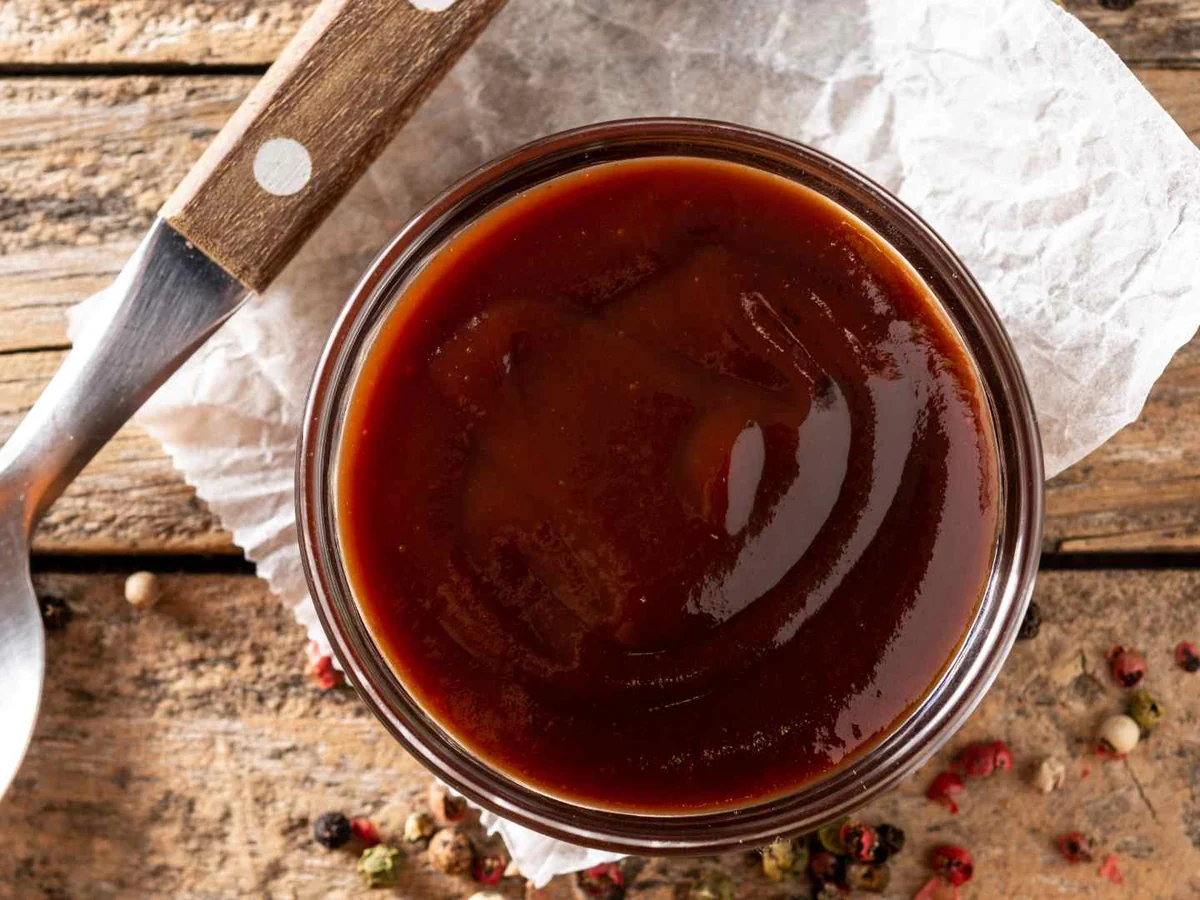
Onion and garlic are the first serious label check
Allium ingredients can damage feline red blood cells through oxidative injury. Cooking does not make them safe, and powders are important because a small visible amount can represent a concentrated seasoning.
The Merck Veterinary Manual identifies cats as the most susceptible species and notes that raw, cooked, dehydrated, and granulated onion or garlic have caused toxicosis. Hemolysis can emerge several days after the meal, so a normal-looking cat tonight is not a complete clearance.
Possible later signs include low appetite, unusual tiredness, weakness, rapid breathing, fast heart rate, pale or yellow gums, dark urine, collapse, and reduced exercise tolerance. A veterinarian may recommend blood testing based on the ingredient, dose estimate, timing, and cat.
Our separate guides to onion exposure and garlic exposure explain why home “safe amounts” are unreliable. Call about a known allium sauce rather than waiting for anemia signs.
How much sauce changes the conversation
A tongue-tip taste from an otherwise clean plate is different from drinking a cup of mop sauce or eating several heavily coated ribs. No single spoon cutoff can work across recipes whose ingredient concentrations vary wildly.
Estimate the maximum by comparing the remaining sauce with the original amount and subtracting what clearly spilled elsewhere. Tell the clinic whether the cat licked residue, swallowed a coated piece of meat, or emptied part of a container.
Body size, age, current health, medications, and repeated access during the week all matter. A kitten or cat with anemia, kidney disease, heart disease, digestive disease, or a prescription diet deserves an earlier call.
Salt can be hidden in several ingredients
Tomato sauce may begin the recipe, then salt arrives through soy sauce, Worcestershire sauce, broth, mustard, seasoning blend, meat drippings, and added salt. Reading only the sodium line is helpful for a packaged bottle, but it cannot reconstruct a homemade glaze.
One small lick of ordinary sauce is not automatically salt poisoning. Large quantities, concentrated rub or brine, lack of fresh water, existing sodium restriction, or signs such as vomiting, tremors, marked thirst, weakness, incoordination, or seizures make the situation more concerning.
Do not try to force large volumes of water into a cat after salty food. Provide normal access and seek veterinary direction, since rapid or inappropriate correction of electrolyte problems can itself be dangerous.
Sugar, molasses, and honey add no feline value
Sweetness creates the lacquered texture people expect from many barbecue sauces. Cats do not need the sugar, and sticky concentrated calories can contribute to digestive upset and weight problems when shared repeatedly.
Molasses and brown sugar are not acute feline poisons in a small taste, but that does not make a sweet sauce a treat. Honey-based glazes remain sugar-rich and may contain alliums, mustard, chili, or smoke flavor.
The cat honey guide is useful when the sauce name highlights honey but the complete recipe remains the real task. Marketing one ingredient on the front does not erase five troublesome ingredients on the back.
Sugar-free sauce needs species-specific language
Xylitol causes a severe, well-documented poisoning syndrome in dogs, including hypoglycemia and potential liver injury. Comparable sensitivity has not been established in cats, so a dog dose chart must never be presented as a feline threshold.
The FDA’s xylitol warning is explicitly about dogs. Limited cat evidence still does not justify feeding xylitol sauce, and an uncertain product should be discussed with a veterinarian because other ingredients can be important.
Photograph every sweetener name and any proprietary blend. Xylitol can be labeled birch sugar or wood sugar, while birch bark extract is not an accurate synonym.
Hot sauce and smoke flavor are not cat seasoning
Cayenne, chili extract, hot peppers, and spicy mustard can irritate the mouth, eyes, and gastrointestinal tract. A cat may drool, paw at the face, vomit, refuse food, or develop diarrhea after a hot exposure.
Do not give milk to “cool the burn,” because many adult cats digest lactose poorly and forced liquid can be aspirated. Call if eye contact, persistent mouth pain, repeated vomiting, breathing changes, or concentrated pepper extract is involved.
Liquid smoke and smoke flavor vary by formulation and concentration. Neither offers a feline benefit, and a bulk concentrated product deserves label-based advice rather than reassurance based on the small amount normally used in food.
Bourbon, beer, coffee, and cocoa sauces
Alcohol may be added before cooking, after cooking, or as part of a finishing glaze. Cooking can reduce ethanol but does not guarantee that an unknown restaurant sauce contains none.
The ASPCA lists serious alcohol and methylxanthine effects in pets. Weakness, incoordination, depression, breathing difficulty, tremors, abnormal heart rhythm, seizures, or collapse after a specialty sauce requires urgent care.
Coffee-rubbed sauce and cocoa barbecue blends add caffeine or theobromine. Our cat chocolate guide helps identify the cocoa form, but the clinic still needs the full sauce and meat recipe.
The meat underneath is a separate exposure
A plain bite of cooked boneless meat can be very different from fatty ribs, charred skin, sausage, pulled pork, or burnt ends. Sauce does not neutralize bone, gristle, salt, fat, curing ingredients, or undercooked centers.
Our pork guide for cats explains plain cooked meat, fat, seasoning, raw risk, and storage. If the cat stole a whole rib, bone and foreign-body triage may outrank the condiment analysis.
Greasy servings can cause vomiting, diarrhea, and abdominal discomfort, especially in susceptible animals. Avoid the dramatic but inaccurate claim that every fatty bite inevitably produces pancreatitis.
Bones, skewers, brush bristles, and foil
Barbecue scenes contain cooked bones, toothpicks, bamboo skewers, butcher string, corn-cob pieces, foil, plastic film, and disposable gloves. Grill-brush bristles can be tiny and difficult to see once embedded in meat.
Choking, gagging, repeated swallowing, drooling, vomiting, belly pain, appetite loss, reduced stool, or lethargy after an object disappears needs prompt veterinary assessment. Trouble breathing or blue-gray gums is an immediate emergency.
Never pull string from the mouth or rectum and never induce vomiting after a sharp-object exposure. Bring matching packaging, an identical skewer, or a photograph so the veterinary team can understand size and material.
Homemade sauce can be harder to assess
A cook may season by eye, use an unlabeled spice jar, or alter a recipe midway. Ask about onion and garlic powders, stock cubes, alcohol, coffee, cocoa, chili concentrate, sugar substitute, and Worcestershire rather than relying on memory of the base recipe.
Refrigerate homemade sauce promptly and discard moldy, fermented, swollen, or questionable leftovers. Do not salvage a sauce that smells odd by giving it to a pet who supposedly has a stronger stomach.

A practical call-or-monitor framework
- Call promptly: known onion or garlic, alcohol, caffeine, cocoa, concentrated salt, dangerous sweetener uncertainty, or a substantial unknown sauce.
- Seek emergency care: breathing trouble, collapse, tremors, seizures, severe weakness, repeated retching, or suspected sharp material.
- Monitor after label review: one tiny lick of a sauce confirmed free of high-risk ingredients in a healthy cat may only require observation.
- Track delayed changes: after any Allium concern, record appetite, energy, gum color, breathing, and urine while following the clinic’s plan.
- Preserve evidence: keep the bottle, recipe, receipt, meat label, missing-object match, and time estimate.
Cornell advises owners who suspect poisoning to contact veterinary help and avoid inducing vomiting unless directed. That is especially important when sauce accompanies bones, skewers, or caustic pepper concentrates.
Frequently asked questions
My cat licked BBQ sauce. Will they be okay?
A tiny lick may remain uneventful, but check the exact recipe for onion, garlic, alcohol, caffeine, chocolate, and concentrated salt. Call when any high-risk ingredient is present or the amount cannot be estimated.
Can cats eat meat if I wipe off the sauce?
Wiping does not reliably remove absorbed sauce, powder seasoning, or glaze, and bone or fat may still be present. Set aside a plain cooked boneless piece before saucing if the veterinarian permits table treats.
Is homemade BBQ sauce safer?
Only if every ingredient and amount is known, and it still offers no nutritional reason to feed it. Homemade recipes commonly contain concentrated onion or garlic powder, which cats should not receive.
When can Allium symptoms appear?
Digestive signs can occur earlier, while clinically important red-cell damage may take several days to become obvious. Follow the veterinarian’s monitoring and testing advice even when the cat initially acts normal.
Bottom line
BBQ sauce is best treated as a label-reading problem that cats never needed to solve. Put onion and garlic first, account for alcohol and cocoa, inspect the barbecue hardware, and call with facts rather than waiting for a delayed toxin to introduce itself.