Can Dogs Eat Cheetos? Salt, Spice, and Bag Risks
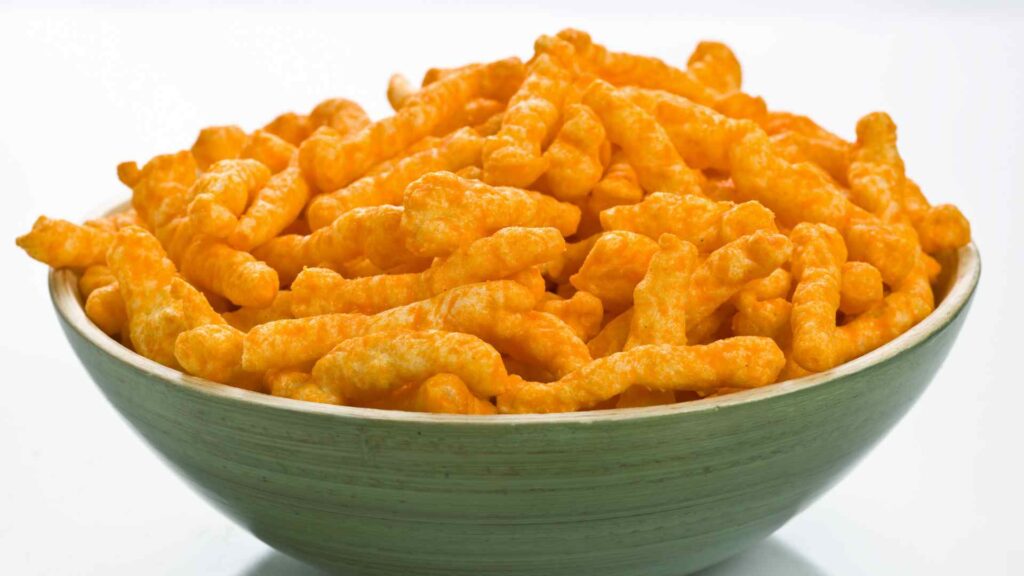
A healthy dog that steals one or two plain Cheetos is unlikely to face poisoning from the snack alone, but Cheetos are not a useful dog treat. Salt, fat, calories, dairy, hot seasoning, possible flavor-powder ingredients, a large amount, and the snack bag determine whether observation or a veterinary call makes sense.

A few pieces versus a bag
After one or two standard pieces, check the label, remove the rest, offer normal fresh water, and watch for digestive upset. Do not turn an accidental low-risk bite into a routine snack.
A family-size bag raid can deliver many servings of sodium, fat, calories, and seasoning. Product variety, amount missing, time, dog’s weight, medical conditions, medicines, symptoms, and whether the bag is accounted for all belong in the triage call.
Varieties do not share one formula
Crunchy, Puffs, Baked, Flamin’ Hot, Cheddar Jalapeño, popcorn, mac and cheese, and limited flavors have different labels. Regional and seasonal formulas can change too.
The manufacturer advises checking the specific package for current nutrition information. Use the bag in front of you rather than an ingredient list copied from a different flavor online.
Sodium adds up by servings
Packaged cheese snacks contain sodium, and a dog can eat several human servings quickly. Read milligrams per serving and multiply by the number of servings actually missing.
The FDA explains how serving size and sodium work on the Nutrition Facts label. Human percent daily value is not a canine limit, but the milligram line helps a veterinary team quantify the exposure.
When salty exposure is urgent
A couple of pieces and an entire bag should not be described with the same alarm. Marked thirst, repeated vomiting, weakness, wobbliness, tremors, confusion, seizures, or an unknown large amount deserves prompt advice.
Keep normal water available, but do not force a large volume or attempt rapid salt correction at home. Our salt guide explains why controlled veterinary correction matters after severe exposure.
Fat and calories
Cornmeal, oil, and cheese seasoning create a calorie-dense snack that can displace complete food. A repeated handout may matter more to body weight than a single theft.
A large fatty raid can also trigger vomiting or diarrhea and is more concerning for dogs with prior pancreatitis or a prescribed low-fat diet. Appetite loss, repeated vomiting, weakness, dehydration, abdominal pain, or a hunched posture warrants care.
Flamin’ Hot and chile seasoning
Hot varieties may contain chile pepper, acids, or other intense seasoning that irritates the mouth and gastrointestinal tract. Heat level is not a nutrition benefit and does not train a dog to tolerate spice.
Drooling, pawing at the mouth, coughing, vomiting, diarrhea, or obvious discomfort may follow. Do not neutralize spice with oil, salt, or forced milk.
Powder in the eyes or airway
A dog pushing its face into the bag can inhale fine seasoning or rub powder into the eyes. Move the dog away from airborne dust and prevent more face rubbing.
Persistent cough, labored breathing, severe eye pain, squinting, or marked redness needs prompt advice. Our paprika guide separates a tiny food-level spice exposure from concentrated powder contact.
Dairy and lactose tolerance
Cheese flavoring can contain milk-derived ingredients, and some dogs develop gas, loose stool, nausea, or vomiting after dairy. Lactose intolerance is digestive and differs from an immune-mediated milk-protein allergy.
The ASPCA notes that dairy can cause digestive upset and that onion and garlic can injure red blood cells. Facial swelling, widespread hives, breathing trouble, weakness, or collapse is an emergency.
Check flavor powder for Alliums
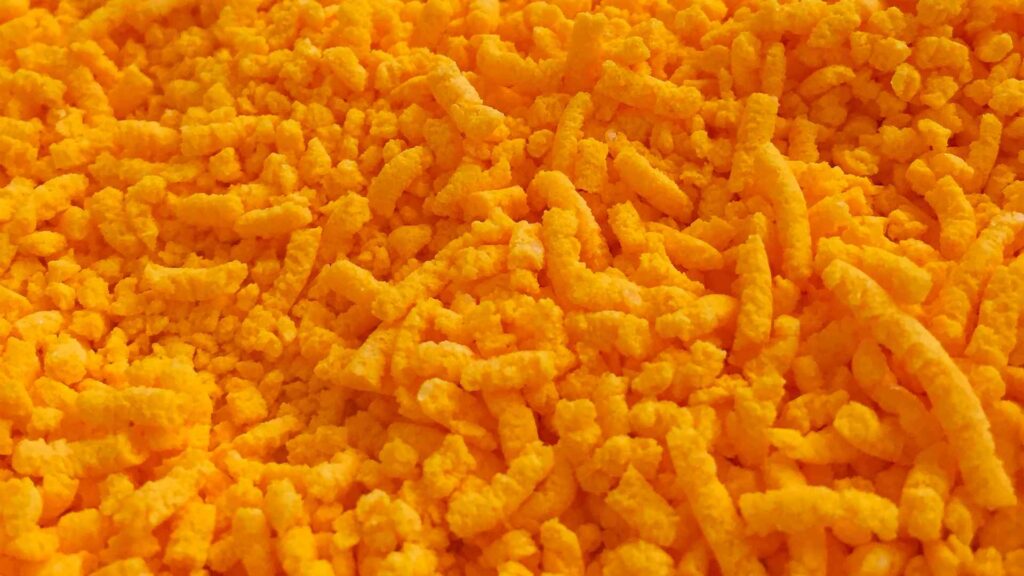
Some snack seasonings and companion dips may include onion, garlic, chives, or broad flavor blends, while other Cheetos labels may not. Check the exact ingredient list instead of declaring every orange piece an Allium exposure.
Concentrated onion or garlic powder deserves more attention than one standard piece with neither ingredient listed. Save the bag and call after a meaningful exposure to an Allium-containing variety, especially if the dog later develops weakness, pale gums, fast breathing, or dark urine.
Colors are not the main triage question
Bright orange stool or vomit can reflect food coloring and seasoning, but red or black material may also represent blood. Photograph the finding and consider the dog’s comfort, appetite, energy, and repeated signs.
Do not assume every unusual color is harmless. Bloody vomit or stool, weakness, pale gums, severe pain, or persistent symptoms needs assessment.
Cheetos popcorn and other shapes
Popcorn versions can include hard or partially popped kernels that present dental and choking concerns. Dense crunchy pieces and large puffs also behave differently for a dog that gulps.
Our popcorn guide covers kernels, coatings, salt, and packaging. Breakage into crumbs does not make unlimited snacking appropriate.
Choking risk
Coughing, gagging, repeated swallowing, drooling, pawing at the mouth, noisy breathing, blue or gray gums, panic, or collapse is an emergency. Small dogs and dogs with swallowing, dental, neurologic, or short-muzzle problems may struggle with pieces other dogs chew easily.
Do not push a stuck piece down with bread or pour water into a coughing dog. Call emergency care and follow airway instructions appropriate to the dog.
The bag can be the emergency
A flexible snack bag can seal around a dog’s nose and mouth while it searches for crumbs. The danger continues even when the bag looks empty.
The FDA warns that pets can suffocate in snack bags within minutes. Remove a bag from the head immediately and contact emergency care, even if the dog seems to recover.
Tear strips, multipack film, and clips
Outer plastic, individual packets, clips, rubber bands, and cardboard can be swallowed during a raid. Repeated vomiting, appetite loss, abdominal pain, lethargy, straining, or little stool after missing packaging needs assessment.
Do not induce vomiting after an uncertain object unless a veterinarian directs it. A sharp clip or obstructing film changes what is safe.
Dogs with medical diets
Dogs with heart, kidney, pancreatic, gastrointestinal, endocrine, allergy, or weight disease may have stricter sodium, fat, calorie, or ingredient limits. “Baked” or “reduced fat” is a comparison claim, not permission to ignore the treatment plan.
Bring the actual label to the clinician who designed the diet. A front-of-bag claim cannot show whether the snack fits a dog’s individual target.
Puppies and small dogs
Puppies need nearly all calories for balanced growth, and a handful of human snacks can crowd out complete food. Toy dogs can consume several treat calories in seconds because each piece is large relative to daily needs.
Neither group receives a developmental or training benefit from Cheetos. Use regular food or a veterinarian-approved tiny reward instead.
No cheese or corn benefit
Cheetos are not a calcium source, protein supplement, probiotic, dental aid, or balanced corn snack for dogs. The processing goal is a human snack texture and flavor, not canine nutrition.
Our cheese guide explains why cheese type, lactose, fat, salt, mold, and add-ins need separate consideration. Cheese flavor powder should not be treated as a health food.
Party mixes and loaded snacks
Cheetos may appear in trail mixes, spicy snack blends, casseroles, nachos, and coated chicken. These foods can add chocolate, raisins, nuts, onion, garlic, rich cheese sauce, bones, skewers, or wrappers.
Report the whole recipe rather than the orange crumbs alone. A mixed bowl can change an observation case into an urgent toxin or foreign-body exposure.
What to do after a Cheetos raid
- Remove the food and secure every bag, wrapper, clip, and accessible trash container.
- Save the exact flavor label and check sodium, servings, dairy, chile, onion, garlic, and mixed ingredients.
- Estimate the amount and time, then record the dog’s weight, conditions, medicines, and symptoms.
- Separate pets and count intact bags when several animals had access.
- Call for serious signs, a large or uncertain amount, risky seasoning, medical-diet conflicts, or missing packaging.
Do not induce vomiting or give oil, milk, bread, salt, charcoal, or another remedy without veterinary direction. Seasoning dust, aspiration, and packaging can complicate home treatment.
Monitoring a known small theft
Watch swallowing, breathing, appetite, vomiting, stool, thirst, urination, abdominal comfort, and energy. Keep normal fresh water available and continue the regular complete diet unless the veterinary team says otherwise.
Call if symptoms persist, worsen, or seem out of proportion. A different flavor, larger quantity, hidden dip, foreign object, or unrelated illness may have been missed.
Seasoning on paws and fur
Orange dust on paws, whiskers, or coat can be licked repeatedly after the bag is gone. Wipe loose powder away with a damp cloth, prevent face rubbing, and keep the dog from tracking dust into the eyes.
Do not use household cleaner, alcohol wipes, essential oil, or fragranced grooming spray around the mouth or eyes. Persistent skin redness, eye pain, cough, or repeated licking needs product-specific advice.
Drive-through and restaurant versions
Loaded fries, burgers, chicken, or nachos coated with Cheetos powder add a full second ingredient list. Onion, garlic, rich sauce, bones, skewers, toothpicks, foil, and hot food may matter more than the branded crumbs.
Save the receipt and photograph the menu item, then ask the restaurant for ingredients when possible. Do not delay an urgent call while waiting for a complete recipe if the dog is choking, collapsing, or repeatedly vomiting.
Bottom line
One or two ordinary Cheetos are unlikely to poison a healthy dog, but they are salty, fatty, calorie-dense human snacks with no canine purpose. Check the exact flavor, treat hot powder and dairy proportionately, look for Alliums rather than assuming, and account for the entire bag and packaging.