Can Dogs Eat Mushrooms? Store-Bought Safety and Wild Mushroom Triage
A small piece of a known, plain grocery-store mushroom is usually not a problem for dogs, but any unidentified wild mushroom should be treated as potentially toxic. Call a veterinarian or animal poison service immediately, even if the dog looks normal, and do not rely on an app, photo search, or home vomiting remedy.
The answer depends on where the mushroom came from
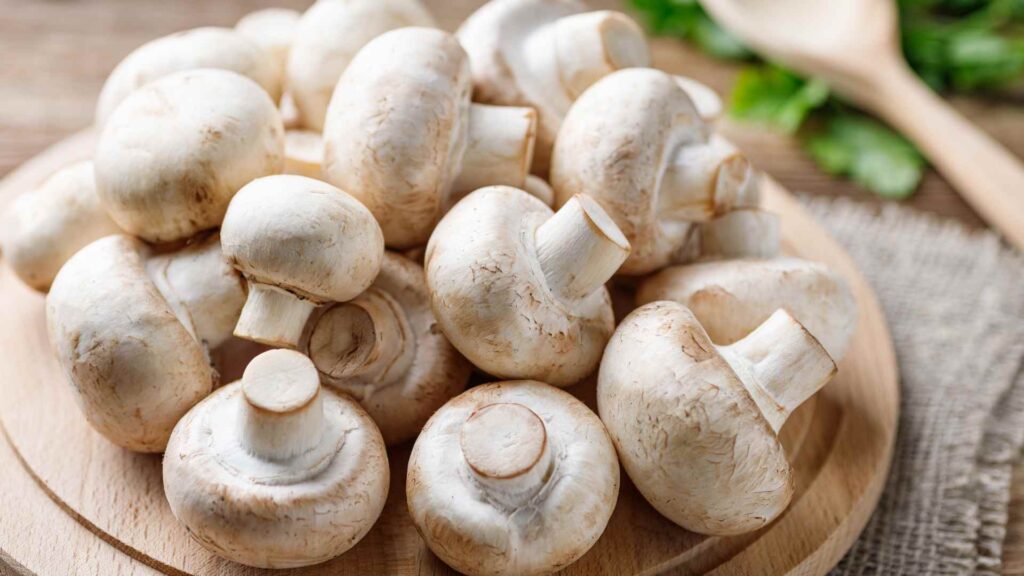
Button, cremini, and portobello mushrooms sold for human food are known culinary mushrooms and are not expected to cause mushroom poisoning. A tiny plain cooked piece may still cause ordinary stomach upset, and dogs do not need mushrooms in their diet.
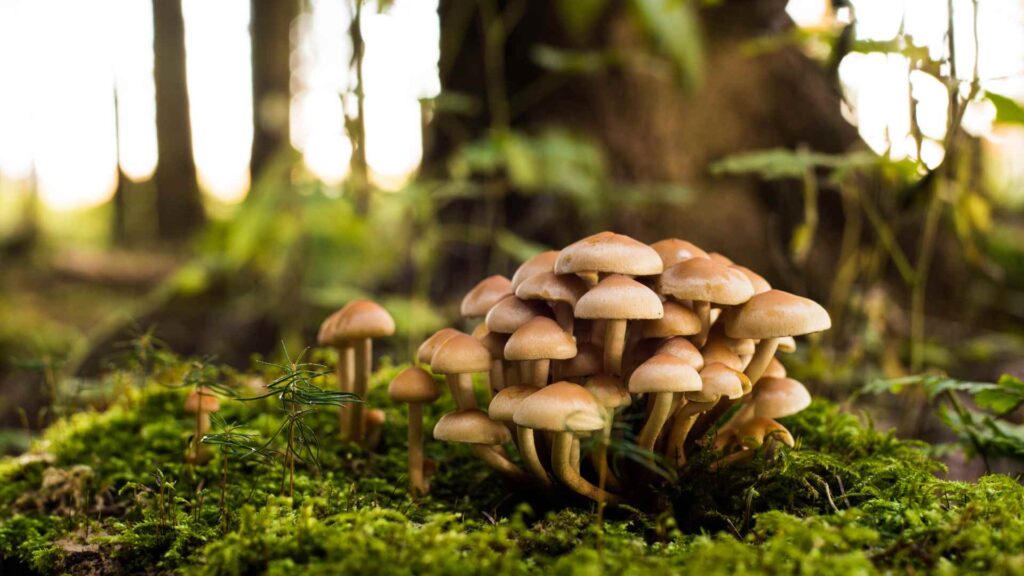
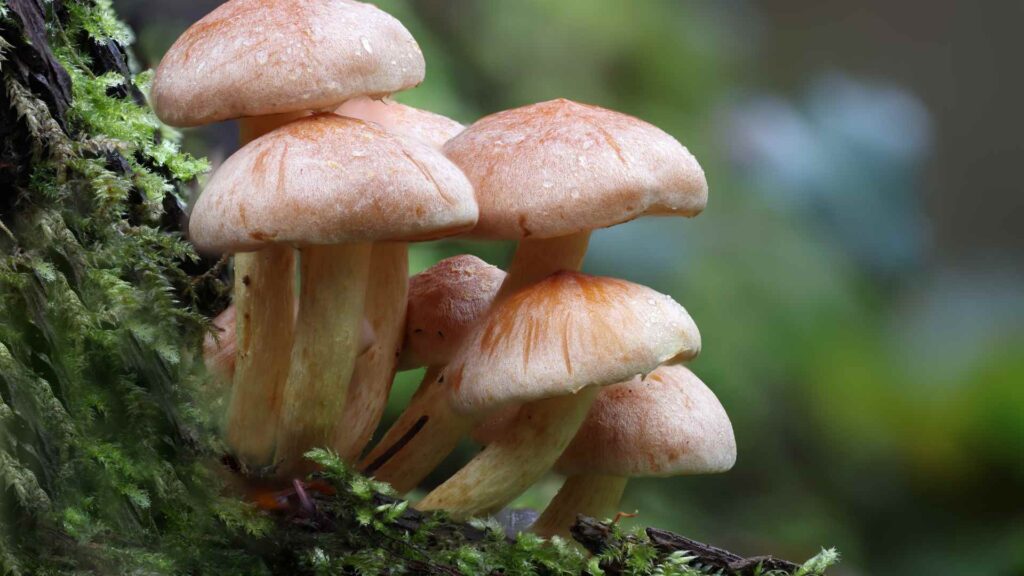
A mushroom from a lawn, trail, planter, compost pile, or unknown source belongs in a completely different risk category. Some wild species cause vomiting, neurologic signs, liver failure, kidney injury, or death, while looking deceptively ordinary.
The Merck Veterinary Manual overview explains that mushroom toxins target different organ systems and may produce signs on very different timelines. Waiting for symptoms can waste the period when veterinary decontamination may be most useful.
If your dog ate a wild or unidentified mushroom
Remove the dog from the area, prevent additional bites, and call your veterinarian, emergency clinic, or the ASPCA Animal Poison Control Center at 888-426-4435. A consultation fee may apply, but prompt case-specific guidance is more valuable than a guess.
Report the dog’s weight, estimated amount, time, exact location, symptoms, and any medical conditions. Mention whether several mushroom types were growing together, because one harmless-looking cap does not prove every swallowed piece matched it.
Do not induce vomiting or give hydrogen peroxide, salt, charcoal, oil, milk, or food unless the veterinarian or poison specialist instructs you for this case. Mushrooms produce different syndromes, and an already drowsy, trembling, or seizing dog may aspirate during a home vomiting attempt.
Go directly to emergency care for collapse, seizures, tremors, severe weakness, breathing difficulty, extreme drooling, repeated vomiting, yellow gums or eyes, or abnormal behavior. Call ahead while another person drives if that can be done safely.
Photos and samples can help, but treatment comes first
Photograph mushrooms in place before removing them, capturing the cap, underside, stem, base, nearby ground, and several stages of growth. Include a coin or ruler for scale without delaying the phone call.
Using gloves, collect a representative intact specimen and place it in a paper bag or wrap it in a damp paper towel inside a ventilated container. Wash your hands afterward and keep the sample away from children and pets.
The UC Davis School of Veterinary Medicine advises contacting a veterinarian immediately and suggests bringing a piece wrapped in damp paper towel inside a plastic bag. Follow the receiving clinic’s instructions if they prefer a different container.
Do not taste the mushroom, handle it barehanded, or spend hours trying to name it yourself. Identification should be performed by a trained mycologist, and a photo may not show microscopic or underground features needed for certainty.
The sample supports risk assessment, but a perfect species name is not required before care begins. Time, symptoms, laboratory findings, and exposure history may drive treatment while identification is pending.
Why symptom timing can mislead
Some mushroom toxins cause gastrointestinal or neurologic signs within minutes to a few hours. Others, including dangerous amatoxins, may have a quiet delay before severe liver injury becomes apparent.
A dog that seems fine after a walk is not cleared simply because dinner stayed down. The Merck review notes that delayed signs after certain mushroom exposures can be associated with life-threatening organ damage.
Possible signs include vomiting, diarrhea, abdominal pain, drooling, agitation, depression, poor coordination, tremors, seizures, unusual urination, jaundice, and collapse. No single symptom identifies the species at home.
The ASPCA’s current mushroom guidance advises immediate professional contact because wild mushrooms are notoriously difficult to identify and some cause severe liver, kidney, respiratory, or neurologic effects. It also distinguishes ordinary store-bought culinary mushrooms from unknown wild growth.
Known store-bought mushrooms
Plain button, cremini, portobello, shiitake, oyster, and other mushrooms purchased as human food are different from foraged look-alikes. Keep the label or receipt if there is any doubt about what was used.
Cook a dog-sized piece plain, cool it, and chop it small. Raw culinary mushrooms are not automatically toxic, but cooking improves texture and may make them easier to digest.
Discard slimy, moldy, spoiled, or unknown mushrooms. Mold contamination is a separate hazard and “store-bought last week” is not the same as “fresh and identified today.”
Dogs on prescription diets or elimination trials should receive no mushroom unless their veterinary team approves it. A surprise ingredient can disrupt carefully controlled sodium, fat, protein, mineral, calorie, or allergen intake.
Garlic butter and sauce are often the real problem
Sautéed mushrooms commonly arrive with garlic, onion, shallots, butter, oil, cream, wine, salty stock, or soy sauce. Assess the whole recipe rather than isolating the mushroom.
Onion and garlic can damage canine red blood cells in sufficient amounts, including cooked ingredients and powders. Use our guides to onions and garlic, then call with the recipe and amount.
Butter, cream, bacon fat, and generous oil may cause vomiting or diarrhea and can be problematic for dogs with pancreatitis history. A light sheen is not automatically an emergency, but a pan of rich mushroom sauce is not a dog treat.
Even dog-safe olive oil adds concentrated fat and calories without neutralizing mushroom toxins. Cooking a wild mushroom does not reliably make it safe.
Wine and spirits add alcohol, while salty sauces may be unsuitable for dogs with sodium restrictions. Mushroom soup and gravy may combine all these concerns in one spoonful.
Pizza, burgers, powders, and supplements
Pizza mushrooms may be known culinary varieties, but the slice also contains cheese, fat, salt, garlic, onion, and crust. A small dropped topping is different from an entire pizza raid.
Mushroom burgers and meat substitutes may contain onion, garlic, concentrated seasonings, salt, oils, or xylitol-containing sauces. Read the package instead of assuming plant-based means dog-safe.
Culinary mushroom powder can be concentrated and hidden inside soup, gravy, or seasoning blends. Medicinal mushroom supplements vary in species, extraction, dose, contaminants, and evidence, so do not use them to treat cancer, immunity, inflammation, or any disease without veterinary oversight.
“Magic mushroom” products require urgent poison guidance because they can cause neurologic effects and may be combined with chocolate, cannabis, or other drugs. If chocolate is present, consult our chocolate emergency guide while contacting a professional.
Do not conceal recreational-drug ingredients from the veterinary team. Accurate information guides safer monitoring and treatment, and the dog’s care is the priority.
How much store-bought mushroom can a dog have?
There is no reason to build a serving table for a food dogs do not need. One small, plain, cooked piece is enough to test tolerance in a healthy adult.
The World Small Animal Veterinary Association recommends keeping all treats below 10 percent of daily calories. That limit covers every extra combined, not a mushroom allowance to fill.
Stop if vomiting, diarrhea, gas, or appetite changes occur. A dog that dislikes or poorly tolerates mushrooms loses nothing by skipping them forever.
Prevention in yards and on walks
Check the yard after rain, irrigation, warm spells, and landscaping changes because mushrooms can appear quickly. Remove them before the dog goes outside, including caps, stems, and visible remnants.
Wear gloves, bag the mushrooms, and dispose of them in a closed trash container. Mowing can scatter fragments instead of removing the exposure.
Use a leash in mushroom-heavy areas and practice “leave it” and “drop it” with safe rewards. Training helps, but supervision and physical removal remain the stronger barriers.
Do not apply a lawn chemical simply because mushrooms appeared without checking pet-safety directions. A fungicide or herbicide exposure creates a different toxicology question.
Frequently asked questions
Can dogs eat canned mushrooms?
Plain canned culinary mushrooms are known species, but they may contain added sodium. Fresh plain cooked mushrooms offer more control, and canned mushrooms in sauce should be skipped.
Can dogs eat mushroom stems?
A small soft stem from a known grocery mushroom is not expected to be toxic, but it may be fibrous. A stem from an unknown wild mushroom must be treated like the rest of the unidentified specimen.
What if my dog only licked a wild mushroom?
Call for professional advice because the species, residue, and amount are uncertain. Do not let the small-looking exposure become a reason to delay.
Can I identify a mushroom with an app?
An app or online group cannot safely clear a veterinary exposure, and photos may miss decisive features. Let poison-control professionals coordinate expert identification while veterinary care proceeds.
The bottom line
A tiny plain piece of a known store-bought culinary mushroom is usually low risk, although it is unnecessary. Wild or unidentified mushrooms require an immediate call because appearance, cooking, and a symptom-free interval cannot establish safety.
Photograph the growth, collect a specimen safely if instructed, and bring accurate timing and symptom details. Skip home identification, home vomiting, and seasoned mushroom dishes, because fast professional triage is the most useful move.