Can Dogs Eat Corn? Safe Kernels and the Corn Cob Emergency
Dogs can eat a small amount of plain cooked corn kernels, but they should never chew or swallow the cob. Corn itself is not poisonous, while a cob can cause a life-threatening gastrointestinal obstruction that needs prompt veterinary assessment.
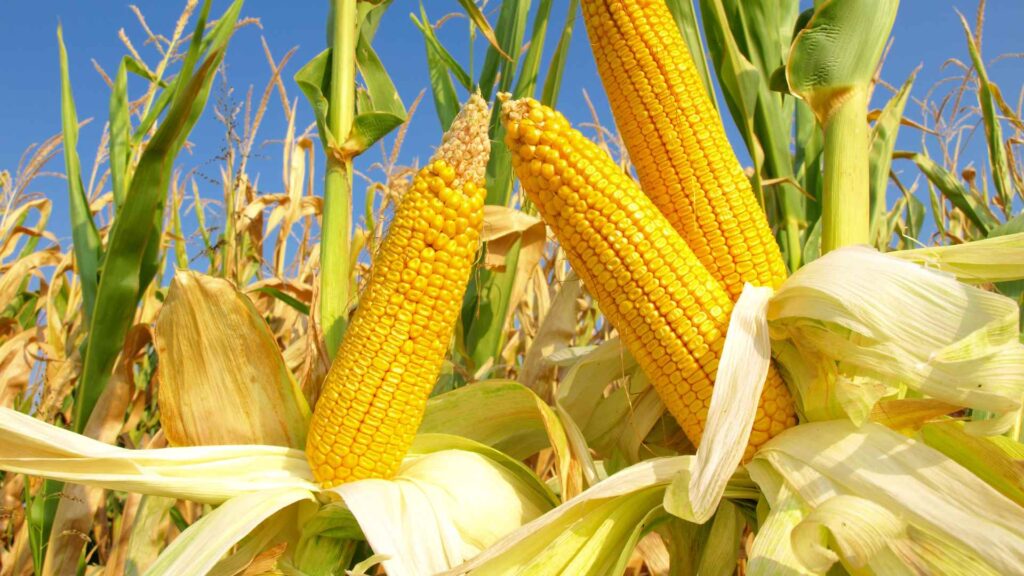
The answer in two parts
Plain kernels cut from a cooked ear can be an occasional treat for a healthy dog. They add calories and starch, so they belong in the treat budget rather than replacing complete dog food.
The cob is not digestible and can lodge in the stomach or intestines, sometimes after being chewed into chunks. There is no reliable home test that proves a swallowed piece will pass safely.
If your dog swallowed any cob, call your veterinarian or an emergency clinic now with the dog’s weight, estimated piece size, and time of exposure. Early assessment may offer options that disappear after the cob moves or obstruction develops.
Why a corn cob is an emergency concern
Cob material can swell, wedge in the digestive tract, block food and fluid, damage intestinal tissue, or cause perforation. A dog may initially appear normal and become ill hours or days later.
The Merck Veterinary Manual obstruction review includes a radiograph of a canine corn-cob obstruction and treats gastrointestinal obstruction as an emergency. Diagnosis may require examination, radiographs, ultrasound, and sometimes repeat imaging.
Possible signs include vomiting, repeated retching, loss of appetite, lethargy, abdominal pain, bloating, diarrhea, straining, dehydration, or collapse. A partial obstruction can still allow some stool or diarrhea, so passing feces does not rule it out.
Do not induce vomiting, feed bread, give oil, force bulky food, or wait for the cob to appear in stool unless a veterinarian directs that plan. Cob pieces can be awkward to bring back up and home remedies may delay imaging or removal.
The ASPCA warns that corn cobs can cause intestinal blockages and often require surgical removal. Immediate choking, breathing trouble, blue or pale gums, or collapse requires emergency care without delay.
How to serve plain corn kernels
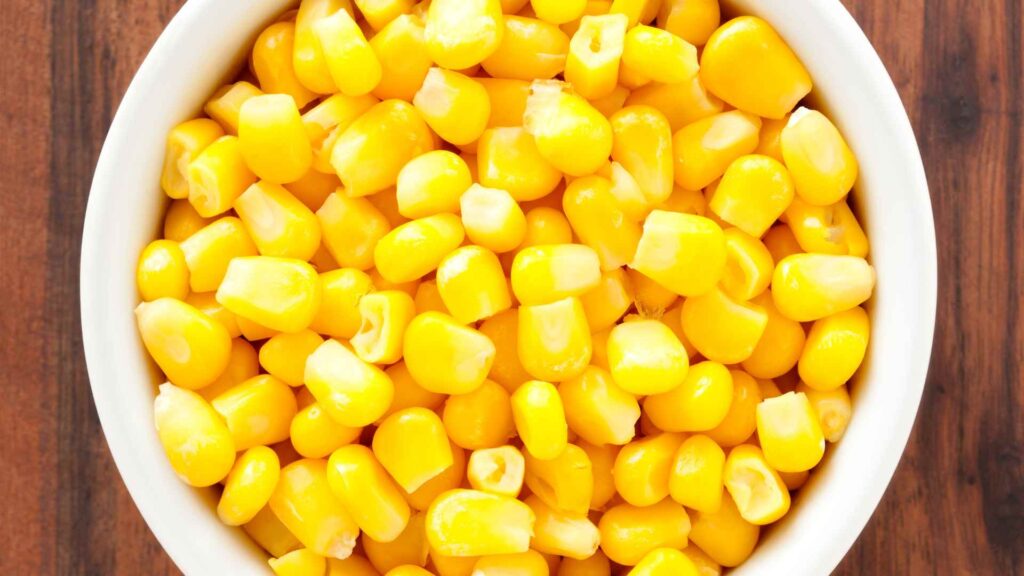
Cook the corn without salt, butter, oil, onion, garlic, or sauce. Let it cool, then slice kernels off the cob where the dog cannot grab the discarded ear.
Offer a spoonful scaled down for your dog rather than a full human side dish. Small dogs need only a few kernels, and the goal is a taste rather than a nutrition project.
Watch for gas, vomiting, loose stool, or discomfort after the first serving. Whole kernels may appear in stool because the outer layer can resist digestion, which alone is not proof of disease.
Secure the cob immediately in a covered trash can or outside bin. Dogs that ignore plain corn may become remarkably motivated once a cob smells like butter and barbecue.
Fresh, frozen, and canned corn
Fresh corn
Plain cooked kernels removed completely from the cob offer the most control. Do not hand a dog the ear to “nibble carefully,” because one bite can break off an obstructing piece.
Frozen corn
Plain frozen kernels can be cooked and cooled before serving. Large clumps of hard-frozen corn should be thawed because they can be awkward to chew and may create choking risk.
Canned corn
Canned corn often contains added sodium, while creamed corn adds sugar, starch, dairy, and flavorings. Choose no-salt-added kernels, drain them, and check every ingredient.
Rinsing reduces some surface brine but does not make a salty product sodium-free. Dogs on heart, kidney, blood-pressure, or sodium-restricted plans should follow their veterinary diet rather than a general canned-corn rule.
Popcorn, chips, tortillas, and cornbread
Popcorn
A few fully popped, plain, air-popped pieces can be a low-key treat. The ASPCA recommends air-popped popcorn without excess fat or salt.
Skip buttered cinema popcorn, kettle corn, caramel corn, cheese powder, chocolate drizzle, and seasoned snack mixes. Unpopped or partly popped kernels are hard and can damage teeth or become choking hazards.
Corn chips and tortilla chips
Chips are salty, oily, and sometimes flavored with onion, garlic, chili, cheese, or lime seasoning. One dropped plain chip is unlikely to poison a healthy dog, but chips are poor routine treats.
Corn tortillas
A tiny piece of plain cooked corn tortilla is usually low risk, but it adds calories without a special benefit. Avoid fried shells, salty fillings, salsa, onion, garlic, and spicy sauces.
Cornbread and corn muffins
Recipes may include butter, milk, sugar, salt, bacon, cheese, onion, jalapeño, or xylitol-containing sweetener. Compare the recipe with our guides to bread and milk, then judge the finished food rather than the cornmeal alone.
Butter, seasoning, and mixed dishes
Elote and street corn may contain mayonnaise, butter, cheese, chili, lime, garlic, and salt. Corn casserole, chowder, pudding, succotash, and salsa can hide onion, garlic, dairy, bacon, stock, and rich sauces.
Onion and garlic can damage canine red blood cells in sufficient amounts, including cooked and powdered forms. Use our guides to onions and garlic, and call with the recipe and amount if exposure was substantial.
Butter, cream, mayonnaise, cheese, and bacon fat may cause vomiting or diarrhea and can be problematic for dogs with pancreatitis history. A few seasoned kernels are different from cleaning an entire serving bowl.
Skewers, foil, plastic wrap, and corn holders create their own puncture or obstruction hazards. Tell the veterinarian if any hardware or packaging is missing.
Corn in dog food is not the same as table corn
Commercial dog foods may use cooked and processed corn as one ingredient in a formulated diet. Safety and nutritional adequacy depend on the complete recipe, quality control, calorie density, and the food’s life-stage statement, not on whether one ingredient sounds impressive or cheap.
Whole corn kernels added at home are treats and do not make an incomplete diet balanced. They also do not “boost” immunity, clean teeth, cure constipation, or create weight loss.
Dogs can digest properly processed starches, but visible kernel hulls in stool are not a scorecard for the digestibility of a formulated food. Home-cooked and commercial processing methods differ substantially.
Can dogs be allergic to corn?
A dog can develop an allergy to corn proteins, but corn is not automatically inflammatory or allergenic for every dog. It should not be removed from a balanced diet based only on a social-media ingredient list.
Food allergy commonly causes nonseasonal itch, recurrent skin or ear disease, and sometimes gastrointestinal signs, but those patterns overlap with many other conditions. One episode of gas after table corn does not diagnose an allergy.
The Merck Veterinary Manual states that a strict elimination diet followed by controlled dietary challenge is the reliable way to prove food allergy. Blood, saliva, hair, and casual ingredient-switch tests cannot do that reliably.
If your veterinarian starts an elimination trial, feed only the approved diet, treats, medications, and chews. A few corn kernels can invalidate weeks of careful work.
How much corn can a dog have?
There is no evidence-based kernel table for every body size. Start with a few plain kernels, and consider body size, calorie needs, health conditions, usual diet, and digestive response.
The World Small Animal Veterinary Association recommends keeping all treats below 10 percent of daily calories. Corn shares that allowance with training rewards, chews, scraps, pill foods, and every other extra.
Dogs on prescription diets, weight plans, elimination trials, or diabetic feeding schedules need individualized approval. Consistent ingredients, calories, and meal timing may matter more than the apparent simplicity of a spoonful.
My dog ate corn: what should I do?
First determine whether only kernels were eaten or any cob is missing. Record the amount, time, preparation, seasonings, dog’s weight, medical conditions, symptoms, and any missing skewer or packaging.
A healthy dog that ate a small amount of plain kernels and remains comfortable can usually be watched. Provide normal water access, continue the usual balanced food, and avoid extra treats.
Call immediately for any swallowed cob, even when the dog seems fine. Call promptly for repeated vomiting, appetite loss, abdominal pain, bloating, lethargy, repeated gagging, straining, blood, or inability to keep water down.
Seek emergency care for choking, breathing difficulty, collapse, severe weakness, or blue or pale gums. Do not induce vomiting or try to push a cob through with food unless a veterinarian directs you.
Frequently asked questions
Can puppies eat corn?
A weaned puppy can have a few plain soft kernels if treats fit the complete puppy diet. Keep every cob out of reach because puppies explore with their mouths and have smaller digestive tracts.
Can dogs eat corn every day?
There is no need to add table corn daily. If corn appears in a complete commercial diet, it is part of the formulated recipe rather than a free extra.
Is cornmeal safe?
Cooked cornmeal itself is not known to be toxic, but finished foods may contain fat, salt, sugar, dairy, onion, garlic, or unsafe sweeteners. Dry uncooked meal is not a useful dog treat.
Can corn help a dog lose weight?
Corn adds calories and is not weight-loss therapy. A veterinarian should set target weight, calories, diet, treats, activity, and follow-up measurements.
The bottom line
Plain cooked kernels can be an occasional treat, but dogs do not need added corn for nutrition or health. Keep portions modest and avoid salt, butter, rich sauces, hard frozen clumps, and heavily seasoned products.
A corn cob is a foreign body, not a snack, and any swallowed piece deserves an immediate veterinary call. Secure cobs and skewers in closed trash before the dog gets a chance to make leftovers memorable.