Can Dogs Eat Rye Bread? Dough, Raisins, Xylitol, Mold, and Bags
One small bite of plain fully baked rye bread is unlikely to poison a healthy dog, but it is an optional starch, not a bland-diet or fiber treatment. Raw yeast dough, raisins or Zante currants, xylitol, mold, alcohol, seasonings, toppings, allergies, and swallowed bags require different responses.
Identify the form before deciding
- One small plain baked bite: usually monitor for stomach upset.
- Raw yeast dough: contact a veterinarian or animal poison service promptly because it can expand and produce ethanol.
- Raisin, currant, fruit, chocolate, or sugar-free rye: check urgent co-ingredients immediately.
- Moldy, fermented-smelling, or compost bread: prevent access and call for symptoms or a meaningful amount.
- Bag, clip, tie, label, desiccant, foil, or toothpick missing: report the foreign-object risk.
Save the wrapper or recipe and record fully baked or raw, bread style, ingredients, amount range, time, dog weight, symptoms, medical conditions, and missing objects. A plain crust and an entire raisin-rye loaf are not the same exposure.
Plain baked rye bread is usually low risk in a small amount
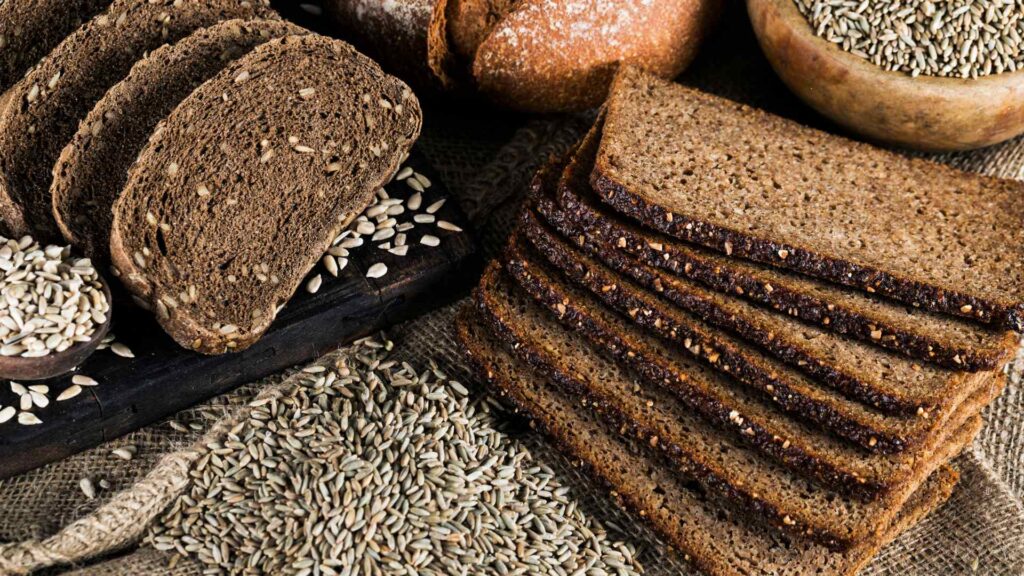
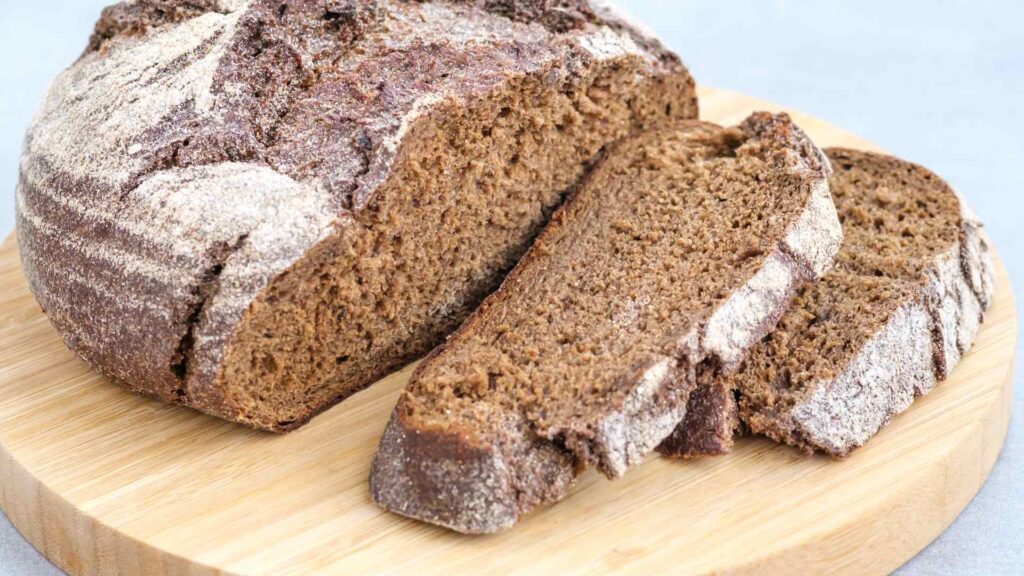
Rye bread may contain rye flour, wheat flour, water, yeast or starter, salt, and sometimes caraway. Dark color can also come from molasses, malt, cocoa, caramel color, or other ingredients, so appearance does not identify the recipe.
A small plain piece may cause no sign, while several slices can cause fullness, gas, vomiting, loose stool, constipation, or appetite change. Bread calories can also displace complete food quickly in a small dog.
Rye is not a required add-on for a dog eating a complete diet. A nutrient or fiber list does not prove a medical benefit for digestion, weight, or blood sugar.
Dogs with diabetes, obesity, pancreatitis history, gastrointestinal disease, swallowing trouble, an elimination diet, or a veterinary prescription diet should not receive bread casually. The clinician’s plan takes priority.
Raw yeast dough is the urgent bread exposure
Raw yeast-based rye dough can expand in the warm stomach while fermentation produces ethanol. This creates both gastric-distention and alcohol-poisoning risks.
The Merck Veterinary Manual bread-dough review describes unproductive retching, abdominal distention, lethargy, abnormal walking, disorientation, weakness, low body temperature, collapse, or seizures.
Call promptly after known or possible dough ingestion even if the dog looks normal. Report the dough mass, yeast or sourdough starter, recipe, time, dog weight, and whether the bowl, wrap, or towel was also swallowed.
Do not feed extra bread, force cold water, or induce vomiting unless a veterinary professional gives case-specific directions. Sticky dough can be difficult to remove and an impaired dog can aspirate.
Raisins and Zante currants change the answer
Raisin rye, fruit bread, holiday loaves, and bakery specials may contain raisins or Zante currants, which are dried grapes. These are not ordinary fiber or sugar concerns for dogs.
The Merck Veterinary Manual Vitis review links grapes, raisins, and Zante currants with acute kidney injury in some dogs. Tartaric acid content varies, so effects are unpredictable.
Contact a veterinarian or animal poison service promptly after any known or possible raisin or Zante-currant exposure. Do not wait for vomiting, diarrhea, lethargy, appetite loss, thirst changes, weakness, or reduced urination.
Our raisin guide explains why there is no dependable home safe-dose table and why DIY emesis is not a substitute for professional advice.
Sugar-free bread requires a xylitol check
Most ordinary rye bread is not sugar-free candy, but low-carb, keto, protein, dessert, bakery, or homemade recipes may use unusual sweeteners. Nut butter or jam spread on the bread can also contain a separate formula.
The FDA xylitol warning advises immediate veterinary contact because xylitol can cause dangerous low blood sugar and liver injury in dogs. Look for xylitol, birch sugar, wood sugar, or birch bark extract.
Do not wait for vomiting, weakness, staggering, tremors, collapse, or seizures after confirmed xylitol. Bring the entire ingredient panel, package weight, amount missing, dog weight, and time.
Our stevia guide explains why xylitol, erythritol, and purified steviol glycosides should not be conflated. Report the exact sweetener name.
Caraway and ordinary seasonings need proportion
Caraway seeds are a traditional rye-bread flavor and one baked slice may contain only a culinary amount. That is different from a spice jar raid, essential oil, tincture, or concentrated supplement.
Specialty loaves may add onion, garlic, chive, cheese, salt, pepper, or seasoning blends. Garlic and onion can damage canine red blood cells even after cooking.
Our garlic-powder guide covers concentrated Allium seasoning and delayed signs. Save the bakery ingredient list rather than guessing from aroma.
Do not use caraway or rye bread to treat gas, appetite, constipation, or milk production. Culinary history and human herbal use are not canine prescribing evidence.
Marble rye and alcohol-flavored loaves
Marble rye usually combines light and dark doughs, but some dark formulas add cocoa, coffee, malt, molasses, or caramel color. Check the actual recipe rather than assuming every brown swirl is chocolate.
Beer bread, whiskey rye, or holiday loaves may use alcohol, although baking can reduce it by varying amounts rather than guarantee zero. A small baked bite and raw alcohol-containing batter are different exposures.
Chocolate chips, cocoa-heavy dough, coffee, macadamias, nuts, or sweet fillings require their own assessment. Report each ingredient and the amount of the finished loaf missing.
Our beer guide explains ethanol and brewing exposures. Alcohol should never be added to bread as a dog flavoring.
Moldy rye bread belongs in the trash
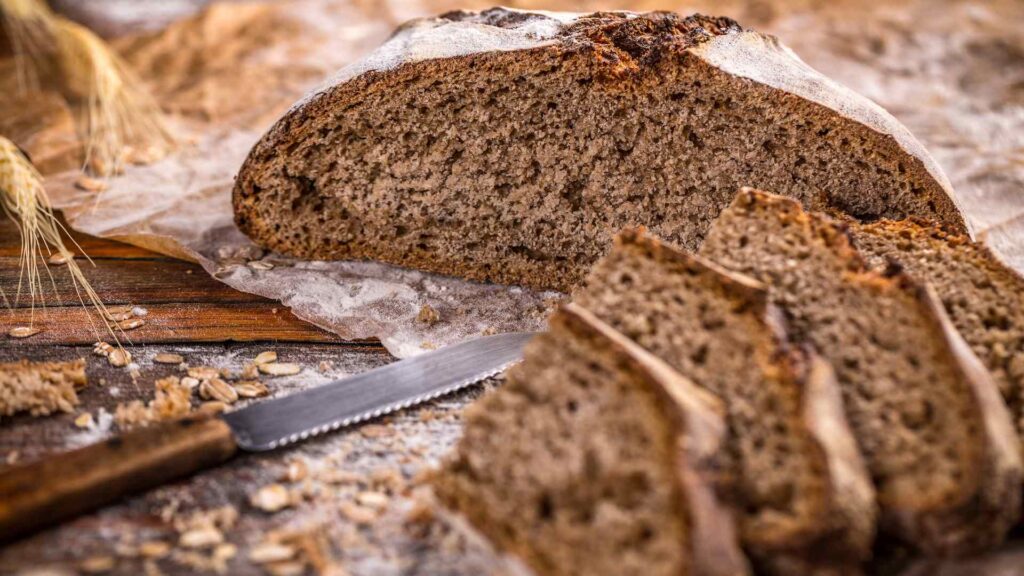
Bread is porous, so visible mold may extend below the spot. Cutting off one fuzzy corner does not make the remaining slice suitable for a dog.
The USDA mold guide recommends discarding moldy bread and baked goods. Do not sniff a moldy loaf because spores can irritate airways.
Some molds can produce tremorgenic toxins, and the Merck Veterinary Manual mycotoxin review describes vomiting, agitation, abnormal walking, rapid heart rate, tremors, overheating, or seizures in dogs after moldy-food access.
Call promptly for a meaningful moldy-bread or compost exposure and urgently for neurologic signs. Save a sample in a sealed container only if a professional requests it and handling is safe.
Gluten and wheat allergy need nuance
Rye contains gluten-related proteins, and many rye breads also contain wheat flour. Most dogs do not need a grain-free diet merely because bread caused one soft stool.
A true food allergy can involve skin, ears, or gastrointestinal signs and requires a controlled veterinary elimination trial and challenge. One bite cannot confirm or exclude an allergy.
Some breeds or individual dogs may have specific gluten-sensitive disease, but that diagnosis should not be generalized to every dog. Follow the veterinary diet exactly when gluten avoidance is prescribed.
Facial swelling, hives, breathing difficulty, collapse, or rapidly worsening signs is an emergency. Stop the suspected food and bring the full label.
Rye bread is not a bland-diet treatment
Bread does not diagnose or treat vomiting, diarrhea, constipation, poor appetite, pancreatitis, or weight loss. It may add salt, fiber, starch, allergens, and unfamiliar ingredients while delaying the cause.
A veterinarian-directed short-term diet may use specific ingredients in specific amounts, but that plan should not be replaced with random rye toast. Many homemade bland diets are incomplete if continued.
Toasting changes texture and moisture, not the underlying ingredient list. Burned, rock-hard, heavily buttered, or seasoned toast adds avoidable chewing, fat, salt, and irritation concerns.
Repeated vomiting, blood, severe diarrhea, a painful swollen abdomen, weakness, dehydration, or inability to keep water down needs medical advice. Puppies, seniors, and dogs with chronic disease may need help sooner.
Sandwiches and toppings are mixed-food exposures
A rye sandwich can add bologna, corned beef, pastrami, cheese, butter, mustard, onion, garlic sauce, pickles, toothpicks, and wrappers. The bread may be the least important part.
Our bologna guide covers sodium, fat, spices, deli storage, large slices, and packaging. Inventory the whole plate or lunch bag.
Nut butters, jams, chocolate spreads, and sugar-free toppings require label checks for xylitol, raisins, macadamias, chocolate, and other hazards. Do not feed more plain bread to absorb a topping.
Bags, clips, and ties can outrank the bread
Plastic bread bags can seal around the muzzle and cause suffocation, while clips, twist ties, paper, foil, desiccants, and toothpicks can choke or obstruct. Count each missing item after a raid.
Repeated vomiting, gagging, abdominal pain, refusal to eat, or inability to keep water down after missing packaging needs prompt assessment. Do not wait for a clip or plastic wad to appear in stool.
Store bread in a closed cabinet or freezer and discard bags in a secured bin. Keep raw rising dough behind a closed oven or door rather than under a loose towel on the counter.
If you choose to share a taste
Use one tiny piece of plain fully baked fresh rye with no raisins, currants, xylitol, mold, alcohol-rich filling, spread, or seasoning. Supervise and count it within the treat allowance.
Skip bread for dogs with relevant diet or medical restrictions unless the veterinarian approves it. The dog’s own measured complete food remains the simpler reward.
Bottom line
One small plain baked rye-bread bite is generally low risk, but it is optional and not a digestive remedy. Raw yeast dough, raisins or currants, xylitol, mold, alcohol, seasonings, allergies, mixed foods, symptoms, and bags require a more careful response.