Can Dogs Eat Rice Cakes? Labels, Toppings, Texture, and Portions
A small piece of plain, unflavored rice cake is unlikely to poison most healthy dogs, but rice cakes are optional processed snacks, not bland-diet or weight-loss tools. Salt, sugar, flavorings, chocolate or xylitol toppings, hard or sticky pieces, calories, diet displacement, wrappers, and medical restrictions change the answer.
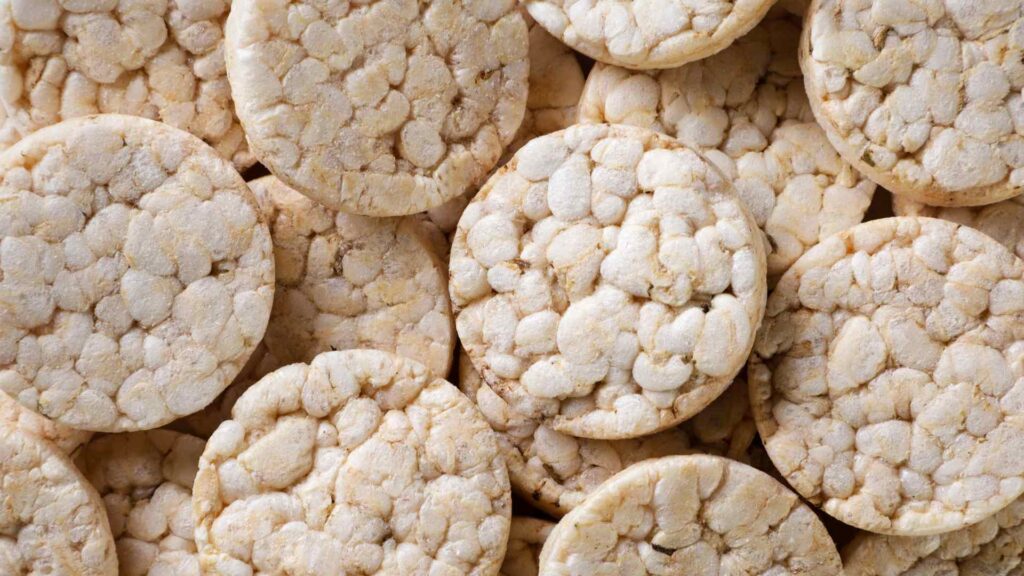
Round puffed cakes and chewy rice cakes are different hazards
The familiar dry puffed disk crumbles but can form hard or scratchy mouthfuls when gulped. Chewy cylindrical or sliced rice cakes used in Korean dishes can be dense, sticky, and much more difficult to chew or swallow.
Do not offer a whole disk or a large sticky piece as enrichment. Puppies, tiny dogs, flat-faced breeds, dental patients, gulpers, and dogs with swallowing disorders need smaller safer rewards or no rice cake at all.
Read every flavored label
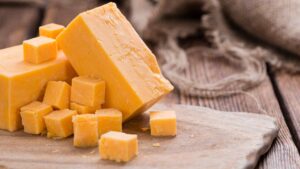
Caramel, cinnamon, cheddar, ranch, barbecue, chocolate, yogurt-coated, kettle-corn, and savory rice cakes have different ingredient lists. Onion or garlic matters only when it is actually present, and a color or unfamiliar additive is not proof of poisoning.
The FDA Nutrition Facts guide explains that nutrients apply to the labeled serving, not automatically to the whole package. Count cakes or grams missing and photograph the current ingredient panel.
Toppings can outrank the rice cake
Chocolate or cocoa needs a product, amount, time, and dog-weight assessment. Sugar-free nut butter, frosting, syrup, or jam needs an immediate xylitol check, while ordinary peanut butter still adds fat, calories, and stickiness.
Honey, jam, marshmallow spread, dried fruit, raisins, macadamias, cannabis products, and alcohol-flavored toppings each change the problem. Do not scrape off a visible layer and assume none was eaten.
Low-calorie marketing does not make treatment
A product can taste plain to a person and still be dry, calorie-bearing, salty, sweetened, or nutritionally incomplete. Rice cakes do not treat vomiting, diarrhea, dehydration, poor appetite, obesity, diabetes, or food allergy.
A veterinarian may use a specific rice-containing diet for a particular patient, but that does not turn a packaged cake into therapy. Our white-rice guide explains why bland-diet decisions belong in a cause-based plan.
Rice cakes are simple-looking, not nutritionally neutral
A typical puffed rice cake may contain little more than rice, but salt, oil, sugar, seasoning, grain blends, and coatings vary by brand. The label decides whether a particular product is truly plain.
FDA label guidance explains how serving size and sodium are displayed. Compare the package actually eaten rather than a remembered brand.
One broken piece and a package are different events
A small broken piece from a plain cake is usually a minor dietary detour. A missing package can deliver much more salt, sugar, calories, dry material, toppings, and plastic.
Merck’s salt toxicosis guide emphasizes water access and exposure context. Do not restrict water or give extra salt as a home treatment.
Dogs with heart, kidney, urinary, or sodium-restricted diets deserve an earlier call. The medical plan matters even when no poisoning signs are expected.
Flavors and toppings rewrite the label
Garlic, onion, chive, cheese, ranch, barbecue, or seasoned salt may appear in flavored rice cakes. Cooking Alliums into the product does not remove their risk.
Peanut butter, yogurt coating, cheese, chocolate spread, frosting, or jam creates a second ingredient list. Sugar-free spreads require a xylitol check.
A topping has its own label, and spread safety depends on sweetener, fat, salt, stickiness, and portion.
Quick first-minute inventory
- Identify plain, salted, sweetened, flavored, coated, topped, chewy, mini, or stale product and missing packaging.
- Photograph labels and estimate amount, time, dog weight, symptoms, conditions, medications, and normal diet.
- Flag onion, garlic, high sodium, xylitol, chocolate, grapes or raisins, macadamias, alcohol, cannabis, and swallowed wrappers.
- Call promptly for dangerous toppings, a large or unknown amount, symptoms, medical restriction, choking, or missing packaging. Do not induce vomiting unless directed.
Read the package you actually have
Rice cake formulas vary by flavor, country, package size, and product update. Plain, brown-rice, multigrain, mini, thin, cheese, sweet, coated, and seasonal versions should not be treated as one recipe.
FDA guidance on Nutrition Facts labels explains serving sizes, calories, fat, sodium, and ingredient lists. Compare the number missing with the labeled serving rather than an online memory.
One crumb or rice cake is not the same as a sleeve. Photograph the label, count missing food and wrappers, and note dog weight, health, symptoms, and time.
Salt, fat, and calories are the ordinary concerns
Some rice cakes are unsalted, while others carry meaningful sodium or seasoning in a food that looks light because it is airy. A couple may cause no signs, while a large amount can bring thirst, vomiting, diarrhea, gas, or abdominal discomfort.
Merck’s salt toxicosis guide explains that excessive sodium is especially dangerous when fresh water is restricted. Severe exposure can cause neurologic signs such as tremors or seizures.
One plain rice cake is not automatically salt poisoning, but a missing salted package in a small dog warrants label-based advice. Dogs on cardiac, kidney, or sodium-restricted diets deserve an earlier call.
Leave normal fresh water available unless a veterinarian directs otherwise. Do not force water or give electrolyte drinks to correct the exposure.
The WSAVA treat guide recommends keeping all extras below 10 percent of daily calories. Rice cakes can quietly consume that allowance without adding complete nutrition.
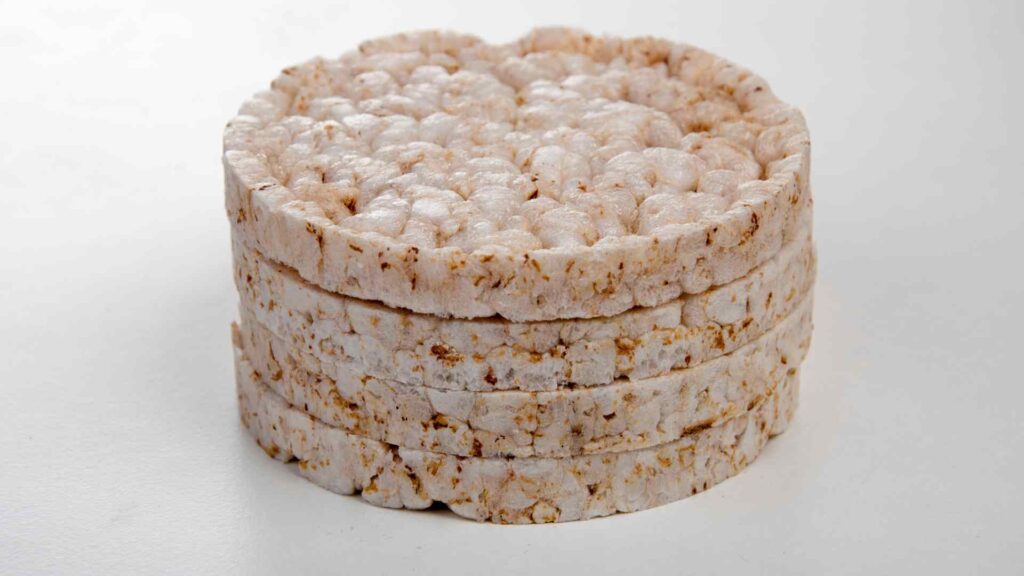
Flavored rice cakes may contain Alliums
Garlic, onion, chive, cheese, ranch, barbecue, and savory seasonings can appear as powders or flavor blends. Cooking and powdering do not make onion or garlic harmless to dogs.
Merck’s Allium guide explains that red-blood-cell injury can be delayed. Save the package and call after a meaningful or uncertain flavored-rice cake exposure.
The site’s onion guide covers cumulative intake, powders, delayed weakness, pale gums, rapid breathing, and dark urine. A dog looking normal immediately is not a clearance test.
Do not assume natural flavor is onion-free or garlic-free. Ask the manufacturer when necessary while sharing known details with the veterinarian.
Chocolate, nut butter, yogurt coating, and other toppings
A rice cake topped with peanut butter becomes a two-label food. Check the spread for xylitol, sometimes listed as birch sugar or wood sugar, and account for fat and calories.
Peanut butter adds fat, calories, and stickiness, while sugar-free products require a xylitol check. A familiar brand still needs its current ingredient list.
Cheese spreads add sodium, fat, dairy protein, lactose, herbs, and flavorings. Meat, tuna salad, onion dip, hummus, smoked salmon, and charcuterie toppings each require their own ingredient review.
Chocolate spread, grape jelly, raisins, macadamias, alcohol, cannabis, and sugar-free toppings can be far more urgent than the rice cake. Inventory the complete plate.
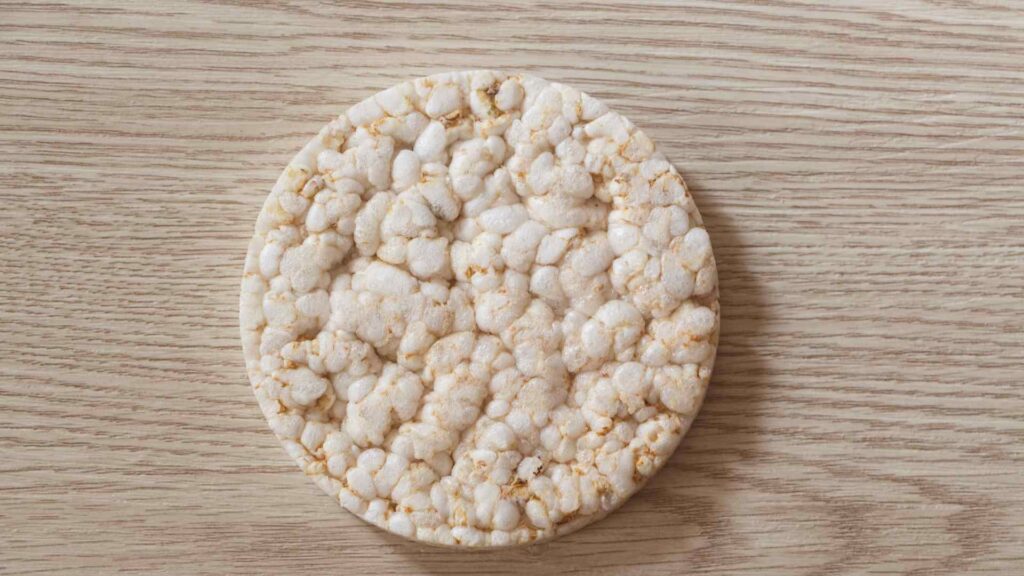
Dry crumbs and choking
Dry rice cakes break into crumbs that can trigger coughing or gagging, especially when a dog grabs several at once. Flat-faced dogs, small breeds, dental patients, puppies, and gulpers deserve closer attention.
Coughing, frantic pawing, blue or pale gums, inability to move air, or collapse is an emergency. Do not perform a blind finger sweep that could push food deeper.
Offer normal water after a minor exposure if the dog wants it, but do not pour fluid into the mouth. Forced water can be aspirated.
A rice cake is not a prescribed bland diet
A food can taste bland to a person and still contain fat, sodium, and processed starch. Rice cakes should not be used to treat nausea, diarrhea, poor appetite, low energy, or dehydration.
Vomiting and diarrhea have many causes, including infection, parasites, pancreatic disease, toxins, medication, and obstruction. Feeding rice cakes can delay diagnosis or worsen symptoms.
The rice guide separates plain cooked rice from dry rice, leftovers, seasoned dishes, and diet displacement. A packaged cake does not become a veterinary bland diet by association.
Allergy and diet trials
Most dogs do not need rice cakes marketed as gluten-free, organic, brown-rice, or multigrain without a specific dietary reason. Itching, ear disease, vomiting, or diarrhea should be investigated with a controlled veterinary plan.
Merck’s food-allergy guide explains elimination followed by rechallenge. Randomly switching grains cannot diagnose a food allergy.
Dogs on an elimination diet should receive no unapproved rice cakes, toppings, flavored medications, or chews. One small table scrap can compromise weeks of controlled feeding.
Wrappers and packaging
Plastic sleeves, foil, cardboard, clips, resealable tracks, and individual sandwich wrappers may be swallowed with the food. Thin snack bags can also create a suffocation risk around the nose and mouth.
Repeated vomiting, retching, abdominal pain, appetite loss, a swollen abdomen, or inability to keep water down can indicate a foreign body. Do not wait for plastic to appear in stool when symptoms develop.
Cut open discarded bags and secure the trash. Keep open party trays off low tables where rice cakes, toppings, toothpicks, and napkins are equally accessible.
Dogs who need stricter rules
Dogs with heart disease, kidney disease, diabetes, obesity, pancreatitis, intestinal disease, swallowing trouble, or prescription diets should not receive rice cakes casually. The managing veterinarian can interpret the actual label.
Puppies need balanced growth nutrition and readily chew packaging. Small dogs can receive a meaningful calorie and sodium load from what looks like a modest human snack.
What to do after a rice cake raid
- Identify the exact variety, flavor, package size, current ingredients, and toppings.
- Estimate rice cakes and wrappers missing, time, dog weight, symptoms, conditions, medications, and normal diet.
- Flag onion, garlic, sodium, xylitol, chocolate, grape jelly, raisins, macadamias, alcohol, cannabis, and rich spreads.
- Account for plastic sleeves, foil, boxes, clips, bags, skewers, toothpicks, knives, and plates.
- Call for dangerous ingredients, a large amount, significant symptoms, medical restrictions, choking, or missing packaging.
A healthy adult dog that ate a few plain rice cakes, swallowed no packaging, and remains comfortable can often be monitored. Keep normal water available and return to the complete diet.
Do not induce vomiting or give salt, oil, charcoal, antacids, electrolyte drinks, or human medicine unless directed. The correct response depends on product and symptoms.
Homemade rice cakes, cooked rice, and dry rice
Homemade rice cakes may include cooked rice, egg, cheese, oil, salt, sugar, herbs, garlic, onion, or specialty sweeteners. Ask for every ingredient and whether the food is fully cooked.
Dry rice is not a crunchy treat, and large amounts of cooked rice can displace complete nutrition. Leftover cooked rice should be refrigerated promptly and discarded when storage is uncertain.
Do not assume a gluten-free or grain-free rice cake is safer. Rice, corn, quinoa, lentil, pea, seed, egg, cheese, and nut ingredients can still affect allergies, calories, and veterinary diets.
Storage and spoilage
Keep open sleeves dry and sealed according to the label. Discard rice cakes that are moldy, wet, rancid, pest-contaminated, or exposed to household chemicals.
Rice cakes stored beside rodent bait, medicine, cleaning products, or desiccants create a mixed exposure after a pantry raid. Inventory the entire shelf rather than reporting food alone.
An airtight jar does not remove risk if a dog breaks the glass to reach it. Broken glass, oral bleeding, or suspected swallowed shards requires emergency assessment.
Symptoms need proportionate interpretation
One soft stool after several plain rice cakes may resolve, but persistent vomiting, marked diarrhea, abdominal pain, or inability to keep water down warrants veterinary advice. Another ingredient or foreign object may be responsible.
Tremors, seizures, collapse, profound weakness, or breathing difficulty are not expected from one plain rice cake. Recheck flavored ingredients and toppings while seeking urgent care.
Coughing after dry crumbs should settle quickly. Ongoing cough, breathing effort, fever, or lethargy can raise concern for aspiration or another respiratory problem.
Better rewards are easier to manage
Pieces of the dog’s measured kibble or a veterinarian-approved treat are easier to count than broken rice cakes. They also avoid coating fingers and pockets with salty crumbs.
Training frequency can turn tiny pieces into substantial calories. Measure the day’s rewards in advance and subtract them from the complete ration when appropriate.
Chews, dental products, and enrichment toys should match the dog’s size and health plan. Rice cakes do not clean teeth or provide meaningful chewing enrichment.
Party trays require a wider inventory
A rice cake board may include grapes, raisins, macadamias, chocolate, cured meats, rich cheeses, onion dip, garlic spread, alcohol, and toothpicks. Count every missing item.
Ask guests not to hand-feed from the board and clear napkins promptly. Several people offering one rice cake each can create a large total without anyone noticing.
Frequently asked questions
Are plain rice cakes toxic?
A few are usually a minor dietary mistake rather than poisoning. Sodium, fat, calories, amount, dog health, and packaging still matter.
Can rice cakes settle a dog’s stomach?
Do not use them as a bland-diet treatment. Persistent or severe gastrointestinal signs need a cause-based plan.
What about topped rice cakes?
Check both labels, especially for xylitol, sodium, fat, and flavorings. A sandwich rice cake is not equivalent to a plain rice cake.
The bottom line
A few plain rice cakes are unlikely to harm a healthy dog, but they are unnecessary sources of salt, fat, and calories. Current labels and serving size matter more than a universal safe-rice cake chart.
Flavored Alliums, xylitol toppings, mixed snacks, medical diets, choking, and wrappers change the answer. Do not use rice cakes as stomach medicine or hydration food.