Can Cats Eat Basil? Fresh Leaves, Pesto, Plants, and Oils
Fresh culinary basil is non-toxic to cats, and a nibble is unlikely to cause more than possible stomach upset. It still is not a useful feline food, while pesto, basil essential oil, fertilizer, pesticides, mold, and meals seasoned with onion or garlic need a completely separate look.
The quick kitchen answer
If a healthy adult cat chewed one clean sweet-basil leaf and is acting normal, remove the plant and observe. You do not need to transform the windowsill into a crime scene, but vomiting, diarrhea, heavy drooling, breathing changes, tremors, or unusual lethargy deserve a veterinary call.
There is also no reason to sprinkle basil into every meal. Cats need complete animal-based nutrition, and a fragrant leaf does not upgrade a balanced cat food.
Basil is listed as non-toxic to cats
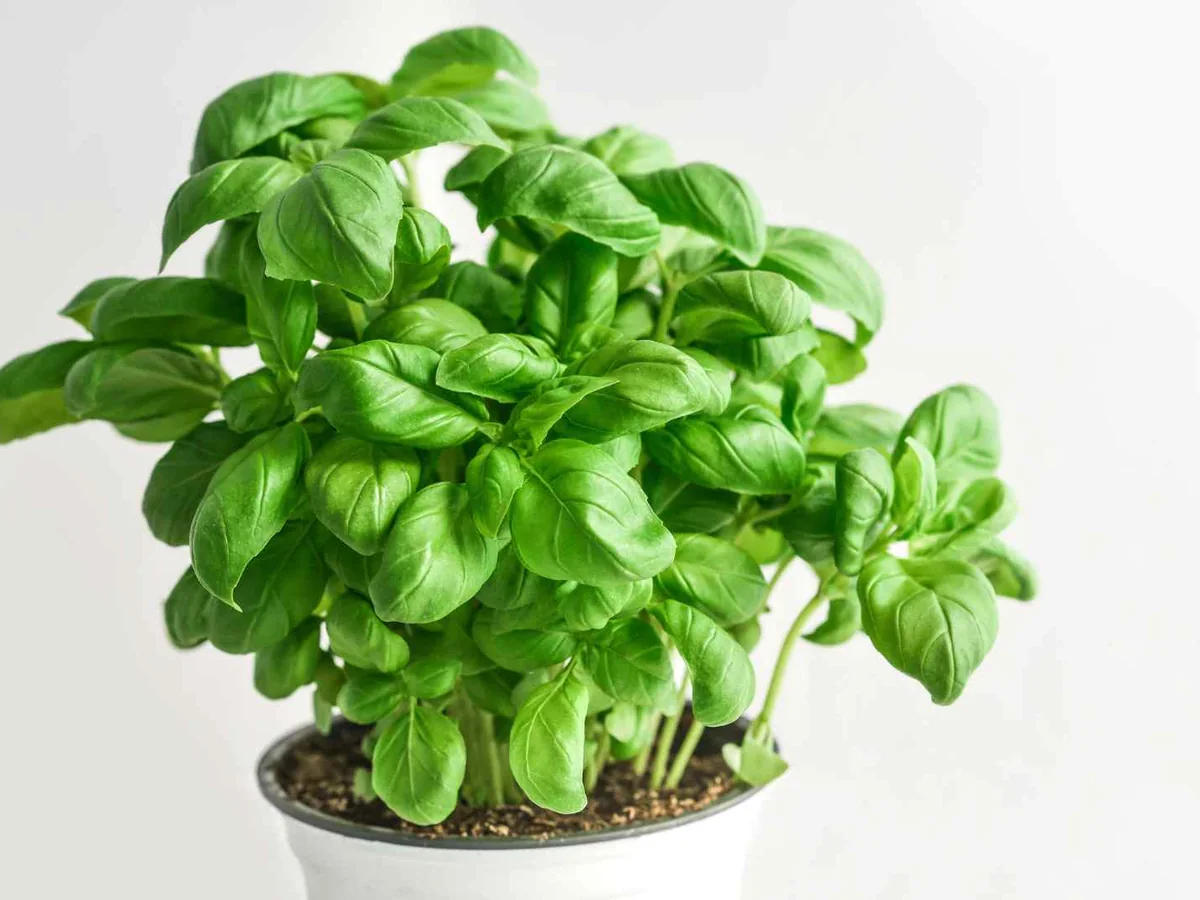
The ASPCA Animal Poison Control Center lists sweet basil, also called Saint Joseph’s wort, as non-toxic to cats and dogs. That is reassuring for a small leaf nibble from an accurately identified plant.
Non-toxic does not mean that eating a salad bowl of leaves will feel good. Any unfamiliar plant material can cause vomiting, diarrhea, drooling, or appetite change, particularly when a cat consumes a substantial amount.
The plant’s identity matters because common names are unreliable and look-alikes exist. Photograph the whole plant, leaf shape, stem, flowers, pot label, and any nearby products if you need professional identification.
Which kinds of basil are we discussing?
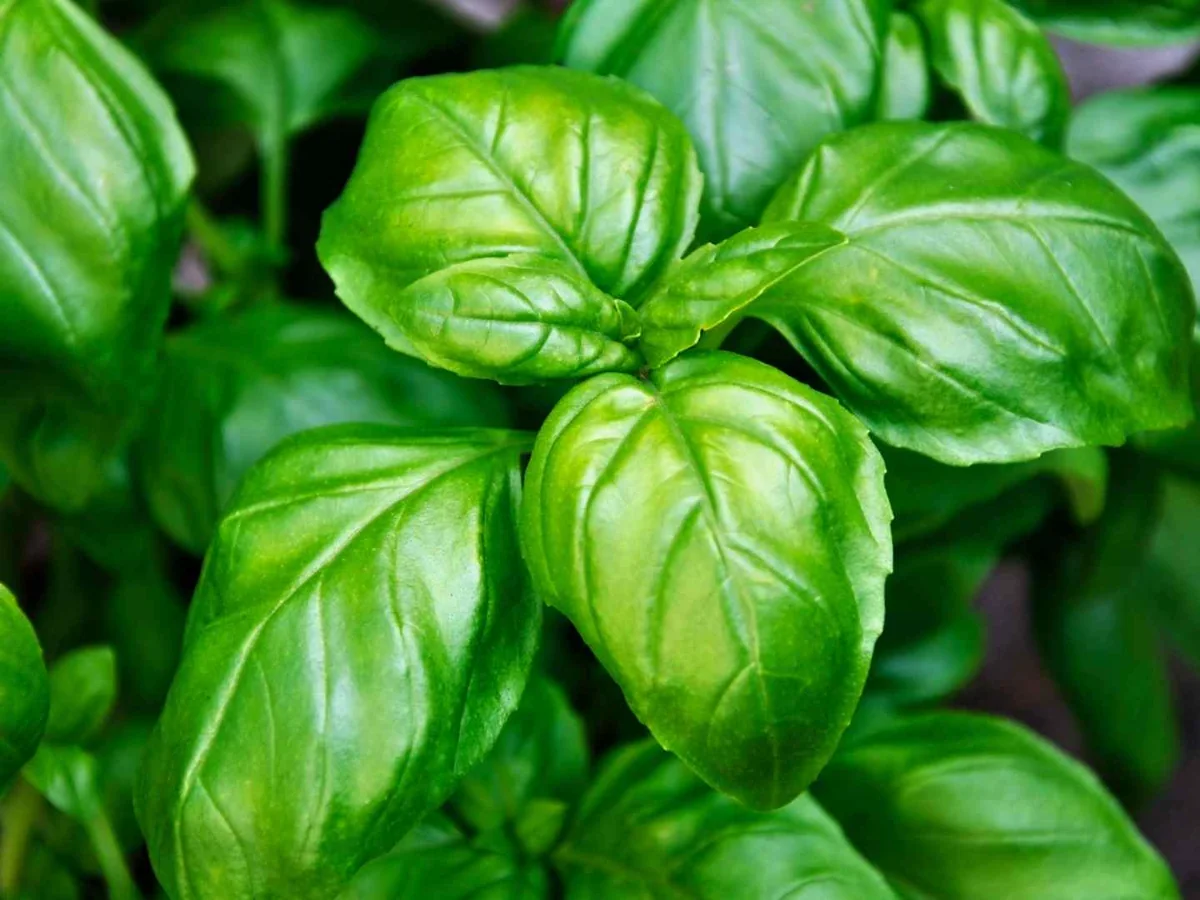
Sweet basil, Genovese basil, Thai basil, lemon basil, purple basil, and holy basil may all be called basil in a kitchen or nursery. The ASPCA page specifically names Ocimum basilicum, so do not assume its listing proves every plant with basil in its nickname is interchangeable.
Fresh leaves, dried culinary basil, extracts, essential oil, pesto, and garden plants are also different exposures. Concentration and added ingredients often matter more than the shared word on the label.
Our published basil guide for dogs offers a useful product map across leaves, pesto, plants, and oils. Use it to identify the form involved, but keep portions and clinical advice species-specific.
A basil leaf is not basil essential oil
Essential oil is a concentrated aromatic product, not liquid salad seasoning. The reassuring plant listing cannot be stretched to prove that swallowing, inhaling, or coating fur with concentrated oil is harmless.
Cats groom residues from fur and may absorb some substances through skin or lungs. The Cornell small-animal toxin resource flags several concentrated essential-oil products as toxic to cats and urges owners to call when uncertain.
That source does not establish a specific toxic dose for basil oil, and this article will not invent one. Treat a diffuser spill, direct skin application, concentrated ingestion, or respiratory reaction as a reason to contact a veterinarian or veterinary poison specialist.
Signs that need prompt help after oil exposure
- Coughing, wheezing, open-mouth breathing, rapid breathing, or obvious respiratory effort.
- Heavy drooling, pawing at the mouth, repeated swallowing, or vomiting.
- Weakness, wobbliness, tremors, unusual sleepiness, or collapse.
- Red, painful skin or eyes, squinting, or frantic grooming after a spill.
- Loss of appetite or marked behavior change after any concentrated exposure.
Move the cat to fresh air without putting yourself at risk, prevent grooming if you can do so safely, and call before washing with a random household product. Do not induce vomiting or apply another oil to dilute the first one.
Pesto is not a bowl of chopped basil
Traditional pesto often contains garlic, olive oil, Parmesan or another cheese, pine nuts, and salt. Commercial versions may add onion, cashews, walnuts, lemon, preservatives, or enough oil to turn a small spoonful into a rich meal for a cat.
Garlic and onion are the main toxicology concern because cats are particularly susceptible to red blood cell damage from alliums. The ASPCA people-food guidance explains that onion, garlic, and chives can cause gastrointestinal irritation and anemia, with cats more susceptible than dogs.
Symptoms of allium injury can be delayed, so a normal-looking cat immediately after pesto is not an all-clear. Call with the ingredient list, amount, time, cat’s weight, and health history instead of waiting for pale gums or weakness.
Our pesto ingredient guide helps locate garlic, oils, cheese, nuts, and package parts on a label. The dog page is a label-reading companion, not proof of a feline dose.
Signs that may follow onion or garlic exposure
- Vomiting, diarrhea, drooling, or abdominal discomfort.
- Weakness, unusual tiredness, reduced appetite, or reluctance to move.
- Pale gums, rapid breathing, a fast heart rate, or collapse.
- Dark or reddish urine.
Do not wait for the entire list because anemia may develop after the meal has disappeared from memory. A prompt call gives the veterinary team a better chance to assess exposure before signs progress.
What about dried basil?
Plain dried culinary basil is a concentrated seasoning but is not the same product as essential oil. A small accidental dusting is generally less concerning than a spoonful, an extract, or a blend containing onion, garlic, salt, pepper, chili, or other ingredients.
Powder can irritate the nose and airways when a curious cat sniffs an open jar. Move the cat away from airborne dust and call for coughing, wheezing, breathing effort, persistent sneezing, eye irritation, or a large ingestion.
Seasoning packets deserve a complete label check because basil may appear in pizza herbs, soup mix, pasta seasoning, or garlic blends. The product name is not a complete ingredient list.
Basil plants bring soil and garden products into the question
A cat chewing a clean basil leaf is one event, while a cat digging in potting soil is another. Fertilizer pellets, systemic pesticides, insecticide sprays, slug bait, compost, mold, decorative stones, and plastic plant tags can be more dangerous than the herb.
Keep every product label and note when it was applied. If the plant came from a nursery, assume it may have treatment residue until you know otherwise and keep it out of reach.
Standing water in a cachepot can contain fertilizer, bacteria, or mold, and a cat may drink it without touching the leaves. Empty saucers promptly and use a secured planter that cannot topple onto a pet.
Can basil improve a cat’s health?
Claims about antioxidants, inflammation, immunity, digestion, or stress often come from human nutrition, laboratory research, or traditional use. They do not prove that adding basil to a cat’s dinner treats disease or improves health.
The Cornell Feline Health Center explains that cats are obligate carnivores and need nutrients found in animal products, while occasional treats are not complete nutrition. A balanced cat food, not an herb garnish, should supply the daily plan.
Do not use basil or basil oil as a home remedy for worms, fleas, anxiety, cough, vomiting, appetite loss, or skin disease. The delay can matter, and concentrated products may create a second problem.
Cats that deserve extra caution
- Kittens, because small bodies leave less margin for concentrated products or foreign material.
- Cats with asthma or other respiratory disease, especially around diffusers and powders.
- Cats with liver disease, kidney disease, gastrointestinal disease, or a prescription diet.
- Cats undergoing a veterinary food-elimination trial.
- Cats with pica, plant-chewing habits, or a history of swallowing strings and tags.
A clean leaf does not suddenly become poisonous to every cat on this list. The point is that optional herbs and concentrated products offer little benefit when a medical plan already needs stability.
Basil in pasta, pizza, soup, and sauces
Prepared meals can pair basil with onion, garlic, cheese, cream, salty broth, alcohol, butter, tomato sauce, yeast dough, bones, or spicy oil. Inventory the whole dish instead of blaming or clearing the most visible green leaf.
Pizza adds raw dough risk before baking and string, foil, plastic, or a box staple after delivery. Soup and pasta water may carry concentrated salt, while meat dishes can include cooked bones that splinter or obstruct.
Our onion guide explains forms that hide in meals, including powder and cooked onion. Cats are more allium-sensitive than dogs, so use the identification tips and call for feline advice rather than applying its quantity discussion.
What to do after a basil-related mishap
- Remove the herb, plant, food, oil, diffuser, garden product, and packaging.
- Check breathing, swallowing, alertness, gum color, and skin or eye exposure.
- Identify the exact plant or product and photograph the label.
- Estimate the amount, route of exposure, and time.
- Call promptly for pesto with alliums, essential oil, treated plants, a large ingestion, or any symptom.
Do not induce vomiting unless a veterinarian or veterinary poison specialist explicitly directs you. Cornell’s common cat hazards guidance recommends obtaining the label and calling promptly rather than trying to make a cat vomit at home.
A safer windowsill setup
- Buy plants with clear botanical labels and keep the receipt or care tag.
- Use pet-conscious soil, fertilizer, and pest management recommended by a professional.
- Keep oils, droppers, and diffusers in closed cabinets.
- Secure pots and remove standing water, loose stones, twist ties, and plastic tags.
- Offer cat grass or catnip only after confirming the exact plant and a safe growing setup.
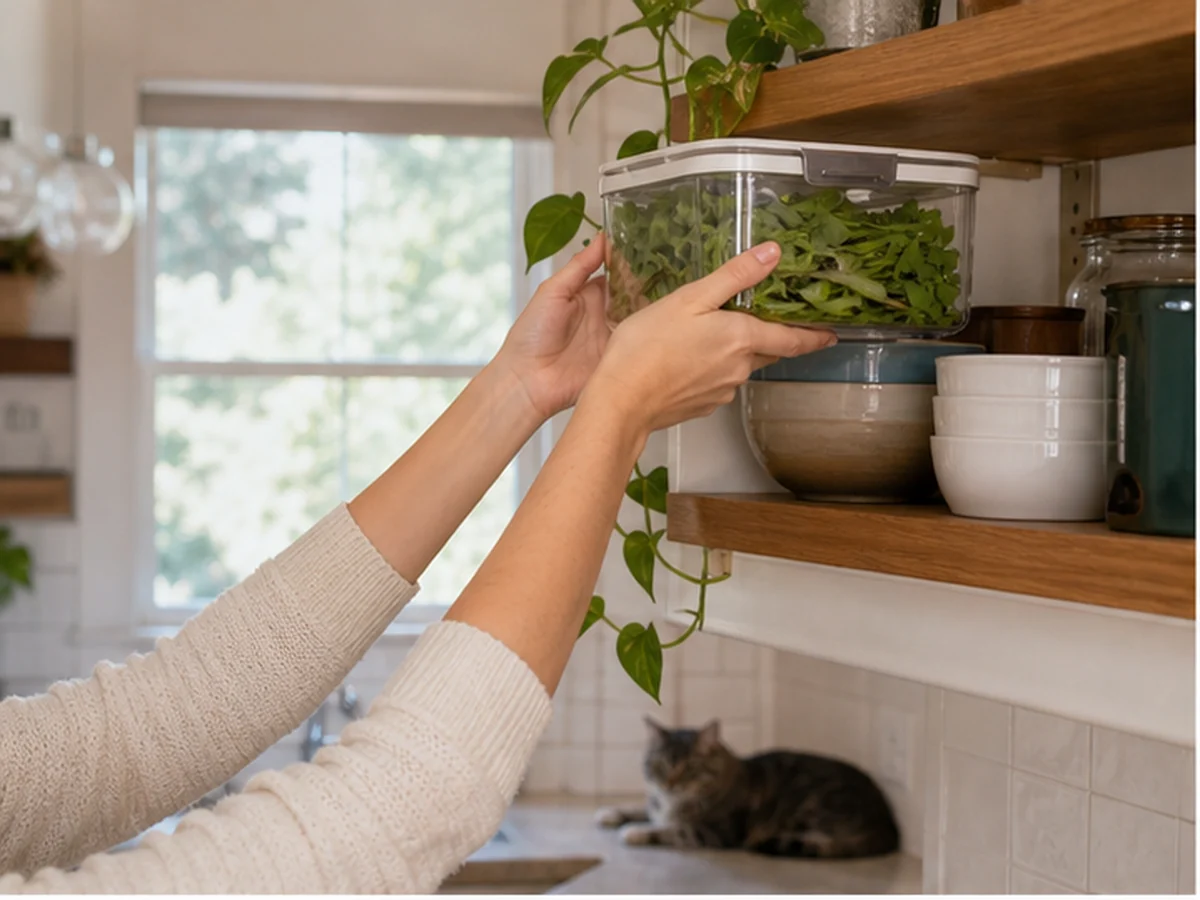
High shelves are not automatically cat-proof because cats regard vertical space as a design brief. A closed room or secure cabinet beats wishful thinking when concentrated products are involved.
Frequently asked questions
Can kittens eat basil?
A tiny clean leaf nibble is unlikely to be toxic, but kittens do not need basil and may chew soil, tags, or plant treatments too. Keep the plant inaccessible and feed complete kitten food.
Can cats eat Thai basil?
Thai basil is a culinary basil, but accurate identification and the rest of the dish still matter. A clean leaf is different from Thai curry containing onion, garlic, chili, coconut milk, salty sauce, or meat bones.
Can cats smell fresh basil?
Normal exposure to the scent of a fresh plant is different from inhaling concentrated diffuser mist. Move any cat with coughing, wheezing, watery eyes, or breathing effort away from the source and seek advice.
My cat ate one basil leaf. What now?
Confirm it was clean culinary basil without pesticide or fertilizer exposure, remove the plant, and monitor. Call for vomiting, diarrhea, drooling, appetite loss, breathing changes, or uncertainty about the plant identity.
The bottom line
Fresh culinary basil is non-toxic to cats, and one clean leaf nibble is generally low concern. Keep it optional, identify the exact plant, separate leaves from concentrated oil and seasoned foods, and call promptly for pesto with alliums, treated plants, oil exposure, a large amount, or symptoms.