Can Cats Eat Olives? Brine, Pits, Stuffing, and Portions
A tiny piece of plain, pitted olive flesh is usually low risk for a healthy adult cat, but olives are salty, calorie-dense, and unnecessary. Brine, pits, garlic or onion stuffing, blue cheese, hot peppers, tapenade, cocktails, skewers, jars, and packaging can turn a simple nibble into a different problem.
Inventory the olive setup
Remove the dish and identify the variety, amount, brine, stuffing, marinade, garnish, and any missing pit or toothpick. Save the jar and recipe, then note when the exposure happened and whether the cat has kidney, heart, urinary, digestive, or blood-pressure concerns.
- One tiny bit of plain pitted flesh: provide water and monitor.
- Several olives or a drink of brine: call for advice, especially for a medically restricted cat.
- Garlic, onion, alcohol, a pit, skewer, glass, or unknown filling: contact a veterinarian promptly.
- Breathing trouble, collapse, repeated vomiting, tremors, seizures, or severe weakness: seek emergency care.
Do not induce vomiting after a pit, skewer, or sharp-object concern. Move the cat away from broken glass and collect product details without risking a bite from a frightened animal.
The olive itself is not a feline superfood
Olives contain fat and plant nutrients valued in human eating patterns, but cats need a different nutritional balance. A few millimeters of fruit cannot meaningfully improve coat, heart, immune, or joint health.
The Cornell Feline Health Center feeding guide recommends complete food suited to the cat’s life stage. Olives belong in the optional-taste category, not the supplement cabinet.
Sodium is the everyday concern
Table olives are cured because freshly harvested olives are intensely bitter, and brining can leave the final product very salty. Even a reduced-sodium human label may represent an unnecessary load for a small cat.
The Merck Veterinary Manual salt toxicosis review describes thirst, vomiting, diarrhea, incoordination, tremors, seizures, and other signs after excessive sodium exposure. A single tiny olive bit is not the same as salt poisoning, but a large theft or brine drink deserves a call.
Never offer olive brine
Brine may combine water, salt, vinegar, lactic acid, herbs, garlic, chili, preservatives, and flavoring. Drinking from the jar or spilled container can deliver far more sodium than nibbling one drained olive.
Leave fresh water freely available but do not syringe it into the cat’s mouth. Significant sodium abnormalities require careful veterinary correction, and forced water can be aspirated.
Pits are a choking and obstruction hazard
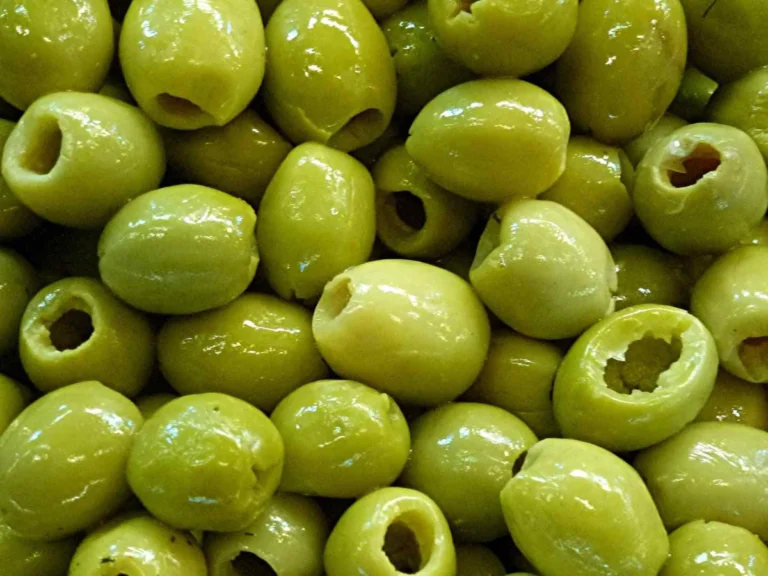
An olive pit is hard enough to damage a tooth and small enough to lodge in the throat or digestive tract. Pitted olives can occasionally retain fragments, so inspect the cat’s portion rather than trusting the label blindly.
Coughing, gagging, mouth pawing, repeated swallowing, drooling, vomiting, appetite loss, abdominal pain, straining, or lethargy needs attention. Do not give food to push a suspected pit downward.
Stuffed olives need a filling check
Common fillings include garlic, onion, pimento, jalapeño, almonds, anchovy, blue cheese, feta, lemon peel, and sausage. Each changes the salt, fat, dairy, spice, choking, or toxicity picture.
Garlic and onion can damage feline red blood cells, including in cooked or powdered forms. The Merck Allium toxicosis reference notes that cats are particularly susceptible and visible anemia may be delayed.
Tapenade is more than chopped olives
Tapenade often includes capers, anchovies, garlic, herbs, lemon, oil, and substantial salt. Commercial dips can add cheese, preservatives, or unfamiliar seasoning.
A lick may cause nothing beyond thirst or stomach upset, while a larger serving containing garlic deserves prompt advice. Keep the tub, recipe, and estimate rather than reporting only “olive dip.”
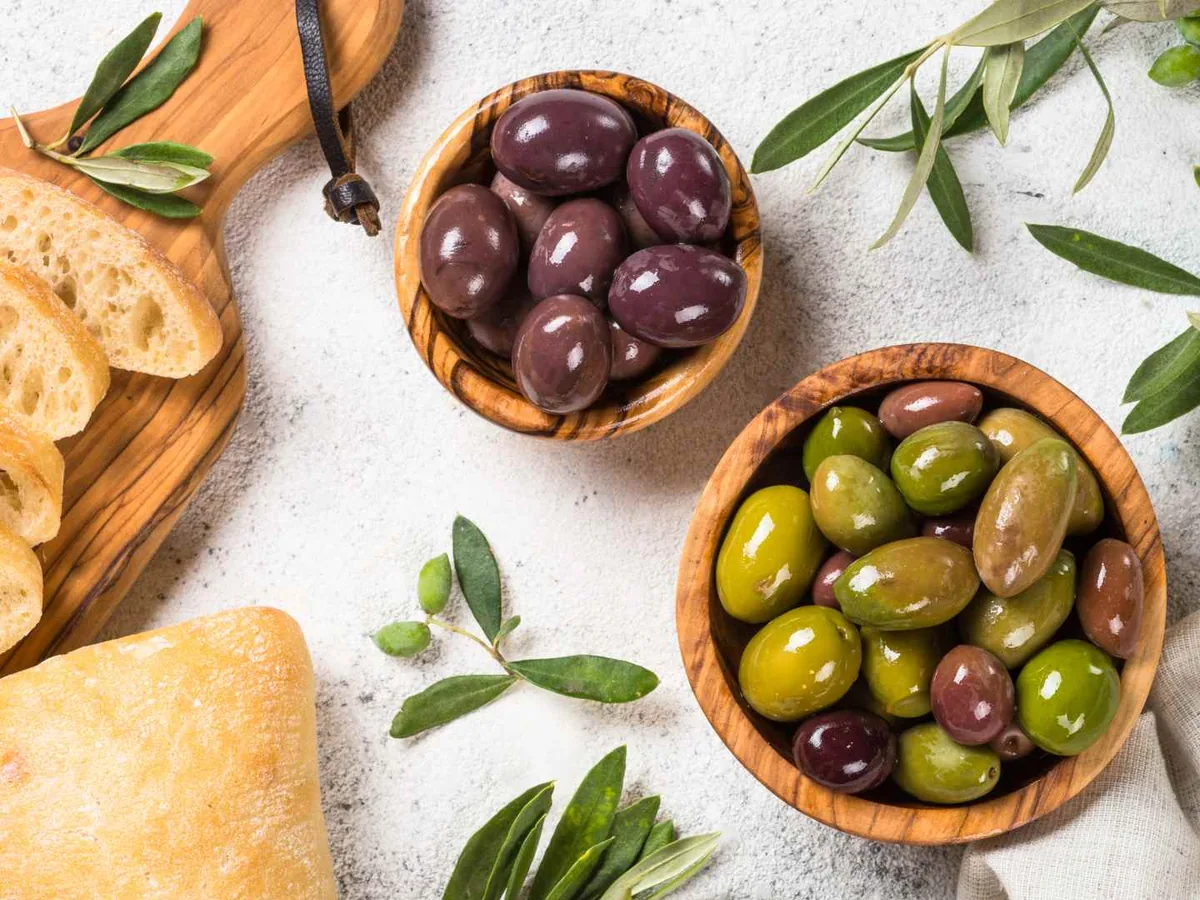
Pizza, salad, and charcuterie olives
Pizza olives can be coated in salty sauce and garlic seasoning, while salad olives arrive with dressing, onion, cheese, croutons, deli meat, or skewers. Charcuterie boards add cured meat, nuts, grapes, raisins, and toothpicks.
Use our guides to pizza, lettuce and salad, salami, and peanuts to check the full plate. Inventory the hardware as carefully as the food.
Martinis and cocktail garnishes
A cocktail olive can carry gin, vodka, vermouth, or flavored brine, and the glass may have a sharp pick. Alcohol can cause depression, wobbliness, vomiting, low blood sugar, low body temperature, breathing problems, and worse.
Call promptly after a cat drinks a cocktail or eats a well-soaked garnish. Give the product names, estimated volume, time, and cat’s weight, and do not wait for obvious drunken behavior.
Green versus black olives
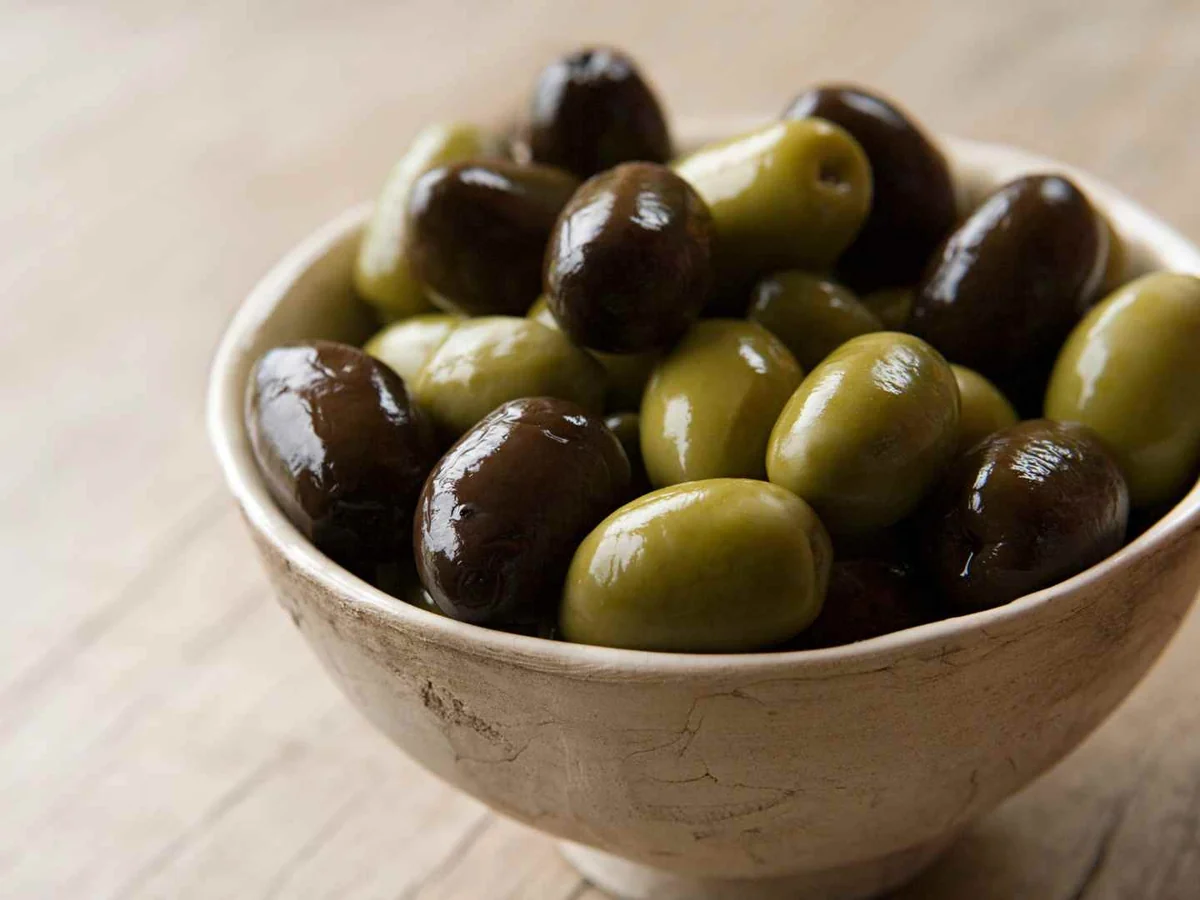
Color and ripeness do not create a useful safety winner for cats. Preparation, sodium, pit status, stuffing, amount, and the individual cat matter much more.
Canned black olives may taste milder but still contain salt and firm ring-shaped pieces that can be swallowed whole. Chop any approved taste into a pea-sized fragment.
Olive oil is not the same serving
A lick of plain olive oil is unlikely to be toxic, but oil is calorie-dense and too much can cause vomiting or diarrhea. Infused oils may contain garlic, onion, chili, citrus, or herbs.
Do not pour oil over meals to treat hairballs, constipation, dry skin, or poor appetite without veterinary guidance. It can worsen digestive signs and delay the diagnosis behind them.
Mold, refrigeration, and jar safety
Follow the label after opening, use clean utensils, and discard olives with mold, an abnormal odor, bulging packaging, or signs of spoilage. Keep glass jars away from counter edges and clean spills before paws spread brine.
A broken jar creates cut and ingestion hazards. Confine the cat, wear shoes and gloves, collect large shards, vacuum carefully, and check paws for bleeding or embedded glass.
Cats on therapeutic diets
Skip olives for cats with kidney disease, heart disease, hypertension, urinary concerns, edema, or any prescribed sodium target unless the treating veterinarian says otherwise. The diet is part of medical care.
Weight-loss diets also leave little room for fatty extras. If a pill needs hiding, ask about a compatible commercial pill treat or a dab of the regular wet food instead.
How to prepare the least complicated taste
Choose an unstuffed pitted olive, rinse away surface brine, cut off one pea-sized piece, and inspect it for pit fragments. Offer it on a dish rather than from a cocktail pick.
Do not offer another if the cat spits it out, drools, vomits, or develops diarrhea. Rejection is a complete answer, not a request for a different olive flight.
Calorie density and fat
Olives are small but contain meaningful fat for their size, and oil-packed varieties carry more. A few can quietly consume much of a small cat’s treat allowance.
Rich food may cause vomiting or loose stool, particularly in a cat with prior gastrointestinal or pancreatic disease. Ask the treating clinic before offering any oily table food.
Herbs and citrus peel in marinades
Marinated olives may include rosemary, thyme, oregano, chili, peppercorns, preserved lemon, or citrus peel. Culinary quantities differ from concentrated essential oils, but complex seasoned mixtures still offer no feline benefit.
Never add essential oil to an olive for a pet, and keep diffuser liquids away from paws and fur. Call if concentrated oil is swallowed, spilled on the coat, or associated with drooling, vomiting, wobbliness, or breathing changes.
What to monitor after one plain piece
Watch normal swallowing, breathing, appetite, thirst, activity, and litter-box habits during the following day. Mild thirst may reflect salt, while vomiting, diarrhea, marked lethargy, or unusual coordination deserves a call.
Delayed weakness, pale gums, rapid breathing, yellow discoloration, or dark urine matters if an Allium filling was involved. Follow the veterinarian’s monitoring window even when the first few hours are quiet.
Preventing the party-platter raid
Put pits and used picks into a rigid lidded container rather than a napkin or open bowl. Move platters away from the edge and clear drinks before guests leave the room.
Tell visitors not to hand-feed garnishes, since a whole olive can be swallowed before anyone checks the pit. Provide a measured bowl of approved treats if people want to include the cat.
When appetite is the real concern
Do not use salty olives to tempt a cat that has stopped eating. Nausea, dental pain, kidney disease, infection, stress, and many other problems can cause appetite loss.
Prompt veterinary advice matters because cats can become seriously ill after sustained inadequate intake. The right appetite strategy should treat the cause and preserve the therapeutic diet when possible.
Olive bread and crackers
Breads and crackers may add garlic, onion, cheese, salt, butter, seeds, raw dough concerns, or hard crust. A visible olive does not represent the whole bite.
Check the bakery label and the quantity eaten, including any paper, clip, or plastic bag. One crumb is different from a dense section of seasoned loaf.

Do olives treat worms or fleas?
No reliable veterinary treatment plan uses table olives to eliminate intestinal parasites or fleas. Delaying effective parasite control can allow anemia, skin disease, weight loss, diarrhea, and household infestation to continue.
Ask for prevention based on species, age, weight, lifestyle, and local risks. Never apply a dog-only flea product to a cat, because some ingredients used safely in dogs are dangerously toxic to cats.
Olive wood toys are a separate question
A product made from olive wood is not the same exposure as olive fruit. Cats that splinter or swallow wood can injure the mouth or digestive tract.
Inspect any chew or toy before each use and remove it when cracked, frayed, or small enough to swallow. Supervision matters more than the plant name printed on the package.
Frequently asked questions
Why does my cat like olive smell?
Some cats respond playfully to plant aromas, but attraction does not establish safety or need. Keep jars, brine, pits, and skewers secured even if the reaction resembles catnip play.
Can cats eat one black olive?
A whole olive is larger and saltier than necessary and can be gulped. If sharing is approved, offer only one pea-sized rinsed, pitted, plain piece.
Can kittens eat olives?
Skip them. Kittens need complete growth food and have small mouths, calorie budgets, and digestive systems that make salty plant snacks a poor bargain.
The bottom line
One tiny plain pitted olive piece is usually low risk, but there is no nutritional reason to serve it. Brine, pits, stuffing, tapenade, alcohol, skewers, glass, symptoms, and medical diets deserve more caution.