Can Cats Eat Peaches? Flesh, Pits, Leaves, Syrup, and Safe Triage
A tiny bite of ripe, fresh peach flesh is unlikely to harm a healthy adult cat. The pit, crushed kernel, leaves, stems, and wilted plant material are the serious parts because peach plants contain cyanogenic glycosides, while a whole pit can also choke a cat or obstruct the digestive tract.
What to do after a peach encounter
Remove the fruit and gather every pit fragment you can find without delaying care. Note whether the cat ate only soft flesh, swallowed a whole pit, cracked the stone, chewed a leaf or stem, or got into canned fruit, dessert, alcohol, or packaging.
- One small piece of ripe flesh: usually monitor for vomiting, diarrhea, or reduced appetite.
- Whole pit swallowed: call promptly because choking and gastrointestinal obstruction are possible.
- Crushed pit, exposed kernel, leaves, stems, or unknown plant amount: contact a veterinarian or pet poison service immediately.
- Breathing trouble, bright red or very pale gums, weakness, collapse, tremors, seizures, or repeated vomiting: seek emergency veterinary care.
Do not make the cat vomit and do not give hydrogen peroxide, salt, oil, milk, or charcoal at home. A swallowed pit may make vomiting especially hazardous, and suspected cyanogenic plant exposure needs professional triage.

Peach flesh and peach plants are not the same risk
The juicy edible flesh is mostly water, natural sugar, fiber, and ordinary fruit nutrients, none of which a cat needs from peach. It can still cause stomach upset, and larger slippery pieces can be gulped rather than chewed.
The stone, kernel, leaves, and stems belong to a different toxicology conversation. The ASPCA lists peach as toxic to cats because some plant parts contain cyanogenic glycosides.
The Merck Veterinary Manual guide to toxic houseplants and ornamentals includes peach and other Prunus species among cyanogenic-glycoside plants. Severe small-animal poisoning is uncommon without substantial exposure, but uncommon is not a reason to wait after a crushed-kernel or plant ingestion.
Why the pit creates two separate hazards
A whole peach stone is hard, large, and poorly shaped for a feline digestive tract. It can lodge in the throat, esophagus, stomach, or intestine, causing choking, tissue injury, vomiting, pain, or obstruction.
Inside the stone is a softer kernel containing cyanogenic compounds. An intact pit may limit access to that material, while chewing, crushing, grinding, or blending the kernel can release more of it.
Do not crack the pit to see whether the cat reached the kernel if that delays the call. Photograph the damaged stone, save every fragment in a bag, and tell the veterinarian how much is missing.
The Merck review of cyanide poisoning in animals lists peach and related Prunus plants as sources of cyanogenic glycosides. It is a reference for clinicians, not a home dose calculator.
Signs of a foreign-body problem
Coughing, gagging, pawing at the mouth, repeated swallowing, noisy breathing, or breathing difficulty can signal a pit stuck high in the digestive or respiratory tract. Breathing trouble is an emergency.
Obstruction signs can develop later and include repeated vomiting, inability to keep water down, abdominal pain or swelling, refusal to eat, unusual hiding, lethargy, and reduced stool. A normal first hour does not prove that a swallowed pit will pass.
Do not pull an object from deep in the throat unless a veterinary professional directs you and it is plainly safe to grasp. Blind finger sweeps can push a pit farther or lead to a bite from a frightened cat.
Leaves, stems, flowers, and wilted branches
Keep cats away from peach-tree leaves, twigs, bark, flowers, and prunings. Damaged and wilted plant material can create a different exposure from touching one intact leaf.
Pruned branches brought indoors for decoration are easy to overlook, and outdoor cats may investigate fallen limbs after storms. Collect plant debris before access and mention pesticides, fertilizer, or mold when calling.
Possible serious cyanide-related signs can progress quickly and include difficulty breathing, weakness, abnormal gum color, tremors, seizures, collapse, and death. Immediate professional advice is appropriate after meaningful plant or kernel exposure even before those signs begin.
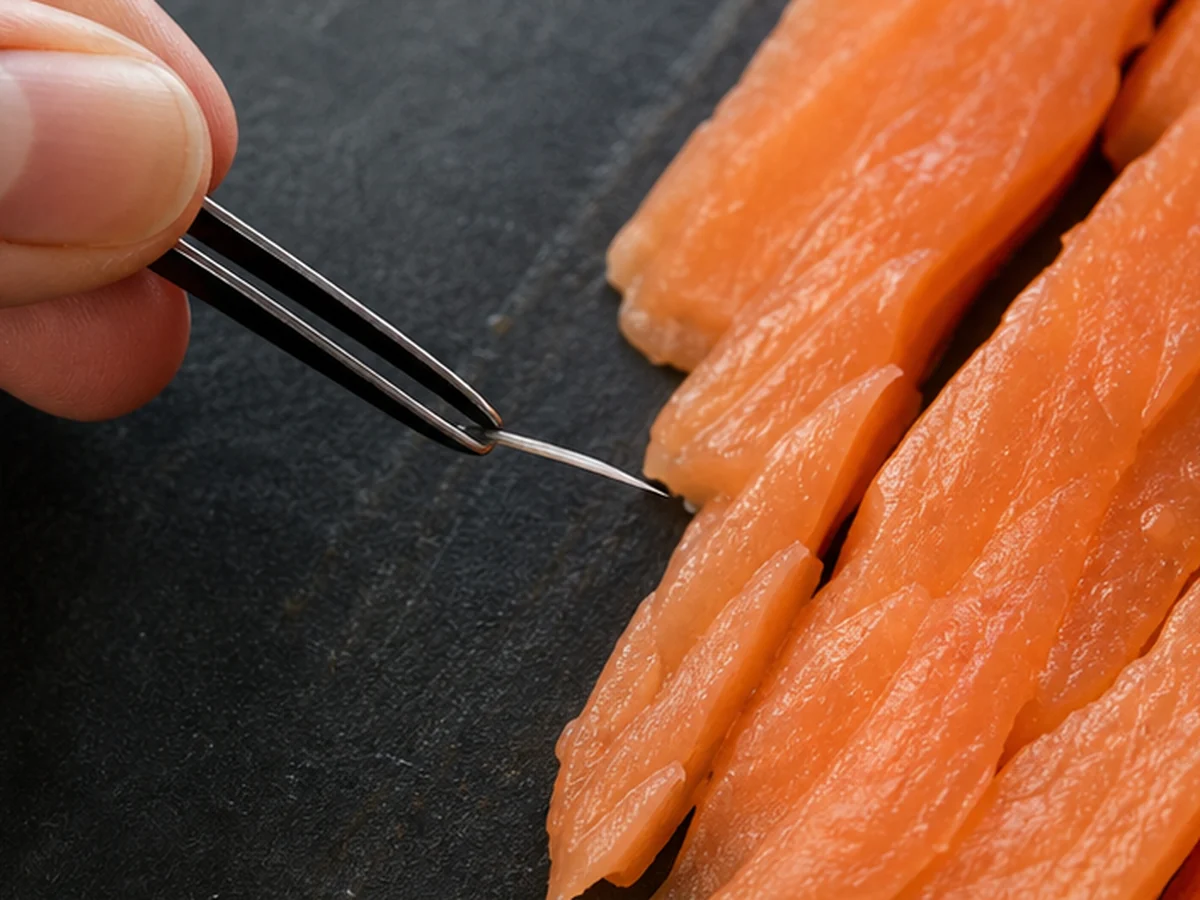
Fresh slices, skin, and fuzzy peel
Peach skin is not the toxic center of the fruit, but it can carry dirt, pesticide residue, mold, or sticky recipe ingredients. Wash fruit before human preparation and keep scraps out of reach.
A tiny piece of ripe flesh without pit material is lower risk than a plant nibble, but it is still an optional treat. Cats are obligate carnivores, and fruit sugar plus fiber does not improve a complete feline diet.
Cut a taste into a pea-sized piece if the veterinarian has no objection, and never hand over a whole half for entertainment. The pit can remain hidden beneath flesh, and the cat may decide that rolling it under the refrigerator is phase one of lunch.
Canned peaches and fruit cups
Canned peaches are usually pitted, which removes the principal plant hazard, but syrup adds concentrated sugar and calories. Some cups use juice blends, artificial sweeteners, preservatives, flavorings, or plastic-film lids that require a complete label check.
One drained, rinsed crumb is unlikely to poison a healthy cat, yet it offers no advantage over regular cat food. Sugar-heavy snacks are particularly unhelpful for cats with diabetes, obesity, or a veterinary weight plan.
Do not let a cat lick a sharp can edge or chew foil film. Packaging cuts and swallowed plastic can matter more than the peach.
Peach yogurt, cobbler, pie, and ice cream
Peach desserts can add dairy, butter, sugar, salt, raw dough, spices, alcohol, chocolate, nuts, raisins, and sweeteners. A familiar fruit name cannot vouch for every guest at the recipe party.
Many adult cats digest lactose poorly, while rich foods can cause vomiting or diarrhea. Dessert packaging, skewers, toothpicks, and pits left in homemade preserves create additional mechanical hazards.
Our applesauce guide explains how sweeteners and jars change fruit-product triage, while the pizza guide offers the same whole-recipe logic for savory food. If cured meat or cheese shared the plate, review salami risks too.
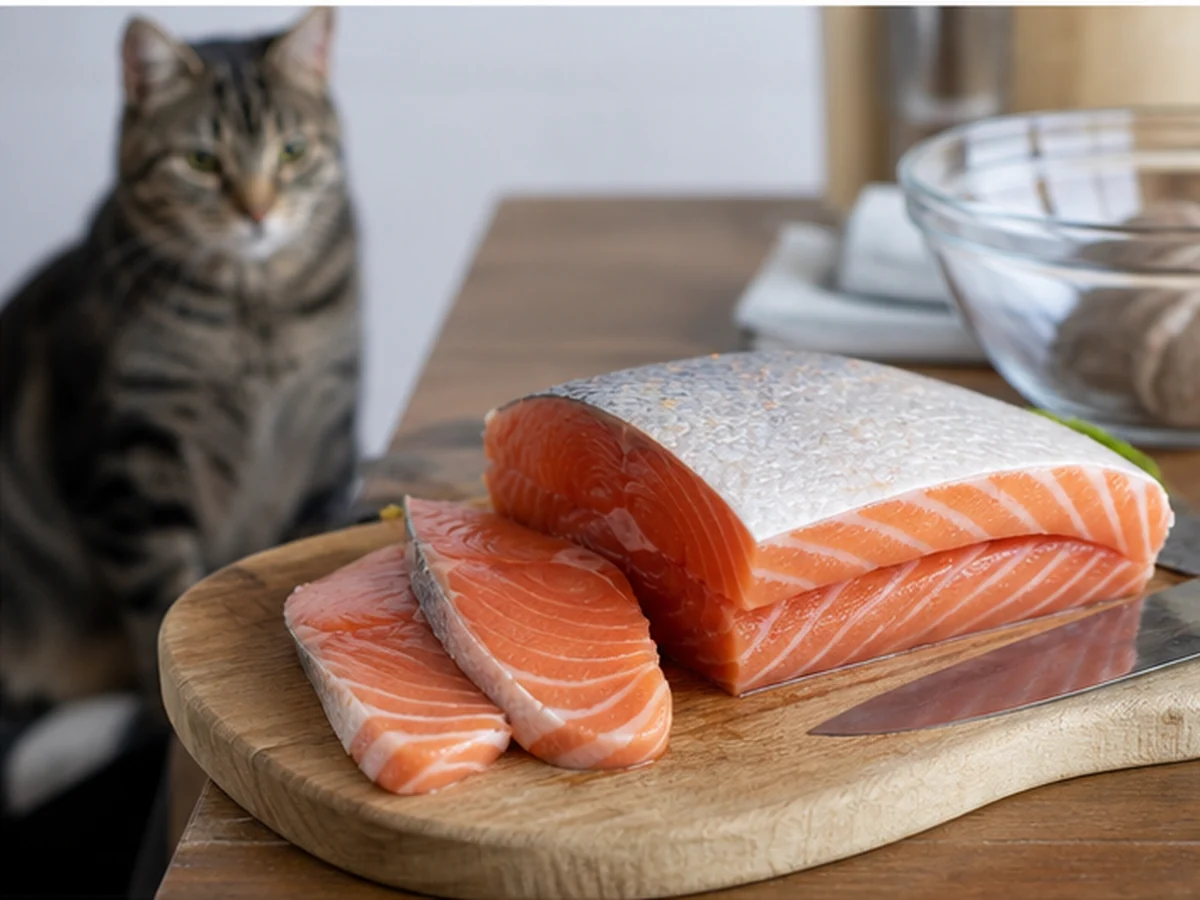
Dried, frozen, and fermented peaches
Dried peach concentrates sugar and calories into a chewy piece that can be hard to swallow. Commercial dried fruit may also contain preservatives, sweeteners, spices, or other fruits.
A plain frozen peach cube is a tooth and choking hazard until thawed, and it remains fruit rather than feline nutrition. Fermented, moldy, or alcohol-soaked peaches need a prompt call because the changed product can create hazards unrelated to a fresh slice.
Discard bruised or moldy fruit in a lidded bin rather than leaving it in an open compost bowl. Cats are not famous fruit enthusiasts, but one curious paw can relocate a pit to exactly where you will step on it later.
Special cases deserve a lower threshold
Kittens have small airways and digestive tracts, making pits and large pieces especially unsuitable. Senior cats and cats with diabetes, gastrointestinal disease, liver disease, neurologic disease, swallowing trouble, or a prescription diet need case-specific advice.
Call sooner when the amount is uncertain, the cat was unsupervised near a broken pit, or more than one pet had access. Uncertainty is useful history, not a reason to declare the exposure harmless.
How to prevent peach problems
- Cut peaches over a clear counter and move the pit directly into a lidded bin.
- Count pits before and after jam, pie, or canning projects so a missing stone is noticed early.
- Keep fruit bowls, canned cups, alcohol infusions, and dried fruit in closed storage.
- Collect fallen fruit and pruned branches before a cat enters a yard or enclosed patio.
- Keep the package and recipe after an exposure until veterinary triage is complete.
A more useful treat
The Cornell Feline Health Center recommends complete and balanced food as the foundation and keeping treats occasional. Reserving a few pieces of the cat’s regular ration avoids pit, sugar, and ingredient detective work.
A crumb of plain, fully cooked egg can suit many healthy cats when a veterinarian has no objection. Our boiled egg guide covers preparation and storage.
What information helps the veterinarian
Bring the fruit label, can, jar, recipe, or a photograph of the tree when possible. Report the time, maximum possible amount, whether the pit was intact or crushed, every symptom, and whether another pet could have moved the missing pieces.
Do not clean a damaged pit before photographing it, because tooth marks and missing shell can help describe access to the kernel. Keep the sample sealed away from pets and children, and wash hands after handling plant material.
The veterinary team may recommend an examination, imaging for a swallowed pit, monitoring, or treatment based on the exposure. A cat that remains comfortable may need a different plan from one that is gagging, vomiting repeatedly, or developing neurologic signs.
Continue watching for delayed obstruction signs even after an early call if the clinician recommends home monitoring. Record food intake, water intake, vomiting, stool, activity, and abdominal comfort so a change is easier to recognize.
Frequently asked questions
Can cats eat white or yellow peach flesh?
A tiny piece of ripe flesh without pit material is generally low risk for a healthy adult. Skip deliberate feeding because peach provides no needed feline nutrient and can upset the stomach.
Can a peach pit pass through a cat?
Do not assume it will. Call promptly because a whole pit can choke, lodge, or obstruct, and imaging or veterinary monitoring may be recommended.
Are nectarines different?
Nectarines are closely related stone fruit with the same practical separation between ripe flesh and the pit, kernel, leaves, and stems. Keep the stone and plant material away from cats.
The bottom line
A crumb of ripe peach flesh is usually a minor detour, but pits create obstruction and kernel concerns while leaves and stems introduce cyanogenic plant material. Save the evidence, call promptly after pit or plant exposure, and choose a feline treat that does not arrive with a stone in the middle.