Can Cats Eat Beans? Cooked, Canned, Raw, and Seasoned Forms
Cats can eat a tiny amount of plain, fully cooked beans, but beans should not replace meat or balanced cat food. Raw or undercooked kidney beans contain troublesome lectins, while canned beans, chili, baked beans, refried beans, hummus, and salads often bring salt, onion, garlic, fat, or unsafe packaging.
The practical verdict
For a healthy adult cat that genuinely wants a taste, offer one or two soft pieces of a plain, thoroughly cooked bean. Mash them so there is no hard round piece to gulp, and stop there rather than adding beans to every meal.
Beans are not a feline protein substitute just because nutrition labels place them in a protein category for humans. Cats are obligate carnivores with species-specific amino acid and nutrient needs that a scoop of legumes cannot meet.
Which beans are we talking about?
- Black, pinto, navy, cannellini, and kidney beans: Only plain and fully cooked, in tiny amounts.
- Green beans: Botanically and nutritionally different, but plain soft pieces can also be occasional extras.
- Chickpeas: Plain cooked chickpeas differ from hummus, falafel, or seasoned roasted snacks.
- Lentils and peas: Other legumes with their own texture and product issues.
- Baked, chili, refried, or barbecue beans: Often too salty, fatty, sugary, or seasoned with alliums.
- Raw dry beans: Not appropriate for cats and particularly concerning with raw or undercooked kidney beans.
The exact species, cooking method, label, amount, and cat’s health all change the answer. A single rinsed canned green bean is not the same exposure as a bowl of slow-cooker chili made with soaked but inadequately boiled red kidney beans.
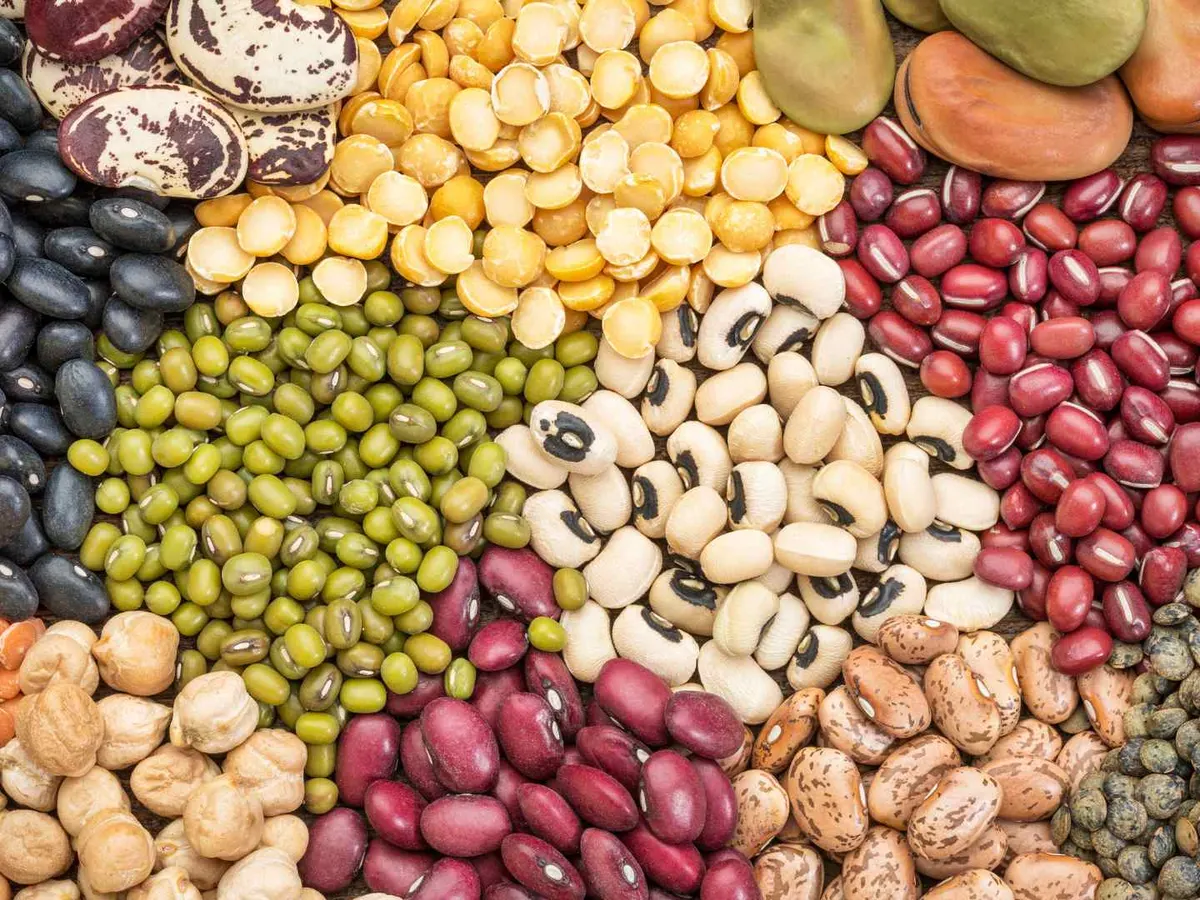
Raw kidney beans and lectins deserve real caution
Raw and undercooked beans can contain phytohaemagglutinin, a lectin found at especially high levels in red kidney beans. The FDA natural-toxin guidance explains that properly cooked or canned kidney beans contain low levels, while raw beans can cause severe vomiting and diarrhea in people.
Human food-safety data do not provide a precise feline toxic dose, so this guide will not manufacture one. A cat that eats raw or undercooked kidney beans, cooking liquid, or an uncertain slow-cooker batch should be discussed with a veterinarian or veterinary poison service.
Slow cookers may not heat beans quickly or thoroughly enough to deactivate lectin, especially when dry kidney beans were only soaked. Use properly cooked canned beans for human recipes or follow validated boiling instructions, and keep uncooked beans away from pets.
Our kidney bean guide helps separate canned, properly cooked, raw, chili, and slow-cooker forms. Its product checklist is useful across species, while the response for a cat must account for feline size and health.
Signs that should not wait
- Repeated vomiting or severe diarrhea after raw, undercooked, spoiled, or uncertain beans.
- Inability to keep water down, marked lethargy, weakness, or signs of dehydration.
- A painful or swollen abdomen, repeated retching, or refusal of food.
- Pale gums, rapid breathing, weakness, or collapse after onion- or garlic-seasoned beans.
- Choking, heavy drooling, repeated swallowing, or breathing difficulty after a hard bean or package piece.
Do not wait for every sign to appear. Cats can hide illness, and repeated vomiting plus a known raw-kidney-bean exposure is enough reason to call.
How to prepare a tiny bean taste
- Choose a plain bean that is canned or thoroughly cooked until soft.
- If canned, rinse it under water to remove surface brine.
- Check for salt, onion, garlic, pepper, chili, smoke flavor, sweeteners, and sauces.
- Mash one or two beans into a soft paste without adding oil or seasoning.
- Offer a tiny taste and watch for digestive or skin changes.
Do not serve dry beans, half-cooked beans, crunchy roasted beans, or beans directly from a simmering pot. Hardness, heat, and preparation errors can create problems that soft plain beans do not.
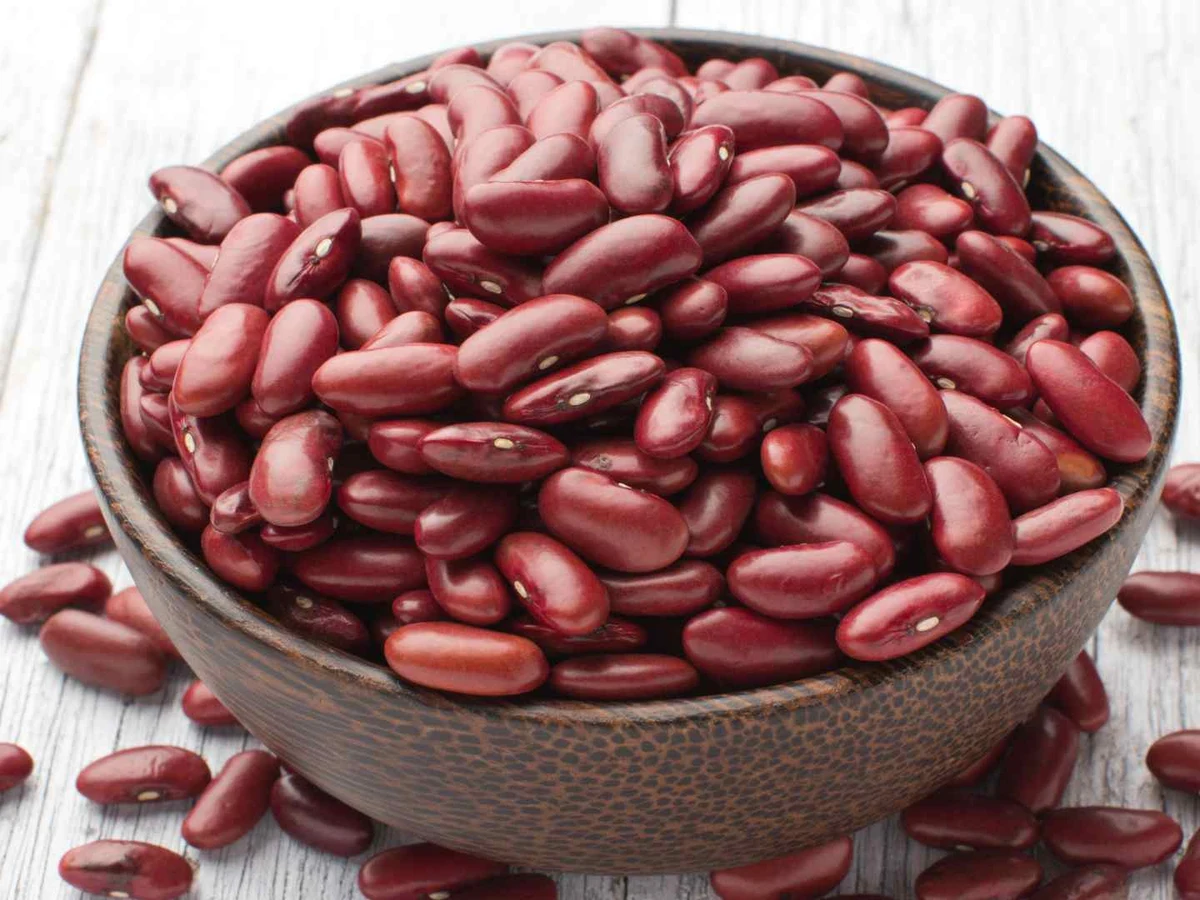
Canned beans are convenient but salty
Canned beans are already cooked, which avoids the raw-lectin problem, but the liquid may contain substantial sodium. Rinsing lowers surface salt, yet it does not make a seasoned product plain or turn beans into a necessary treat.
Read the ingredients for onion, garlic, calcium chloride, sugar, chili, smoke flavor, broth, and preservatives. Low-sodium on a human label may still be unnecessary sodium for a cat with kidney, heart, or blood-pressure disease.
A normal cat that licks a little plain canning liquid usually has a different exposure from a cat that drinks brine or eats a large portion. Save the can and call for a meaningful amount, a medically vulnerable cat, or any neurologic or gastrointestinal sign.
Baked beans, chili, and soup
Baked beans can contain onion, garlic, bacon, ham, mustard, molasses, brown sugar, tomato sauce, salt, and smoke flavor. Chili may add more alliums, hot peppers, chocolate in some recipes, alcohol, fatty meat, cheese, and corn-chip packaging.
Cats are particularly susceptible to red blood cell injury from onion and garlic, including cooked and powdered forms. Call with the recipe and amount instead of waiting for weakness, pale gums, fast breathing, or dark urine, because anemia can be delayed.
Soup brings salty broth, bouillon, onion, garlic, noodles, meat bones, and hot liquid into the picture. A cat that licked one cooled bean from plain soup is different from one that drank broth or swallowed a bone.
Refried beans are richer than they look
Refried beans may be cooked with lard, bacon fat, oil, salt, onion, garlic, cheese, or chili. Smooth texture removes the whole-bean shape but makes it easy for a cat to consume more before anyone notices.
Our refried bean guide shows how fat, salt, alliums, toppings, and takeout containers change the risk. Use the ingredient checklist, then ask for cat-specific advice.
A tiny lick of simple mashed beans is usually less concerning than several spoonfuls of restaurant dip. Keep the receipt, menu description, or product label because recipes vary dramatically.
Chickpeas, hummus, and falafel
One mashed plain cooked chickpea can be an occasional taste, but it is not a protein replacement for a cat. Its round shape is awkward when served whole, especially to a kitten or cat with dental or swallowing trouble.
Hummus commonly contains garlic, lemon juice, tahini, salt, and oil, while flavored versions may add onion, chili, chocolate, or other ingredients. Falafel is fried and heavily seasoned, and the dry mix can contain concentrated onion or garlic powder.
Our garbanzo bean guide maps cooked chickpeas, hummus, falafel, roasting, and cans. Dog serving sizes should not be carried over to a cat.
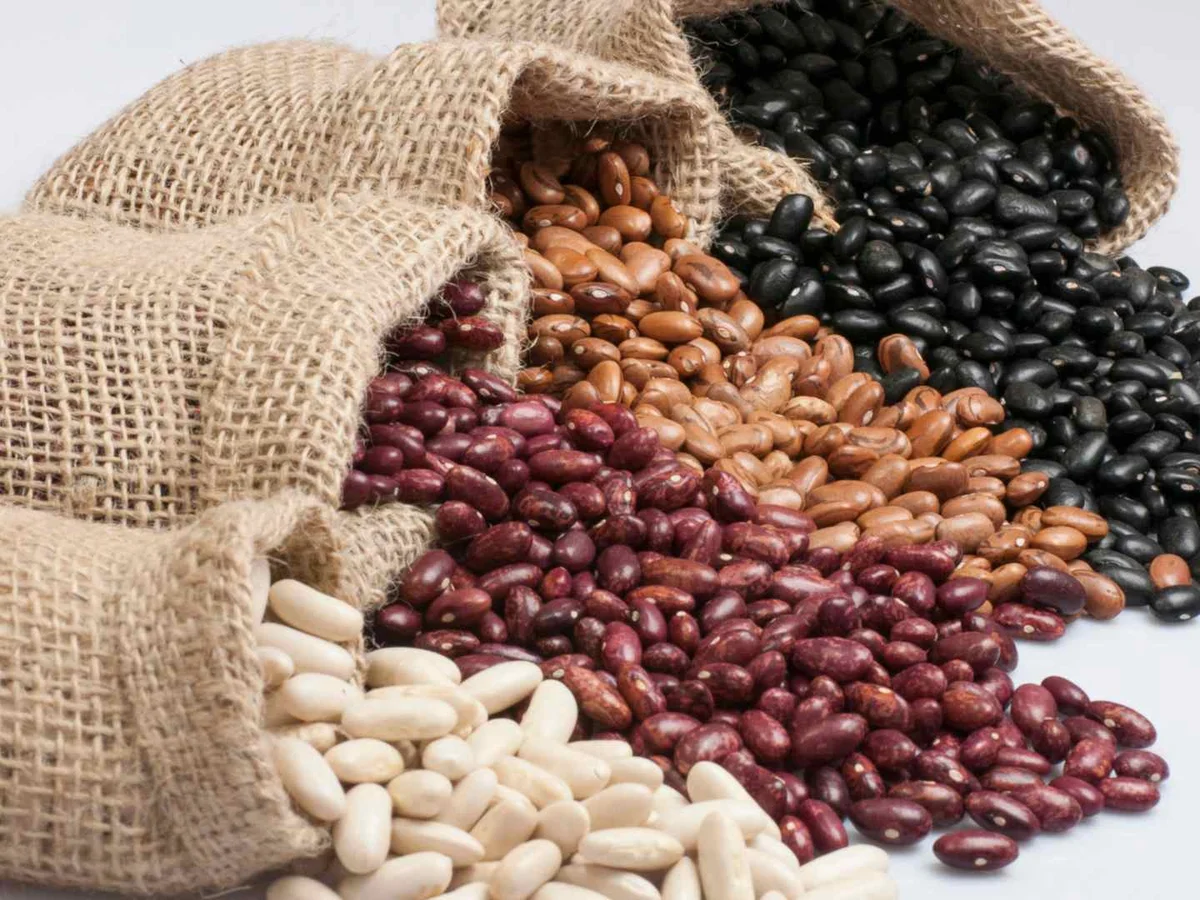
Green beans are the simpler form
Fresh or frozen green beans can be served plain and fully cooked until soft, then cut into tiny pieces. Avoid butter, salt, garlic, onion, casserole sauce, fried onions, and long fibrous pieces.
Green beans are still an optional treat, not a feline weight-loss plan. Adding bulky vegetables without adjusting calories and monitoring health can leave a cat hungry, nutritionally shortchanged, or simply unimpressed.
The published green bean guide covers cans, frozen beans, casseroles, and portion traps. Its preparation checklist is useful, but a cat with medical needs requires a feline diet plan.
Beans do not replace animal protein
Beans contain plant protein, fiber, carbohydrate, and minerals, but nutritional adequacy is about the complete amino acid, fatty acid, vitamin, mineral, and calorie profile. Cats rely on nutrients from animal products and cannot be maintained by casually substituting legumes for meat.
The Cornell Feline Health Center explains that cats are obligate carnivores and recommends nutritionally complete and balanced foods. Treats are not complete nutrition and should stay occasional.
Do not formulate a vegan, vegetarian, or bean-heavy homemade cat diet from recipes online. If a home-prepared diet is medically necessary, ask your veterinarian for referral to a board-certified veterinary nutritionist.
Cats that should skip beans
- Kittens, because their small meals need to support growth with complete nutrition.
- Cats with diabetes or a diet that deliberately controls carbohydrate.
- Cats with chronic kidney, heart, urinary, or gastrointestinal disease.
- Cats on a prescription or veterinary elimination diet.
- Cats with dental disease, swallowing disorders, pica, or a history of foreign-body ingestion.
The issue is not that one cooked bean becomes poisonous in every medical condition. Optional foods can complicate sodium, calorie, carbohydrate, or ingredient targets that were chosen for a reason.
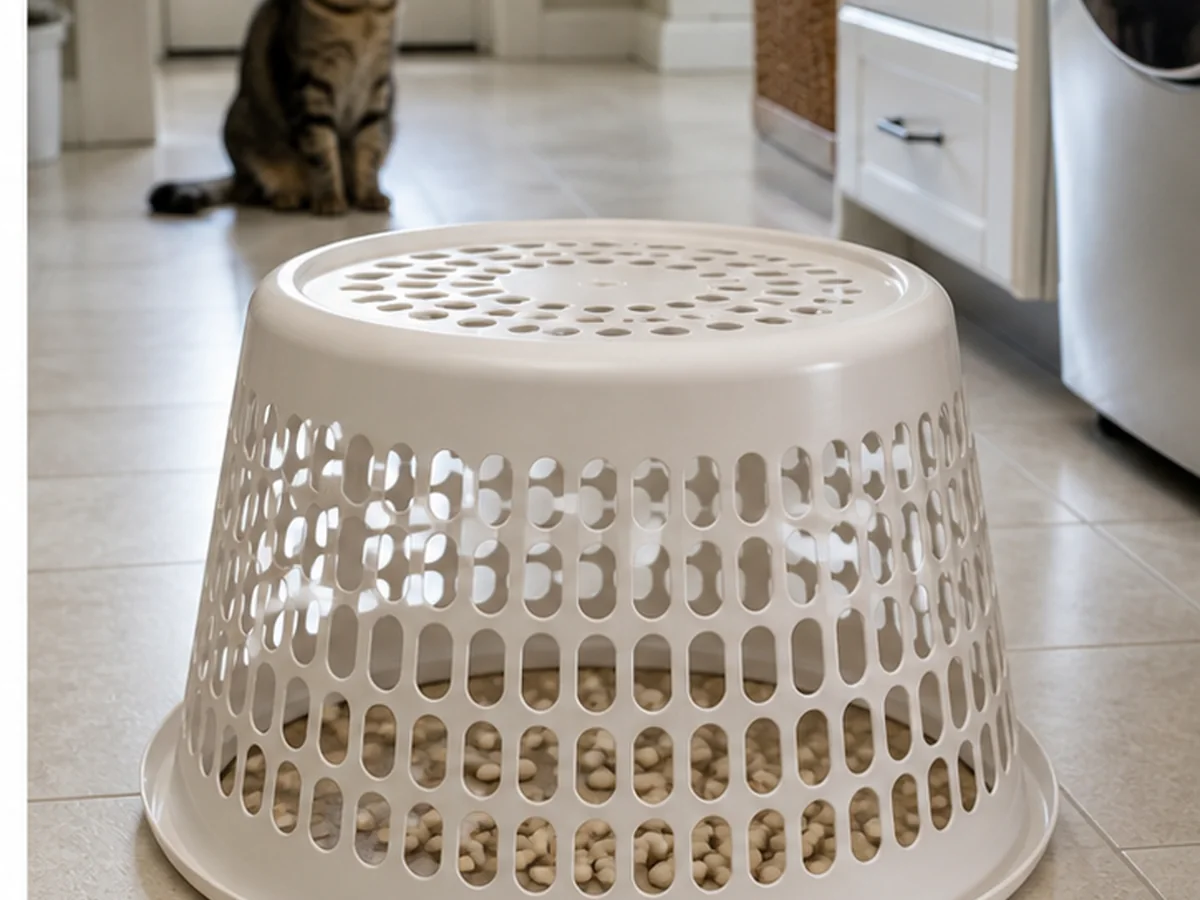
What to do if your cat ate beans
- Remove the beans, pot, dish, can, package, and utensils.
- Check breathing, swallowing, alertness, gum color, and abdominal comfort.
- Identify the bean type and raw, slow-cooked, canned, or fully cooked status.
- List sauces, onion, garlic, salt, fat, sweeteners, meat bones, and package parts.
- Estimate the amount and time, then call for raw kidney beans, unsafe ingredients, a large amount, vulnerable cat, or any symptom.
Do not induce vomiting or give hydrogen peroxide, salt, oil, milk, or charcoal unless a veterinary professional directs you. The FDA Bad Bug Book provides background on kidney bean lectin for food-safety professionals, but your veterinarian must apply the exposure facts to your cat.
Frequently asked questions
Can cats eat black beans?
One or two plain, fully cooked, mashed black beans are non-toxic for many healthy adult cats, but they offer no special benefit. Avoid cans with heavy sodium and recipes with onion, garlic, fat, or chili.
Can cats eat kidney beans?
Only properly canned or thoroughly cooked kidney beans should ever be considered, and even then just a tiny plain taste. Raw, undercooked, or questionable slow-cooker kidney beans require prompt professional advice because of lectin.
Can cats eat bean sprouts?
Raw sprouts can carry harmful bacteria even when they look fresh, so they are a poor cat treat. Cats that are young, old, pregnant, or immunocompromised have even less reason to receive them.
My cat ate one baked bean. What now?
Check the sauce for onion and garlic, estimate the amount, and monitor while calling if you are uncertain. One bean is different from a bowlful, but allium exposure and delayed signs deserve a careful label check.
The bottom line
One or two plain, thoroughly cooked, mashed beans can be an occasional taste for many healthy adult cats, but beans are not feline protein. Avoid raw and undercooked kidney beans, scrutinize canned and seasoned products, and call promptly for lectin risk, alliums, large amounts, foreign material, vulnerable cats, or symptoms.