Can Cats Eat Sweet Potatoes? Cooking, Skins, Fries, and Portions
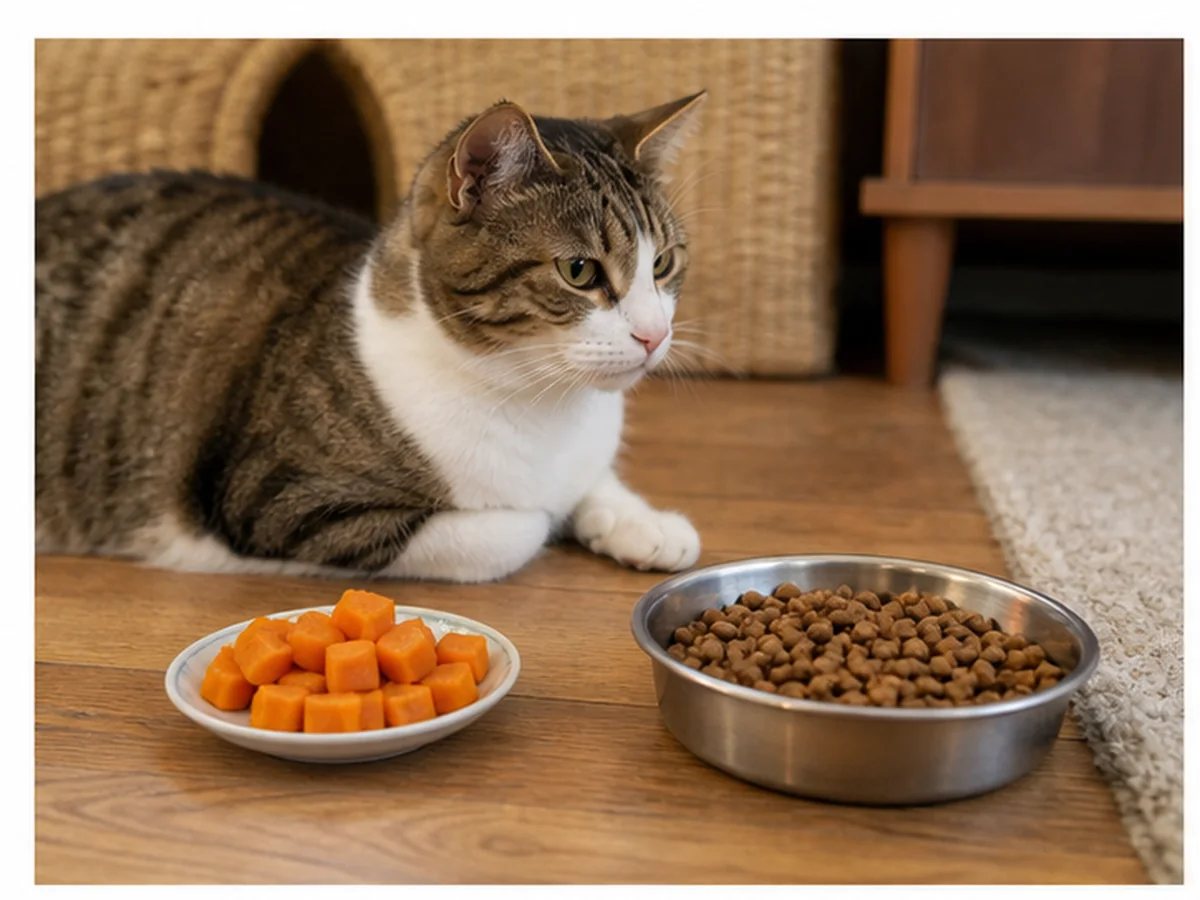
Most healthy cats can eat a teaspoon or less of soft, plain, fully cooked sweet potato, but they do not need it. Peel it, cook it until mashable, cool it, and avoid raw chunks, tough skin, fries, chips, casserole, butter, sugar, marshmallows, onion, garlic, and foil.
After a casserole or trash raid, save the recipe and account for wrappers, bones, skewers, and sweeteners. Call for xylitol, alliums, symptoms, or swallowed objects.
The texture test comes before the taste test
Raw sweet potato is hard, fibrous, and capable of choking or causing gastrointestinal discomfort. A knife should slide through the cooked piece easily before it approaches a cat dish.
Peeling removes a tough layer and soil residue, while mashing eliminates large cubes. Bake, steam, or boil in plain water without salt, oil, stock, butter, milk, or spice.
Let the mash cool completely and measure no more than a teaspoon for a healthy adult’s first exposure. A pea-size sample is even more sensible when the cat has never eaten it.
Sweet potato, yam, and decorative vine
True sweet potato is Ipomoea batatas, while “yam” may refer to sweet potato varieties in United States groceries or a different plant elsewhere. Identify the actual food rather than relying on a supermarket nickname.
The ASPCA lists sweet potato vine as non-toxic to cats, but chewing a houseplant still introduces soil, fertilizer, pesticide, pot fragments, and possible misidentification.
Ornamental cultivars are not a free salad bar. Block pot access and keep plant labels, especially where toxic vines grow nearby.
Orange, white, and purple flesh
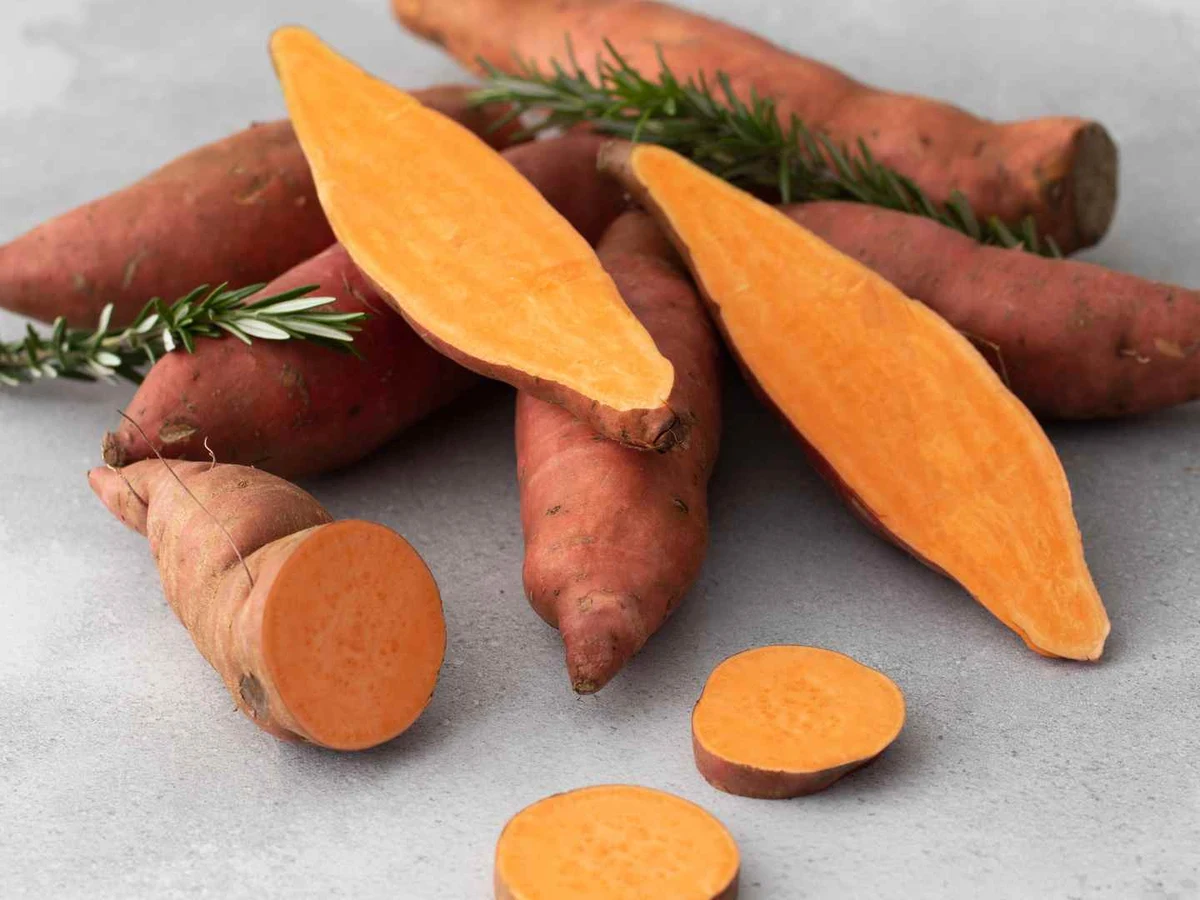
Flesh color reflects variety and plant pigments, not a separate feline serving rule. Every type stays optional, fully cooked, plain, peeled, cooled, and tiny.
Purple sweet potato desserts may add coconut milk, sugar, dairy, flavoring, or xylitol. White sweet potato fries still carry frying oil and salt despite their less dramatic color.
Canned puree can be simple, but pie filling and candied yams are not. Read the complete panel for syrup, spice, dairy, preservatives, and sweeteners.
Thanksgiving has entered the chat
Sweet potato casserole commonly includes butter, brown sugar, cream, eggs, vanilla, cinnamon, nutmeg, pecans, and marshmallows. Sugar-free marshmallows or toppings may contain xylitol, which warrants prompt professional advice.
Savory versions can contain onion, garlic, broth, bacon, cheese, or sausage. Picking out visible toppings does not remove powders, absorbed fat, or seasoning from the mash.
Foil, plastic wrap, glass shards, serving-spoon fragments, and elastic food covers can disappear during a holiday counter raid. Inventory the kitchen hardware before estimating tablespoons.
Fries and chips are not cooked vegetables in a useful sense
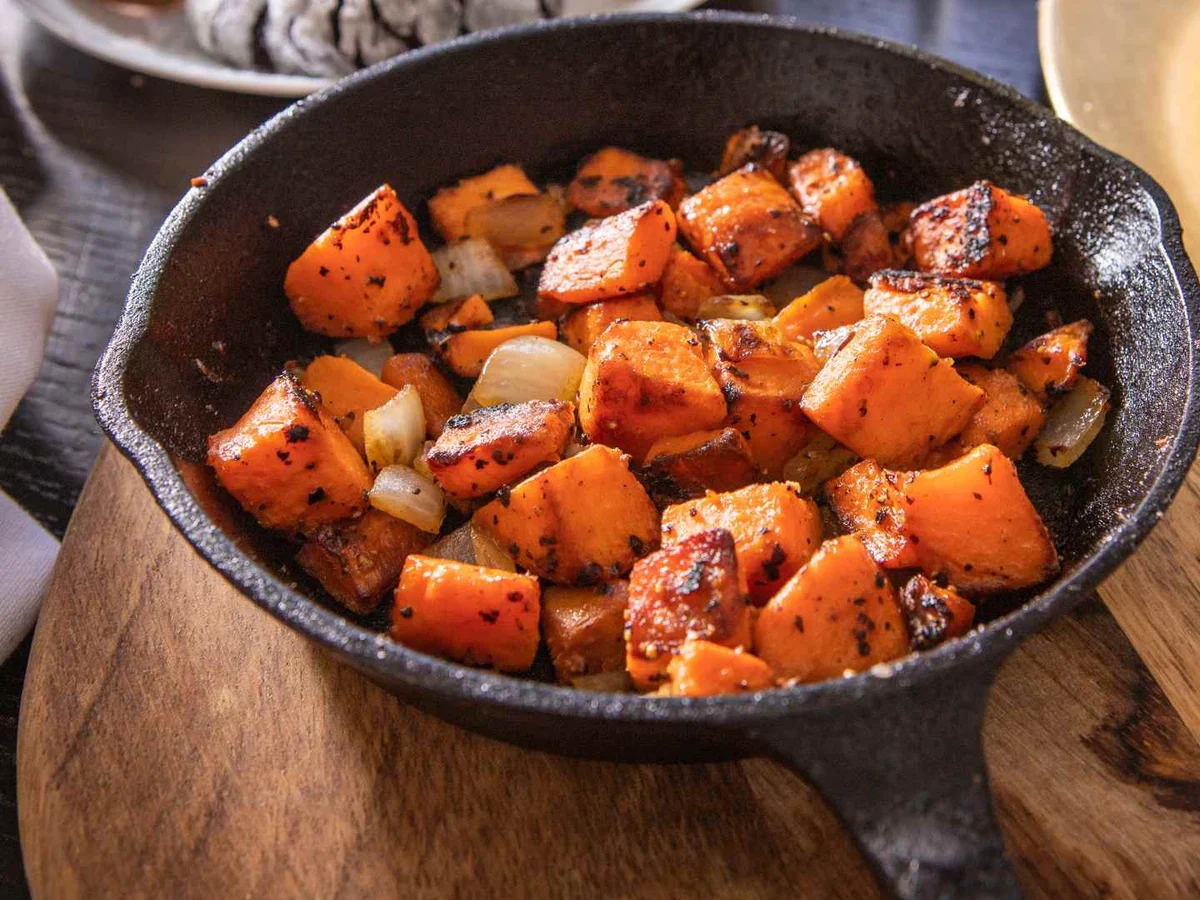
Sweet potato fries add oil, salt, and seasoning and may be served with garlic aioli, ketchup, barbecue sauce, or spicy dip. Their long or crisp shape can also choke a fast eater.
Chips concentrate calories and sodium into brittle shards. Barbecue, sour cream, ranch, and onion flavors add exactly the ingredients a cat does not need.
A small accidental crumb is different from a planned handful, but no fried form earns a place in the treat routine. Our pizza guide applies the same whole-product reasoning to another seasoned starch.
Fiber is not a diagnosis
Sweet potato contains fiber, but that does not make it a universal remedy for constipation, diarrhea, or hairballs. Those signs can reflect dehydration, parasites, obstruction, pain, inflammatory disease, or other problems.
A cat straining without producing stool needs advice, while a cat straining to urinate may have an emergency. Do not assume every litter-box posture calls for orange mash.
Use only the fiber plan a veterinarian recommends, including exact product and amount. More fiber can worsen some conditions or reduce nutrient absorption.
Carbohydrate and calorie context
Cats can digest cooked starch, but they remain obligate carnivores with animal-source nutrient requirements. Cornell’s feeding overview explains why a balanced diet, not a vegetable collection, is the nutritional foundation.
Cats with diabetes, obesity, digestive disease, or a carbohydrate-controlled prescription need an individual answer. The portion may be small, but its usefulness is smaller still when it conflicts with treatment.
The FDA adequacy explanation distinguishes a complete food from treats and table ingredients. Sweet potato in a formulated diet does not prove that adding more improves the recipe.
Baby food and pouches
A single-ingredient sweet potato puree may be plain, but blends can add apple, grape, cinnamon, onion, garlic, meat broth, dairy, or supplements. Check the label every time because recipes change.
Pouch caps and foil seals are obstruction hazards, and a punctured pouch can spoil. Our applesauce guide covers similar puree and package traps.
Baby food is not complete cat food and should not become a meal replacement without veterinary direction. A soft texture can hide dental pain or illness that still needs diagnosis.
Storage and mold
Refrigerate cooked mash promptly in a covered container and use it within a safe leftovers window. Discard sour, slimy, moldy, fermented, or long-forgotten portions.
Raw tubers belong in a dry secured pantry where the cat cannot chew plastic bags or produce ties. Sprouting, rotting, or moldy vegetables go into closed trash rather than a pet bowl.
Write the cooking date on a batch and freeze human portions if needed. The cat’s optional teaspoon never justifies gambling on an old container.
What to do after the dish falls
- Separate plain mash from casserole. Identify butter, sugar, dairy, nuts, marshmallow, alliums, and meat.
- Save every label. Photograph sweeteners, spice mixes, lot, and serving form.
- Find non-food material. Account for foil, wrap, lids, skewers, bones, and broken dishes.
- Call for toxic additions. Xylitol, onion, garlic, chocolate, alcohol, symptoms, and objects deserve advice.
- Do not induce vomiting. Home methods can injure cats or complicate foreign-body exposure.
Orange questions, plain answers
Can kittens eat sweet potato?
Kittens need complete growth food and gain no essential benefit from starchy puree. Use their normal ration as rewards.
Can cats eat sweet potato skin?
The skin is fibrous and can be hard to chew, particularly when dried or roasted. Peel the tiny approved portion to reduce choking and digestive hassle.
Can cats eat sweet potato every day?
Daily use can add calories, displace balanced food, and complicate disease management. There is no feline requirement for a routine serving.
A practical sweet potato verdict
A note about serving temperature
Microwaved mash can contain hidden hot spots even when the surface feels cool. Stir thoroughly, wait, and test the center before placing any piece in a cat dish.
Refrigerator-cold puree is not toxic, but some cats reject it and owners respond by adding warm butter or broth. Gently warming the plain portion is safer than enriching it with an unverified liquid.
Never serve from a hot baking dish or leave the cat near an open oven. Burns and shattered cookware can make the food itself irrelevant within seconds.
Sweet potato flour and pet treats
Sweet potato flour is concentrated dry starch that can irritate the airway when dust becomes airborne. Keep baking bags closed, move the cat before cleanup, and prevent powder from coating paws for later grooming.
Dried sweet potato chews designed for dogs may be tough, large, and unsuitable for feline teeth and swallowing. Target species matters even when the ingredient list contains one familiar vegetable.
Cat treats containing sweet potato should be counted by calories and feeding directions. The finished product, not the ingredient’s wholesome reputation, determines whether it fits the day.
Potato confusion at the cutting board
Sweet potatoes are botanically different from white potatoes, whose green tissues and sprouts raise glycoalkaloid concerns. Do not transfer advice between them just because both names end in potato.
Taro, cassava, yams, and winter squash are also distinct plants with different preparation requirements. Identify an unfamiliar tuber before deciding that orange or starchy means sweet potato.
Our jarred-food guide is useful when sweet potato arrives pickled or in brine, where salt and seasonings overtake the plain vegetable question.
Why beta-carotene headlines mislead cat owners
Cats cannot rely on plant beta-carotene to meet their vitamin A requirement the way some other species can. They need preformed vitamin A supplied correctly within a balanced diet.
That feline metabolism point does not make sweet potato toxic, but it removes a common claim that cats need the orange flesh for vitamin A. A complete cat food already handles the nutrient in an appropriate form and amount.
Vitamin A supplements can be harmful in excess, so do not combine liver, multivitamins, and vegetable powders in an improvised recipe. Professional formulation matters more than collecting foods associated with individual nutrients.
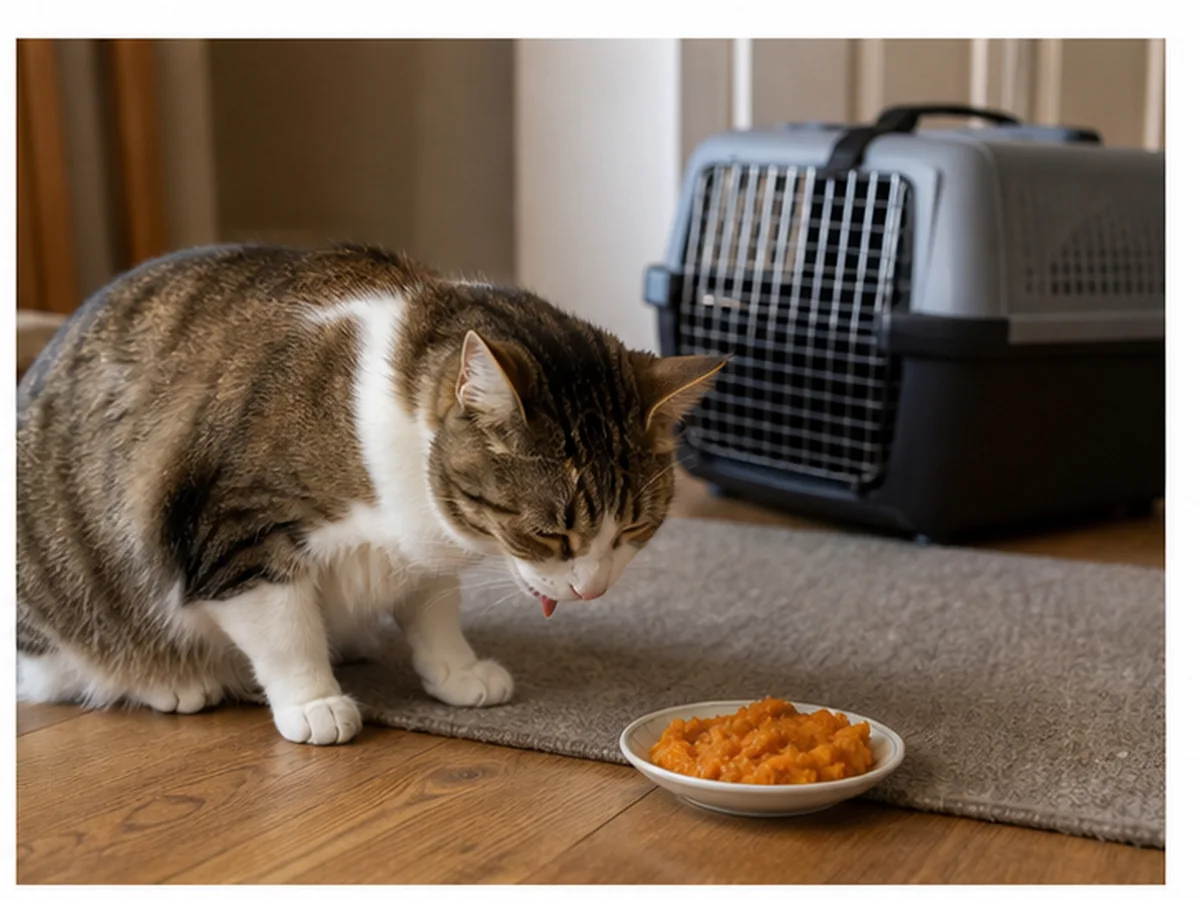
What vomiting after mash might mean
The portion may have been too large, the fiber unfamiliar, or the casserole too rich, but obstruction, pancreatitis, infection, and other disease also cause vomiting. Repeated episodes, pain, lethargy, or poor appetite need examination.
Stop sweet potato rather than reducing the amount and immediately retesting. Record the exact form, toppings, storage, amount, and timing for the clinic.
A cat who refuses regular food should not be sustained on puree without direction. Soft orange mash can hide a serious appetite problem while failing to provide complete nutrition.
Multi-cat portion control
Serve tiny approved tastes on separate dishes and collect leftovers immediately. One cat may dislike the mash while another performs cleanup at a speed that defeats portion planning.
Use part of the regular meal as an alternative reward for cats with medical restrictions. The ritual survives even when the vegetable disappears.
For another starchy people food, compare our pizza article, which covers dough, salt, cheese, sauce, and toppings that sweet potato crust may inherit.
Plain cooked sweet potato is non-toxic in a very small amount, but a cat can live splendidly without it. Keep the flesh soft and peeled, leave fries and casserole to people, and treat litter-box or appetite changes as medical clues rather than invitations to add more fiber.