Can Cats Eat Turkey? Plain Meat, Skin, Bones, Gravy, and Deli Slices
A healthy adult cat can eat a small bite of plain, fully cooked, boneless turkey. The holiday platter is another matter: skin, bones, stuffing, gravy, deli seasoning, raw meat, string, and greasy drippings can turn one hopeful countertop visit into a genuine safety question.
Start by identifying which turkey went missing
Turkey breast fresh from a plain cooked center is not equivalent to smoked deli meat or a gravy-soaked wing. Before deciding what to do, identify the cut, preparation, seasonings, possible bones, packaging, and maximum amount swallowed.
| Turkey item | For a cat? | Main concern |
|---|---|---|
| Plain cooked breast or thigh meat | A few small boneless pieces | Keep it unseasoned and trim visible skin and fat. |
| Skin and drippings | Best skipped | Dense fat and seasonings commonly trigger digestive trouble. |
| Cooked or raw bones | Never offer | Choking, mouth injury, obstruction, and perforation are possible. |
| Raw or undercooked turkey | Avoid | Pathogens can threaten the cat and spread through the household. |
| Deli turkey | Not a regular treat | Sodium, smoke flavor, preservatives, and seasonings vary by product. |
| Stuffing, gravy, or seasoned roast | Do not share | Onion, garlic, salt, butter, alcohol, and other ingredients may be present. |
| Complete turkey cat food | Use as labeled | The formulation, not turkey alone, supplies the intended nutrient balance. |
Plain cooked meat is the easy version
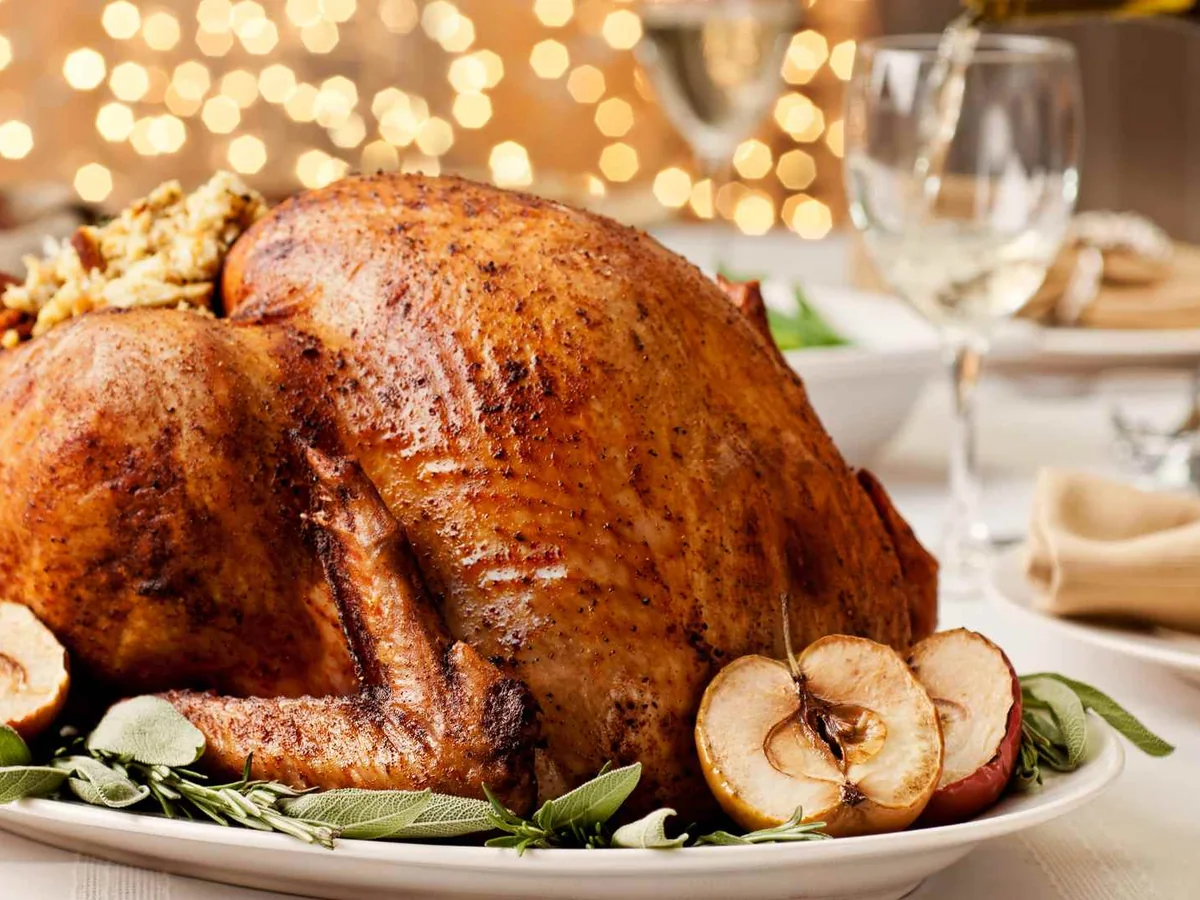
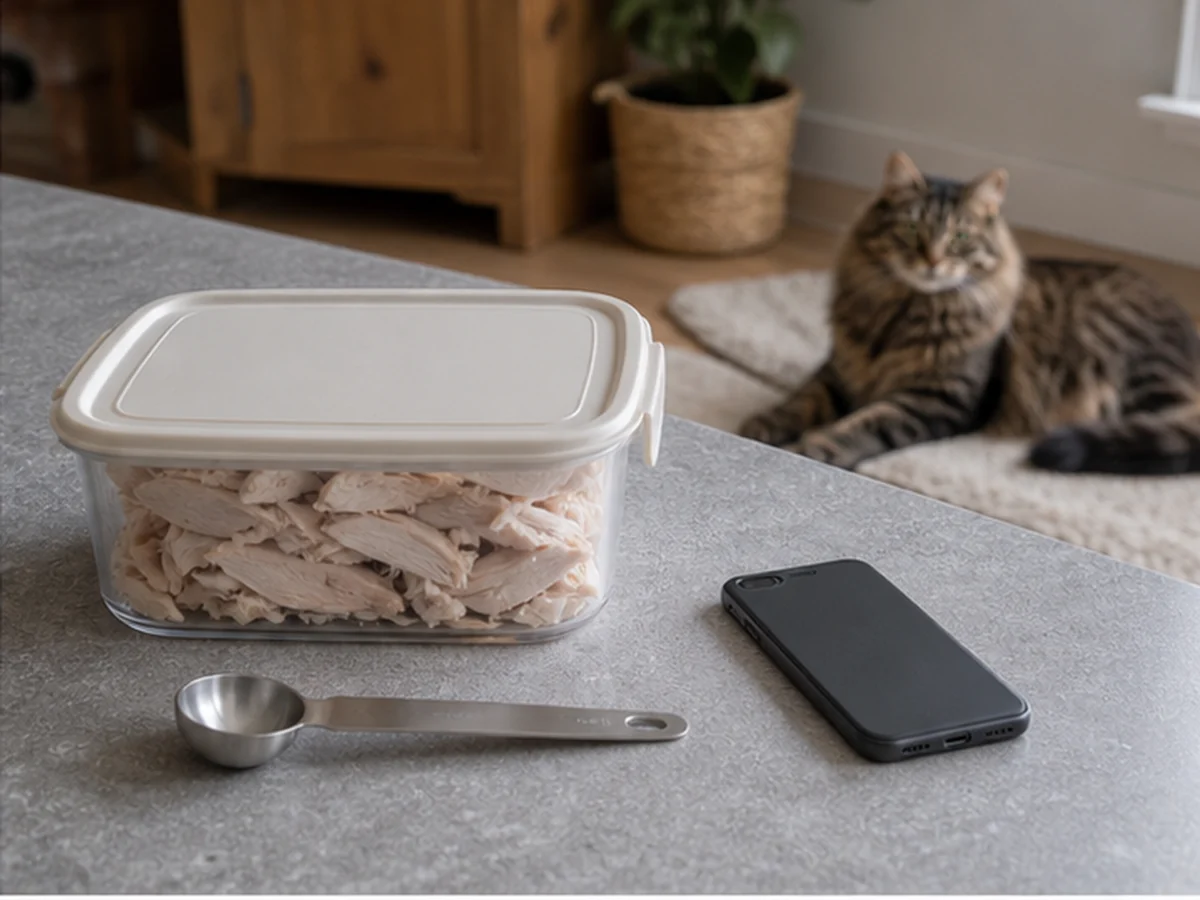
Choose a moist piece from the interior of a fully cooked bird before sauces or table seasonings touch it. Remove skin, gristle, bone fragments, netting, and hard roasted edges, then mince the meat into pieces smaller than the cat’s usual treats.
White and dark meat can both be offered in a modest amount when plain, although dark meat and skin tend to carry more fat. A few thumbnail-sized shreds are enough to make the point without quietly serving a second dinner.
Turkey is protein-rich, but a plain muscle-meat snack is not a nutritionally complete feline recipe. Calcium, vitamins, trace minerals, fatty acids, and amino-acid proportions still matter, which is why the normal cat food should remain the meal.
If poultry is already a favorite, our plain chicken guide offers a useful comparison of cooked meat, portions, and mixed dishes. Similar-looking birds can arrive with very different kitchen baggage.
Use a thermometer, not the color of the meat
Turkey can stay pink after safe cooking, while browned surfaces do not prove the center reached a safe temperature. The USDA advises cooking turkey to 165°F, measured in the appropriate thickest areas with a food thermometer.
For a cat’s taste, choose meat that reached that safe endpoint and has cooled. Do not serve a rare center, partly thawed piece, or scraps removed while the bird was still undercooked.
Avoid rinsing raw poultry in the sink because splashing can move germs around the kitchen. Wash hands, boards, knives, counters, bowls, and any floor reached by raw juices before the cat has access.
Raw turkey now carries an added feline concern
Raw poultry has long presented Salmonella and other foodborne-pathogen risks. The CDC does not recommend raw pet food, noting that uncooked animal proteins can contain germs such as Salmonella and Listeria.
Cats can become ill, and an apparently well cat may still spread contamination through saliva, fur, bowls, feces, and litter-area contact. People who are young, older, pregnant, or immunocompromised can face greater consequences from household exposure.
Highly pathogenic avian influenza also changed the raw-poultry conversation. The FDA warns that cats are particularly sensitive to H5N1 and recommends thorough cooking of meat before feeding.
Freezing, freeze-drying, high-pressure processing claims, and the word “natural” should not be treated as a home guarantee that uncooked turkey is pathogen-free. For preparation-specific guidance, see the site’s raw chicken risk guide as well.
Turkey bones are not a dental treat
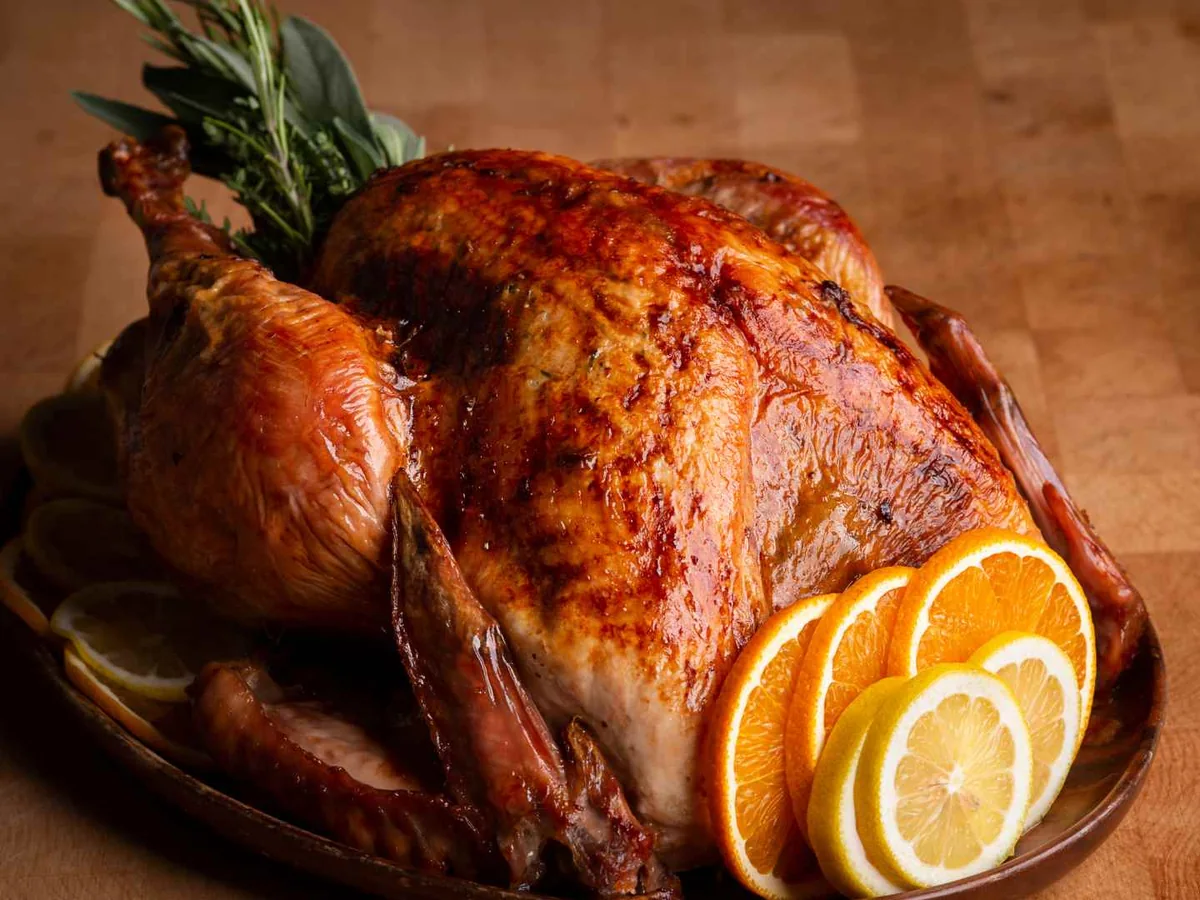
Cooked bones can splinter, but raw bones are not safe simply because they bend differently. Either form can lodge in the airway, crack a tooth, cut the mouth, obstruct the intestines, or perforate tissue.
A carcass also contains small ribs and joint pieces that disappear beneath meat and skin. Keep the roasting pan, carving board, plates, trash, and stock scraps behind a closed barrier rather than relying on foil.
Gagging, unproductive retching, repeated swallowing, drooling, pawing at the mouth, abdominal pain, vomiting, lethargy, or difficulty passing stool after a bone exposure deserves prompt veterinary attention. Breathing trouble, collapse, or blue-gray gums is an emergency.
Never pull visible string or bone from deep in the throat, and do not induce vomiting after a sharp-object exposure. Our cat guide to poultry bones explains why location and symptoms change the next step.
The skin and pan juices are richer than they look
Crisp skin concentrates fat, salt, rubs, and whatever was brushed onto the bird. One stolen scrap may cause nothing more than smugness, but a larger greasy serving can bring vomiting, diarrhea, discomfort, or a painful inflammatory episode in a susceptible cat.
Pan drippings may contain butter, oil, wine, stock, garlic, onion, and concentrated salt. They should not become broth for a cat, even if the aroma earns an unusually persuasive kitchen performance.
Do not claim that every fatty bite causes pancreatitis, because it does not. The sensible message is that rich food can provoke gastrointestinal signs and may be particularly unsuitable for cats with prior digestive or pancreatic disease.
Deli turkey, smoked turkey, and jerky
Packaged slices are designed for human sandwiches, not feline nutrient needs. Sodium can be high, while seasoning, smoke flavor, sugar, phosphates, preservatives, and broths vary enough that the front label is not an adequate safety check.
“Oven roasted” does not mean plain, and “natural” does not mean low-sodium. Read the ingredient list for onion, garlic, spices, sweeteners, and flavor solutions before deciding whether a stolen corner is uncomplicated.
Turkey jerky is concentrated and chewy, often salty, and sometimes seasoned with onion or garlic. Large strips can also be swallowed poorly, so keep bags sealed and account for any oxygen absorber packet that was inside.
A single small piece of ordinary deli turkey is usually not a poisoning event when no dangerous ingredient is present. Repeated slices, however, are an avoidable source of salt and extra calories, especially for cats with kidney or heart disease.
Holiday turkey comes with a supporting cast
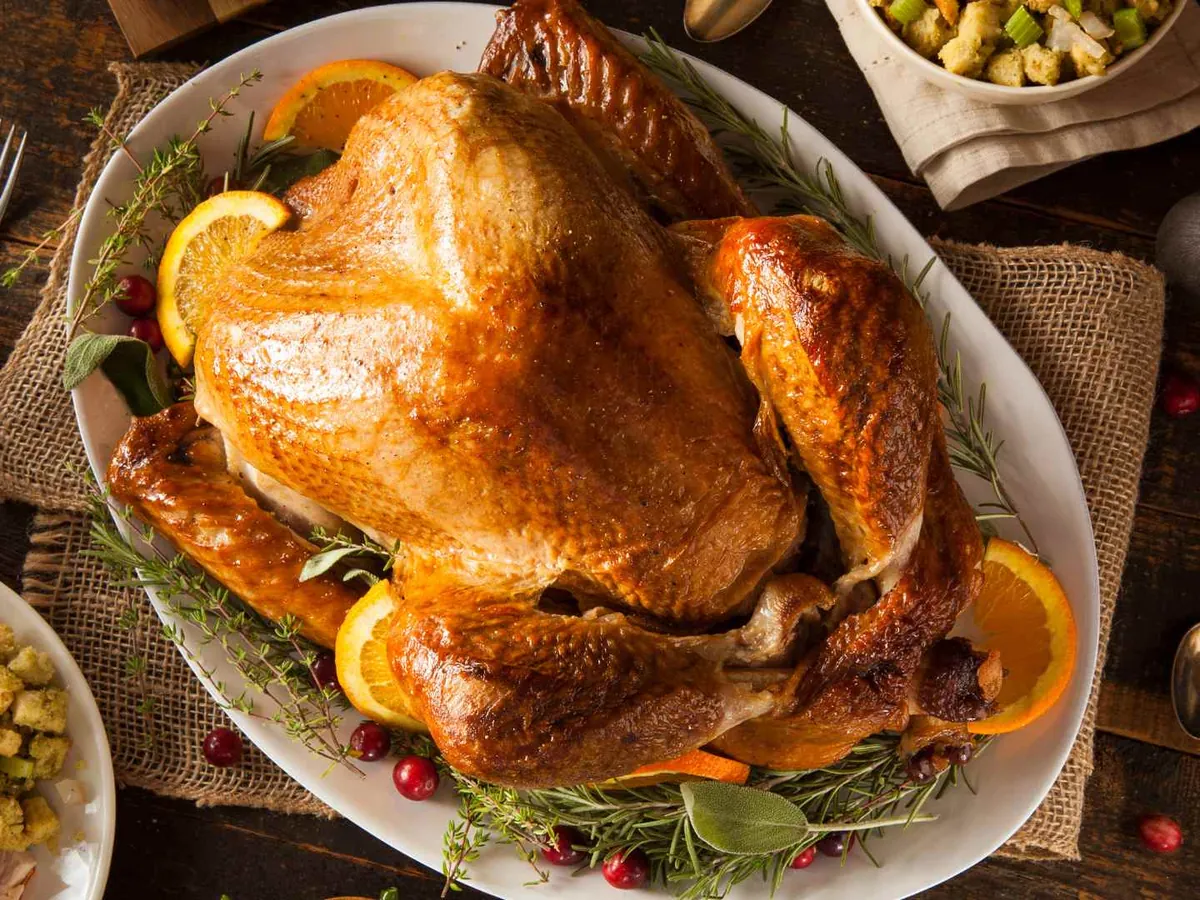
Stuffing frequently contains onion, garlic, leeks, chives, broth, butter, sausage, raisins, and herbs. Cats are especially susceptible to Allium-related red blood cell damage, and dried powders remain a concern after cooking.
The ASPCA lists onion, garlic, and chives as hazards and explains that cats are more susceptible than dogs. Signs of anemia may be delayed, so waiting for obvious illness is not a sound response to a meaningful allium exposure.
Gravy may combine drippings with salty stock, allium powder, dairy, flour, pepper, or alcohol. Casseroles and pot pies add crust, sauces, vegetables, and sometimes packaging, making the recipe more important than the turkey.
Cranberry sauce is sugary, and some versions contain raisins, alcohol, or sugar substitutes. Decorative skewers, roasting twine, foil, elastic loops, pop-up timers, and absorbent meat pads create foreign-body hazards unrelated to nutrition.
Leftovers need human-grade storage discipline
Cooked poultry is perishable even when a cat is willing to vouch for it. The USDA says to refrigerate perishable leftovers within two hours and use refrigerated cooked turkey within three to four days.
Store meat in shallow, covered containers rather than leaving the roasting pan available for grazing. Discard slimy, moldy, sour-smelling, or temperature-abused food instead of reheating it for a pet.
Do not let a cat lick greasy foil, string, or the sharp edge of a disposable pan. Holiday veterinary visits have a way of beginning with objects nobody thought counted as food.
Who should skip the table sample
Cats with food allergies, obesity, pancreatitis history, inflammatory bowel disease, kidney disease, heart disease, urinary problems, or a prescription diet need individualized advice. Kittens and pregnant cats also have little room for nutritionally incomplete extras.
An elimination diet only works when unapproved proteins stay out of the mouth. One turkey morsel can disrupt weeks of diagnostic feeding even though the meat itself is not toxic.
If a cat has never tried turkey, offer no more than one tiny plain piece and watch for digestive or skin changes. Stop sharing it if vomiting, diarrhea, itching, swelling, or other unusual signs appear.
A practical response after a turkey theft
- Secure the scene. Move the carcass, plates, trash, twine, foil, and drippings beyond reach.
- Build the ingredient picture. Check rubs, injections, stuffing, gravy, deli labels, and marinades.
- Look for missing objects. Count bones, skewers, elastic ties, absorbent pads, wrappers, and packets.
- Phone early when needed. Call a veterinarian after bones, string, raw poultry, alliums, a large fatty meal, or any concerning sign.
- Leave treatment to the clinic. Vomiting induction and improvised remedies can worsen sharp-object or aspiration risks.
For one small piece of plain, boneless, cooked turkey in a healthy cat, calm monitoring is generally appropriate. Continue the normal diet, keep fresh water available, and note any change in appetite, comfort, stool, or energy.
Frequently asked questions
Can cats eat Thanksgiving turkey?
They can have a few plain interior shreds set aside before seasoning, provided the meat is fully cooked and entirely boneless. Skip the skin, stuffing, gravy, drippings, and anything carved near small bones.
Is ground turkey safe for cats?
Plain ground turkey cooked to 165°F can be sampled in a small amount after excess fat is drained. Preseasoned patties, meatballs, sausage, and taco filling need a full ingredient review and are usually best avoided.
Can cats eat turkey neck or giblets?
Cooked plain giblet meat can be a tiny treat, but it is not a balanced meal and should not be seasoned. Turkey necks contain substantial bone and are not a safe chewing project for a cat.
My cat ate deli turkey. Should I call?
Check the amount and ingredient label first. Call if it contains onion or garlic, the quantity was large, your cat has a sodium-sensitive condition, packaging is missing, or symptoms develop.
Bottom line
A little plain, boneless turkey cooked all the way through can be cat-safe and delightfully uneventful. Separate that simple bite from the seasoned bird, keep raw poultry and every bone off the menu, and treat the recipe and packaging as carefully as the meat itself.