Can Cats Eat Apples? Flesh, Seeds, Cores, and Apple Products
Cats can eat a tiny piece of plain, ripe apple flesh, but apple is optional rather than useful. Remove the seeds, stem, leaves, and hard core, skip sweetened or spiced products, and keep the serving small enough that your cat’s balanced food still does the real nutritional work.
The practical answer
For a healthy adult cat, one pea-sized piece of washed apple flesh is a reasonable ceiling for a first taste. Many cats will sniff it, look mildly offended, and return to the serious business of waiting beside the food bowl.
Apple should not become a daily side dish or a home treatment for constipation, weight loss, diabetes, or any other condition. Cats need a complete feline diet, and adding fruit does not make an already balanced food more balanced.
Which parts of an apple can a cat eat?
- Ripe flesh: A tiny plain piece can be offered to a healthy cat that wants it.
- Peel: Not known to be toxic, but it is tougher and can be harder to chew, so peeling is the tidier choice.
- Seeds: Remove them because they contain cyanogenic glycosides.
- Stem and leaves: Keep them away because apple plant material contains cyanogenic compounds.
- Core: Do not offer it because it is hard, awkward to chew, and holds seeds and stem material.
- Rotten or fermented fruit: Discard it because spoilage and fermentation create risks that fresh flesh does not.
The ASPCA identifies apple stems, leaves, and seeds as toxic plant parts because they contain cyanogenic glycosides. The edible flesh is the part people mean when they say a small amount of apple is acceptable.
Apple seeds and cyanide: use perspective and prevention
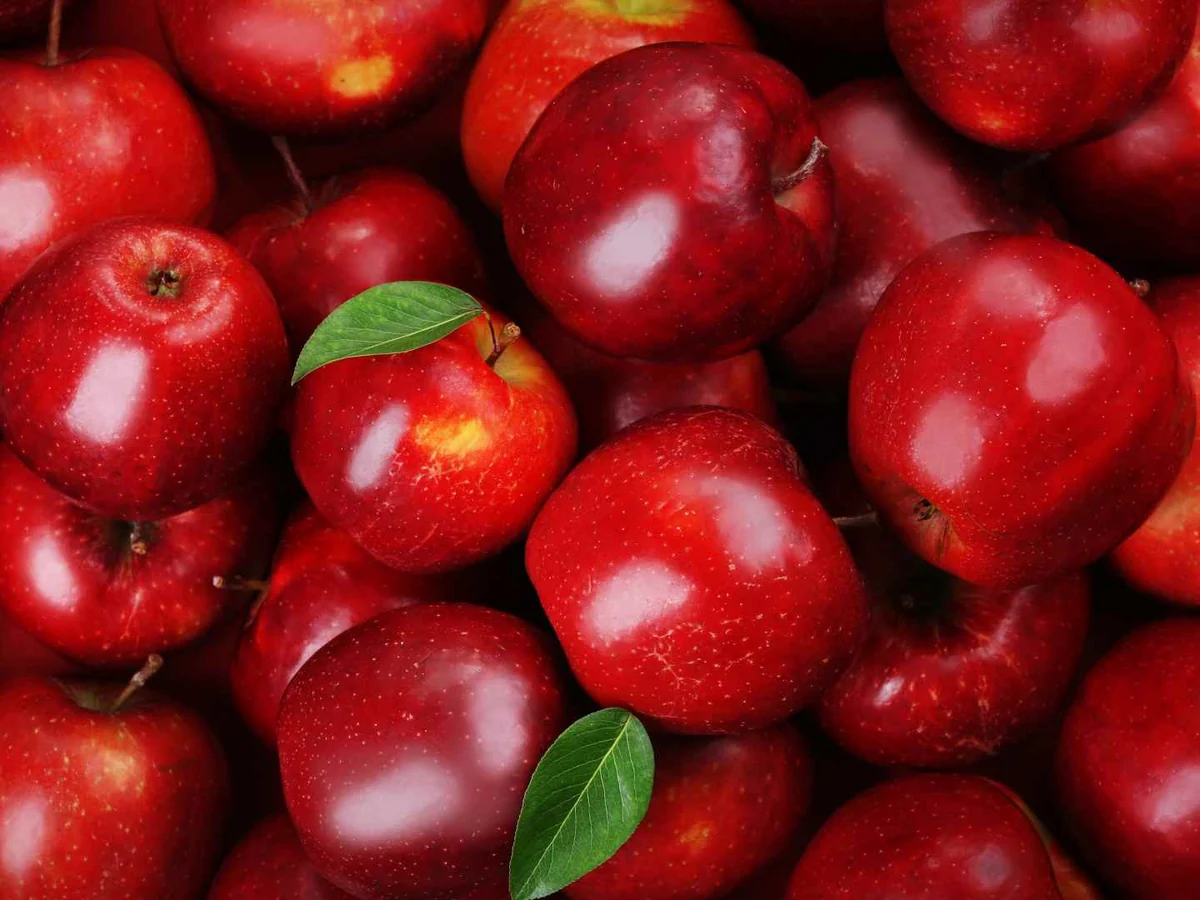
Apple seeds can release cyanide when they are crushed or thoroughly chewed. That is a good reason to remove every seed before sharing fruit, but it is not a reason to declare poisoning when a cat licks clean flesh that once sat near a seed.
Risk depends on the plant part, amount, preparation, and the individual cat. A swallowed intact seed is a different exposure from chewed seeds, wilted leaves, or deliberate access to a pile of apple cores.
Do not calculate a home toxic dose from internet tables because seed chemistry and chewing vary, and a cat’s history matters. If several seeds were chewed, the quantity is unknown, or plant material was eaten, call a veterinarian or veterinary poison service promptly.
Signs that need immediate veterinary help
- Difficulty breathing, open-mouth breathing, or unusually rapid breathing.
- Brick-red or otherwise abnormal gum color, weakness, collapse, or shock-like behavior.
- Dilated pupils, marked agitation, tremors, seizures, or loss of coordination.
- Repeated vomiting, severe lethargy, or a painful abdomen after eating cores or other material.
- Gagging, heavy drooling, repeated swallowing, or signs that food is stuck.
These signs are not a checklist to diagnose cyanide poisoning at home. They are reasons to stop reading and contact an emergency veterinarian.
The core is more than a seed holder
An apple core is dense, fibrous, and easy for an enthusiastic animal to swallow in chunks. Cats are less famous for counter-surfing than dogs, but a playful kitten can bat a core from the compost bin and turn lunch scraps into an evening problem.
The core or a large peel strip can become a choking or digestive foreign-body concern, especially in a kitten or small cat. The Merck Veterinary Manual notes that obstruction signs can include vomiting, appetite loss, lethargy, abdominal pain, diarrhea, or shock.
Do not force food, water, or oil if your cat is gagging or struggling to swallow. Breathing difficulty is an emergency, while repeated vomiting or refusal to eat after a swallowed core deserves a same-day veterinary call.
How much apple is sensible?
There is no feline requirement for apple, so smaller is better. Start with one pea-sized cube of soft flesh, and do not keep offering more simply because the first piece vanished.
Apple contributes carbohydrate and natural sugar without the species-specific nutrition found in complete cat food. The Cornell Feline Health Center recommends a nutritionally complete diet formulated for a cat’s life stage, which is a far better foundation than assembling human foods.
Treats and table tastes should occupy only a small corner of the diet. If your veterinarian is tracking calories for obesity, diabetes, kidney disease, inflammatory bowel disease, food allergy, or a urinary condition, ask before adding apple.

A simple way to prepare apple for a cat
- Choose a fresh, ripe apple without mold, fermentation, or damaged areas.
- Wash it under running water and dry it.
- Cut away the stem, leaves, core, and every seed.
- Peel a small section if the skin is thick or waxy.
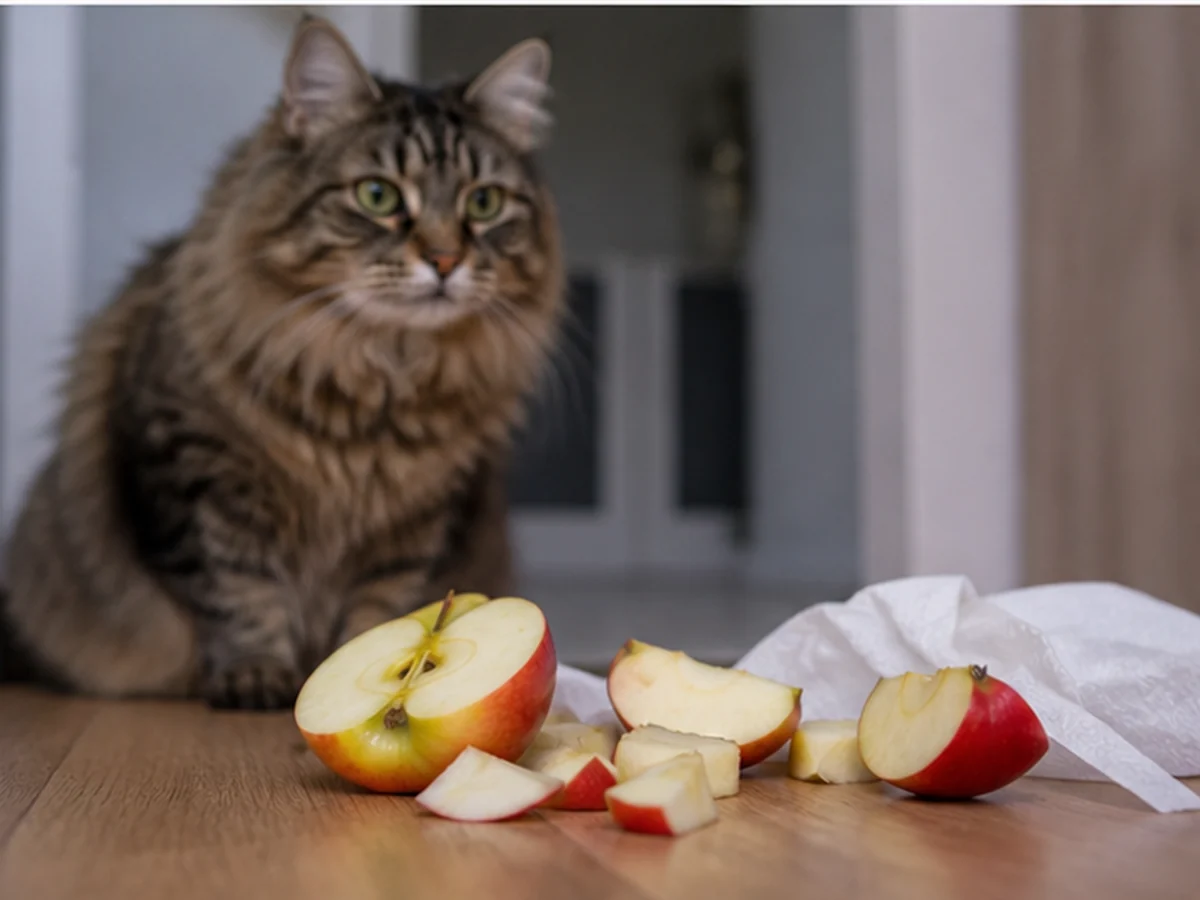
- Cut the flesh into a pea-sized soft piece that cannot be gulped whole.
- Offer it plain at room temperature, then watch for vomiting, diarrhea, itching, or appetite changes.
Never add cinnamon, sugar, honey, caramel, butter, salt, whipped cream, or sweetener for your cat’s benefit. The garnish is for the human palate, and the cat did not submit a dessert order.
Apple peel, wax, and pesticide questions
Ordinary apple peel is not a recognized cat toxin, but washing produce removes dirt and reduces surface residue. Peeling also makes the bite softer and eliminates the chance that a long strip will be swallowed without much chewing.
Organic fruit still needs washing because soil, handling, mold, and microbes do not check certification labels. The peel is also where you may first notice decay, so throw away suspicious fruit rather than trimming one tiny patch and offering the rest to a pet.
Our apple-skin guide walks through peel, wax, mold, and core issues in more detail. Its dog portions are not cat portions, but the household inspection steps are useful for both species.
Applesauce is a label-reading exercise
Plain unsweetened applesauce without spices is not inherently poisonous to cats, but it is still sugary fruit puree rather than a needed food. The smooth texture also makes it easy to serve far more than intended.
Check for added sugar, sweeteners, cinnamon blends, alcohol flavorings, preservatives, and other fruits before allowing even a lick. Our cat-specific applesauce guide covers jars, pouches, homemade sauce, spoilage, and realistic next steps.
Keep squeeze-pouch caps and foil lids away from cats because they can become choking or foreign-body hazards. Sticky residue on the outside is also an invitation for a cat to chew packaging rather than simply taste the food.
Apple juice, cider, and vinegar
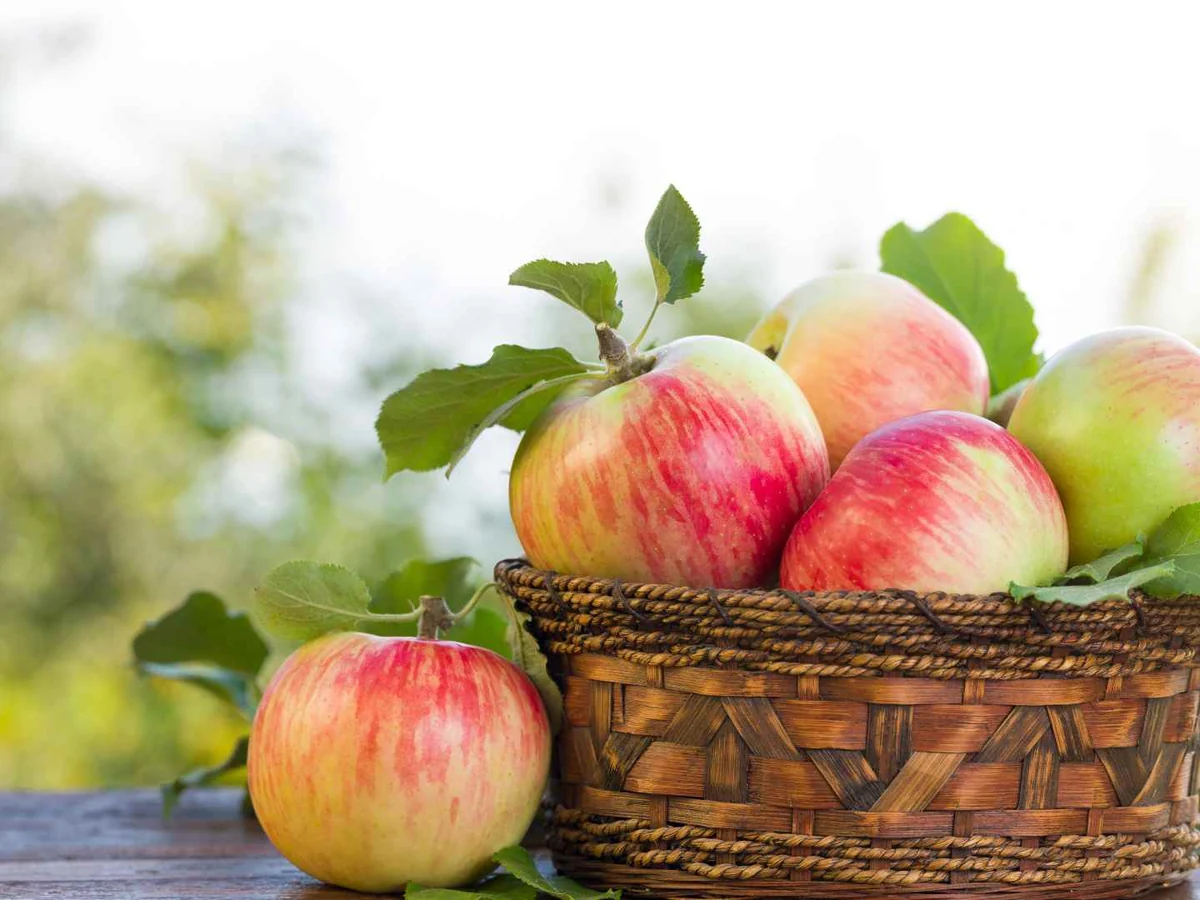
Apple juice concentrates sugar and removes the chewing experience, so it has no useful role as a cat drink. A few accidental licks of ordinary pasteurized juice are usually less concerning than a meaningful amount, an unpasteurized product, or a drink with alcohol, caffeine, spices, or sweeteners.
Cider can mean cloudy apple juice or an alcoholic beverage, and those are completely different exposures. Save the container and identify the alcohol percentage before calling, because alcohol exposure deserves immediate professional advice.
Apple cider vinegar is acidic and can irritate the mouth, esophagus, stomach, skin, or eyes when concentrated. Do not add it to a cat’s food or water as a cure-all, and never delay evidence-based treatment to try it.
The published apple juice guide offers a useful product checklist, although cats need cat-specific veterinary advice. Any alcoholic cider exposure should be treated more urgently than a lick of plain juice.
Pie, crisp, cake, doughnuts, and caramel apples
Apple desserts combine fruit with fat, sugar, dairy, spices, dough, and sometimes raisins, chocolate, nuts, alcohol, or sugar-free sweeteners. The apple is rarely the ingredient that decides the response.
Raw yeast dough is especially concerning because it can expand and produce alcohol in the digestive tract. The FDA lists raw yeast products and alcohol among edible pet hazards, alongside other ingredients commonly found in kitchens.
If your cat ate a dessert, gather the recipe or package and identify every ingredient before calling. Include the wrapper, stick, foil, string, or paper liner in your inventory because the nonfood parts may be the bigger concern.
Rotten, moldy, or fermented apples
A fallen apple can ferment, grow mold, and collect soil, insects, pesticides, or wildlife contamination. Outdoor cats should not be allowed to snack beneath fruit trees or investigate compost containing spoiled fruit.
Tremors, wobbliness, repeated vomiting, severe lethargy, or unusual agitation after spoiled food needs prompt veterinary attention. Do not wait for every possible sign to appear before calling.
What to do after an apple mishap
- Remove the fruit, core, plant material, product, and packaging.
- Check breathing, swallowing, alertness, and gum color.
- Identify the exact part eaten and whether seeds were chewed.
- Estimate the amount and time, and save the label or recipe.
- Call promptly for seeds, leaves, stems, a whole core, fermented fruit, alcohol, unsafe dessert ingredients, or any symptom.
Do not induce vomiting or give hydrogen peroxide unless a veterinarian specifically directs treatment. The FDA advises contacting a veterinarian, emergency hospital, or animal poison control center when a pet gets into something dangerous.
Frequently asked questions
Can kittens eat apple?
A kitten does not need apple, and its small size leaves less room for extras and less margin for a hard piece. Use complete kitten food and appropriately sized kitten treats instead.
Can cats eat green or red apples?
The color does not change the basic rule: only a tiny piece of ripe, plain flesh with every seed, stem, leaf, and core removed. Tart fruit may simply be less appealing and more likely to cause a dramatic sniff-and-retreat.
Can cats eat cooked apples?
Plain cooked apple flesh without seeds or additives can be offered in a tiny amount, but cooking does not make desserts cat food. Butter, sugar, spices, raisins, dough, and sweeteners require their own assessment.
My cat ate one apple seed. What now?
Remove the remaining apple and determine whether the seed was chewed or swallowed intact. Call your veterinarian or a pet poison service if you are uncertain, if more seeds may be missing, or if any abnormal sign develops.
The bottom line
A tiny piece of plain apple flesh is acceptable for many healthy adult cats, but it offers no special benefit. Remove seeds, stems, leaves, peel, and core, avoid processed and spoiled products, and call promptly when the exposure involves plant parts, a large hard piece, alcohol, unsafe ingredients, or symptoms.