Can Dogs Eat Sesame Seeds? Tahini, Oil, and Seasoned Foods
A few plain culinary sesame seeds are unlikely to harm most healthy adult dogs, but there is little reason to feed them deliberately. A scattered topping is different from a bowl of seeds, a spoonful of tahini, sesame oil, hummus, seasoned snacks, moldy bulk product, or an allergic reaction.
Identify the sesame form first
- A few plain seeds on bread or food: usually a minor exposure.
- A bag or bulk container: call if a large amount was eaten or packaging is missing.
- Tahini or sesame paste: concentrated in fat and calories and often part of a seasoned recipe.
- Sesame oil: highly concentrated fat, sometimes infused with garlic or chili.
- Hummus, sesame chicken, furikake, crackers, or candy: assess every ingredient, not just sesame.
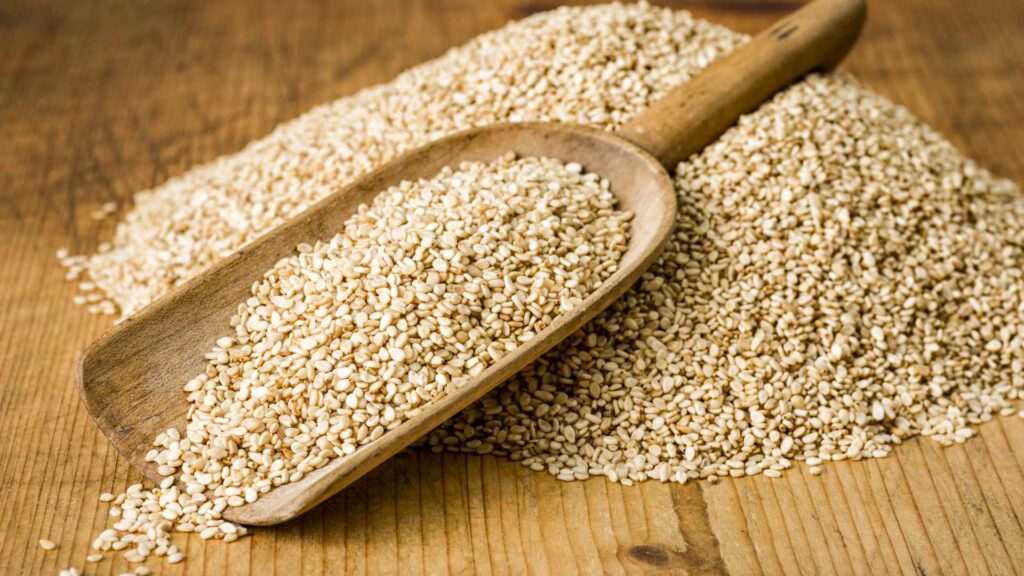
Sesame seeds are tiny enough that one or two are not a realistic choking object for most dogs. Problems become more plausible with a mouthful of dry seeds inhaled while gulping, a dense sticky paste, a hard sesame candy, or the package that came with them.
Sesame is not a recognized canine poison
Plain sesame seed is not in the usual list of foods that cause a specific canine toxicosis. That narrow statement does not make a large, fatty, stale, salted, or heavily seasoned sesame product suitable.
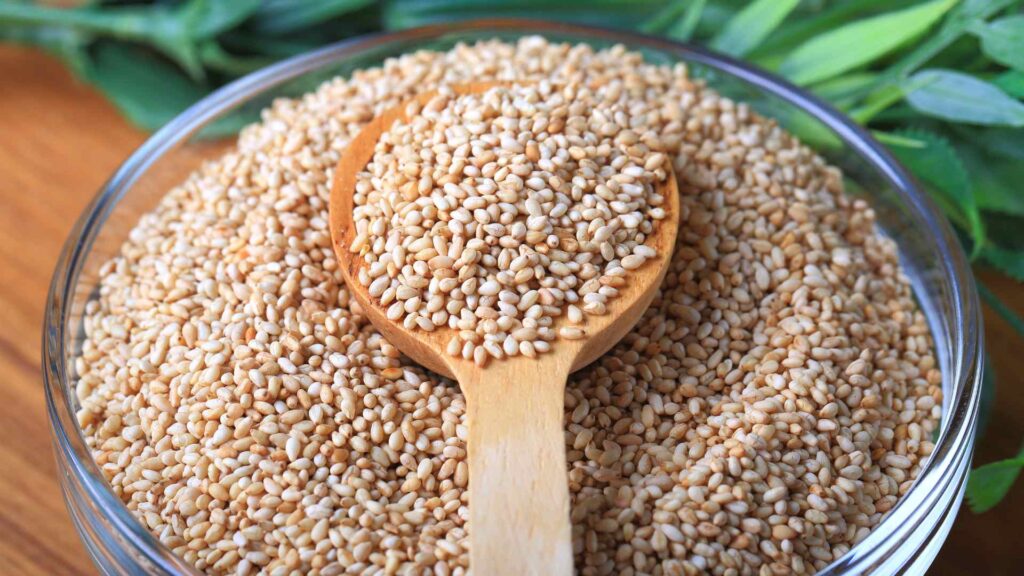
Whole seeds may pass through the digestive tract visibly changed very little. Seeing a few in stool is not proof that a dog failed to absorb all nutrition or needs ground seeds added to every meal.
A dog that eats a small seeded bread crumb and remains comfortable usually needs no special treatment. Remove access, check the rest of the recipe, and return to the normal complete food.
Seeds are compact calories
Sesame seeds naturally contain substantial oil, so a small volume carries more calories than its size suggests. A bulk raid can cause vomiting, diarrhea, or abdominal discomfort and disrupt a weight-loss or low-fat plan.
Dogs with previous pancreatitis, high triglycerides, obesity, diabetes, or a prescribed fat limit should avoid purposeful sesame feeding. Repeated vomiting, appetite loss, marked lethargy, abdominal pain, weakness, or dehydration after a fatty raid deserves a prompt call.
The UC Davis veterinary treat guideline recommends keeping all treats and extras below 10 percent of daily calories, with at least 90 percent from complete and balanced food. Sesame shares that allowance with every chew, reward, table scrap, and pill snack.
Tahini concentrates the seed
Tahini is ground sesame paste, sometimes made only from sesame and sometimes blended with oil or salt. Grinding makes a dog able to swallow far more seed material in one lick than it would pick from a bun.
A tiny lick of plain tahini is unlikely to poison most healthy dogs, but a spoonful is a rich calorie load. Sticky paste can also smear around the mouth or be gulped with plastic film, a lid, or a spoon.
Check the label for salt, oils, flavors, and sweeteners, and inspect the product for rancid odor, mold, or recall information. Do not use tahini as a calcium, protein, coat, or joint supplement.
Hummus is not plain tahini
Hummus commonly combines chickpeas, tahini, garlic, lemon, oil, and salt, with recipes adding onion, roasted pepper, spice, or preservatives. Garlic is a meaningful canine hazard, while oil and salt increase the dietary load.
Our garlic guide explains why cooked or blended garlic still matters and why effects on red blood cells can be delayed. Save the tub rather than guessing how much garlic a flavor name implies.
Sesame oil is a fat exposure, not a seed serving
Sesame oil contains the extracted fat without the intact seed’s bulk and fiber. A few drops used in a large recipe differ from a dog drinking from the bottle.
A large oil exposure can cause vomiting or diarrhea, and it is particularly unsuitable for dogs with pancreatitis history or fat restriction. Do not pour oil over food to improve skin, coat, constipation, appetite, or nutrient absorption without veterinary direction.
Toasted sesame oil has a stronger aroma but is not automatically more toxic. Infused products can contain garlic, onion, chili, or other flavor extracts, so the full label controls the answer.
Human sesame allergy does not create an automatic canine rule
The FDA sesame-labeling guidance identifies sesame as a major human food allergen and requires it on packaged-food labels in the United States. That rule protects people and does not establish how common sesame allergy is in dogs.
Dogs can develop adverse food reactions to proteins, but an itch after a sesame bun is not proof because the bread, wheat, egg, dairy, environmental allergens, parasites, and infection may also be involved. Diagnosis requires a controlled veterinary plan.
The Merck Veterinary Manual food-allergy review identifies a strict elimination diet and rechallenge as the reference diagnostic method. Hair, saliva, and convenient food panels do not reliably prove a sesame allergy.
Stop the product and call after vomiting, diarrhea, itching, hives, or swelling. Facial swelling, breathing difficulty, weakness, or collapse is an emergency.
Buns, bagels, crackers, and breadsticks
A few seeds attached to a small plain bread crumb are usually less important than the size and ingredients of the baked item. Butter, cheese, onion, garlic, raisins, chocolate, macadamias, and xylitol can change the call.
Hard crackers and breadsticks can be gulped, while salted snack products add sodium. A missing bag or clip creates a foreign-object problem beyond the seeds.
Our pancake guide covers flour-based treats, raw batter, and unsafe sweet add-ins. Cooked bread and raw yeast dough are not interchangeable exposures.
Sesame chicken and restaurant sauces
Sesame chicken is usually battered, fried, and coated in a sweet salty sauce that can include garlic, onion, soy sauce, sugar, and chili. The sprinkled seeds do not define the dish.
A small fallen piece may cause only mild stomach upset, while a missing takeout carton delivers fat, sodium, sugar, seasoning, and uncertain quantity. Ask the restaurant for current ingredients when possible.
Soy sauce is very salty, and fried meat is rich. Bones, skewers, foil, and plastic takeout pieces should be counted after a raid.
Furikake, everything seasoning, and spice blends
Furikake may combine sesame with salt, seaweed, sugar, fish, egg, monosodium glutamate, and other seasonings. Everything-style blends commonly add onion, garlic, poppy seeds, and substantial salt.
Our onion guide covers powdered and cooked Allium exposures. A few stray seeds from a bagel and a dog swallowing the seasoning jar are very different events.
Do not give concentrated seasoning mixes as a mineral supplement. Seaweed products can also vary in iodine and sodium, which matters for some medical diets.
Sesame candy, halva, and bars
Sesame snaps, brittle, halva, and sweet bars add sugar, honey, glucose syrup, oil, nuts, chocolate, or flavoring. Their hard or sticky texture can choke, damage teeth, or be swallowed with wrapper material.
Sugar-free versions require a xylitol check, while mixed nut products need macadamia identification. A tiny ordinary sugar crumb is not the same as a missing specialty bar.
Our chocolate guide explains why cocoa type and dose matter. Save the candy label and do not infer ingredients from color.
Bulk seeds, spoilage, and food handling
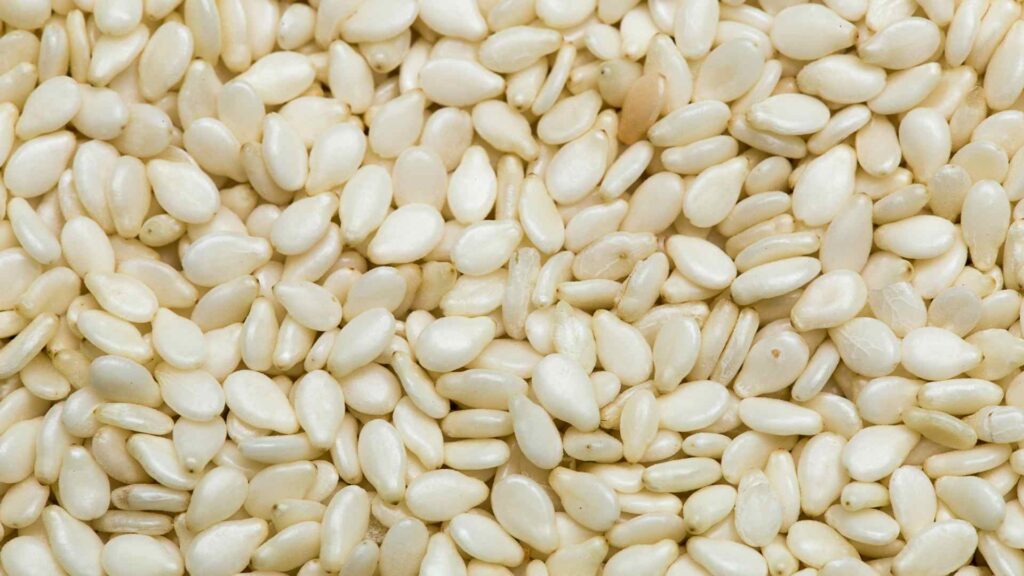
Seeds stored warm or damp can become rancid, moldy, or contaminated, and open bulk bins add handling uncertainty. Do not let a dog finish a product people reject as stale or spoiled.
FDA has posted completed tahini recalls for possible Salmonella contamination, which shows that seed paste still needs ordinary food-safety attention. A past recall does not mean all current tahini is unsafe, so check the actual lot and current alerts.
Dogs with foodborne illness may vomit, develop diarrhea, lose appetite, run a fever, or become lethargic, though signs are variable. Young, pregnant, elderly, or immunocompromised dogs deserve a lower threshold for calling.
No miracle mineral, protein, or antioxidant claim
Sesame contains nutrients, but a safe treat-size amount cannot correct a deficiency or treat anemia, weak bones, arthritis, heart disease, immune disease, or a dull coat. Larger amounts bring more fat and calories rather than a precise therapy.
Complete dog food already supplies essential amino acids, fatty acids, vitamins, and minerals in planned proportions. A home-prepared diet needs professional formulation, not a scatter of seeds added for insurance.
What to do after sesame disappears
- Identify plain seeds, tahini, oil, hummus, seasoning, restaurant food, candy, or bulk product.
- Estimate the amount and time, then record the dog’s weight, symptoms, conditions, and medications.
- Save labels and check garlic, onion, xylitol, chocolate, macadamias, excess salt, spice, and allergens.
- Count missing lids, films, bags, clips, skewers, wrappers, and containers.
- Call for a large amount, unsafe ingredients, spoiled food, an allergic reaction, packaging, or significant symptoms.
A healthy adult dog that eats a few plain seeds and remains normal can usually be monitored. Keep water available and return to the regular complete diet.
Do not induce vomiting or give oil, milk, salt, or human allergy medicine unless a veterinarian directs it. Product form, co-ingredients, and symptoms determine the response.
Frequently asked questions
Are sesame seeds poisonous to dogs?
A few plain culinary seeds are not a recognized canine toxin. Large amounts, fatty products, seasonings, spoilage, allergy, and packaging create separate concerns.
Can dogs eat tahini?
A tiny plain lick is unlikely to poison most healthy dogs, but tahini is concentrated in fat and calories. Hummus usually adds garlic and salt.
Can dogs have sesame oil?
Do not offer it intentionally. It is concentrated fat and may be flavored with garlic or chili.
Are a few seeds a choking hazard?
Individual seeds are too small to be a typical obstruction, but gulping bulk dry seeds can cause coughing or inhalation and dense sesame foods can choke.
The bottom line
A few plain sesame seeds are usually a minor exposure for a healthy adult dog. They are not a necessary supplement and do not earn extra feeding just because they contain nutrients.
Tahini, oil, hummus, seasoning blends, restaurant food, candy, spoiled seed products, allergy, and packaging each need their own review. Follow the label and the amount, not the seed’s tiny size.