Can Dogs Drink Almond Milk? Labels, Xylitol, and Carton Risks
A small lick of plain, unsweetened almond milk is usually low risk for a healthy dog, but it is not a useful everyday drink. Sweeteners, chocolate, flavorings, calorie-dense formulas, almond sensitivity, homemade recipes, and swallowed carton pieces can change the situation quickly.
Check the label before the dog
- One lick of plain unsweetened almond milk: usually a monitor-at-home situation if the dog is acting normally.
- A bowlful or unknown amount: call if the dog is small, medically vulnerable, or developing digestive signs.
- Sugar-free or low-sugar product: check immediately for xylitol, birch sugar, wood sugar, or birch bark extract.
- Chocolate or mocha almond milk: assess it as a chocolate exposure, not just a plant-based drink.
- Carton, cap, straw, foil seal, or plastic ring missing: contact a veterinarian because packaging creates separate choking and obstruction risks.
Save the exact carton and note the product name, ingredients, serving size, amount left, time, and your dog’s weight. Front labels such as natural, vanilla, barista, protein, or organic do not answer the safety questions.
Plain almond milk is not the same as whole almonds
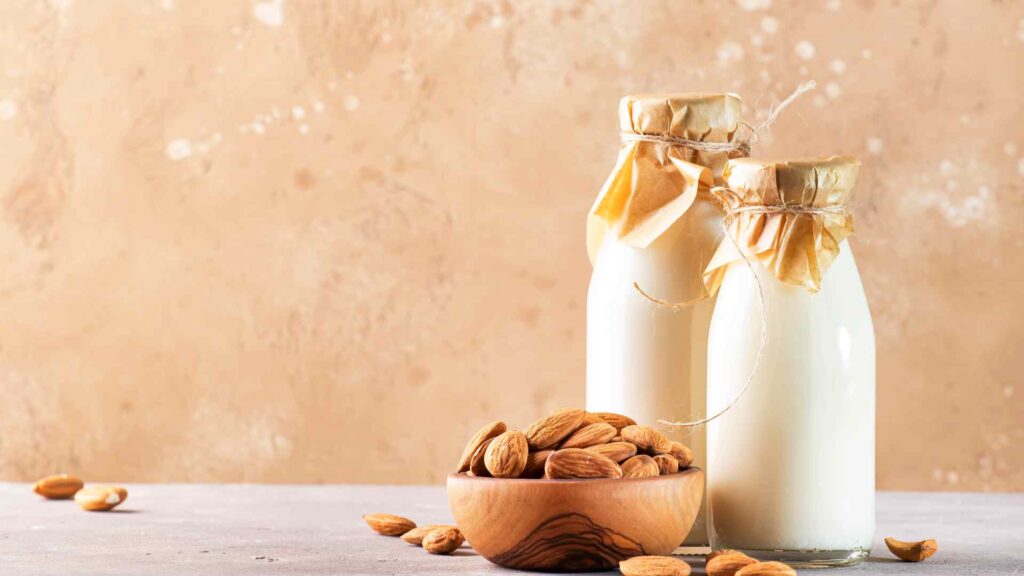
Commercial almond milk is mostly water with finely processed almond material plus any ingredients added by the manufacturer. It does not create the same choking risk as a whole nut, but it can still cause stomach upset and does not become dog food simply because the almonds are diluted.
A small spill is generally less concerning than a dog swallowing whole nuts, which can choke or obstruct and deliver more fat in a compact portion. Our almond guide covers those whole-nut risks separately.
The veterinarian-reviewed PetMD almond overview similarly treats a small almond-milk spill as lower risk while advising against using the drink as a treat. That proportionate distinction is more useful than calling every drop toxic or every carton safe.
Xylitol turns the call into an emergency
Xylitol can cause a rapid, dangerous drop in a dog’s blood sugar and may also cause liver injury. It may appear in sugar-free products and can be listed as xylitol, birch sugar, wood sugar, or birch bark extract.
The FDA xylitol warning advises calling a veterinarian, emergency clinic, or animal poison-control service immediately after suspected ingestion. Do not wait for vomiting, weakness, difficulty walking, collapse, tremors, or seizures.
Most ordinary almond milks do not contain xylitol, but assumptions are not a label check. Recipes change, specialty products exist, and homemade drinks may use a sweetener that another household member added.
Report the exact product, xylitol position in the ingredient list, amount possibly consumed, time, and dog’s weight. Do not give syrup, food, or another sugar unless the veterinary professional managing the case instructs you.
Other sweeteners and added sugar
Cane sugar, syrups, stevia, sucralose, monk fruit, erythritol, and gums do not all share xylitol’s canine toxicology. They can still add calories or trigger gas, loose stool, and vomiting, so identify the specific ingredient rather than treating every sweetener as interchangeable.
Sweetened vanilla and coffee-shop formulas can contain considerably more sugar than plain unsweetened products. A lick may cause no harm, but repeated servings are a poor fit for weight management, diabetes care, and dental health.
Dogs with diabetes should not receive sweetened drinks as a home response to low energy or skipped food. Call the veterinarian who manages the insulin plan because changes in appetite and blood sugar require case-specific advice.
Chocolate and coffee flavors deserve their own assessment
Chocolate almond milk may contain cocoa, and mocha or coffee drinks may add caffeine. Both methylxanthine sources can affect the heart, muscles, and nervous system, with risk depending on concentration, product size, amount, and dog weight.
Save the label and use our chocolate exposure guide to collect cocoa type, serving size, and amount. Call promptly for a meaningful or unknown amount rather than waiting for restlessness, vomiting, rapid heartbeat, tremors, or seizures.
Chocolate-protein shakes can also contain xylitol, coffee extract, supplements, and several servings in one bottle. The phrase almond milk describes the base, not the whole risk.
Additives are usually a digestion question
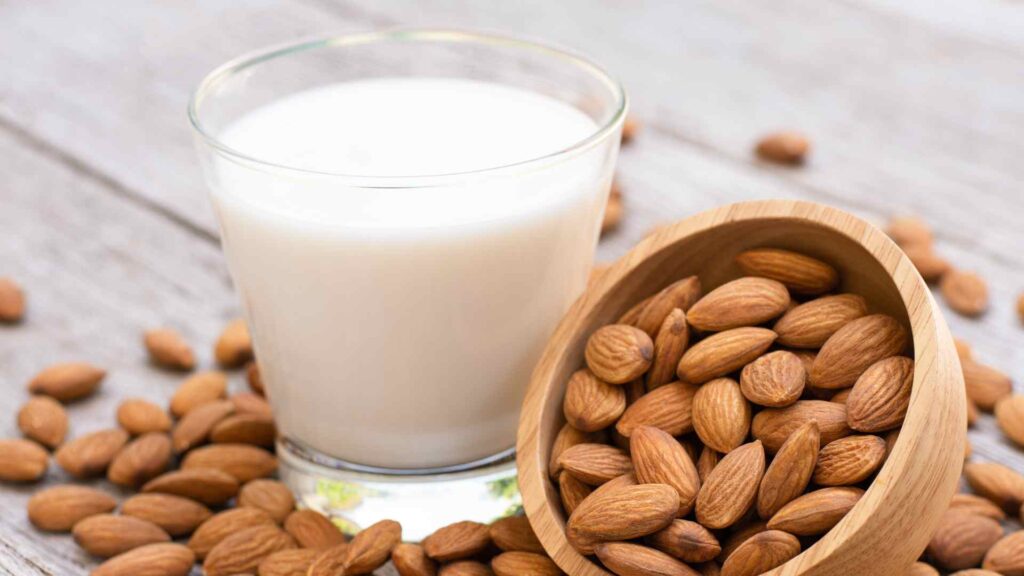
Commercial almond milk may include calcium salts, vitamins, lecithin, oils, gums, stabilizers, emulsifiers, natural flavors, and preservatives. Their presence does not automatically make a lick dangerous, but the complete formula and amount matter when a dog drinks a large quantity.
Gums and sweeteners can contribute to gas or diarrhea in some dogs, while added oil increases calories and fat. Fortification for human nutrition does not establish a benefit or dose for dogs.
A barista blend is designed to foam and may contain more fat or added ingredients than the brand’s basic unsweetened carton. Compare nutrition and ingredient panels rather than assuming all versions are identical.
Protein-enriched drinks may use pea, soy, or other proteins that complicate an elimination diet or known food sensitivity. Dogs on a prescription diet should receive no casual milk substitute without the prescribing veterinarian’s approval.
Calories and fat add up quietly
Almond milks vary widely in calories, fat, and sugar, so a serving-size comparison matters. A small bowl can represent a substantial extra for a toy dog even when the drink looks thin.
The World Small Animal Veterinary Association treat guide recommends that all treats remain below 10 percent of daily calories. Almond milk belongs within that allowance, not on top of a complete meal plan.
Rich formulas and large intakes can cause vomiting or diarrhea and may be unsuitable for dogs with a history of pancreatitis or prescribed fat restriction. Call for repeated vomiting, abdominal pain, weakness, appetite loss, or inability to keep water down.
Do not pour almond milk over food to persuade a sick dog to eat without veterinary guidance. Appetite loss can signal pain, obstruction, infection, organ disease, medication effects, or another problem that a flavored topping will not solve.
Almond allergy and food reactions
A dog can react poorly to an ingredient without that ingredient being generally toxic. Possible food-reaction signs include vomiting, diarrhea, itching, recurrent ear trouble, hives, or facial swelling, but one episode does not prove an almond allergy.
Facial swelling, breathing difficulty, collapse, or rapidly worsening signs require emergency care. For recurring skin or digestive problems, a veterinarian may recommend a controlled elimination diet and challenge rather than an online allergy test.
Stop the product and preserve its label if signs follow exposure. Report every ingredient because almonds, flavorings, thickeners, and other plant proteins can all matter.
Homemade almond milk is not automatically simpler
Homemade versions may contain only almonds and water, or they may include dates, raisins, cocoa, sweetener, vanilla extract, salt, protein powder, or supplements. Ask the person who made it for the exact recipe and starting quantities.
Whole almonds left in a coarse blend can create choking or obstruction concerns, while concentrated pulp delivers more fat than a strained commercial drink. Date pits, almond fragments, blender parts, nut-milk bags, and storage lids are additional physical hazards.
Raisins or grapes require an urgent call because they can cause acute kidney injury in dogs. Alcohol-containing vanilla, chocolate, and xylitol each require their own assessment too.
Our almond butter guide helps with thicker, more concentrated almond products. Do not estimate butter exposure from guidance written for diluted milk.
Cartons, caps, and spoiled product
A dog may chew the paperboard carton, plastic spout, screw cap, foil seal, straw, or tamper ring while reaching the drink. Those items can choke or obstruct even when the liquid is plain.
Call for repeated vomiting, gagging, abdominal pain, refusal to eat, lethargy, straining, or inability to keep water down. Do not pull stringy or sharp material from the mouth or rectum.
Discard almond milk that is expired, swollen, leaking, moldy, or smells spoiled, and refrigerate opened cartons as directed. A dog that drinks a large amount of spoiled product should be assessed based on symptoms and quantity, not reassured by the ingredient list.
Almond milk is not a hydration or nutrition treatment
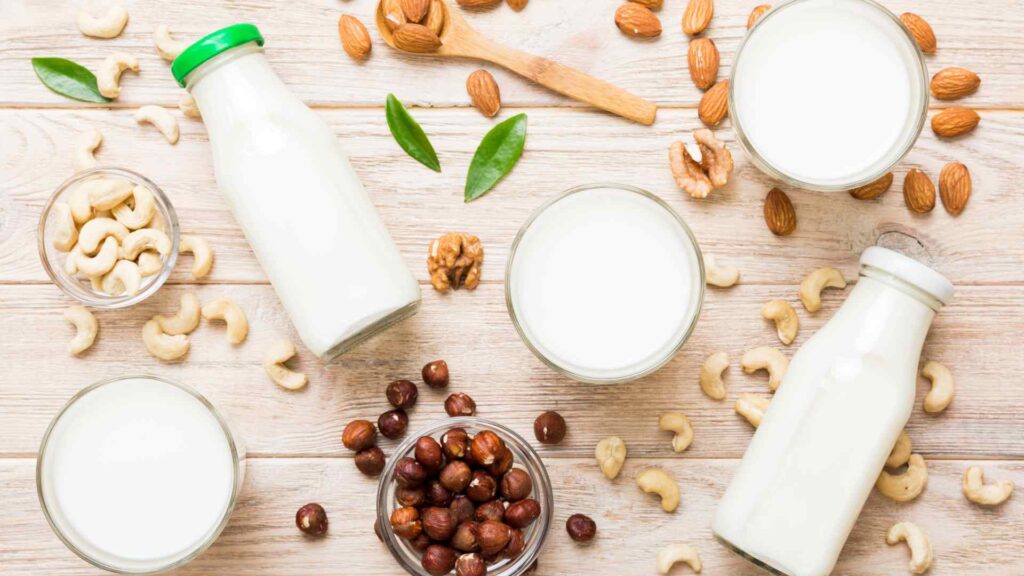
Plain water is the appropriate everyday drink for a dog unless a veterinarian prescribes something else. Almond milk should not be used to treat dehydration, replace puppy formula, balance homemade food, improve immunity, or manage kidney, urinary, digestive, or skin disease.
Puppies that need supplemental feeding require a canine milk replacer selected with veterinary guidance, not a plant drink formulated for people. An inappropriate substitute can fail to supply the energy and nutrients a growing puppy needs.
Comparing almond milk with oat milk does not identify a universal best choice. Both are optional human products whose sweeteners, calories, additives, and portions require label-specific review.
What to do after a spill or theft
- Secure the remaining drink, carton, cap, and other pets.
- Check xylitol, chocolate, coffee, raisins, alcohol, supplements, and the full ingredient list.
- Estimate the amount and time, then note your dog’s weight, conditions, medications, and symptoms.
- Call immediately for xylitol and promptly for dangerous co-ingredients, a large unknown amount, missing packaging, medical vulnerability, or symptoms.
- Follow the clinic’s plan and keep the original product available.
Do not induce vomiting or give salt, mustard, peroxide, oil, food, or syrup unless a veterinarian specifically directs you. Timing, ingredients, symptoms, and packaging can change the safest response.
Bottom line
One lick of plain unsweetened almond milk is usually low risk, but there is no reason to make it a routine drink. Xylitol, chocolate, coffee, concentrated homemade recipes, calories, food reactions, spoiled product, and swallowed packaging deserve closer attention.