Can Dogs Eat Dragon Fruit? Flesh, Peel, Portions, and Products
Most healthy adult dogs can eat a few small pieces of ripe dragon-fruit flesh after the thick peel is removed. The tiny seeds are normally eaten with the pulp, but the leathery skin, large slippery chunks, excessive fruit, spoilage, smoothies, sweeteners, and medical-diet restrictions can turn a simple taste into a bad idea.
Prepare the part people normally eat
- Choose ripe fruit without mold, leaking, fermentation, or major decay.
- Wash the intact fruit before cutting.
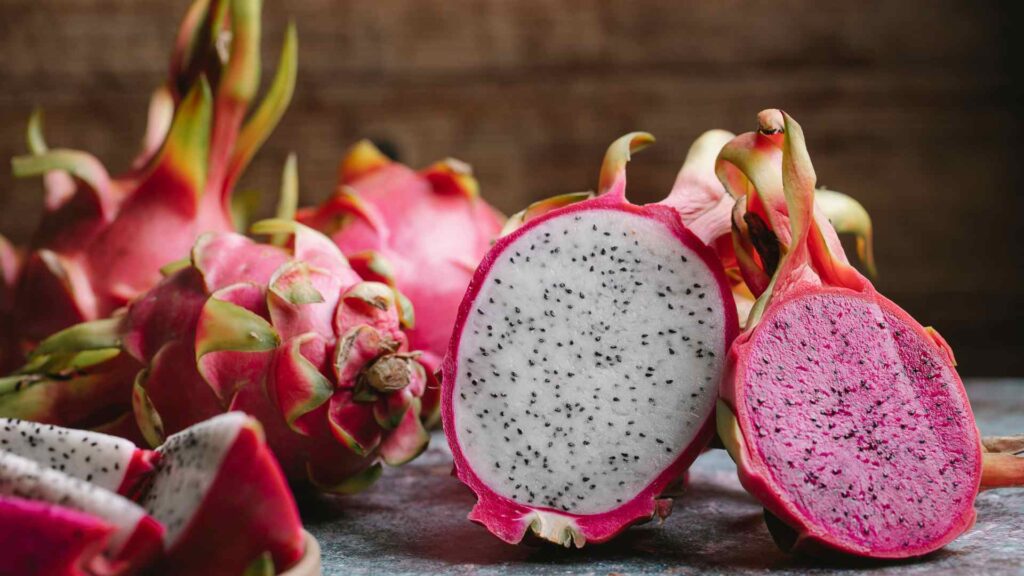
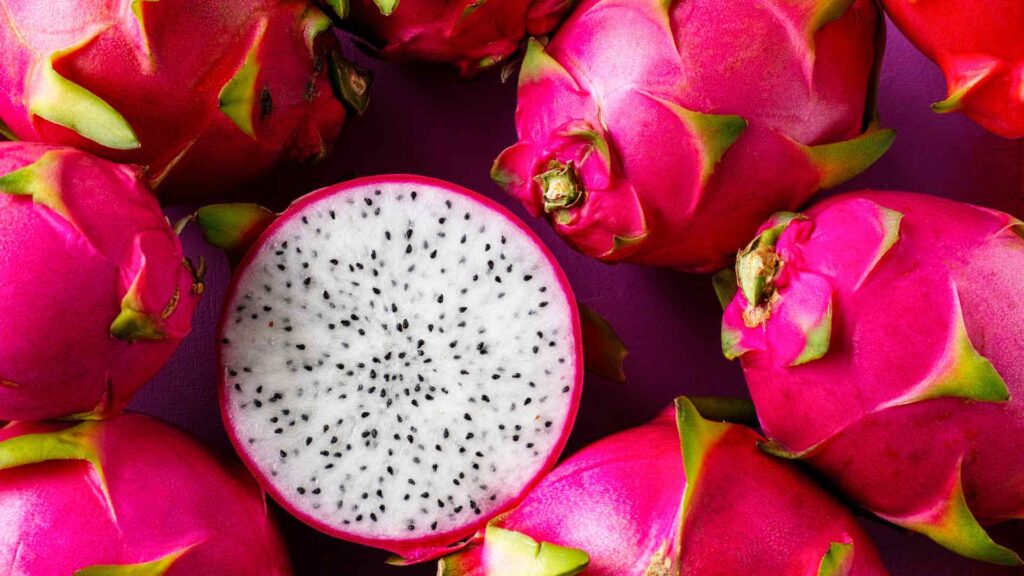
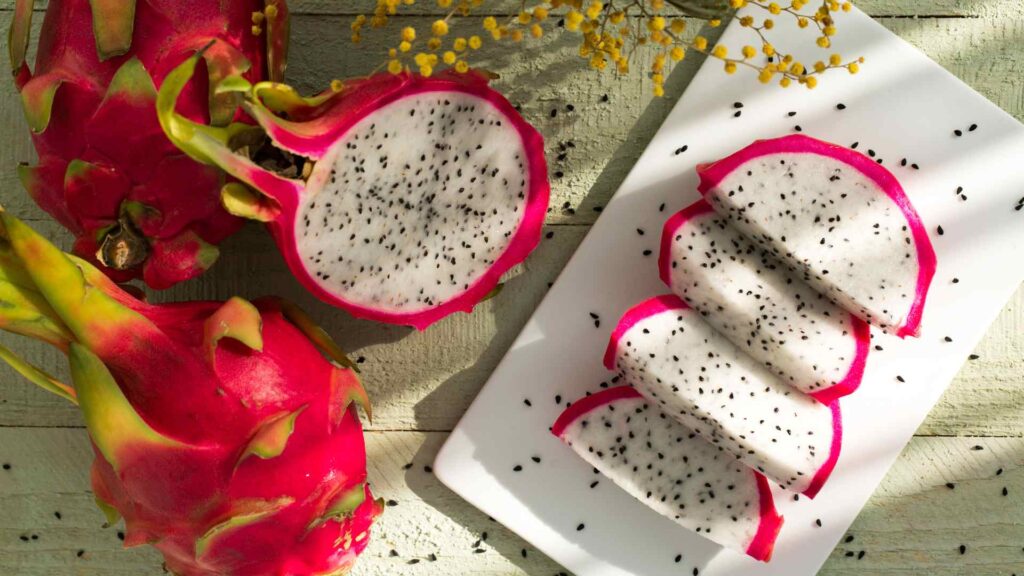
- Slice it open and scoop the white, red, or pink flesh away from the peel.
- Cut the flesh into small pieces suited to the dog.
- Offer one or two pieces first and keep the rest refrigerated.
Dragon fruit is also called pitaya or pitahaya, and varieties differ in skin and flesh color. Color does not create a canine treatment benefit, so the same plain, peeled, small-portion rule applies.
Ripe flesh is not a recognized canine toxin
The soft pulp and embedded tiny seeds are the customary edible portion. A small amount is unlikely to harm most healthy dogs, though any new food can cause gas, vomiting, or loose stool in an individual.
The seeds are much smaller and softer than stone-fruit pits and are not removed one by one. They can pass in stool without indicating illness.
Dragon fruit contains natural sugar, fiber, water, and micronutrients, but an appropriate dog treat cannot correct vitamin deficiency, strengthen immunity, prevent cancer, or rehydrate an ill animal. Larger portions mostly add sugar, calories, and a greater chance of digestive upset.
Why the peel should stay out
The brightly colored peel is thick, leathery, and difficult to chew. It is not usefully described as a proven chemical poison, but large strips can choke, irritate the stomach, or obstruct.
The Merck Veterinary Manual obstruction review explains that foreign bodies may cause vomiting, appetite loss, abdominal pain, lethargy, diarrhea, dehydration, or shock. Partial obstruction can produce intermittent signs.
Call after a large swallowed peel strip, especially for a small dog, puppy, or animal with previous gastrointestinal surgery. Do not induce vomiting or force food to push the peel through.
Breathing trouble, active choking, blue or gray gums, or collapse is an emergency. Repeated gagging, drooling, regurgitation, or inability to swallow also needs urgent assessment.
Cut slippery flesh for the dog
A large cold cube can slide backward before it is chewed, particularly in a fast eater. Cut pieces smaller than the dog’s usual treats and avoid rock-hard frozen chunks.
Mashing a teaspoon can simplify texture for a tiny dog, but it also makes over-serving easy. Measure the amount before adding it to a bowl or toy.
Portion size and digestive effects
Dragon fruit’s fiber and unfamiliar carbohydrates can produce gas or loose stool when introduced quickly. One taste tests tolerance better than a full fruit.
The UC Davis veterinary treat guideline recommends keeping all treats and extras below 10 percent of daily calories. At least 90 percent should come from complete and balanced food.
Dogs with diabetes, obesity, calorie restriction, active gastrointestinal disease, or prescription diets may need to skip fruit. Puppies need nearly all calories for complete growth nutrition.
Repeated vomiting, severe diarrhea, blood, marked pain, weakness, dehydration, a swollen abdomen, or inability to keep water down warrants veterinary care. Do not keep offering fruit to settle the stomach.
Dragon fruit is not a hydration treatment
A juicy fruit bite can be pleasant, but it cannot replace water or veterinary fluid therapy. A dog refusing water, vomiting repeatedly, overheating, or becoming weak needs assessment rather than more fruit.
Likewise, constipation is not a cue to increase dragon fruit until diarrhea appears. Straining, pain, vomiting, appetite loss, or persistent stool change needs a diagnosis.
Spoiled and fermented fruit
Softness alone can be normal in ripe fruit, but mold, fizzing, alcohol odor, leaking decay, or insect infestation is not. Discard spoiled fruit where a dog cannot reach it.
Fermented fruit may contain ethanol and unpredictable microbial growth. Wobbliness, unusual sleepiness, vomiting, weakness, low body temperature, tremors, or collapse after spoiled fruit needs urgent advice.
Smoothies hide the ingredient list
A dragon-fruit smoothie may include dairy, coconut cream, juice, sugar, honey, protein powder, caffeine, chocolate, supplements, or sweetener. Blending also makes several servings disappear into seconds.
Sugar-free smoothies or powders require a xylitol check. Do not assume a pink drink contains only fruit or that a wellness label predicts canine safety.
Our yogurt guide explains lactose, fat, live-culture limits, and xylitol label checks. Our avocado guide helps when a smoothie or bowl includes multiple produce ingredients.
Bowls, desserts, and toppings
Pitaya bowls often add granola, raisins, chocolate, macadamias, nut butter, coconut, honey, and large portions of frozen puree. Spoons, lids, wrappers, and plastic cups can disappear in the same raid.
Our grape and raisin guide explains why dried grapes require prompt attention. Picking visible raisins out does not prove the remaining mixture is clean.
Ice cream, sorbet, cakes, candy, and sweetened puree add sugar and may contain dairy, chocolate, xylitol, or alcohol. Judge the full recipe rather than the fruit name.
Dried and freeze-dried dragon fruit
Drying concentrates calories and sugar and creates a chewy or brittle texture. Products may add sugar, oil, color, preservatives, or mixed fruits.
A tiny unsweetened piece is not automatically toxic, but fresh pulp is easier to portion. Check mixed packs for raisins, chocolate, macadamias, and sugar-free sweeteners.
Powders and supplements
Dragon-fruit powder may be concentrated and blended with beet, caffeine, vitamins, minerals, herbs, probiotics, or sweeteners. It is not equivalent to a cube of fresh flesh.
Do not use it to detoxify, prevent cancer, boost immunity, improve anemia, or color homemade dog food. Save the label and call after a significant supplement exposure.
Produce handling and garden plants
The FDA produce-safety guidance recommends running water and clean utensils, not soap or bleach. Refrigerate cut fruit promptly and discard product left unsafe by time or temperature.
Dragon-fruit cactus stems and flowers are not the prepared fruit serving discussed here. Garden access can also involve spines, fertilizer, pesticide, ties, pots, and soil.
Allergy and individual reactions
Food allergy is possible in an individual, but itching after a smoothie does not prove dragon fruit was responsible. Dairy, protein powder, nuts, environmental allergens, parasites, and infection may be involved.
The Merck Veterinary Manual food-allergy review describes strict elimination and rechallenge as the reference diagnostic method. Hair or saliva panels do not establish a dragon-fruit allergy.
Facial swelling, widespread hives, breathing trouble, weakness, or collapse is an emergency. Milder recurring signs need a veterinarian-guided workup.
Pink or red stool after dragon fruit
Red-fleshed dragon fruit can temporarily tint the mouth, vomit, or stool. Color from food is possible, but it should never be used to dismiss true blood when the dog is painful, weak, repeatedly vomiting, or passing abnormal stool.
Photograph the material in good light and report the fruit variety, amount, timing, and symptoms. Black tarry stool, repeated bright-red blood, pale gums, collapse, or significant lethargy needs urgent veterinary care.
Refrigeration and frozen puree
Cover cut fruit and refrigerate it promptly, following package or produce guidance. Discard puree with mold, gas, off odor, leaking packaging, or an uncertain storage history.
Commercial frozen dragon-fruit packets may be unsweetened, but smoothie blends can add acai, banana, juice, sugar, guarana, caffeine, or supplements. Read the ingredient panel before sharing even a thawed spoonful.
Refreezing and thawing repeatedly can damage quality and complicate safe storage. A dog gains nothing from finishing a packet that has been mishandled.
What to do after a dragon-fruit raid
- Identify ripe flesh, peel, whole fruit, spoiled fruit, smoothie, bowl, dried product, dessert, or powder.
- Estimate the amount and time, then record dog weight, symptoms, conditions, and medications.
- Save labels for sweeteners, chocolate, raisins, nuts, dairy, caffeine, and supplements.
- Count missing peels, lids, spoons, bags, clips, wrappers, cups, and desiccant packets.
- Call promptly for a large peel, unsafe co-ingredient, spoiled fruit, supplement, packaging, or significant symptoms.
A healthy adult dog that eats a few peeled, small pieces and remains comfortable can usually be monitored. Keep water available and return to the normal complete diet.
Do not induce vomiting or give oil, milk, charcoal, antacid, or human medicine unless a veterinary professional directs it. Form and symptoms determine the response.
Frequently asked questions
Can dogs eat dragon-fruit seeds?
The tiny seeds embedded in the pulp are normally eaten with the flesh and do not require removal. Keep the total serving small.
Can dogs eat dragon-fruit skin?
Do not feed the tough peel because it can choke or cause gastrointestinal trouble. Call after a large swallowed strip or obstruction signs.
Can dogs eat frozen dragon fruit?
Thaw and cut plain unsweetened fruit rather than serving a hard slippery cube. Check packaged smoothie pieces for additives.
Is dragon fruit good for hydration?
It is not a hydration treatment. A dog who cannot drink normally or is losing fluid needs veterinary guidance.
The bottom line
A few small pieces of ripe peeled dragon-fruit flesh can be an occasional extra for many healthy adult dogs. Start small and let complete food carry the nutritional workload.
Peel, large chunks, excessive fruit, spoilage, smoothies, bowls, dried products, powders, unsafe add-ins, and packaging change the answer. The tropical color does not make it medicine.