Can Dogs Eat Lemon? Flesh, Peel, Oils, Drinks, and Cleaners
A tiny lick of diluted lemon juice or small bite of plain lemon flesh is unlikely to cause serious poisoning in most healthy adult dogs, but lemon is not a useful treat. Its acidity can upset the stomach, while peel, pith, seeds, leaves, concentrated oils, cleaners, and sweetened products create different and sometimes more serious concerns.
Which part was involved?
- One lick of ordinary diluted juice or tiny flesh piece: usually monitor.
- A large amount of juice or concentrate: call if symptoms or medical concerns are present.
- Peel, thick pith, or a whole lemon: assess choking and obstruction.
- Leaves, stems, or tree material: treat as a plant exposure.
- Essential oil, extract, cleaner, or concentrated product: call promptly with the label.
Dogs usually dislike lemon’s sharp taste, which limits many accidental exposures. That natural grimace is not a party trick and should never be filmed by forcing citrus into a dog’s mouth.

Flesh and juice are acidic, not health food for dogs
Lemon flesh is technically edible, but its citric acid can irritate the mouth and stomach. Drooling, lip licking, vomiting, diarrhea, reduced appetite, or abdominal discomfort may follow a larger taste.
A drop squeezed over a whole dish is different from drinking a glass of lemon juice or concentrate. Record the approximate volume, dilution, co-ingredients, dog weight, symptoms, and time.
Dogs generally receive adequate vitamin C through their own metabolism and complete diets, so lemon is not needed as a vitamin supplement. It does not boost immunity, cure infection, detoxify the liver, or make an incomplete diet balanced.
The UC Davis veterinary treat guideline recommends that extras stay below 10 percent of daily calories. Sour fruit does not earn an exception simply because its calories are modest.
Peel and pith are the bigger food-form problem
Lemon peel is tough, oily, and difficult to digest, while thick pith can fold into a fibrous wad. A strip may choke or obstruct, especially in a puppy or small dog.
The Merck Veterinary Manual obstruction review notes that foreign bodies can cause vomiting, appetite loss, abdominal pain, lethargy, diarrhea, dehydration, or shock. Partial obstruction may produce intermittent signs.
Call after a substantial swallowed peel, repeated vomiting, gagging, drooling, appetite loss, pain, bloating, or reduced stool. Breathing trouble, active choking, blue gums, or collapse is an emergency.
Do not induce vomiting or try to push peel through with bread, oil, pumpkin, or another meal. Object shape, timing, and symptoms determine the safer plan.
Seeds are not a reason to panic, but remove them
A stray intact lemon seed is unlikely to cause serious poisoning, but seeds add no benefit and can be included in a choking wad with peel. Remove them for a predictable serving.
A large quantity of crushed plant material is a different exposure from one intact seed. Save samples or photos without delaying professional advice.
Lemon plants and essential oils
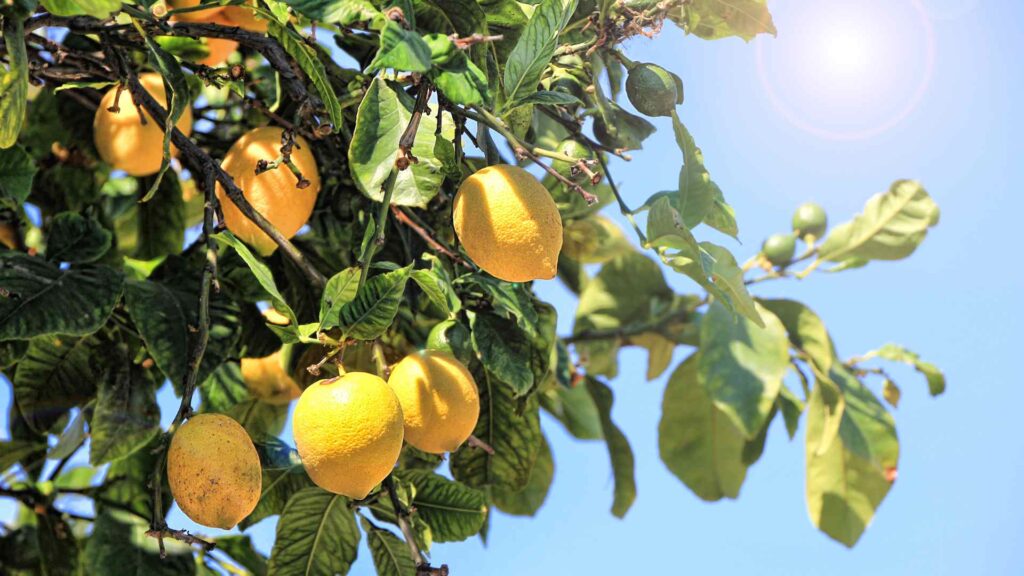
The ASPCA lemon plant listing identifies essential oils and psoralens as toxic principles and notes vomiting, diarrhea, depression, and possible dermatitis. It also distinguishes edible fruit from skins and plant material that can cause problems.
Leaves, twigs, flowers, and concentrated peel oils should not be offered. Garden access may also include fertilizer, pesticide, mulch, ties, pots, or sharp pruning debris.
The ASPCA essential-oil guidance advises against applying concentrated oils directly to pets because concentration, formulation, and exposure route change risk. Lemon essential oil is not a flea treatment, deodorizer, calming product, or coat remedy.
After oil gets on skin or fur, prevent licking and call for decontamination instructions. Do not use another oil, solvent, detergent, or home mixture to neutralize it.
Eye exposure needs immediate gentle flushing with lukewarm water and veterinary guidance. Coughing, breathing difficulty, weakness, tremors, severe lethargy, or collapse after concentrated oil exposure is urgent.
Lemon cleaners are chemical exposures
Lemon-scented cleaner may contain detergents, disinfectants, solvents, essential oils, quaternary ammonium compounds, or other chemicals. Its citrus smell says nothing about ingestion safety.
Remove the dog, ventilate if appropriate, save the exact label, and call the veterinarian or poison-control service. Do not induce vomiting because caustic or foaming products can injure the esophagus or be aspirated.
A lemon half used for cleaning can also carry cleaner residue from the surface. Do not let a dog lick cleaning tools, mop water, wipes, sponges, or treated counters.
Concentrates, extracts, and supplements
Bottled lemon concentrate is far more acidic per swallow than a lick of diluted juice and may contain preservatives. Lemon extract can contain alcohol and concentrated flavor compounds.
Powders, gummies, electrolyte mixes, and supplements may add caffeine, xylitol, vitamins, minerals, or herbs. Save the package and never infer safety from a front-label fruit picture.
Lemonade and sweetened drinks
Ordinary lemonade adds sugar without a canine benefit, while sugar-free lemonade requires an immediate xylitol check. Prepared drinks may also contain caffeine, alcohol, artificial sweetener, or electrolyte concentrations meant for people.
Our watermelon guide explains why fruit is not a treatment for dehydration. A dog who cannot drink, is vomiting repeatedly, or is overheated needs veterinary assessment.
Desserts, marinades, and savory dishes
Lemon bars, pie, cake, curd, and cookies add sugar, butter, dairy, eggs, and pastry. Sugar-free desserts may contain xylitol, while chocolate or macadamias can appear in specialty recipes.
Lemon chicken and fish often contain garlic, onion, salt, butter, oil, wine, bones, or skewers. The meat does not cancel the seasoning.
Our garlic guide and onion guide explain why cooked and powdered Alliums remain relevant. Save the recipe rather than rinsing sauce away and guessing.
Marinades may include concentrated salt, soy sauce, chile, alcohol, and raw-meat juices. Keep dogs away from both the raw marinade and the cooked pan drippings.
Lemon pepper, zest, and seasoning blends
Lemon pepper seasoning is rarely just fresh lemon and black pepper. It may contain substantial salt, garlic, onion, sugar, citric acid, flavoring oils, anti-caking agents, and other spices.
A dusting from one dropped bite is different from swallowing the seasoning jar. Save the label, estimate the missing amount, and check whether the cap or inner seal is gone.
Fresh zest is the oil-rich outer layer of peel, so it should not be added to dog food as a vitamin or flavor boost. A few stray shavings are a different exposure from a spoonful or concentrated dried peel.
Candy, cough drops, and lemon gummies
Lemon candy and cough drops can contain sugar, xylitol, menthol, medication, herbs, caffeine, or concentrated flavoring. The wrapper may be swallowed along with the product.
Sugar-free candy requires an immediate xylitol check, while medicated lozenges need product-specific poison advice. Do not wait for symptoms after either exposure.
Gummies and chewy sweets can form a sticky choking wad, particularly in a small dog. A missing bag also means the net weight, serving count, and packaging should be included in the call.
Lemon does not repel fleas safely
Homemade lemon sprays, peel rubs, and essential-oil recipes can irritate skin, eyes, airways, or the digestive tract when licked. They also lack the dependable dosing and efficacy of approved parasite control.
Ask the veterinarian for a flea product matched to the dog’s age, weight, species household, and health. Never apply dog flea products to cats unless the label specifically permits it.

Dental and stomach myths
Acidic juice is not a dental cleaner and can irritate oral tissue. Use brushing, veterinary dental care, and appropriately evaluated dental products instead.
Lemon water is not a treatment for nausea, gas, constipation, or diarrhea. Persistent digestive signs may reflect infection, obstruction, pancreatitis, toxin exposure, or another disease.
What to do after a lemon exposure
- Identify flesh, juice, concentrate, peel, seed, plant material, essential oil, cleaner, food, or drink.
- Record amount, dilution, time, dog weight, symptoms, conditions, and medications.
- Save labels for cleaners, extracts, oils, sweeteners, supplements, and recipes.
- Check for xylitol, alcohol, caffeine, garlic, onion, bones, skewers, and packaging.
- Call promptly for concentrated oils, cleaners, tree material, large peel, unsafe add-ins, or significant symptoms.
A healthy adult dog that licks a tiny amount of ordinary diluted lemon juice and remains normal can usually be monitored with fresh water available. Return to the normal complete diet.
Do not induce vomiting or give milk, oil, baking soda, charcoal, or antacid unless a veterinary professional directs it. Product chemistry and aspiration risk matter.
Frequently asked questions
Is lemon flesh toxic to dogs?
A tiny plain bite is unlikely to cause serious poisoning, but acidity can upset the mouth or stomach. There is no reason to offer it.
What if my dog ate lemon peel?
Call with the amount, dog size, time, and symptoms because tough peel can choke or obstruct. Do not force food or vomiting.
Can lemon kill fleas?
Do not use lemon juice or essential oil as flea treatment. Choose a veterinarian-recommended product with tested dosing.
Can dogs drink lemon water?
Plain fresh water is the better choice. Lemon water adds acidity and may contain sweeteners or concentrated flavoring.
The bottom line
A tiny lick of diluted juice or a small flesh bite is usually a minor exposure for a healthy adult dog, but lemon is not a worthwhile treat. Acid can still cause digestive upset.
Peel, pith, plants, essential oils, concentrates, cleaners, lemonade, desserts, marinades, unsafe add-ins, and packaging change the answer. Follow the exact form, not the citrus name.