Can Dogs Eat Rice? White, Brown, Leftovers, and Seasoned Dishes
Most healthy adult dogs can eat a small amount of fully cooked, plain white or brown rice, but rice is not a universal bland-diet prescription or diarrhea cure. Dry grains, oversized portions, old leftovers, arsenic concerns, fried rice, seasoned dishes, and medical-diet restrictions each need their own practical answer.
The simple bowl
- Cook rice fully in plain water.
- Add no salt, butter, oil, broth, onion, garlic, sauce, or spice.
- Cool it safely and serve only a small amount.
- Keep complete dog food as the main diet.
- Use a therapeutic bland diet only when the veterinarian recommends it for that dog.
Rice is an ingredient in many complete dog foods, which does not mean a bowl of home-cooked rice is complete. Commercial diets include other nutrients in controlled proportions.
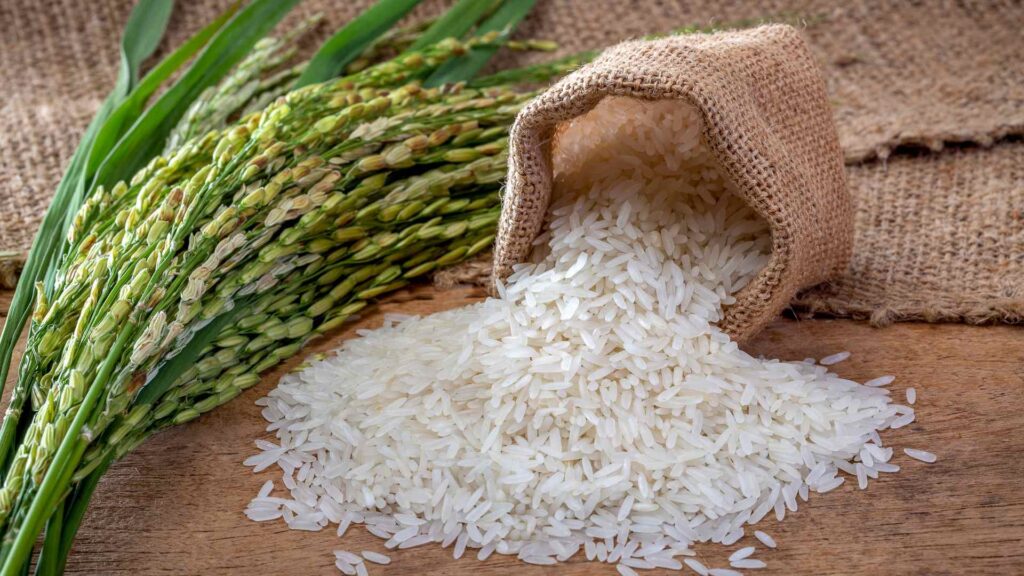
White rice and brown rice are both extras
White rice has the bran and germ removed, while brown rice retains those outer layers and usually has more fiber and a firmer texture. Neither is automatically superior for every dog.
A veterinarian may favor one form for a particular digestive or nutritional plan, but that decision depends on diagnosis and the complete recipe. Healthy dogs can usually tolerate a little of either when fully cooked and plain.
Brown rice can be chewier and may produce more stool or gas in a sensitive dog. White rice is easier to soften but still supplies calories that can displace balanced food.
Dry rice should not be offered
Uncooked rice is hard, difficult to chew, and poorly suited to a dog’s digestive tract. A handful can be gulped, while a torn bag adds plastic or paper to the incident.
Rice does not expand explosively inside a dog, but dry grains do absorb water and large amounts can cause discomfort. Call after a major dry-rice raid, choking, swallowed packaging, repeated vomiting, pain, bloating, appetite loss, or reduced stool.
Do not force water or another meal to push dry rice through. Let a veterinarian assess the amount, dog size, and symptoms.
How much is small?
There is no universal tablespoon table for every dog because size, calorie needs, medical conditions, and the rest of the diet vary. Begin with a modest bite, not a bowl.
The UC Davis veterinary treat guideline recommends keeping all treats and extras below 10 percent of daily calories. At least 90 percent should come from complete and balanced food.
Dogs with obesity, diabetes, calorie restriction, or a prescription diet may have little room for rice. A low-fat food can still be a large carbohydrate and calorie addition.
Rice is not a universal diarrhea remedy
Chicken and rice is widely repeated as a bland diet, but vomiting and diarrhea have many causes and different dogs have different nutritional needs. A home mixture can be incomplete and may delay care.
Puppies, seniors, toy breeds, diabetic dogs, and animals with kidney, liver, pancreatic, allergic, or chronic gastrointestinal disease deserve individualized advice. A dog who cannot keep water down may need fluid treatment, not rice.
Blood, repeated vomiting, severe diarrhea, pain, marked lethargy, weakness, dehydration, abdominal swelling, suspected toxin exposure, or symptoms lasting beyond the veterinarian’s monitoring window needs care. Do not keep adding rice until stool firms.
Our jasmine-rice guide focuses on that aromatic white variety and seasoned fried-rice risks. This broader guide covers the decisions shared across common rice types.
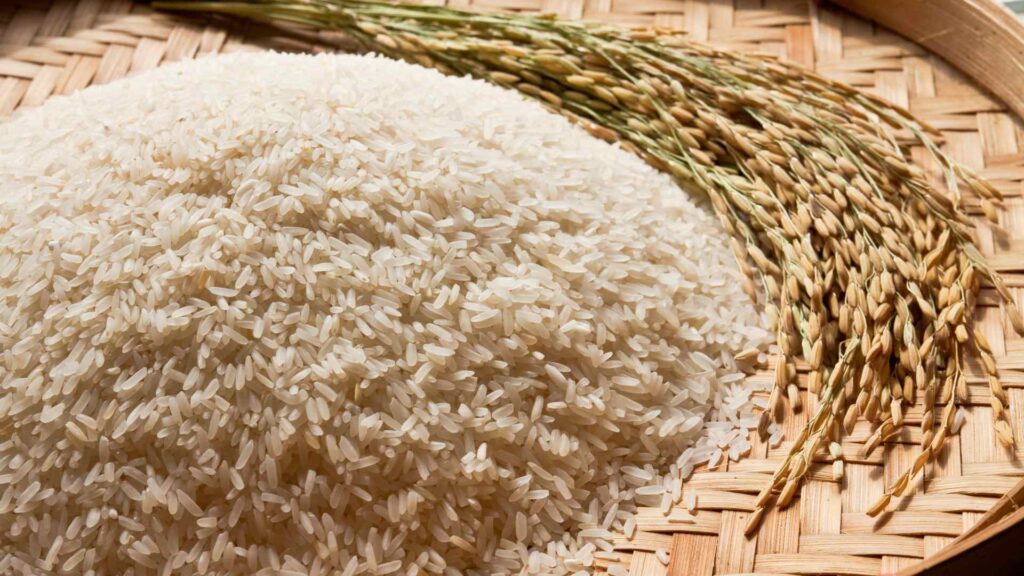
Arsenic deserves proportion, not panic
Rice can take up more arsenic from soil and water than some other crops, so long-term dietary variety and reputable sourcing matter. One small rice treat is not an acute arsenic-poisoning event.
The FDA arsenic-exposure guidance says rice can be part of a varied diet. It reports that cooking rice like pasta in excess water and draining can reduce inorganic arsenic by 40 to 60 percent, while also reducing enriched nutrients.
FDA also notes that rinsing polished or parboiled rice before cooking has minimal effect on arsenic and can wash away enriched vitamins and minerals. Follow package directions and the veterinarian’s recipe rather than assuming endless washing creates a therapeutic food.
The most important canine point is not to build an unbalanced homemade diet around one grain. Variety within a professionally formulated plan is different from randomly rotating table foods.
Cooked rice still needs food-safe storage
Cooked rice can support growth and toxin production by Bacillus cereus when held improperly. Reheating may not solve every problem because some preformed toxin is heat-stable.
The FDA laboratory overview of cereulide identifies cooked and fried rice among tested food matrices and explains that toxin can form in improperly stored food. This is a food-handling reason to chill leftovers promptly, not a claim that fresh rice is poisonous.
The FDA safe-food-handling guide advises dividing large leftovers into shallow containers for faster cooling. Refrigerate promptly, keep cold, and discard rice with an unsafe time-temperature history, mold, slime, or off odor.
Do not leave a rice pot or takeout carton at room temperature for the dog to finish later. A dog should not be the disposal route for leftovers people consider unsafe.
Fried rice is a recipe, not plain rice
Fried rice commonly contains oil, salt, soy sauce, onion, garlic, egg, meat, and vegetables. Restaurant portions can deliver substantial fat and sodium.
Our onion guide and garlic guide explain why cooked and powdered Alliums remain relevant. Save the takeout label or recipe.
Dogs with pancreatitis history, high triglycerides, heart disease, kidney disease, or prescribed fat or sodium limits should avoid fried rice. Repeated vomiting, marked pain, appetite loss, or severe lethargy warrants a call.
Broth, butter, and seasoning
Rice cooked in broth may contain onion, garlic, salt, or concentrated meat flavor. Butter, oil, coconut milk, cheese, and cream add fat and calories.
Pilaf can include raisins, currants, nuts, onion, garlic, and spice, while Spanish-style rice may include tomato, chile, and seasoned stock. Identify the whole dish before deciding rice is harmless.
Sushi rice and rice balls
Sushi rice contains vinegar, sugar, and salt, and rolls add raw or cooked fish, avocado, cream cheese, tempura, spicy mayonnaise, seaweed, and sauces. Wasabi, soy packets, skewers, and plastic grass can join the raid.
Rice balls may contain tuna mayonnaise, salted fish, pickles, seasoning, or seaweed. A small plain rice bite is not equivalent to swallowing a stuffed ball and wrapper.
Rice milk, cereal, cakes, and flour
Rice milk can contain sugar, oil, salt, vitamins, flavoring, or sweeteners and is not a replacement for water or complete food. Rice cereal may add iron, sugar, fruit, dairy, or other grains.
Rice cakes and crackers are dry, easy to gulp, and often salted or flavored. Mochi and other sticky rice products can form dense choking wads and may contain sweet bean paste, ice cream, chocolate, or xylitol.
Rice flour in cooked food is not inherently dangerous, but dry flour can irritate the airway and specialty baking mixes need a label review. Gluten-free does not mean dog-safe or nutritionally complete.
Allergy and elimination diets
Rice can be part of an adverse food reaction in an individual dog, but itching after fried rice does not prove rice allergy. Meat, egg, soy, seasoning, environment, parasites, and infection may be involved.
The Merck Veterinary Manual food-allergy review describes strict elimination and rechallenge as the reference method. No rice belongs in a diet trial unless the supervising veterinarian includes it.
What to do after a rice raid
- Identify dry, plain cooked, brown, white, fried, seasoned, old leftover, sushi, snack, milk, flour, or sticky rice product.
- Record amount, time, dog weight, symptoms, conditions, and medications.
- Save recipes and labels for salt, fat, broth, onion, garlic, raisins, sweeteners, and fillings.
- Count missing bags, cartons, lids, clips, wrappers, skewers, and desiccant packets.
- Call promptly for a large dry amount, unsafe old leftovers, dangerous co-ingredients, packaging, or significant symptoms.
A healthy adult dog that eats a small amount of fresh, fully cooked, plain rice and stays normal can usually be monitored. Keep water available and return to the complete diet.
Do not induce vomiting or give antidiarrheal medicine unless a veterinarian directs it. The form, symptoms, and suspected cause determine the response.
Frequently asked questions
Is white or brown rice better for dogs?
Neither is universally better. White rice is softer and lower in fiber, while brown rice is chewier and may not fit every digestive or medical plan.
Can rice stop diarrhea?
It is not a universal cure. Ask the veterinarian whether a temporary therapeutic diet is appropriate and when symptoms require examination.
Can dogs eat leftover rice?
Only if it was cooled, refrigerated, stored, and reheated safely and remains plain. Discard rice with an unsafe storage history.
Can dogs eat fried rice?
Do not offer it because oil, salt, soy sauce, onion, and garlic are common. Review the exact recipe after an accidental meal.
The bottom line
A little fresh, fully cooked, plain white or brown rice can be an occasional extra for many healthy adult dogs. It is not complete food and does not automatically treat digestive disease.
Dry rice, oversized portions, arsenic panic, old leftovers, fried rice, seasoned dishes, sticky products, and packaging each require context. Let the dog’s diagnosis and full diet lead.