Can Dogs Eat Snap Peas? Pods, Strings, Portions, and DCM Context
Yes, many healthy dogs can eat a few fresh snap pea pieces or soft snap peas cooked plain. The pod and peas are edible, but tough strings, whole pods, large amounts, canned sodium, rich seasonings, medical diets, and a dog that gulps food can change a cheerful crunch into a problem.
What counts as a snap pea?
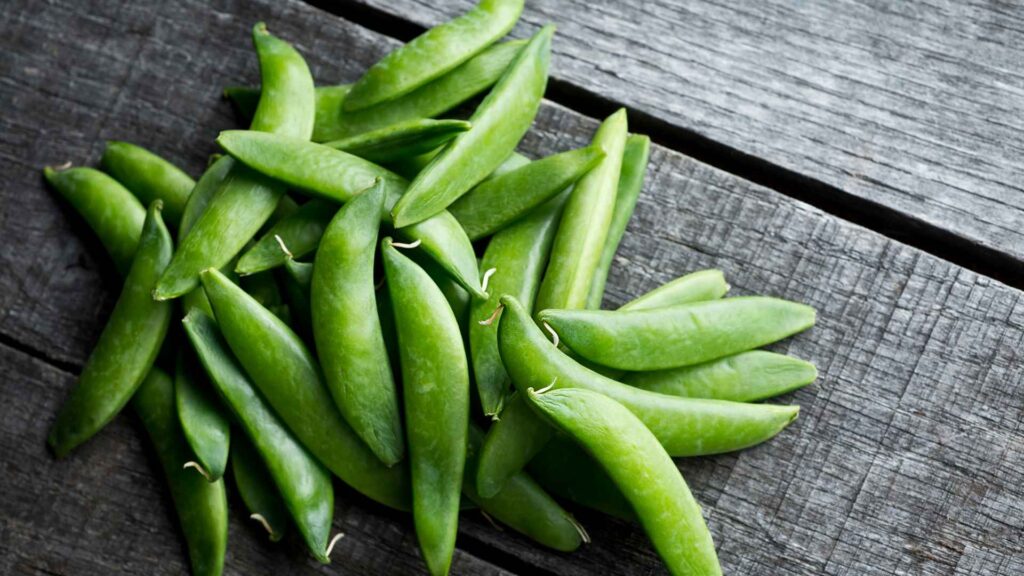
Sugar snap peas have a plump edible pod, unlike garden peas that are commonly shelled and snow peas with flatter pods. Names vary at stores, so identify the vegetable before copying preparation advice from another legume.
A sound fresh pod should be crisp rather than slimy, moldy, or fermented. The peas inside are not poisonous to dogs, and the pod can be offered after the string and stem end are removed.
Garden peas bring extra variables such as fertilizer, pesticide, slug bait, compost, stakes, ties, and an uncertain plant identity. Wash harvested pods, keep dogs out of treated beds, and save the product label if a garden chemical may have been swallowed.
Snap peas are optional food, not a vitamin prescription. A dog eating a complete diet already receives nutrients in balanced amounts, so a few pieces should stay in the treat lane.
Raw and cooked can both work
Wash fresh pods under running water, pull away any tough seam string, trim the stem end, and cut across the pod into small pieces. Supervise the first taste because a crunchy strip can be swallowed before it is chewed.
Steaming or boiling without salt can soften pods for a dog with mild dental limitations. Cool the pieces fully and do not add butter, oil, broth, garlic, onion, pepper, or sauce.
The FDA produce-safety guidance recommends rinsing produce under running water and keeping it separate from raw animal foods. Soap and detergent do not belong on snap peas.
Frozen snap peas
Plain frozen peas can be thawed and cut, but an icy clump or rock-hard whole pod creates a choking and tooth risk. Frozen food is not heat treatment or a hydration remedy.
Check frozen vegetable blends for sauce, butter, salt, garlic, onion, and other ingredients. A steam-in-bag product can be plain or heavily seasoned despite similar packaging.
Strings, pods, and choking
The fibrous seam is not chemically toxic, but it can be awkward to chew and may trigger gagging. Removing it takes seconds and makes the snack more predictable.
Cut pieces smaller for puppies, toy breeds, flat-faced dogs, dental patients, and enthusiastic gulpers. A whole pod is not a sensible size test for a dog that routinely swallows treats intact.
Coughing, pawing at the mouth, blue or pale gums, panic, or difficulty moving air is an emergency. Retching, repeated vomiting, a swollen abdomen, pain, or inability to keep water down can indicate an obstruction and also needs prompt care.
Canned peas are a label question
Canned snap peas are soft, but they may be packed with more sodium than a plain fresh serving. Check sodium per serving and the number of servings rather than treating all canned vegetables as identical.
Rinsing may remove some surface brine, but it does not turn a very salty product into a low-sodium prescription food. The Merck salt guide explains that excessive sodium becomes more dangerous when fresh water is restricted.
One rinsed piece from an ordinary can is not automatically salt poisoning. A missing can’s worth in a small dog, limited water, neurologic signs, or a sodium-restricted medical plan deserves a call with the label and amount.
Seasoned dishes are different foods
Stir-fries, casseroles, pot pies, fried rice, curries, and restaurant vegetable sides often add garlic, onion, butter, oil, salt, chile, cheese, or sauces. The snap peas may be the least important ingredient in the bowl.
Ask for the recipe and save the label. Powdered onion and garlic still count, and a sauce described only as savory or natural flavor may require manufacturer clarification.
Peas served beside French fries or rich meat do not cancel the fat and salt in the rest of the meal. Evaluate every component and the total amount.
Gas, stool changes, and allergy
A large pile of pods adds fermentable carbohydrate and fiber, which may bring gas, loose stool, abdominal noise, or vomiting. More fiber is not always better, especially when a dog is already having digestive symptoms.
A one-time soft stool does not diagnose pea allergy. Recurrent itching, ear disease, skin infections, vomiting, or diarrhea requires a veterinarian’s assessment and sometimes a controlled elimination diet.
Merck’s food-allergy guide explains why elimination followed by rechallenge is the reliable method. Do not add snap peas during a prescription food trial unless the supervising veterinarian approves them.
Snap peas and the DCM discussion
A few snap peas offered as a treat are not the same exposure as eating a formulated diet with pulse ingredients high on its ingredient list every day. Turning a whole-diet association into a claim that one pea is cardiotoxic misstates the evidence.
The FDA’s current non-hereditary DCM update says legumes are not known to be inherently dangerous and describes the issue as involving diet formulation, ingredient proportion, genetics, medical conditions, and other possible factors.
If peas or other pulses appear prominently in a dog’s main food, discuss the complete product and full diet history with the veterinarian rather than removing a random treat. Do not add taurine or switch diets abruptly based on a snap pea snack.
How much is reasonable?
No evidence-based snap-pea chart assigns pods by breed size. The WSAVA treat guide recommends keeping all extras below 10 percent of daily calories, and a first taste should be far below that ceiling.
Offer one small cut piece and wait to see how the dog handles the texture and fiber. A successful first taste does not make an unlimited bowl appropriate.
A crunchy pod does not brush teeth or replace veterinary dental care. Pieces can lodge around painful teeth, and dogs with oral disease may need a softer approved reward instead of a vegetable chosen for crunch.
Dogs with kidney disease, heart disease, diabetes, pancreatitis, intestinal disease, swallowing problems, or prescription diets need personalized approval. Puppies need most of their limited stomach space for complete growth nutrition.
A five-step serving routine
- Identify fresh, frozen, canned, or seasoned snap peas and read every label.
- Wash fresh pods, remove the stem and string, and discard spoiled pieces.
- Serve raw or cook plain, then cut across the pod into easy-to-chew pieces.
- Offer one small piece while supervising instead of mixing an unknown amount into the bowl.
- Refrigerate leftovers promptly and keep bags, clips, cans, and lids away from dogs.
Do not use snap peas to treat constipation, diarrhea, obesity, dehydration, vitamin deficiency, or heart disease. Medical nutrition works through a complete plan, not one fashionable vegetable.
Refrigerate cut or cooked peas promptly in a clean covered container and discard spoiled leftovers. A slimy pod, sour odor, visible mold, or a bowl contaminated by raw meat is not rescued by rinsing or reheating.
What to do after a snap pea raid
- Estimate the number or package amount and the earliest and latest possible time.
- Identify plain pods, canned brine, sauce, butter, seasoning, mixed dishes, and other ingredients.
- Record the dog’s weight, symptoms, conditions, medications, water access, and normal diet.
- Account for plastic bags, cans, lids, clips, steam pouches, skewers, and produce bands.
- Call for choking, significant symptoms, a large salty or seasoned amount, medical restrictions, or missing packaging.
A healthy adult dog that ate a few plain pieces and remains normal can usually be monitored with ordinary fresh water available. Return to the regular complete diet and avoid adding other unusual foods that day.
Do not induce vomiting or give oil, salt, milk, charcoal, antacids, or human gas medicine unless a veterinarian directs it. The response depends on texture, ingredients, amount, time, and symptoms.
How snap peas compare with other legumes
Snap peas are eaten fresh with their pods, while chickpeas require cooking and often appear in seasoned hummus. The preparation rules are not interchangeable.
Fully cooked plain lima beans raise raw-legume questions that a fresh snap pea does not. The celery guide is a better comparison for strings and long fibrous pieces.
Frequently asked questions
Can dogs eat the pod?
Yes, the fresh edible pod can be offered after washing, trimming, string removal, and cutting. Skip tough, spoiled, or oversized pieces.
Are canned snap peas toxic?
Not inherently, but brine and sodium can make them a poor choice. Read the can and use fresh or plain frozen peas when practical.
Do snap peas cause canine DCM?
A few treat pieces are not equivalent to a long-term complete diet high in pulse ingredients. Current evidence does not show that legumes are inherently dangerous.
Can snap peas help a constipated dog?
Do not use them as constipation treatment. Causes range from dehydration to pain or obstruction, and extra fiber can make some cases worse.
The bottom line
Fresh or plain cooked snap peas can be an occasional crunchy extra for many healthy dogs. Remove strings, cut the pod, keep the portion small, and supervise chewing.
Canned brine, seasonings, large amounts, medical diets, tough pieces, and packaging change the answer. Keep DCM claims focused on whole-diet formulation, not treat-level pea toxicity.