Can Cats Eat Beets? Plain Pieces, Red Pigment, Greens, and Pickles
A healthy adult cat can usually sample one tiny, soft piece of plain cooked beet. Beets are optional plant food, not feline nutrition, and raw chunks, tough greens, pickling brine, onion seasoning, concentrated powder, and alarming red stains all require a more careful answer.
Beets in the bowl: the quick sorting guide
| Beet form | Practical cat answer | Main detail |
|---|---|---|
| Plain boiled or roasted root | One very small soft piece at most | No salt, oil, butter, garlic, onion, or glaze. |
| Raw beet | Do not offer | Hard texture, choking, poor digestibility, and surface contamination add risk. |
| Canned beet | Usually skip | Brine, sodium, sugar, and seasonings vary. |
| Pickled beet | Keep away | Salt, sugar, vinegar, spices, and Alliums may appear. |
| Beet greens and stems | Not a casual treat | Tough fiber and oxalate content complicate medical diets. |
| Beet juice | Unnecessary | A cat can lap a concentrated amount quickly, and blends add ingredients. |
| Powder, chips, or supplement | Assess the exact product | Concentration, dust, salt, oil, sweeteners, and other botanicals matter. |
Why one plain piece is enough
Cats have no dietary requirement for beetroot. Their nutritional needs are met through an appropriately formulated animal-based diet, so any vegetable is an extra competing for a small calorie allowance.
The FDA explains that complete and balanced pet food must meet an established nutrient profile or pass an appropriate feeding trial. A beet’s vitamins and fiber do not provide that complete feline pattern.
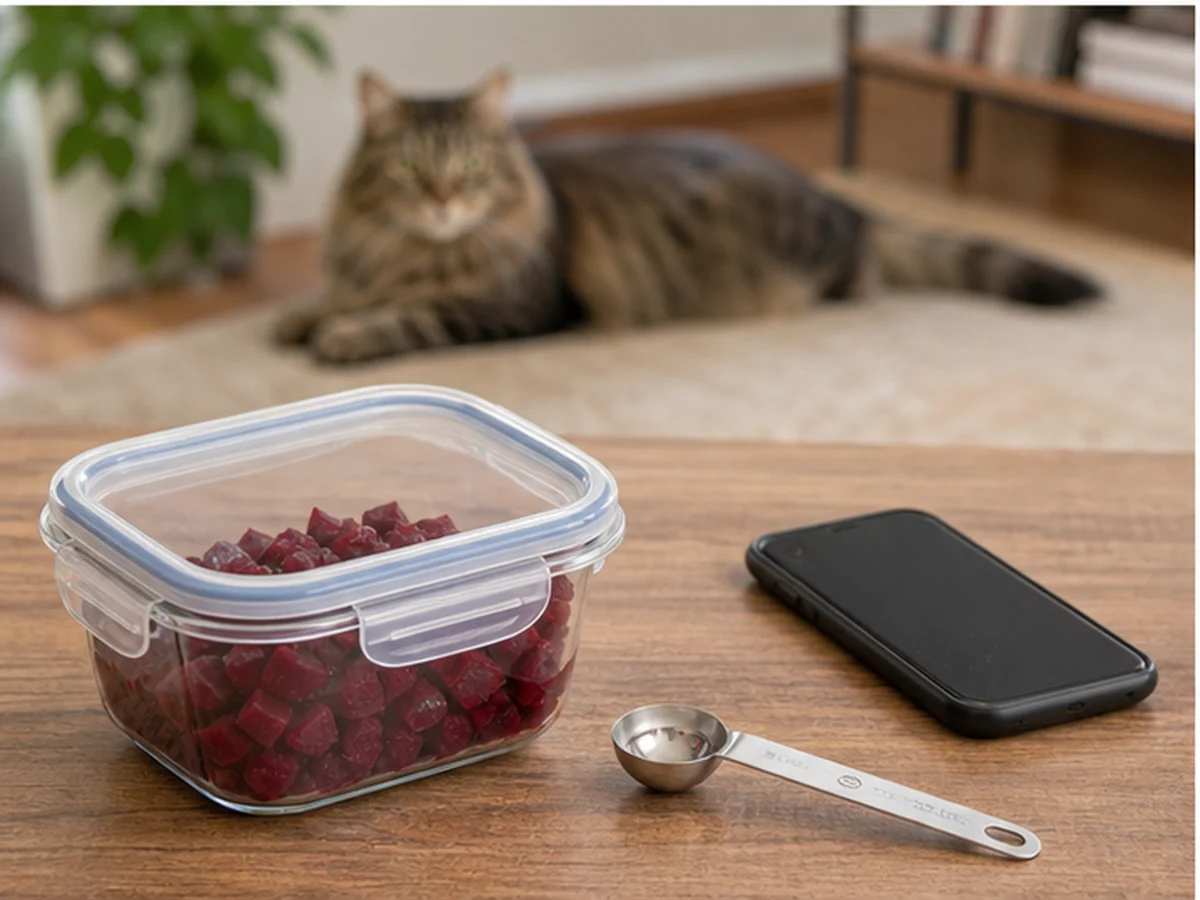
For a healthy cat that enjoys novelty, a pea-size cube of fully cooked root is plenty for a first and probably final tasting. Flatten or mince it for a cat that tends to inhale treats.
Do not increase the amount simply because the first piece stayed down. Larger servings can cause gas, loose stool, vomiting, or reduced interest in the normal meal.
Preparation should make the beet boring
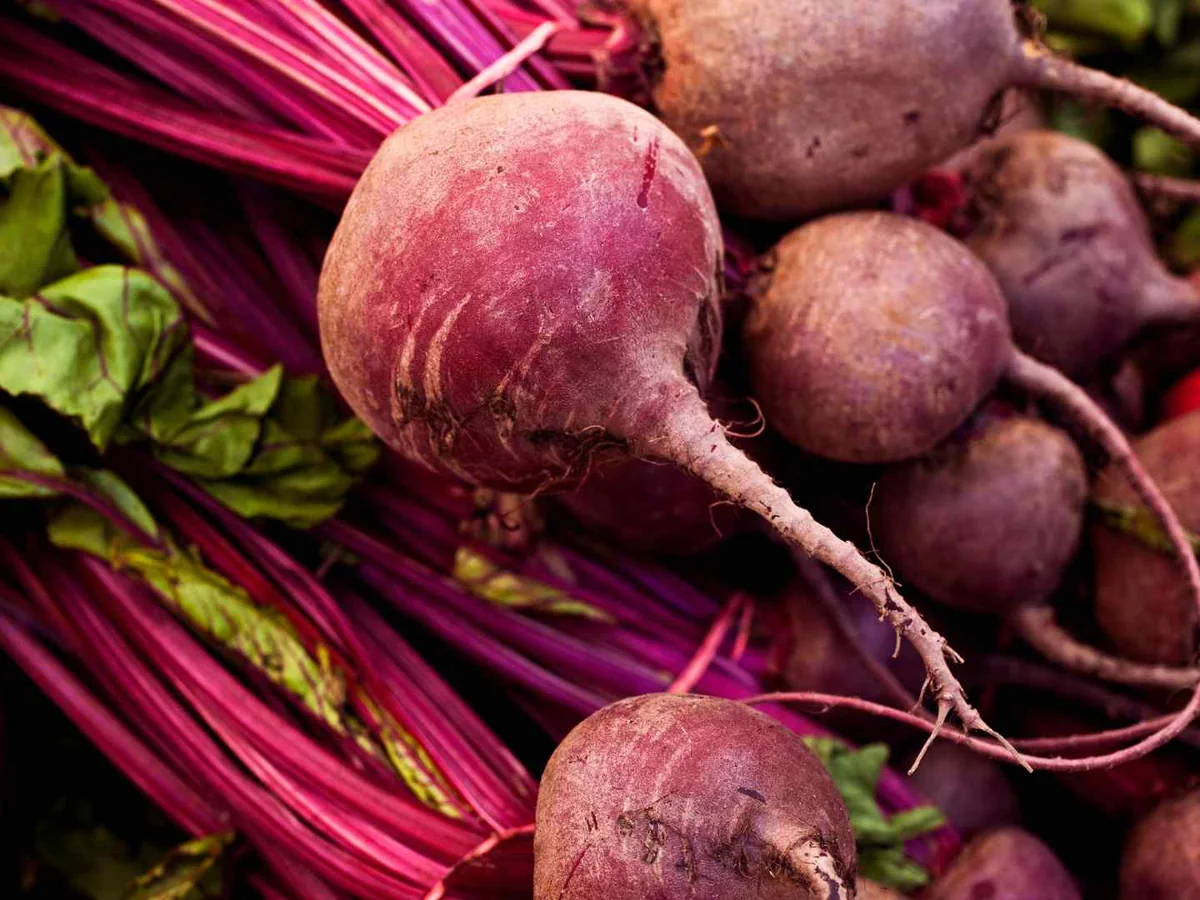
Rinse the whole root before peeling or cutting so the knife does not carry surface dirt inward. The FDA recommends washing produce under running water without soap or detergent and discarding rotten areas.
Boil, steam, or roast until the beet is soft, then cool it completely. Remove tough skin, trim stem tissue, and serve without oil, salt, butter, cheese, honey, vinegar, or spices.
Use a clean board and utensils that have not just handled raw meat. Refrigerate cooked pieces promptly and discard anything slimy, moldy, sour-smelling, or held at an unsafe temperature.
The same simple preparation logic appears in our carrot guide for cats, although root vegetables differ in texture and composition. “Both grow underground” is not a nutritional equivalence test.
Raw beet is a physical problem before it is a nutrient
A raw beet is dense and hard enough to challenge feline teeth. A cube may lodge in the throat, while a larger swallowed chunk can be difficult to digest or pass.
Grating changes the choking shape but scatters pigment and fibrous shreds across the mouth, floor, and coat. A cat who grooms red pulp later may eat more than the first inspection suggests.
Gagging, repeated swallowing, drooling, mouth-pawing, regurgitation, or breathing effort after a chunk disappears needs immediate attention. Do not push the food deeper with a finger or force water into the mouth.
The red color can confuse the next health check
Beet pigments can stain the lips, fur, vomit, food residue, and stool a vivid red or purple. That history can help a veterinarian interpret what you see, but it should never be used to dismiss blood automatically.
Red, pink, brown, or orange urine in a cat deserves prompt veterinary discussion. Blood in urine can accompany painful urinary disease, and a blocked urethra can become fatal quickly.
Cornell lists blood in the urine, painful urination, frequent attempts, crying in the box, and genital licking among feline lower urinary tract signs. Producing little or no urine while straining is an absolute emergency, especially in a male cat.
Take a photograph of the stain and note when beet was eaten, but do not delay a clinic trip to run a home pigment experiment. Urinalysis, examination, and sometimes imaging are what distinguish pigment from disease.
Oxalates need proportion and medical context
Beets and especially beet greens contain oxalates, which often prompts sweeping internet claims about stones. One tiny root piece has not been shown to create a urinary stone on contact.
Stone formation is a complex process involving urine chemistry, concentration, diet, health, and individual risk. Cats with a calcium oxalate history or a therapeutic urinary diet should receive only foods approved by their veterinarian.
Do not add beet powder or greens as a homemade fiber or mineral supplement. Concentrated, repeated use is a different question from an accidental bite and can undermine carefully formulated medical nutrition.
Our spinach guide discusses similar oxalate nuance without declaring every leaf poisonous. Diagnosis and dose matter more than a dramatic ingredient list.
Beet greens, stems, and garden access
Young beet leaves are eaten by people, but a cat gains no advantage from their fibrous texture or mineral complexity. Large stems can be stringy, and wilted garden waste may carry fertilizer, pesticide, slug bait, mold, or compost contamination.
Keep cats away from treated beds and retain every garden-product label. Organic fertilizer can still cause illness or contain attractive animal-derived ingredients that encourage a much larger ingestion.
Plant nibbling followed by vomiting may be simple irritation, but repeated vomiting, weakness, drooling, tremors, breathing changes, or an unknown chemical exposure warrants a call. Send clear photographs of the plant and product packaging.
Canned beets may carry more than water
A no-salt-added canned beet has fewer variables than a seasoned jar, but it remains optional and can be very soft and easy to over-serve. Check whether the liquid contains salt, sugar, vinegar, flavoring, or preservatives.
Rinse only if the veterinarian says a small taste fits the diet, and never let a cat lick the sharp lid or inner can rim. Transfer human leftovers to a covered container instead of storing them in an opened can.
Swollen, leaking, spurting, badly dented, or foul-smelling cans should be discarded safely. Tasting questionable food is not an acceptable test for either species.
Pickled beets are a condiment
Pickling introduces vinegar, salt, sugar, and spices, while some recipes add onion or garlic. Those ingredients matter more than the fact that the main object began as a beet.
Allium seasonings can damage feline red blood cells, and the risk does not vanish during cooking or pickling. Call about a known onion or garlic exposure even if the cat appears comfortable at first.
Our pickle guide for cats covers brine, jar lids, spices, and homemade recipes. Beet brine is not a hydration drink and should not be poured over cat food.
Borscht, salads, hummus, and side dishes
Borscht recipes may include onion, garlic, stock, salt, meat fat, sour cream, cabbage, vinegar, and herbs. A spoonful of red soup cannot be assessed by beet content alone.
Beet salads can add goat cheese, walnuts, raisins, dressing, garlic, or onion. Roasted restaurant beets may be glazed with honey, butter, oil, balsamic reduction, and seasoning.
Beet hummus commonly contains chickpeas, tahini, lemon, garlic, salt, and oil. Garlic is the immediate safety concern, while rich fat and unfamiliar fiber may add digestive upset.
If cooked onion is part of the stolen dish, our onion article explains delayed anemia signs and why heat does not provide protection. Save the recipe instead of estimating by taste.
Juice, smoothies, powders, and chips
Beet juice removes the clear portion boundary of a solid cube. Bottled products may mix apple, grape, lemon, ginger, carrot, sugar, salt, or supplements, while fresh juice creates additional food-safety and pulp-cleanup questions.
Powder is dehydrated and concentrated, can become airborne, and may be blended into pre-workout products with caffeine. Prevent grooming after a spill and seek urgent care for persistent coughing, eye pain, breathing difficulty, tremors, or collapse.
Beet chips are hard and often coated in oil and salt. Pieces can choke, bags can be swallowed, and the bright color makes it difficult to tell whether later red residue is food or blood.
Cats who should stay with the prescribed menu
Kittens, diabetic cats, cats with chronic bowel disease, and animals with urinary stones or prescription diets should not receive casual beet additions. An elimination diet also fails when an unapproved plant protein appears.
Cats with dental pain or swallowing disorders should avoid slippery cubes and hard raw pieces. A spoonful of their normal wet food is a safer reward with known texture and calories.
What to do after a beet incident
- Identify the form: raw root, cooked cube, greens, canned product, pickle, soup, juice, powder, chips, or supplement.
- List the additions: onion, garlic, brine, dairy, nuts, raisins, caffeine, sweetener, oil, and spices.
- Describe the red evidence: photograph stained fur, vomit, stool, litter, or urine and report urinary behavior.
- Find physical hazards: locate the can lid, jar glass, packet, straw, chip bag, stems, and vegetable peeler debris.
- Escalate symptoms: choking, inability to urinate, repeated vomiting, severe pain, marked lethargy, tremors, or collapse requires urgent care.
For one soft plain piece in a healthy cat with normal behavior, return to the regular food and monitor digestion. Do not induce vomiting or give a home urinary remedy.
Frequently asked questions
Can cats eat cooked beets?
A pea-size plain, cooled, soft piece is generally a low-risk occasional taste for a healthy adult. It offers no necessary nutrient and should not crowd out balanced cat food.
Can beets turn a cat’s urine red?
Pigment might confuse the appearance of waste, but red urine must not be assumed harmless. Contact a veterinarian, and treat straining with little or no urine as an emergency.
Can cats eat beet greens?
They are not a useful cat treat and can be tough, oxalate-rich, or contaminated with garden products. Keep them out of reach, particularly for cats on urinary diets.
Are pickled beets safe for cats?
No planned serving is appropriate because brine, salt, sugar, vinegar, spices, and Alliums may be present. Check the jar after a theft and call about onion or garlic.
Bottom line
A minuscule plain cooked beet can be harmless fun, but the red color should never explain away urinary blood. Keep raw chunks, greens, brine, powders, and mixed dishes out of the bowl, and let normal urination remain more important than vegetable trivia.