Can Cats Eat Bologna? Sodium, Seasoning, Fat, and Packaging
A tiny piece of bologna is unlikely to poison most healthy adult cats, but this processed deli meat is too salty, fatty, and variable for routine feeding. Garlic, onion, spices, smoke flavor, cheese, pistachios, raw preparation, casing, plastic film, metal clips, sandwiches, and medical diets can raise the stakes.
Read the label before reassuring yourself
Remove the package and identify beef, pork, poultry, mixed meat, ring bologna, mortadella, garlic bologna, reduced sodium, or plant-based slices. Record amount, time, cat’s weight, symptoms, and any missing casing or separator film.
- One tiny plain deli shred: offer water and observe for digestive upset or thirst.
- Several slices, ring bologna, or a cat with kidney or heart disease: call for tailored guidance.
- Garlic, onion, alcohol, bone, medication, string, casing, clip, or missing plastic: seek prompt veterinary advice.
- Collapse, breathing trouble, seizures, severe weakness, pale gums, or repeated vomiting: use emergency care.
Do not make the cat vomit or force water. Count slices and packaging rather than estimating from the packet’s remaining thickness.
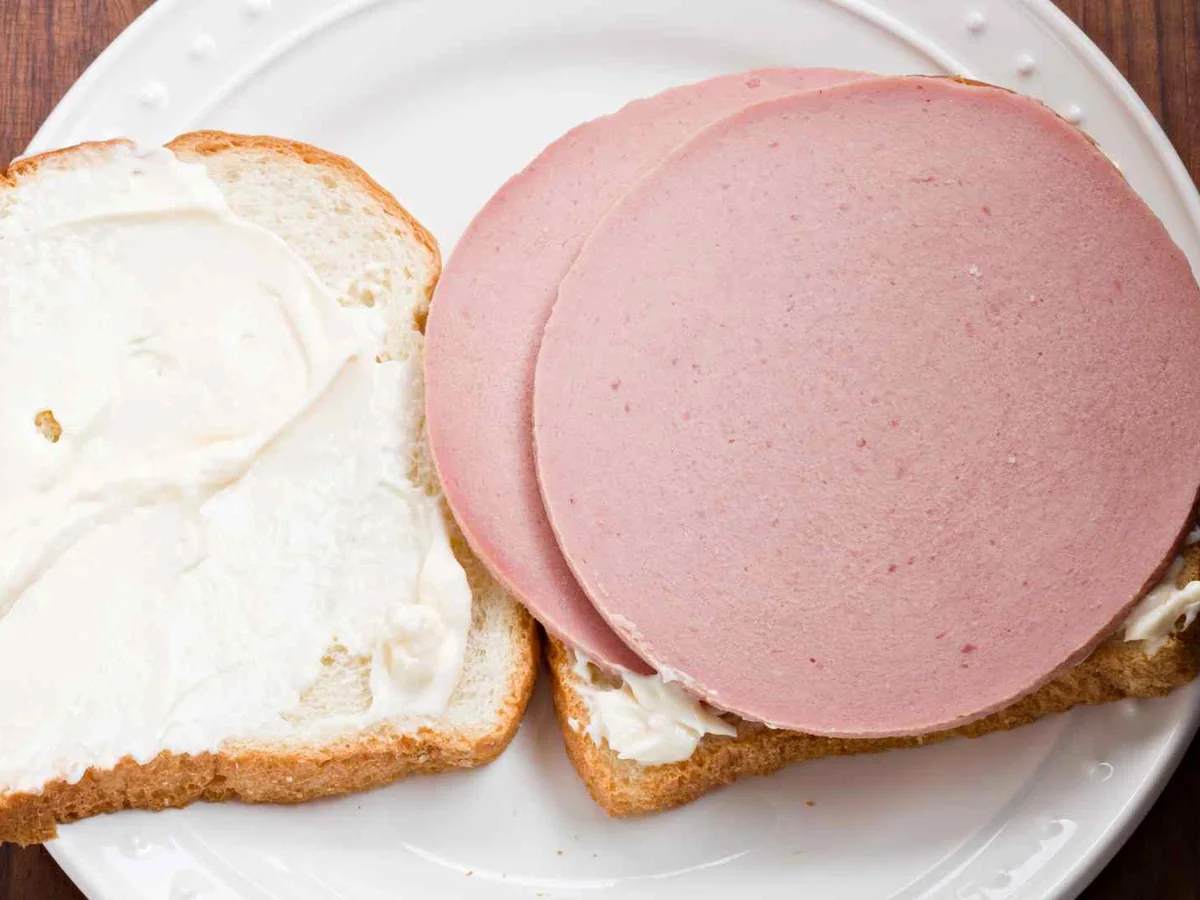
Bologna is formulated as human processed meat
Recipes combine finely ground meat with water, fat, salt, curing ingredients, spices, sweeteners, smoke, binders, and preservatives. The exact formulation varies across brands and regional styles.
Meat in the ingredient list does not make the slice complete cat food. Processing changes sodium and fat, while muscle meat alone still lacks a balanced feline nutrient profile.
Sodium is the most predictable concern
Curing and seasoning make bologna much saltier than a plain cooked meat morsel. Thin slices fold into a dense mouthful that a cat can swallow rapidly.
The Merck salt toxicosis chapter describes thirst, digestive illness, incoordination, tremors, and seizures after excessive exposure. A small shred is not equivalent to severe toxicosis, but multiple slices or restricted water access warrants a call.
Garlic and onion may be subtle
Garlic bologna is obvious, but spice blends, broth, flavor, onion powder, and garlic powder can appear in other products. Cooking and curing do not neutralize Allium toxicity.
The Merck Allium reference notes cats’ sensitivity to oxidative red-cell damage and delayed anemia. Save the label and call after a meaningful seasoned serving rather than waiting for weakness.
Fat and calorie density
Processed emulsified meat can contain substantial fat, and cheese-filled or fried bologna adds more. Rich portions may trigger vomiting or diarrhea and interfere with weight management.
A cat with previous pancreatic or gastrointestinal disease needs individualized advice. Visible appetite for bologna is not evidence that the gut welcomes it.
Curing agents and preservatives
Labels may list sodium nitrite, phosphates, erythorbate, lactate, acetate, corn syrup, or other formulation ingredients. Their regulated use in human food does not establish a beneficial feline serving.
Avoid alarmist claims that one preservative molecule is poison, but avoid routine feeding too. The whole processed product is salty, energy-dense, and nutritionally unnecessary.
Ring bologna and casing
Ring products can have natural, collagen, cellulose, or plastic casings, sometimes secured with string or metal clips. Determine whether the casing is intended to be removed and whether any part is missing.
Coughing, gagging, repeated swallowing, vomiting, appetite loss, abdominal pain, or reduced stool after casing ingestion needs attention. Metal and string make improvised vomiting particularly unsafe.
Mortadella is related but not identical
Mortadella may contain visible fat cubes, pistachios, spices, peppercorns, or other inclusions. Nut fragments and whole spices add choking, fat, and seasoning questions.
Our guides to pistachios and pepperoni can help compare components. The original product label still has priority.
Plant-based bologna is not made for cats
Meatless slices may contain pea or soy protein, wheat, oils, starches, salt, onion, garlic, smoke flavor, and vitamins selected for people. “Plant based” removes meat without supplying feline nutritional completeness.
Cats are obligate carnivores and require a correctly balanced diet. Do not infer suitability from vegan branding or protein grams on a human nutrition panel.
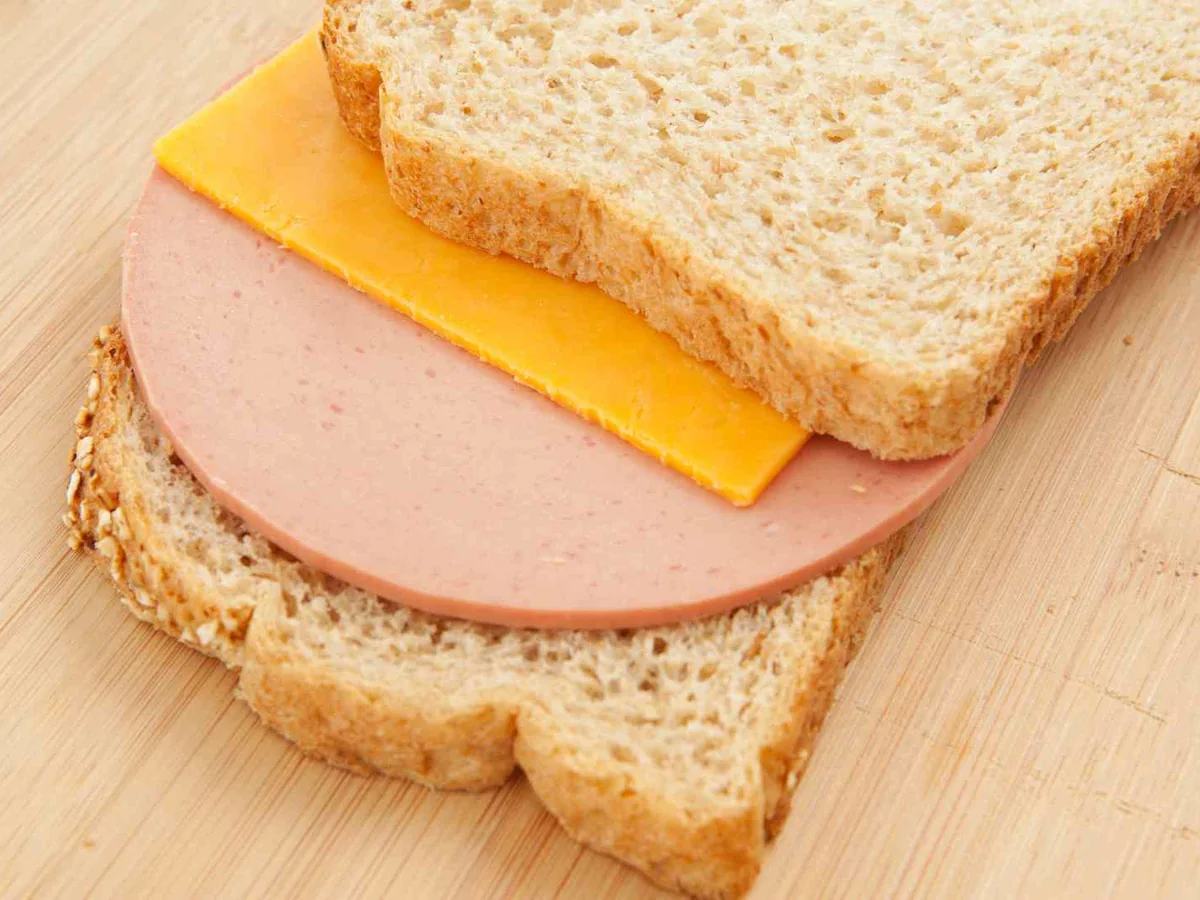
Sandwiches add a full supporting cast
A stolen sandwich can add bread, mayonnaise, mustard, onion, pickles, cheese, avocado, raisins, toothpicks, and plastic wrap. Assess every layer.
See our guides to bread, pickles, and cheese. Do not report only bologna if a toothpick is missing.
Fried bologna and breakfast plates
Frying adds oil or butter and can leave meat hot enough to burn. Breakfast plates may add onion-seasoned eggs, bacon, coffee, syrup, or medication.
Cool any approved plain meat taste fully, but skip the bologna itself. Drooling, mouth pawing, or food refusal after a hot theft needs an oral examination.
Raw handling and food safety
Some ring products require cooking, and deli machinery or hands can contaminate ready-to-eat meat after processing. Read safe-handling instructions instead of judging doneness by pink color.
The FDA raw animal-food guidance explains bacterial risks to pets and households. Wash hands and surfaces, refrigerate promptly, and mention raw exposure if fever, vomiting, diarrhea, lethargy, or appetite loss occurs.
Deli storage and spoilage
Follow refrigeration and use-after-opening directions. Discard meat that is slimy, moldy, foul-smelling, swollen in its package, or held unsafely.
Reheating does not reverse every microbial toxin. Keep the label and lot code if illness or a recall may be involved.
Plastic separators and absorbent pads
Thin film between slices can disappear with folded meat, and absorbent pads smell strongly of drippings. Both can obstruct.
Check beneath the counter before assuming ingestion. Recurrent vomiting, painful belly, appetite loss, straining, or low energy after missing material needs veterinary care.
Therapeutic diets and pill hiding
Kidney, heart, urinary, hypertension, gastrointestinal, and weight plans may limit sodium, fat, minerals, calories, or ingredients. Bologna is a poor improvised pill wrap.
Ask about a compatible commercial pill treat or a dab of usual wet food. If a medicated piece was partly eaten, call before repeating the dose.
A safer meat option
When the veterinarian permits table meat, choose a pea-sized shred of plain, lean, fully cooked meat with no bone, skin, salt, seasoning, or sauce. Set it aside before preparing the family meal.
The Cornell feeding overview keeps complete food at the center and extras limited. A portion of the regular ration is even easier.
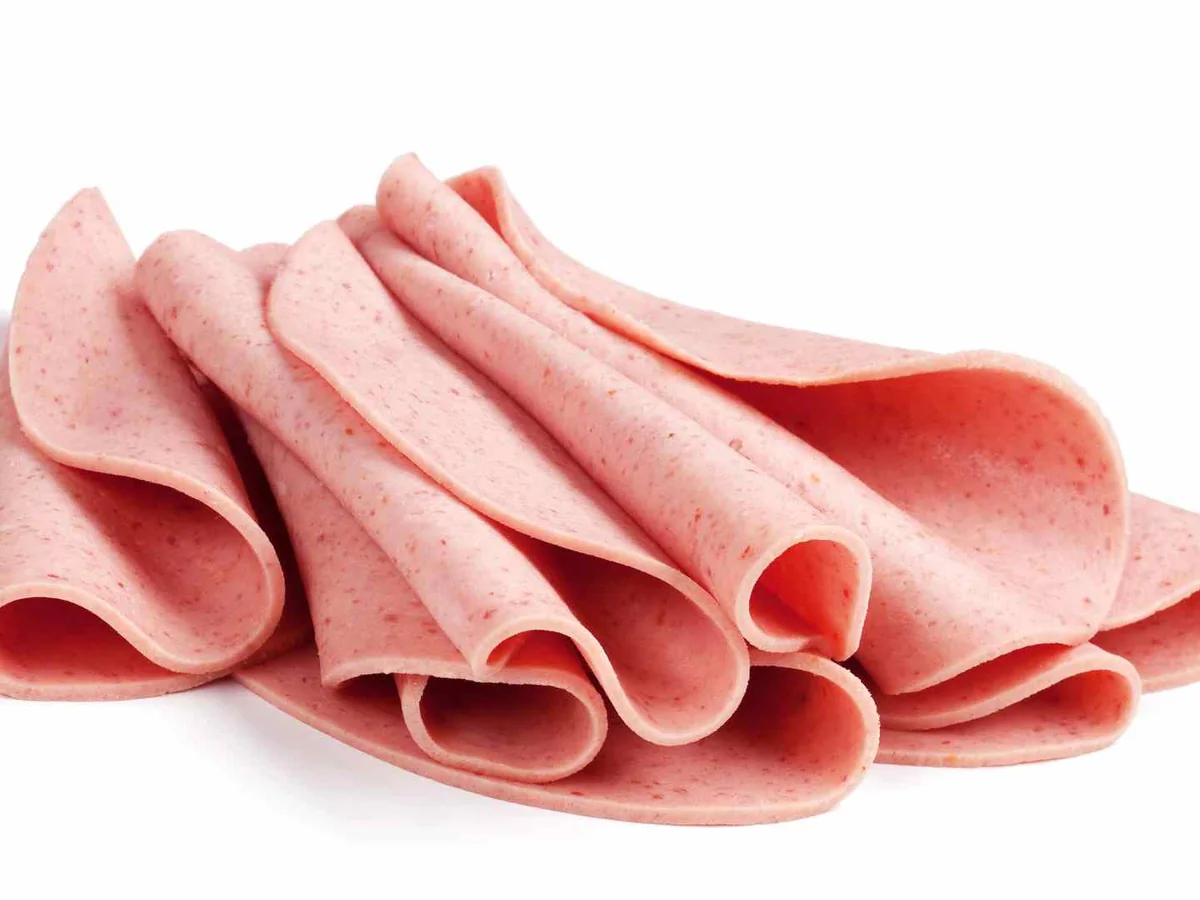
Deli-counter cross-contact
A shared slicer may contact salami, pepperoni, cheese, garlic-seasoned meat, or cleaning residue. An unpackaged slice can have less ingredient certainty than a sealed product.
Tell the veterinarian it came from a deli and name neighboring products. Do not invent certainty where labeling is unavailable.
Smoke flavor and smoked products
Smoke flavor may be added during formulation, while some ring bologna is physically smoked. Neither process makes the meat beneficial or removes salt and seasoning.
A smokehouse product can also have netting, string, clips, and tough casing. Inventory all hardware after a theft.
Dental and swallowing concerns
Soft slices can fold into a slippery plug and be gulped without chewing. Cats with esophageal disease or oral pain are particularly poor candidates.
Gagging, neck extension, drooling, repeated gulping, coughing, or noisy breathing needs immediate attention. Do not push another bite downward.
Bologna water is not broth
Liquid collecting in the package contains dissolved salt, meat juices, and additives. Pouring it over cat food can deliver a larger processed-meat exposure than one shred.
Discard liquid safely and wash the counter. Leave ordinary fresh water available instead.
What delayed Allium signs look like
After onion or garlic exposure, weakness, pale or yellow gums, rapid breathing, dark urine, and poor appetite may not appear immediately. Follow the veterinarian’s stated monitoring window.
Do not use a normal first evening as permission for another serving. The recipe remains relevant after the cat stops looking guilty.
Overweight cats should resume normal plans
Do not compensate for stolen deli meat by withholding the next day’s food. Abrupt or prolonged under-eating in cats can contribute to dangerous hepatic lipidosis.
Resume the measured plan unless the veterinarian says otherwise and record the extra. Weekly weight trends are more useful than punishment after a raid.
Bologna used during training
Its strong smell makes bologna tempting as a reward, but tiny repetitions rapidly become a slice. Sodium and calories are difficult to control when pieces are torn casually.
Use measured feline treats or regular kibble and keep sessions brief. Training success does not require cured meat.
Preventing refrigerator theft
Store opened packets in a rigid lidded container, clean deli drawers, and discard separator film immediately. A loose zipper bag is not a serious obstacle for a motivated cat.
Feed the cat before packing lunches and keep sandwiches closed. Kitchen timing is a surprisingly effective safety tool.
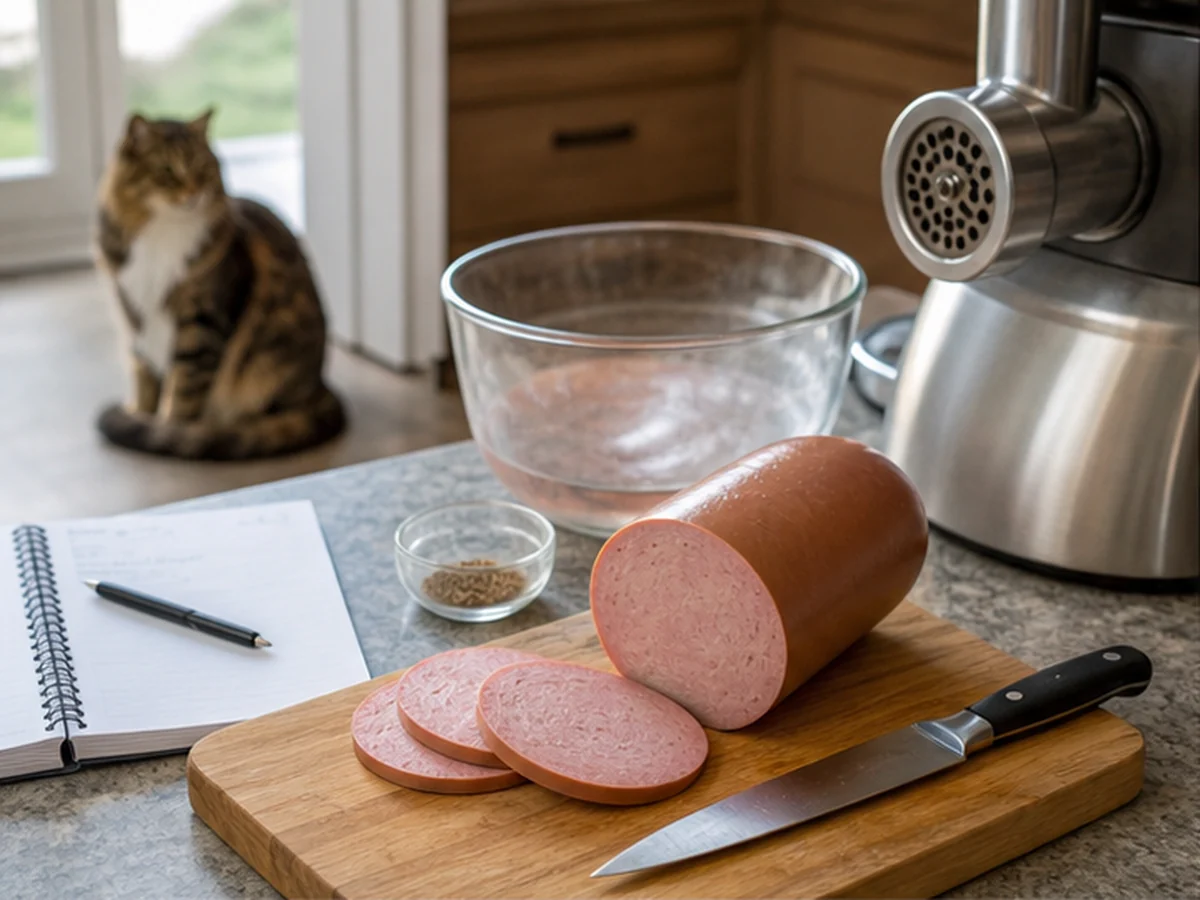
Homemade bologna still needs a recipe audit
Home curing can vary in salt, nitrite, smoke, spice, temperature control, casing, and storage. A familiar kitchen does not guarantee a safer product.
Save curing-mix labels and cooking records after a theft. Improperly processed meat can create bacterial or toxin concerns beyond ordinary deli slices.
Bologna scraps in rubbish
Trash may combine cured meat with onion, coffee grounds, mold, bones, dental floss, foil, and plastic. The meat odor can lead a cat to swallow the less visible material.
List everything accessible for the veterinary call and secure the bin afterward. A lid with a latch is more reliable than a heavy bag.
How to observe a low-risk shred
Watch comfortable swallowing, normal breathing, appetite, thirst, activity, urine, and stool over the next day. Mild thirst or soft stool may follow salt or fat.
Call if vomiting repeats, thirst is extreme, the cat becomes weak, gums change color, or normal food is refused. Ingredient timing helps distinguish immediate digestive upset from delayed red-cell injury.
Frequently asked questions
Can kittens eat bologna?
Skip it. Kittens require complete growth food and have tiny calorie budgets and airways.
Is low-sodium bologna safe?
Lower sodium is relative to another deli meat, not a feline health claim. Seasoning, fat, casing, and diet balance still matter.
What if my cat ate one slice?
Save the label and call if it was heavily seasoned, the cat is medically restricted, or symptoms occur. Check all packaging.
The bottom line
One tiny bologna shred is usually a minor event, but this salty processed meat should not become a cat treat. Allium seasoning, fat, raw handling, casings, sandwiches, symptoms, packaging, and therapeutic diets change the response.