Can Cats Eat Cornbread? Recipes, Add-Ins, Batter, and Mold
A tiny crumb of plain, fully baked cornbread is usually low risk for a healthy adult cat, but it is not a useful treat. Raw batter, onion or garlic, jalapeño, cheese, bacon, heavy butter, sugar-free sweeteners, mold, hot skillets, wrappers, and oversized chunks deserve much closer attention.
Cornbread is a recipe, not a single food
One pan may contain cornmeal, flour, egg, milk, oil, and a little salt, while another adds sugar, honey, bacon drippings, cheddar, creamed corn, jalapeños, onion, sausage, or a sugar substitute. A restaurant square and a homemade muffin can share the name without sharing the risk profile.
Ask for the recipe or save the package before deciding what the cat encountered. The most useful details are baked versus raw, amount, temperature, add-ins, pan grease, storage, mold, and any paper, foil, skewer, or silicone liner that disappeared too.
| Cornbread form | General cat answer | Main issue |
|---|---|---|
| Plain fully baked crumb | Usually low risk in a tiny amount | Unnecessary starch and calories rather than toxicity. |
| Sweet cornbread | Do not offer routinely | Sugar, honey, syrup, and calorie density. |
| Savory loaded bread | Recipe review required | Onion, garlic, bacon, cheese, salt, jalapeño, and stock. |
| Raw batter | Keep away and call after a large exposure | Raw egg, flour, leavening, salt, and uncertain ingredients. |
| Moldy bread | Discard securely | Fungal toxins can cause neurologic illness. |
| Hot skillet bread | Burn hazard | Cast iron, steam, grease, and a hot center retain heat. |
What a plain baked crumb does and does not offer
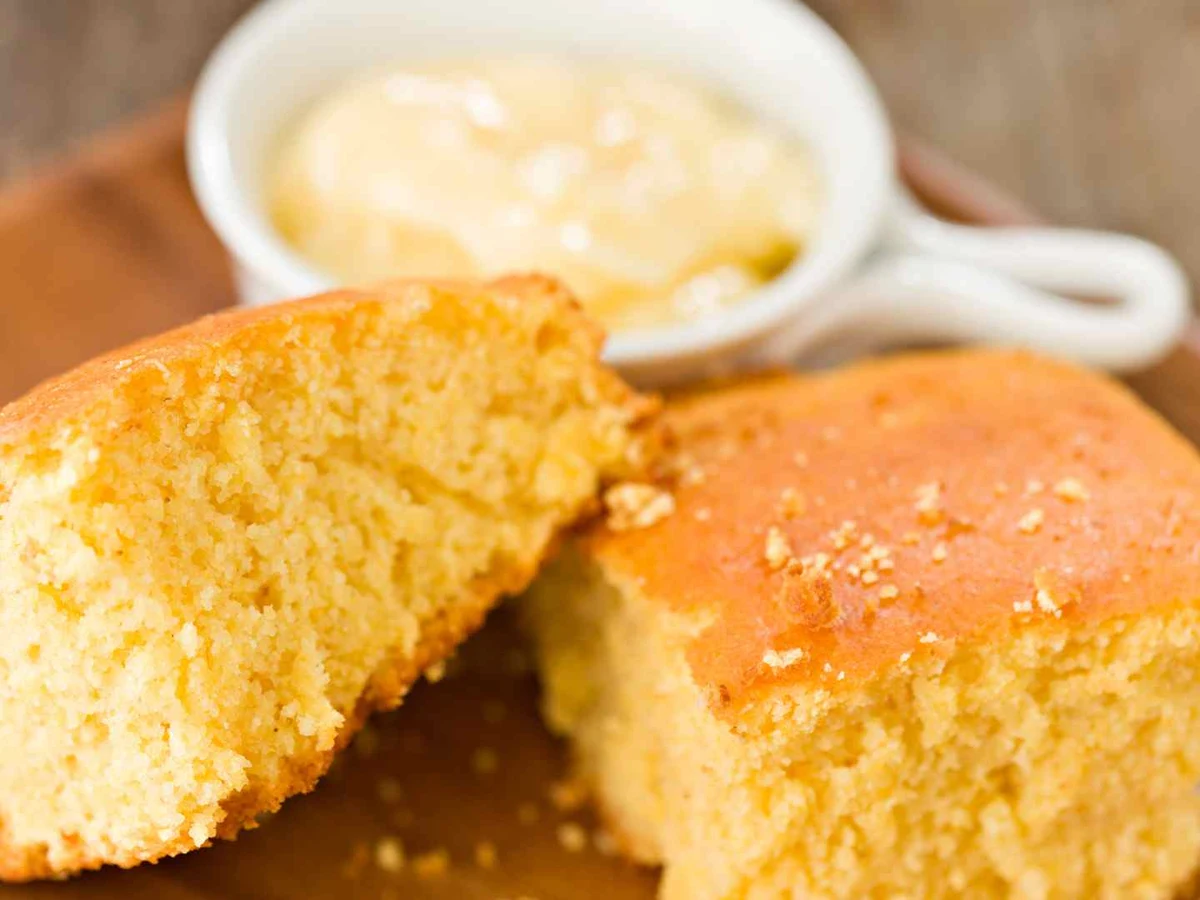
Cornmeal and flour supply carbohydrate, while egg and milk may contribute some protein and fat. The final slice still does not provide feline nutrients in the correct proportions and should never replace a complete meal.
The FDA explains how pet foods qualify as complete and balanced. A pan made for people has no feline nutritional-adequacy claim, even when its ingredient list includes recognizable foods.
One fingertip-sized crumb from a plain cooled center may pass without symptoms. A wedge can cause vomiting, diarrhea, abdominal discomfort, appetite displacement, or constipation, especially in a small cat who swallowed it quickly.
Our corn guide for cats separates soft cooked kernels from cobs, popcorn, seasonings, and commercial pet-food formulation. Cornmeal in bread is another processed form, not proof that all corn products share one answer.
Raw batter should not become a bowl-side snack
Unbaked cornbread batter may contain raw flour and raw egg, both of which can carry harmful bacteria. Batter also concentrates salt, baking powder or soda, sweetener, and other ingredients before the pan is portioned.
The CDC advises against tasting raw dough or batter because uncooked flour and eggs can contain germs. That human food-safety guidance supports keeping the mixing bowl away from pets and cleaning spills promptly.
Traditional cornbread is generally a quick bread made with chemical leaveners, not a yeast dough. If the specific recipe does contain active yeast, report it, because fermenting dough can expand and produce alcohol after ingestion.
Do not assume baking powder and baking soda are interchangeable or harmless in any bulk amount. A cat that lapped substantial batter or spilled leavener should be discussed with a veterinarian using the exact product and recipe.
Raw egg and shell fragments
Egg is normally cooked through inside finished cornbread, but a wet center or raw bowl residue keeps the pathogen concern. The feline egg guide covers complete cooking, shells, portions, and why raw egg is not a clever coat supplement.
A dropped shell can splinter into pointed pieces or carry raw residue across the floor. Sweep the kitchen after baking and keep the compost or trash closed.
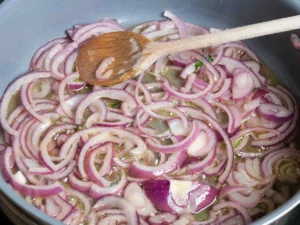
Onion and garlic make savory cornbread unsafe
Skillet cornbread, stuffing-style bread, Mexican-inspired loaves, and restaurant recipes may use onion, scallions, chives, garlic, powder, stock, or seasoned meat. Allium compounds can damage feline red blood cells, and baking does not neutralize them.
The Merck Veterinary Manual states that cats are particularly susceptible to Allium toxicosis and that cooked and powdered forms remain relevant. Clinical anemia can be delayed for several days.
Call after known onion or garlic even if the cat currently appears normal. Possible later signs include reduced appetite, weakness, pale or yellow gums, rapid breathing, dark urine, and collapse.
The cat onion guide explains why picking visible pieces out of a baked square does not remove powder, juices, or small fragments. Set aside a plain crumb before savory add-ins enter the bowl if sharing is veterinarian-approved.
Jalapeño does not create a useful feline challenge
Jalapeño pieces, chili powder, cayenne, and hot sauce can irritate the mouth, eyes, nose, and gastrointestinal tract. A cat may drool, paw at the face, cough, vomit, refuse food, or develop diarrhea after a spicy bite.
Do not give milk to cool the heat because dairy may worsen digestive upset and forced liquid can enter the airway. Call for eye exposure, persistent pain, repeated vomiting, breathing difficulty, or concentrated pepper extract.
Removing one pepper ring from the top does not make the square plain. Juice, seeds, powder, cheese, onion, and grease may remain throughout the crumb.
Sweet cornbread and honey butter
Sugar, brown sugar, honey, maple syrup, corn syrup, and sweetened canned corn can turn a side dish into dessert. These ingredients add calories without making cornbread more suitable for a carnivore.
Honey butter layers sugar onto fat and may be supplied in foil packets that attract licking. The honey article for cats offers context for a tiny taste, while the bread’s other ingredients still need review.
Cats with diabetes should not receive cornbread as an improvised glucose treatment. Follow the individual emergency plan from the veterinarian who manages the insulin and diet.
Sugar-free recipes need feline-specific restraint
A keto or reduced-sugar cornbread may use xylitol, erythritol, stevia, monk-fruit blends, or other substitutes, and the recipe can change between brands. Identify the exact sweetener and amount rather than relying on the phrase sugar-free.
Xylitol causes severe poisoning in dogs, but established canine thresholds cannot be presented as cat thresholds. The FDA’s consumer warning describes the documented danger in dogs, while comparable feline sensitivity remains uncertain.
An uncertain or xylitol-containing feline exposure deserves product-based professional advice. Do not copy a dog treatment instruction or give syrup unless a veterinarian caring for this cat directs it.
Bacon, cheese, and sausage change the nutrition math
Meat add-ins may bring salt, fat, preservatives, smoke flavor, onion, garlic, spicy coating, gristle, and casing. Cheese adds calories, sodium, and a dairy-tolerance question.
A rich portion can cause nausea, vomiting, loose stool, or abdominal pain, especially in a cat with previous digestive or pancreatic disease. It is more accurate to assess signs and history than to promise every greasy crumb will cause pancreatitis.
A bacon-greased cast-iron crust may contain substantially more fat and salt than the center. The word homemade does not guarantee plain, and “only the edge” is not a meaningful ingredient list.
Hot skillets and steam pockets
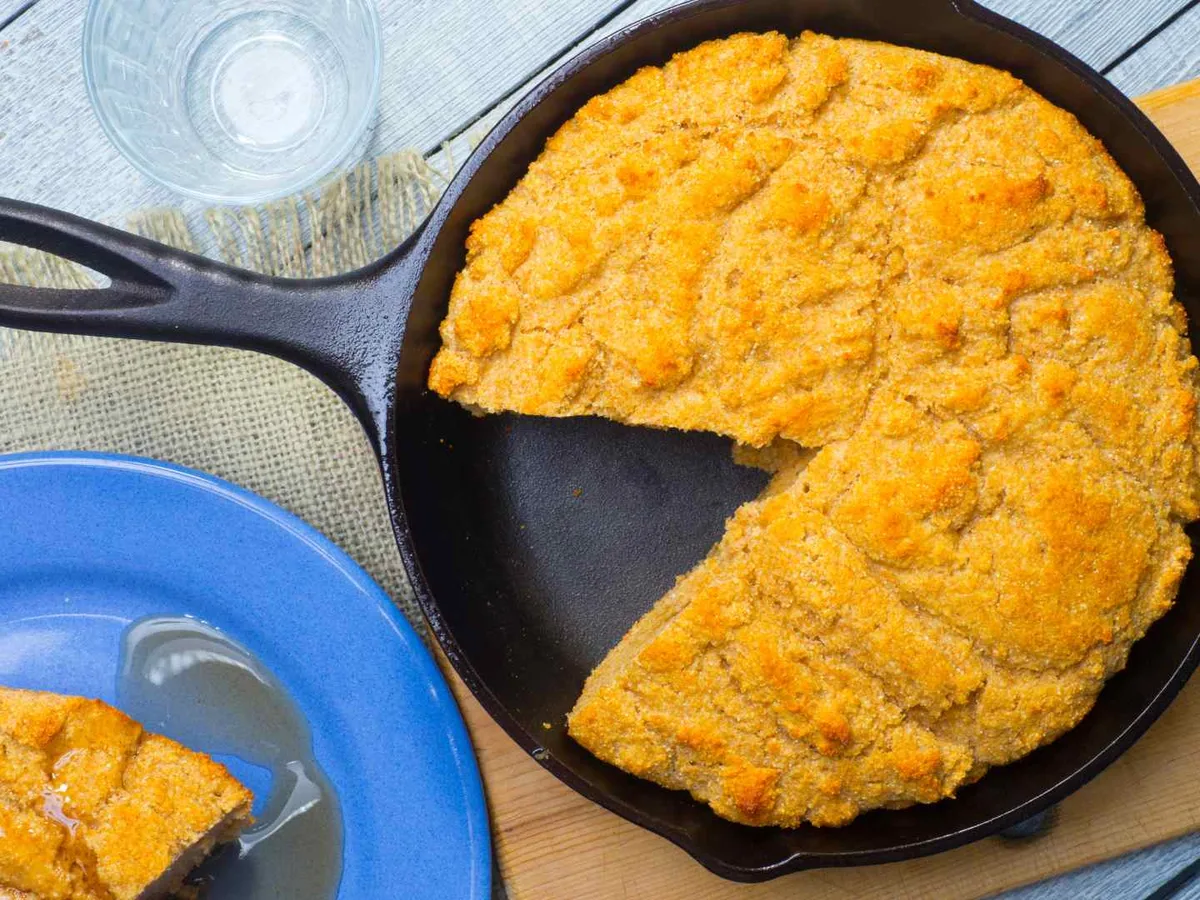
Cast iron retains heat long after the oven door closes, while butter or bacon fat can spatter from a tipped pan. Keep cats out of the kitchen landing zone until the skillet, rack, and crumbs are cool.
The center of a thick loaf or muffin may stay hot after the surface feels ready. Drooling, mouth-pawing, lip swelling, reluctance to eat, red skin, or a paw-pad injury after contact requires veterinary guidance.
Do not apply butter, oil, toothpaste, or ice directly to a burn, and do not peel stuck food from skin. Call promptly for mouth, eye, facial, extensive, blistered, or very painful burns.
Moldy cornbread can cause neurologic illness
Moist homemade bread can mold before a person notices more than one spot. Cutting away visible fuzz does not create a safe pet snack because fungal growth and toxins may extend beyond what can be seen.
The Merck Veterinary Manual describes tremorgenic fungal poisoning with signs such as vomiting, incoordination, tremors, rapid breathing, collapse, and convulsive spasms. Neurologic signs after moldy food require emergency care.
Secure compost and trash containing stale bread because they may also hold onion, coffee grounds, bones, string, foil, and spoiled dairy. Report the full bin contents rather than focusing on the most visible cornbread square.
Muffin papers, foil, toothpicks, and pans
Paper liners and crumbs can be swallowed together, while foil, plastic wrap, pan-release sheets, and decorative picks create choking or obstruction concerns. Count missing nonfood items whenever a tray has been raided.
Repeated vomiting, gagging, appetite loss, abdominal pain, reduced stool, straining, or marked lethargy after packaging disappears warrants a veterinary call. Never pull string-like material from the mouth or rectum.
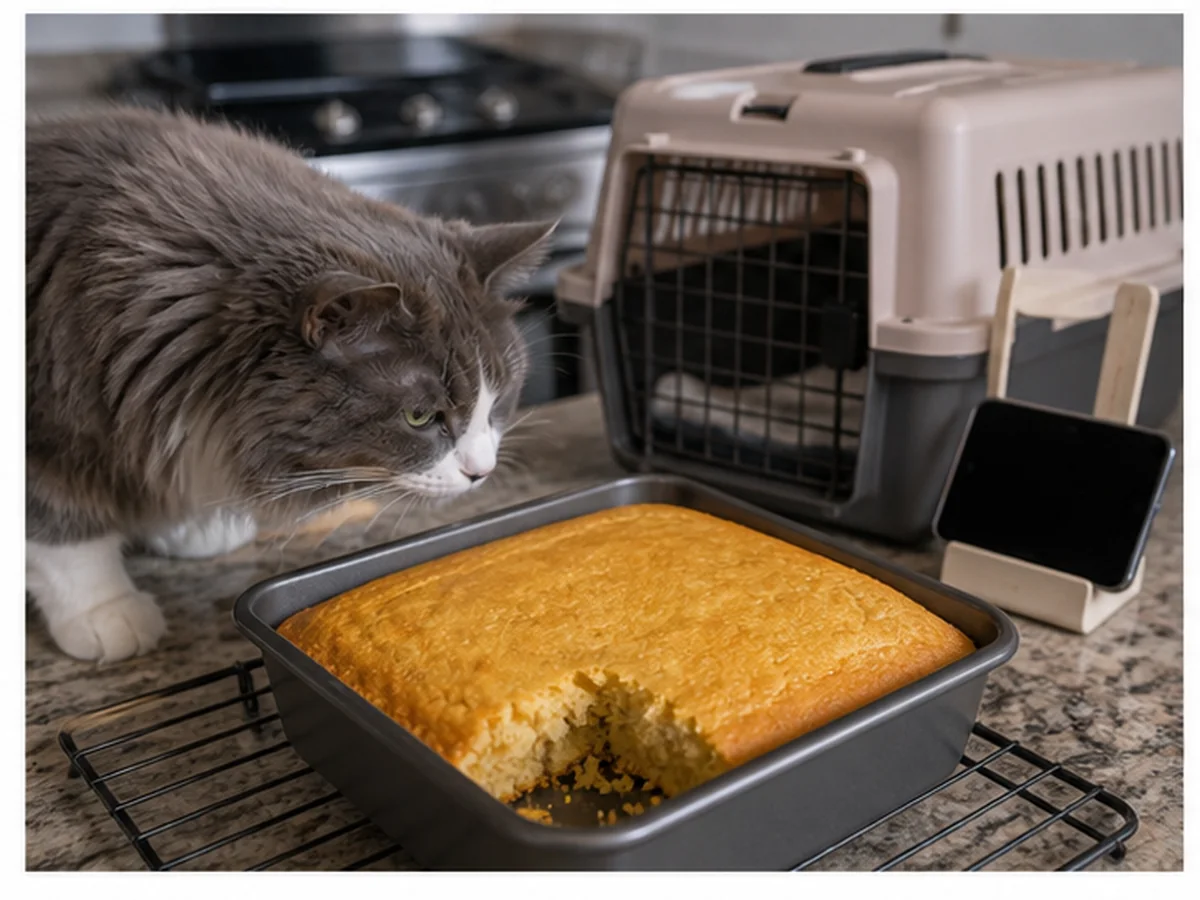
A stepwise response after the pan raid
- Name the stage: determine dry mix, batter, fully baked bread, hot crumbs, moldy leftovers, or compost exposure.
- List every addition: include onion, garlic, jalapeño, cheese, bacon, sausage, stock, honey, sugar substitutes, alcohol, and pan grease.
- Account for objects: locate skillet handles, muffin papers, foil, wrap, toothpicks, cooling-rack pieces, and trash-bag material.
- Call promptly: seek advice for Alliums, substantial batter, xylitol uncertainty, mold, a large amount, burns, or a missing object.
- Go urgently: breathing trouble, collapse, tremors, seizures, repeated retching, severe weakness, or intense pain needs immediate care.
One tiny cooled crumb of plain fully baked bread may only require ordinary observation in a healthy cat. Offer the normal meal and water, then retire the pan to a closed cupboard rather than conducting a second tolerance test.
Frequently asked questions
Can cats eat plain cornbread?
A tiny cooled crumb of fully baked plain cornbread is generally low risk, but it supplies unnecessary starch and calories. Confirm that the recipe contains no onion, garlic, problematic sweetener, or mold.
Can cats eat cornbread with jalapeños?
No planned serving should include jalapeño or spicy seasoning. Remove access, review the entire recipe, and call for persistent mouth pain, eye exposure, repeated vomiting, coughing, or breathing difficulty.
What if my cat licked raw cornbread batter?
Save the recipe and estimate the amount because raw flour, egg, leaveners, salt, and add-ins all matter. A tiny lick may only need monitoring, while substantial or uncertain intake warrants veterinary advice.
Can kittens eat cornbread?
Kittens need complete growth food and have little room for nutritionally incomplete bread. Batter, hard crust, paper liners, and spicy additions create avoidable hazards for a small mouth and stomach.
Bottom line
Plain baked cornbread is usually a low-concern crumb, not a treat worth planning. Read the whole recipe, protect the mixing bowl and hot skillet, keep Alliums and jalapeños off feline plates, and send moldy leftovers to a truly inaccessible bin.