Can Cats Eat Cinnamon Rolls? Icing, Dough, Raisins, and Cinnamon Oil
A small bite of a fully baked plain cinnamon roll is unlikely to cause serious poisoning in a healthy cat, but it is sugary, fatty, and nutritionally useless. Raw yeast dough, raisins, chocolate, coffee, sugar-free icing, concentrated cinnamon products, packaging, and large amounts can change the response quickly.
Before the icing dries on the evidence
Take away the tray, raw dough, frosting tub, spice jar, and wrappers, then identify the exact recipe. Determine whether the cat ate a crumb, licked icing, chewed an unbaked roll, inhaled loose powder, or contacted cinnamon oil.
For one tiny bite of a baked roll made with ordinary culinary cinnamon and no hazardous add-ins, offer water and monitor. Mild vomiting or diarrhea is possible because the food is rich and unfamiliar.
Call immediately for raw yeast dough, raisins, chocolate, coffee, alcohol, essential oil, a large quantity of powder, breathing signs, marked weakness, collapse, tremors, repeated vomiting, or missing packaging. Do not induce vomiting or give milk, oil, salt, or insulin unless a veterinarian instructs you.
Culinary cinnamon and cinnamon oil are not interchangeable
A dusting of ground cinnamon baked into dough is dilute and distributed through the roll. Essential oil, fragrance oil, extract, supplement liquid, and concentrated flavoring can deliver far more aromatic compound in a tiny volume.
The ASPCA plant database lists culinary cinnamon as non-toxic to cats. That classification does not mean every dose, dusty exposure, concentrated oil, or cinnamon-containing dessert is harmless.
ASPCA also reports that larger cinnamon exposures can irritate the throat and stomach, and inhaled powder may cause coughing, breathing trouble, or pneumonia. A spice-cloud incident deserves fresh air and a veterinary call, not another attempt to smell the cat’s breath.
If oil touches fur or paws, prevent grooming and call before applying water, dish soap, or another oil. Concentrated products may spread, irritate skin and mouth, or be aspirated during improvised cleanup.
Raw yeast dough is the urgent roll scenario
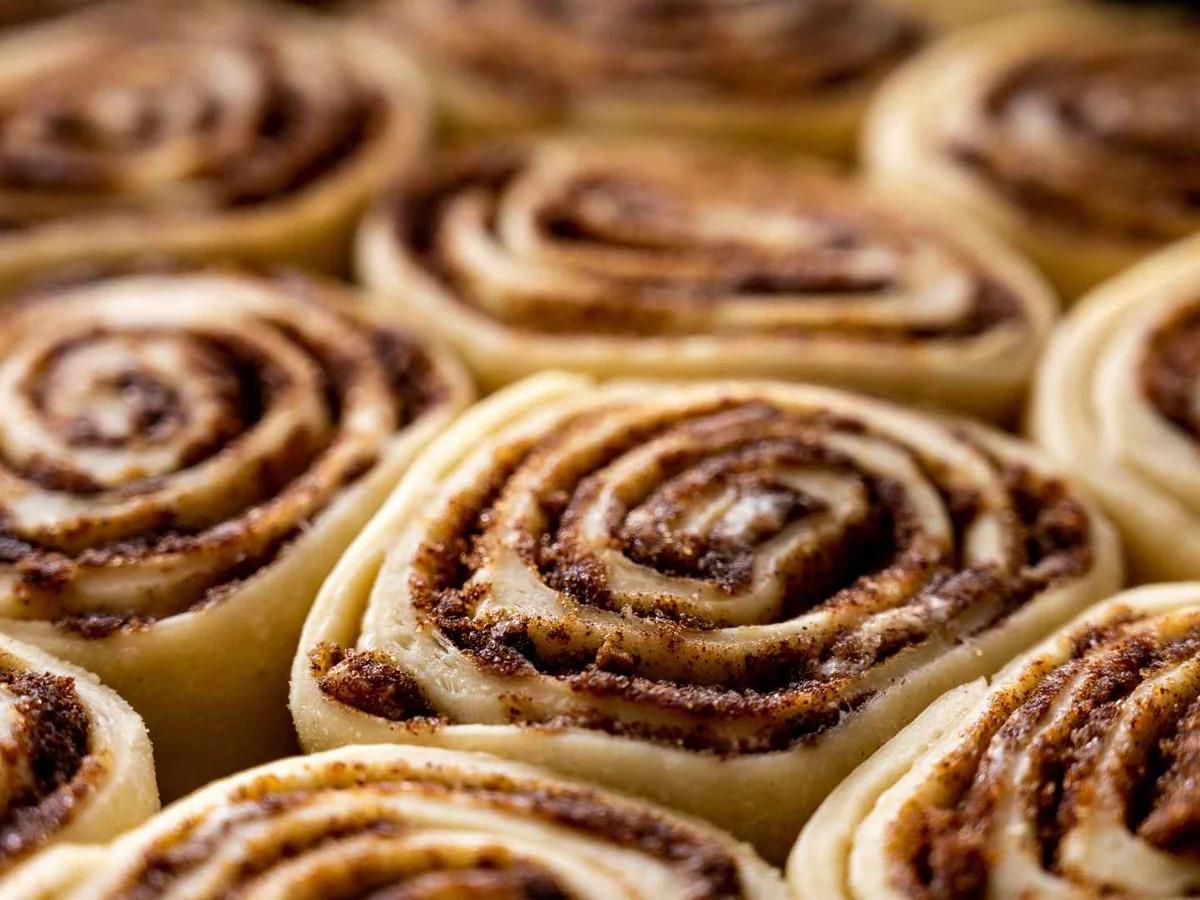
Unbaked cinnamon-roll dough can expand in the stomach while yeast produces ethanol during fermentation. This combines painful distention with alcohol exposure, making the situation more serious than eating a baked pastry.
The FDA includes yeast products and alcohol among dangerous pet items. Contact a veterinarian or animal poison service at once and report the dough amount, yeast type if known, time, cat’s size, and symptoms.
Watch for a swollen abdomen, retching, vomiting, weakness, wobbliness, unusual sleepiness, low body temperature, breathing changes, or collapse while traveling for care. Do not wait for the dough to finish rising before taking it seriously.
Raw flour and egg add food-safety concerns
Even a yeast-free raw batter can contain untreated flour and raw egg capable of carrying harmful bacteria. The FDA explains that flour is raw food and that cooking is the step that kills bacteria in flour and eggs.
Clean flour from paws with veterinary guidance if exposure is extensive, because dry brushing can throw particles back into the air. Wash counters and utensils, and keep the cat away from disinfectants until surfaces are safely rinsed or dry according to their labels.
A lick of ordinary batter does not guarantee infection, but persistent vomiting, diarrhea, feverish behavior, lethargy, or appetite loss needs veterinary attention. Kittens, seniors, and immunocompromised cats merit a lower threshold for calling.
Raisins can hide in swirls and fillings
Some cinnamon rolls contain raisins, currants, or fruit filling between dough layers where they are easy to miss. Canine grape and raisin kidney injury is well established, while feline evidence is much more limited and does not support declaring a safe dose.
Use a precautionary response for cats and call after raisin exposure rather than waiting for illness. Our cat grape guide explains the evidence gap and the value of early case-specific advice.
Count visible raisins in the remaining roll and check the package’s nutrition and ingredient panels. Do not assume a dark bit is cinnamon when the bakery uses several fillings under one display label.
Chocolate, coffee, and mocha rolls
Chocolate chips, cocoa filling, espresso glaze, and mocha icing introduce methylxanthines that cats cannot safely treat as ordinary pastry ingredients. Dark cocoa and concentrated coffee can be particularly important even when the total bite looks small.
Contact a veterinarian with the product, chocolate type, possible amount, and cat’s weight. The chocolate guide for cats covers agitation, vomiting, fast heart rate, tremors, and seizures without relying on a generic candy rule.
White chocolate contains much less cocoa stimulant but remains fatty and sweet, while coffee-flavored white icing may still contain caffeine. One reassuring ingredient never clears the complete roll.
Icing deserves its own label
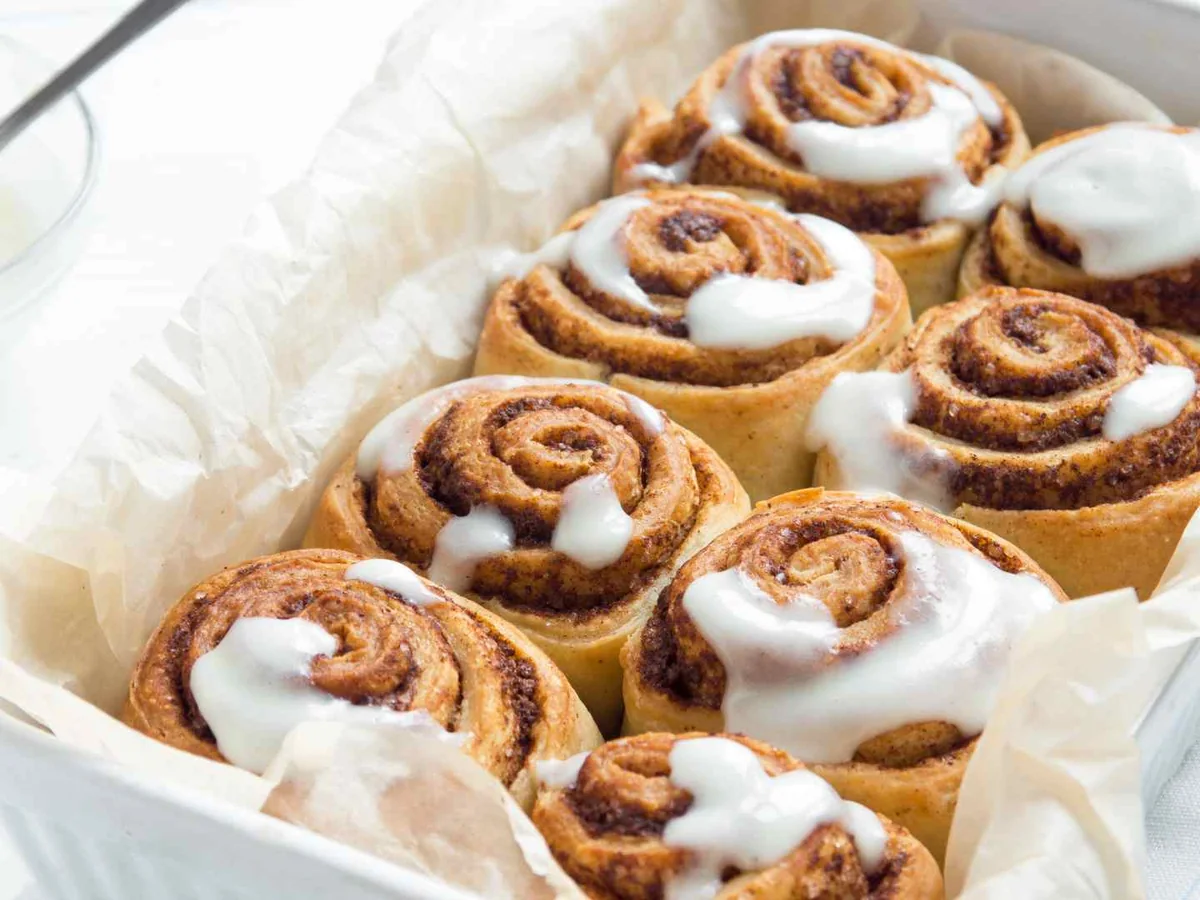
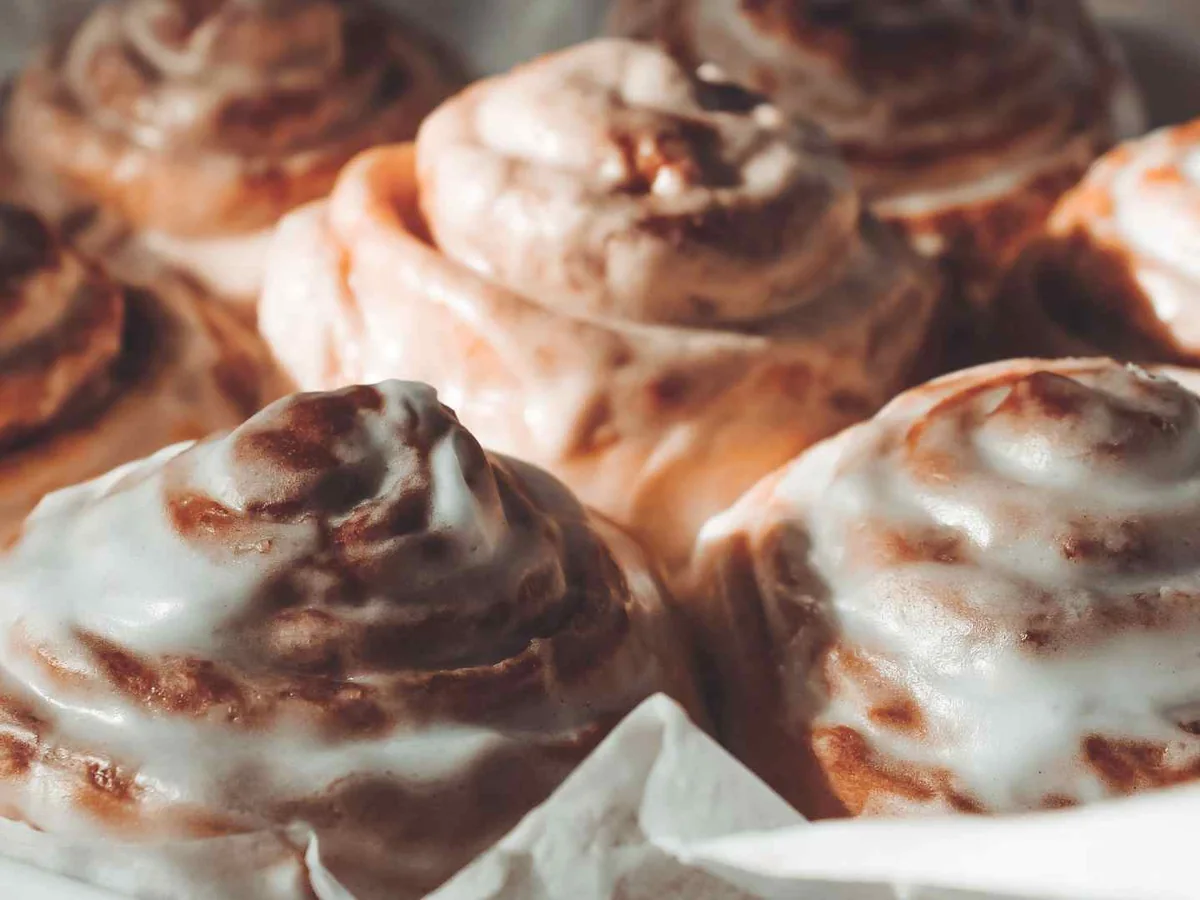
Standard icing may contain powdered sugar, butter, cream cheese, milk, vanilla, oil, and stabilizers. A tiny lick often causes no serious problem, although dairy and fat may trigger digestive upset.
Sugar-free, keto, protein, or diabetic-friendly icing can use sugar alcohols, concentrated sweeteners, supplements, or flavor blends. Xylitol is highly dangerous to dogs, while the FDA notes that it does not seem as dangerous for cats.
Do not transfer the canine emergency mechanism automatically, but do call with the exact feline exposure because the whole product and limited data still matter. Terms such as birch sugar and wood sugar can identify xylitol on labels.
Cream-cheese frosting adds fat and lactose, not an antidote to cinnamon. The cat butter guide provides useful context for rich icing and greasy wrapper thefts.
Sugar and fat are the routine problems
A cinnamon roll can contain a meaningful portion of a cat’s daily calories in only a few bites. Repeated pastry sharing can promote weight gain and crowd balanced food out of a small stomach.
Rich dough, butter, shortening, icing, and nuts may provoke vomiting, loose stool, abdominal discomfort, or appetite loss. Cats with pancreatitis history, chronic gastrointestinal disease, diabetes, obesity, or prescription diets should not receive a sample.
The Cornell Feline Health Center’s feeding advice supports complete diets and limited treats. A cinnamon roll is not a source of fiber, antioxidants, or comfort that a cat nutritionally needs.
Nutmeg, nuts, and specialty fillings
Nutmeg may be combined with cinnamon, especially in autumn rolls, and larger exposures can cause neurologic and cardiovascular signs. The small amount in one baked bite is less concerning than a spilled spice jar, but the recipe still belongs in the assessment.
Pecans, walnuts, and other nuts add fat, choking-sized pieces, and mold concerns when spoiled. Macadamia toxicity is well described in dogs but should not be automatically assigned the same syndrome in cats; call based on the actual mixed product.
Apple, pumpkin, caramel, maple, and bacon rolls each add a new set of ingredients. Our applesauce label guide can help distinguish plain apple products from sweetened or spiced fillings.
Baked rolls can still create physical hazards
Dense sticky dough can be swallowed in a lump, especially by a cat grabbing food while being shooed away. Mini-roll toothpicks, bakery twine, parchment, foil pans, plastic lids, and icing packets can lodge or injure tissue.
Repeated gagging, drooling, unproductive retching, vomiting, abdominal pain, appetite loss, or lethargy after a missing object deserves prompt care. Do not pull string or wrapper material protruding from the mouth or anus.
Store rolls in a closed cabinet or rigid container and place raw dough inside a closed refrigerator. A tea towel over a rising pan is excellent at hiding dough from humans and approximately useless against a motivated cat.
Bakery storage and reheating still affect safety
Cream-cheese-frosted rolls and other perishable bakery products need refrigeration according to their label or recipe. A pastry left out too long can support microbial growth, and microwaving does not make every poorly stored food safe again.
Reheated rolls can develop dangerously hot icing or filling while the outer bread feels merely warm. Keep the cat away from the microwave plate and allow all layers to cool before handling dropped crumbs.
Moldy bread and pastry belong in a secure bin, not a salvage pile with the visible patch removed. Fungal growth can extend beyond what you see, and some molds may produce toxins that cause vomiting, tremors, seizures, or other illness.
If a stale roll was wrapped in foil, plastic, or waxed paper, check whether the cat swallowed part of that covering. Packaging ingestion can cause obstruction even when the old pastry ingredients themselves are not toxic.
Do not serve a warmed pastry simply because the cat smelled it and arrived with excellent timing. Warmth intensifies aroma, which explains interest without creating nutritional value.
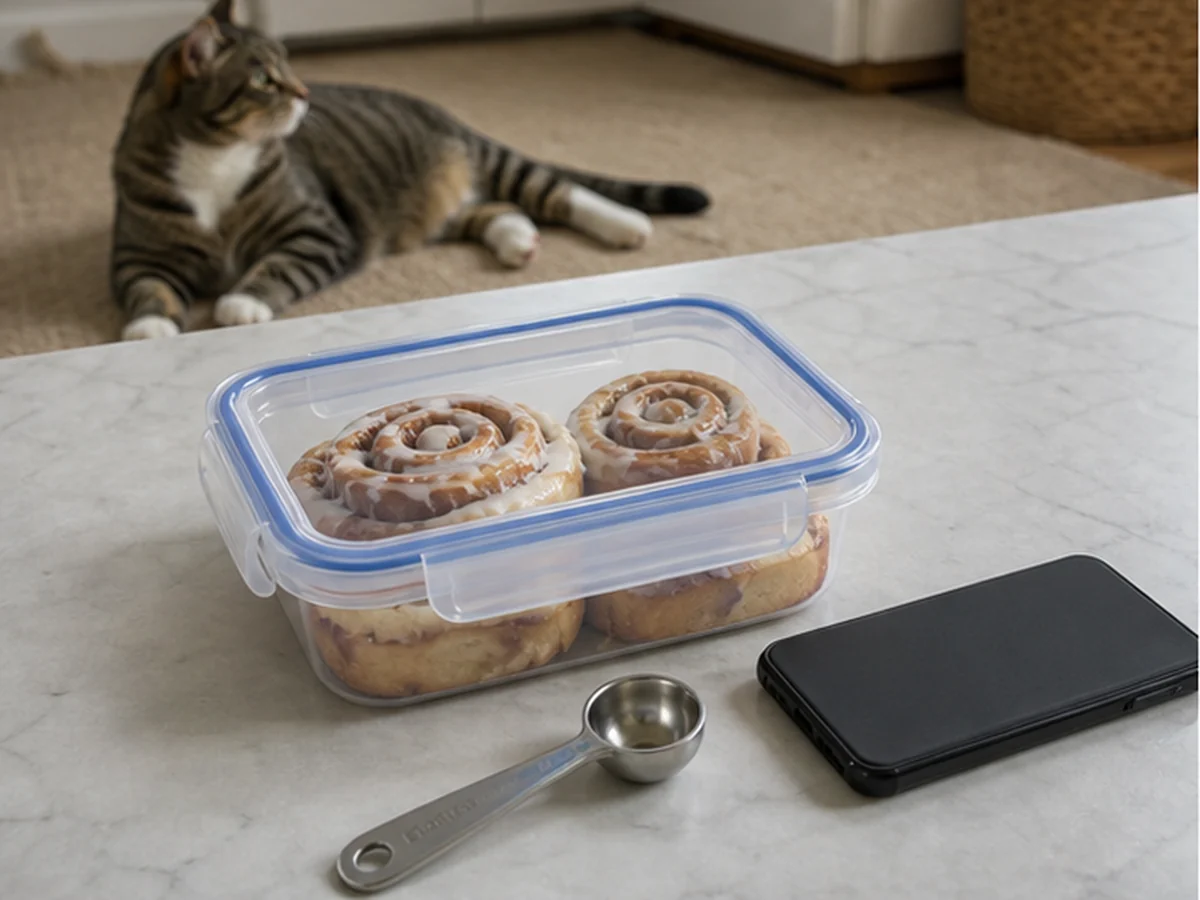
A clean information handoff to the clinic
State whether the exposure was baked roll, raw batter, yeast dough, loose cinnamon, extract, or essential oil. Give the brand or recipe, amount range, time, cat’s weight, health problems, medications, symptoms, and missing nonfood objects.
Photograph every package panel and remaining pastry before cleanup. If cinnamon powder was inhaled, report coughing, respiratory rate, effort, mouth breathing, and any blue or pale gum color.
For raw dough or concentrated oil, call first and clean second unless immediate decontamination is needed to stop ongoing exposure. The professional can guide safe handling while arranging examination.
FAQ
Is cinnamon toxic to cats?
Ordinary culinary cinnamon is listed by ASPCA as non-toxic, but large powder exposure can irritate and inhalation can harm the lungs. Concentrated oils and extracts are different exposures.
What if my cat ate half a cinnamon roll?
Check for raisins, chocolate, coffee, nutmeg, sweeteners, and raw center, then call because half a human pastry is substantial for a cat. Report icing, package pieces, and current symptoms too.
Can cats lick cinnamon-roll icing?
A pinhead lick of ordinary icing is usually a monitoring event, but it should not be offered. Sugar-free, chocolate, coffee, alcohol-flavored, or supplement-containing frostings require label-based advice.
Why is raw cinnamon-roll dough dangerous?
Yeast dough can expand in the stomach and generate ethanol, while raw flour and egg can carry pathogens. Contact a veterinarian immediately rather than waiting for visible swelling.
Bottom line
A baked cinnamon-roll crumb is generally a rich-food monitoring problem, but the recipe and form control the real risk. Treat yeast dough, raisins, methylxanthines, concentrated cinnamon, inhaled powder, and missing packaging as reasons to call promptly.