Can Cats Eat Green Onions? Allium Risks, Cooking, and Triage
Cats should not eat green onions. The white bulb and green leaves are Allium plant tissue, and raw, cooked, grilled, frozen, dehydrated, and powdered forms can damage feline red blood cells, with serious anemia signs sometimes delayed for several days after the first apparently normal hour.
Scallion, green onion, and spring onion need the same caution
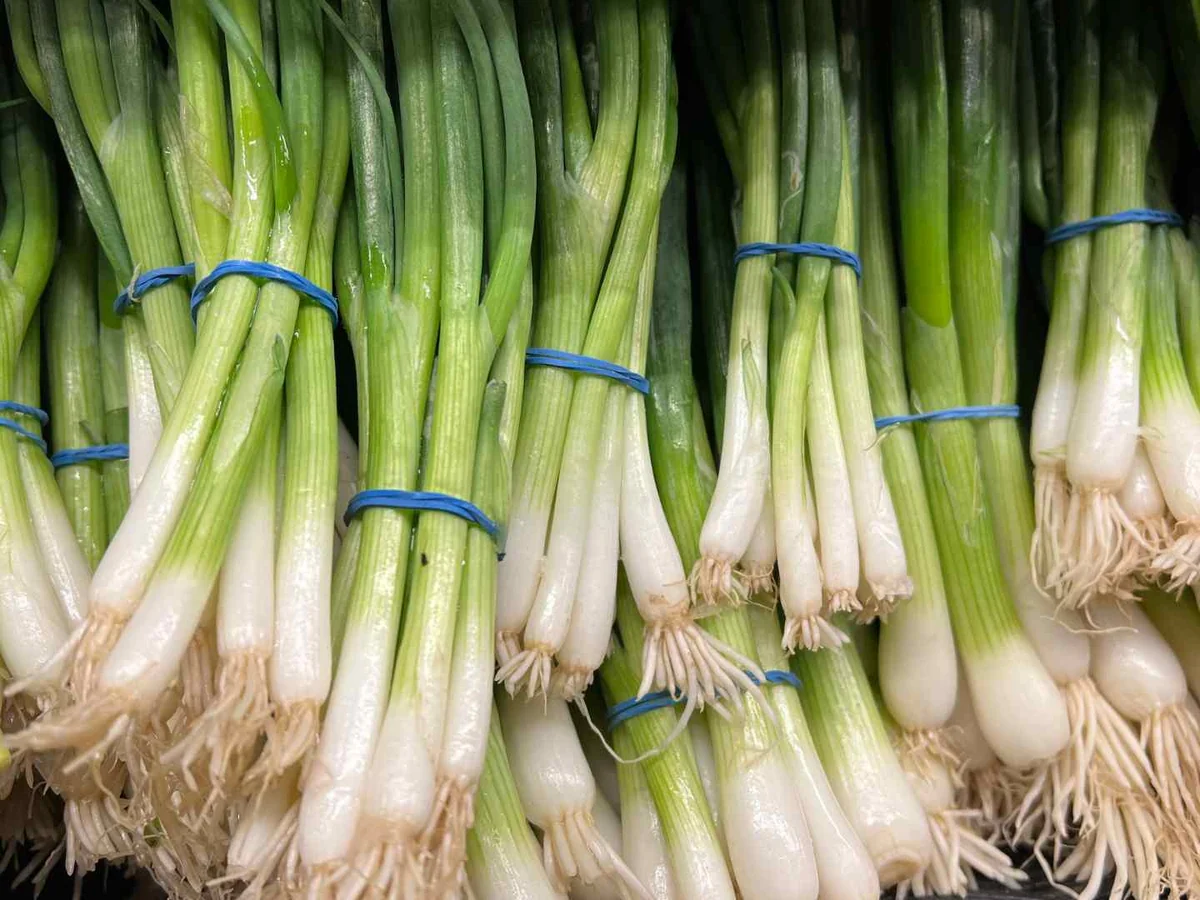
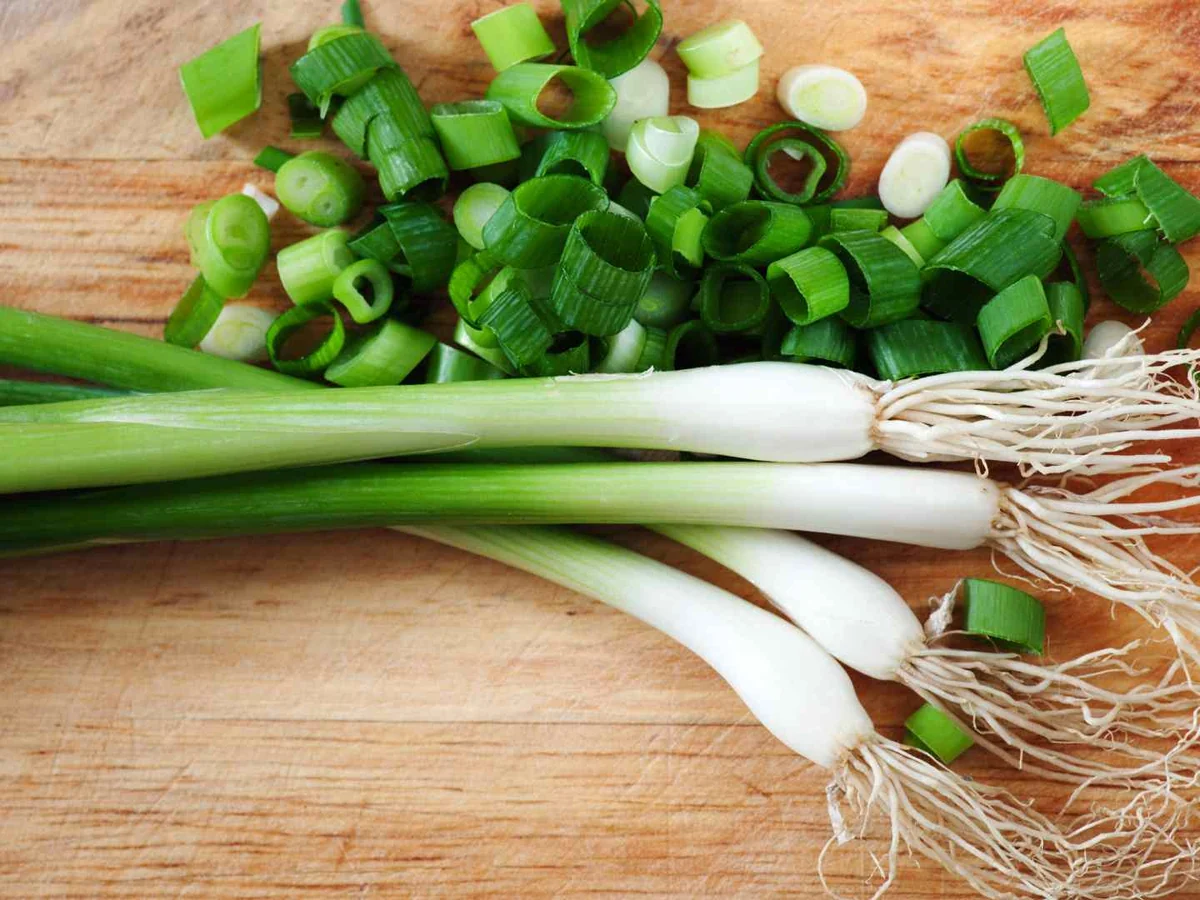
Common names vary by region and store, but scallions and green onions are Alliums closely related to bulb onions, garlic, chives, and leeks. Spring onions may have a more developed bulb, yet that does not make their tops or base safe for cats.
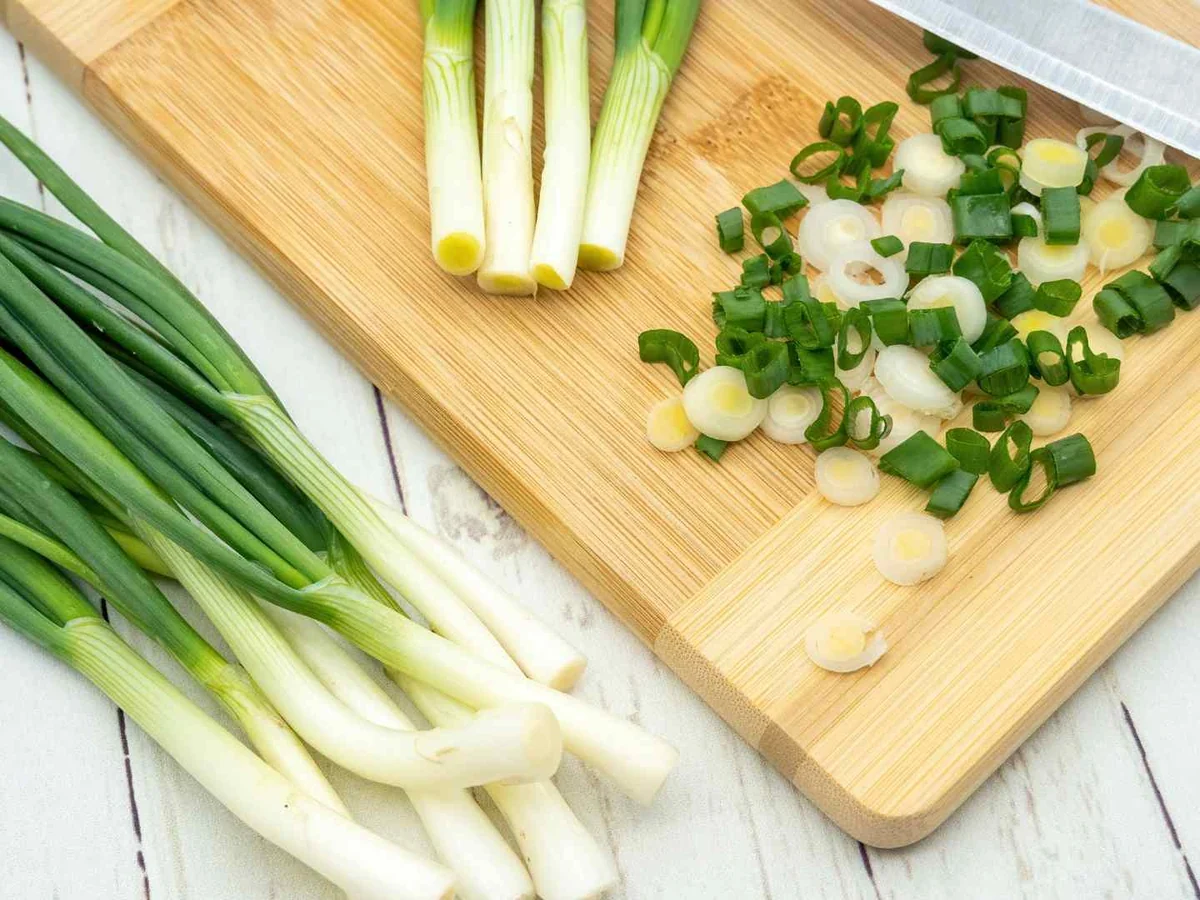
Both the hollow green leaves and pale lower section count as exposure. Roots, flower stalks, garden trimmings, dried flakes, powder, and cooking liquid belong in the inventory too.
The Merck Veterinary Manual identifies cats as the species most susceptible to Allium toxicosis. It reports harm from raw, cooked, dehydrated, and granulated forms, which closes the common “but it was sautéed” loophole.
What Alliums do to feline red blood cells
Organosulfur compounds create oxidative stress that damages hemoglobin and red-cell membranes. Affected cells can form Heinz bodies, become fragile, and be removed or rupture, reducing the blood’s oxygen-carrying capacity.
Cats are especially vulnerable because their hemoglobin structure and red-cell physiology leave them less able to tolerate this oxidative challenge. Good health before exposure does not create immunity.
No home visual estimate can reliably establish a safe dose across fresh leaves, concentrated flakes, soup base, and repeated leftovers. Call with the best amount and product history rather than converting a dog threshold.
The main onion guide for cats covers bulbs, powder, plants, and broad Allium sources. This green-onion page concentrates on the misleadingly delicate leaves found in garnishes and garden pots.
Why symptoms may wait
Vomiting, drooling, diarrhea, or appetite change can occur earlier, while red-cell destruction and anemia may become clinically obvious days later. A cat acting normal after dinner has not completed the relevant monitoring window.
Watch as directed for unusual tiredness, weakness, reduced appetite, pale or yellow gums, rapid breathing, fast heart rate, poor exercise tolerance, dark or reddish urine, and collapse. Not every cat shows every sign.
Call promptly after a known ingestion instead of waiting for gum color to change. The veterinarian may recommend examination, blood counts, blood-smear review, chemistry, urine assessment, or scheduled rechecks based on timing and estimated dose.
The Cornell Feline Health Center recommends immediate professional contact after a suspected poison exposure and warns against inducing vomiting without instructions. Home peroxide, salt, oil, milk, or charcoal can cause additional harm.
Cooking changes flavor, not the core risk
| Preparation | Where cats encounter it | Why it remains unsafe |
|---|---|---|
| Sautéed | Eggs, fried rice, meat, noodles | Heat does not neutralize Allium oxidants. |
| Grilled or charred | Kebabs, barbecue, tacos | Softened leaves and drippings are still exposure. |
| Boiled or simmered | Soup, stock, ramen, dumplings | Liquid and small fragments can carry compounds. |
| Baked | Biscuits, casseroles, pizza, savory pastry | Chopped garnish becomes hard to see. |
| Freeze-dried or dehydrated | Seasoning, soup cups, pet-food toppers | Water removal can concentrate material. |
| Frozen | Vegetable mixes, pancakes, meal kits | Freezing does not detoxify the plant. |
Picking cooked rings off a dish cannot retrieve juice, powder, or small pieces distributed through the food. Set aside any veterinarian-approved plain portion before the green onions enter the pan.
Powder and flakes hide more efficiently than leaves
Green-onion powder, scallion flakes, soup mix, seasoning sachets, and proprietary flavors spread through food with no easy visual count. Dehydration also removes water, making a small spoon represent more plant tissue than fresh garnish by weight.
Save the packet, recipe, and serving size after access. If the company lists only natural flavor or spices, contact the manufacturer while the veterinarian assesses the cat.
Loose powder can irritate eyes and airways in addition to the ingestion risk. Move the cat to clean air and call for coughing, squinting, wheezing, or increased respiratory effort.
The garnish problem
Green onions are scattered over soup, baked potatoes, eggs, rice, noodles, dumplings, tacos, sushi, salads, dips, and roasted meat. The thin pieces cling to sauce and fur and can be swallowed while a cat licks a plate.
A few visible rings do not reveal how much was cooked into broth or filling. Ask the restaurant for an ingredient sheet and distinguish garnish, recipe base, and seasoning powder.
The cat egg guide explains how plain cooked egg differs from a scramble containing scallions, cheese, salt, and butter. Do not rinse a finished omelet and call it unseasoned.
Ramen, soup, and stock
Instant noodles may contain dried scallion in the cup and onion or garlic powder in the broth packet. Restaurant stock may be simmered with Alliums and strained until no vegetable is visible.
Do not offer broth merely because the garnish was removed. Human soup can also contain substantial sodium, chili oil, alcohol, bones, mushrooms, and packaging.
A cat who needs more moisture should receive fresh water, suitable wet food, or a feline broth approved by the veterinary team. Savory aroma is not a substitute for an ingredient review.
Dips, cream cheese, and dairy spreads
Scallion cream cheese, sour-cream dip, ranch, cheese balls, and herb butter combine Allium with dairy, fat, sodium, spice, and wrappers. Digestive upset from richness can appear before anemia and should not distract from the green onion.
The cat cheese guide helps account for dairy and fat, while the Allium component still deserves a prompt call. Scraping the spread off bread cannot remove what has soaked into the crumb.
Sushi, dumplings, and takeout hardware
Green onion may be rolled into sushi, folded into dumpling filling, or mixed with sauce. Raw fish, soy sauce, wasabi, garlic, bones, and foodborne pathogens can accompany it.
Takeout also contributes toothpicks, bamboo steamers, plastic grass, condiment packets, foil, and chopsticks. Account for every nonfood item when reconstructing an unattended meal.
A missing skewer or sharp pick warrants immediate advice and no induced vomiting. Bring an identical item or a photograph with a ruler.
Garden pots and regrowing kitchen scraps
Scallion bases placed in water can regrow green tops on a windowsill, creating an accessible living Allium. Cats may drink the water, chew leaves, knock over glass, or swallow labels and rubber bands.
Move the plant permanently out of feline space instead of relying on citrus oil or another deterrent. A concentrated essential-oil repellent creates its own exposure.
Outdoor green onions may carry fertilizer, pesticide, herbicide, mulch, slug bait, wire ties, or netting. Preserve product labels and prevent grooming after wet chemical contact.
Repeated crumbs count as a pattern
A daily lick of scallion broth or cream-cheese residue can create several exposures before weakness is noticed. Tell the clinician about recent days and recurring access, not only today’s garnish.
Multi-person households can accidentally multiply treats. Put one person in charge and use measured cat food as the shared reward.
Existing anemia, chronic disease, or small body size can reduce the margin for error, but no healthy cat should receive planned green onion. Kittens need complete growth food, not savory table scraps.
The FDA explains the nutritional adequacy claim on complete and balanced pet foods. Green onion garnish supplies neither balanced nutrition nor a sensible reason to accept toxic risk.
What the clinic needs to know
- Plant identity: green onion, scallion, spring onion, chive, leek, garlic green, or uncertain garden Allium.
- Form: fresh top, bulb, root, cooked ring, broth, powder, flakes, dip, garnish, or repeated leftovers.
- Maximum amount: estimate from recipe, remaining dish, serving count, time window, and possible spills.
- Cat details: weight, age, diseases, medications, earlier exposures, appetite, breathing, energy, gum color, and urine.
- Objects: report skewers, string, foil, packets, glass, plant ties, or packaging that may also be missing.
Emergency transport is appropriate for collapse, inability to stand, severe weakness, breathing distress, seizures, or extremely pale gums. Call ahead so the team can prepare while you travel.
Treatment and monitoring belong to professionals
Early management may include decontamination when appropriate, while later care can involve fluids, oxygen, repeated blood testing, symptom control, or transfusion in severe anemia. The correct plan depends on timing and clinical findings.
Do not give iron, vitamins, human antioxidants, or blood-building supplements. Allium injury is oxidative destruction, not a problem an unmeasured pantry supplement can safely reverse.
Follow the recommended recheck even if the first blood count is reassuring, because timing influences what laboratory tests show. Record appetite, energy, breathing, gum color, and urine without substituting those observations for testing.
Preventing another exposure
Keep green onions in a closed refrigerator drawer, move scraps directly to secured trash, and wipe cutting boards before preparing cat food. Compost must also be inaccessible.
At restaurants, assume savory broth, filling, sauce, and garnish may contain multiple Alliums until an ingredient list proves otherwise. Bring a cat treat for patio dining rather than sharing from the plate.
The feline pizza guide reinforces the same whole-recipe method for crust, sauce, cheese, meat, Alliums, and boxes.
Frequently asked questions
Are the green tops safer than the white bulb?
No part should be fed to cats. Leaves, pale stems, bulb, roots, flowers, dried flakes, and cooking liquid all count as Allium exposure.
Can cats eat cooked green onions?
No, frying, boiling, grilling, baking, and freezing do not make them safe. Call after ingestion and describe the cooking method, recipe, amount, and timing.
What if my cat ate one scallion ring?
Call for case-specific advice because ring size, thickness, cat weight, recipe, and repeated exposures vary. Do not wait for delayed anemia signs or use a dog dose chart.
How long can green-onion symptoms take?
Digestive signs may occur sooner, while red-blood-cell destruction and anemia can become evident over several days. Follow the veterinarian’s monitoring and blood-test schedule.
Bottom line
Green onions may look like a delicate garnish, but feline red blood cells do not care about culinary subtlety. Treat tops, bulbs, broth, powder, and cooked pieces as Allium exposure, call early, and keep watching for the delayed chapter the empty plate cannot show.