Can Cats Eat Green Peppers? Bell Peppers, Hot Chiles, and Plant Parts
A tiny, soft piece of washed green bell-pepper flesh is unlikely to harm most healthy cats, but cats do not need it. Hot green chiles, capsaicin, stems, tough skin, plant leaves, spicy oil, seasonings, dips, and large raw chunks create very different problems, so identify the pepper before deciding what to do.
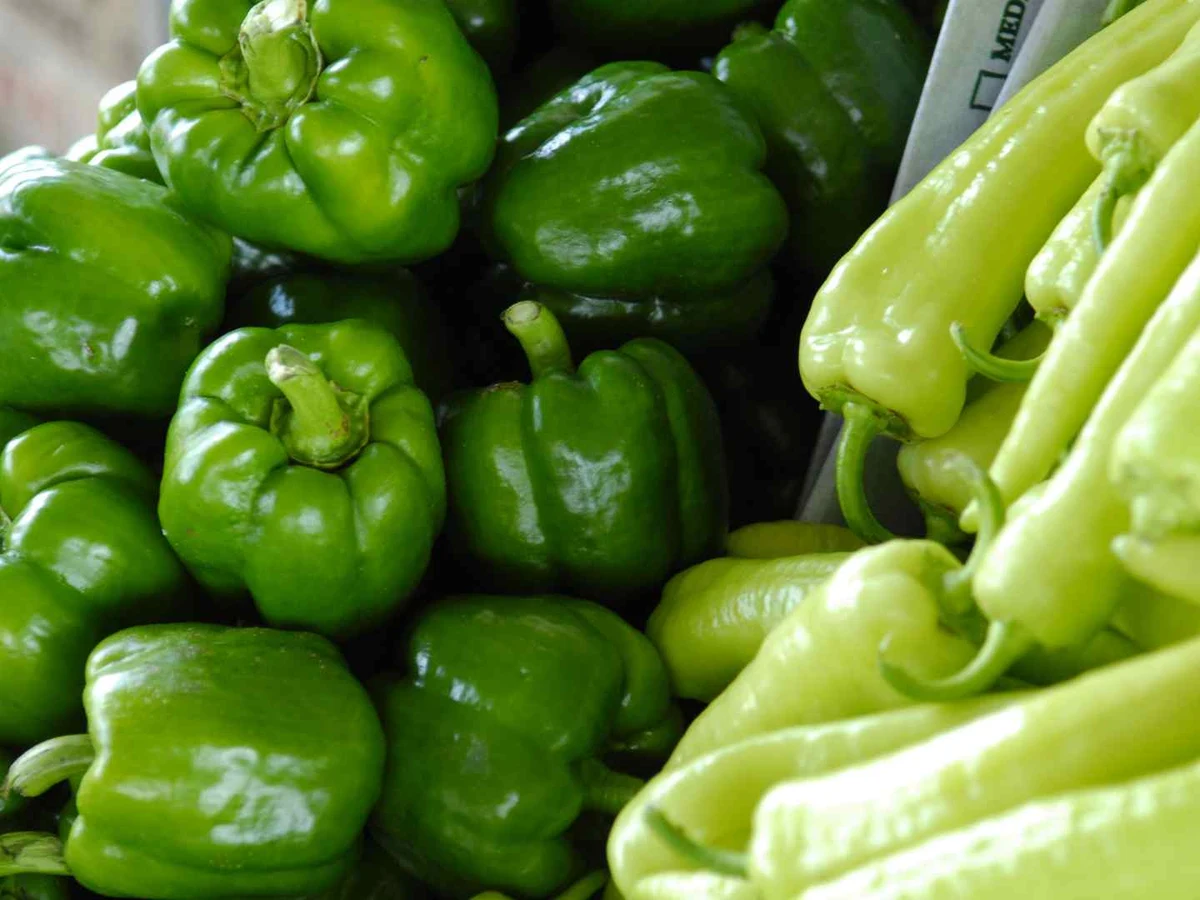
“Green pepper” needs a first and last name
| Item | Likely identity | Main concern |
|---|---|---|
| Blocky grocery pepper | Unripe green bell pepper | Texture, portion, recipe additions |
| Jalapeño or serrano | Hot chile with capsaicin | Painful irritation and digestive upset |
| Ornamental pepper | May be a different species | Possible plant toxicity or misidentification |
| Leaf or stem | Plant material, not prepared flesh | GI upset, pesticides, choking |
| Green pepper sauce | Blended condiment | Chiles, salt, onion, garlic, acid |
Color alone does not identify heat or botany. Save the produce sticker, package, restaurant menu, plant tag, or sauce bottle, because a squat bell pepper and a slim serrano should not receive the same answer.
If the cat is drooling, pawing at the mouth, vomiting repeatedly, struggling to breathe, collapsing, or showing severe eye pain, seek urgent care. Do not taste an unknown ornamental fruit yourself as an identification method.
Plain bell-pepper flesh sits in the low-stakes lane
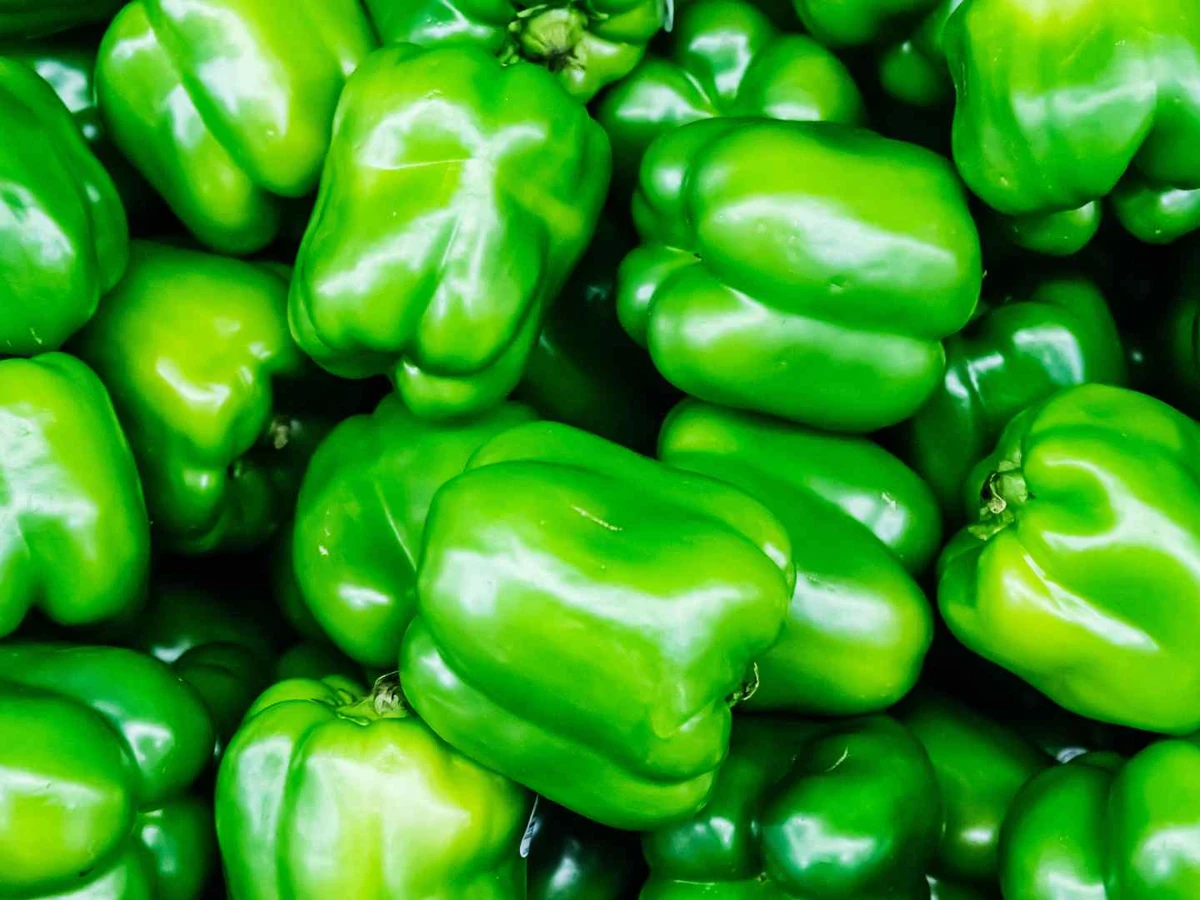
A washed, seed-free, stem-free, very small piece of ripe grocery bell pepper is not generally recognized as a common feline poison. Its limited role is an optional taste, not a necessary vegetable serving or vitamin strategy.
Cats are obligate carnivores, and Cornell’s feline feeding overview emphasizes complete, balanced nutrition. A cat can live an excellent life without auditioning anything from the produce drawer.
Texture earns more attention than color
Raw bell-pepper skin can be slick and chewy, while curved pieces may be swallowed with little chewing. Cut away stem, core, seeds, and white ribs, then mince any approved taste into a soft piece smaller than a pea.
Steaming plain pepper until soft can reduce chewing difficulty, but it does not create a health benefit. Let it cool fully and serve no butter, oil, broth, salt, sauce, cheese, onion, or garlic.
Hot chiles are a mouth-and-skin problem
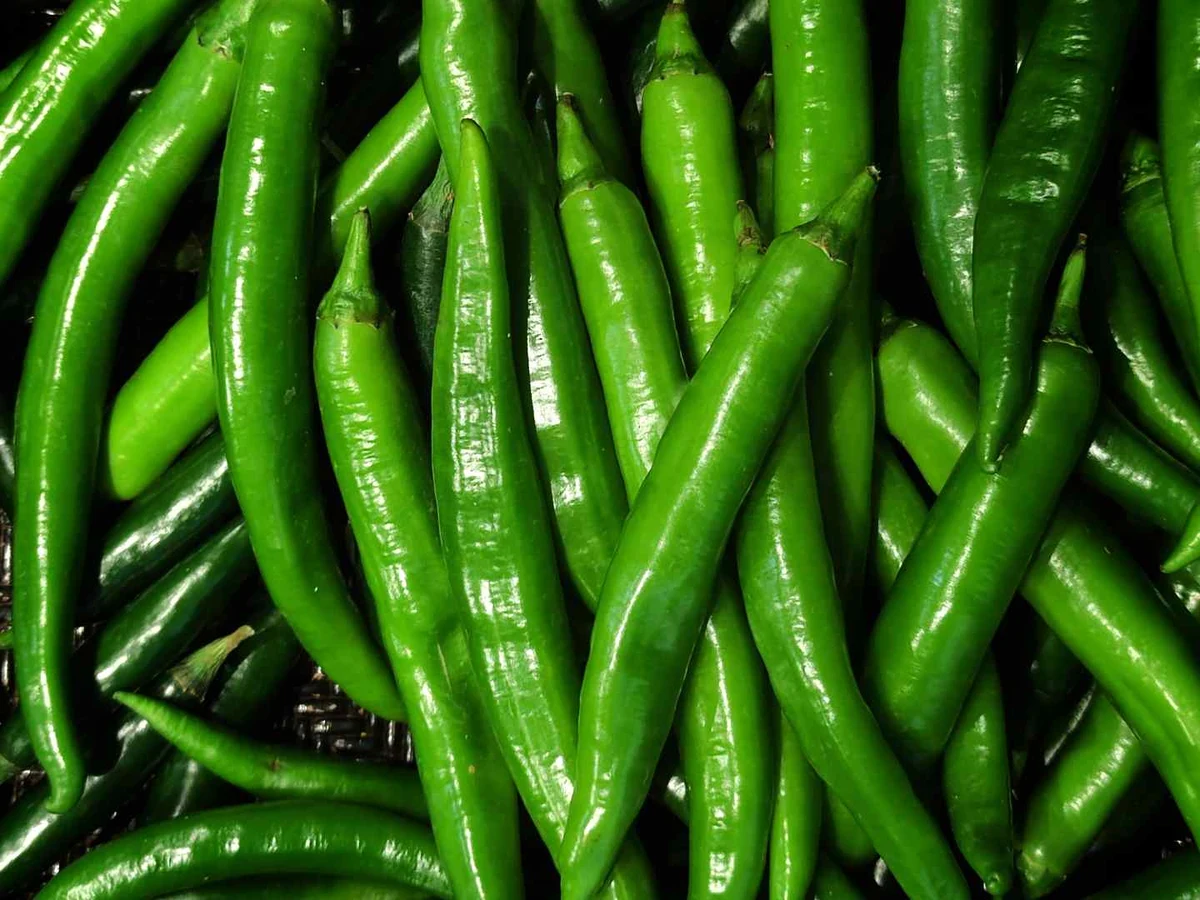
Jalapeño, serrano, poblano, Anaheim, Hatch, and other green chiles contain varying capsaicinoids that activate pain and heat receptors. Exposure can cause burning discomfort, drooling, mouth pawing, vomiting, diarrhea, eye irritation, and frantic grooming.
Move the cat away from the food and call for significant exposure or persistent signs. Do not force milk, oil, bread, or water into the mouth, because aspiration and stress can make a miserable situation worse.
Capsaicin travels on hands, boards, and oil
A cat does not need to bite a chile to be exposed. Pepper residue can move from fingers to fur, eyes, toys, food bowls, and faucet handles, while frying can spread irritating droplets or fumes.
Wash human hands thoroughly and isolate the animal before cleaning the kitchen. If chile oil coats fur or reaches an eye, ask a veterinarian or poison service for product-specific decontamination guidance rather than applying dish soap blindly.
Seeds are not a heat meter
People often say pepper seeds hold all the heat, but capsaicin is concentrated primarily in internal placental tissue and can coat nearby seeds. Removing visible seeds does not make a hot chile suitable for cats.
Bell-pepper seeds are not a classic toxin, yet they are unnecessary, can stick in the mouth, and arrive with tough white ribs. Core the pepper completely before offering even a tiny mild piece.
Stems, leaves, and ornamental plants are separate exposures
A produce stem is fibrous and can be awkward to swallow, while garden leaves may carry fertilizer, pesticide, slug bait, soil, or plant ties. Ornamental plants sold as peppers can be misidentified despite familiar-looking fruit.
The ASPCA lists ornamental pepper, Solanum pseudocapsicum, as toxic to cats. That plant is not the same as a grocery bell pepper, which is exactly why the tag matters.
Stuffed peppers hide the consequential ingredients
Stuffed bell peppers commonly contain onion, garlic, rice, seasoned beef, sausage, cheese, salty tomato sauce, broth, and hot spices. Picking out the green shell cannot remove liquids and powders absorbed during baking.
Save the complete recipe and contact a veterinarian for Allium exposure. Our onion guide explains delayed red-cell injury, while the bell-pepper article focuses on plain flesh and preparation.
Pickled and jarred peppers are condiments
Brined pepper rings can carry considerable sodium, vinegar, sugar, garlic, onion, preservatives, and hot chile. They may also be stuffed with cheese or wrapped around a toothpick.
One dropped mild ring is different from drinking brine or eating several hot slices, but neither belongs in a treat routine. The site’s pickled-food guide covers brine, lids, glass, and seasoning traps.
Pepper powder and spray require immediate respect
Cayenne, chile flakes, hot sauce, self-defense spray, and concentrated extracts are not versions of plain bell pepper. Airborne particles and aerosols can severely irritate eyes, airways, skin, and mucous membranes.
Move people and animals to fresh air without spreading contamination, and contact emergency veterinary help for breathing difficulty or severe distress. Do not rub the face, since that drives oily residue across more tissue.
The fridge drawer has physical hazards too
Produce bags can cling around a cat’s head, rubber bands and twist ties can be swallowed, and knives or mandolines may remain on the board. A pepper raid deserves an inventory of tools and packaging, not only vegetables.
Call promptly for a missing object, repeated vomiting, drooling, gagging, abdominal pain, reduced stool, or appetite loss. Never induce vomiting if a sharp item or foreign material may be involved.
Medical diets make pepper even less useful
Cats with diabetes, inflammatory bowel disease, pancreatitis, obesity, food allergy, or a prescription diet should not receive unplanned produce. An elimination trial can be disrupted by a vegetable or sauce that seems trivial.
The FDA explains the nutritional adequacy statement that identifies a complete staple. Use part of the approved ration as treats instead of borrowing color from a salad.
After the cutting board incident
- Identify bell pepper, hot chile, ornamental fruit, plant part, sauce, or cooked dish.
- Remove access and check the mouth, eyes, breathing, coat, and paws.
- Save labels, recipes, plant tags, pesticide information, and missing packaging.
- Call for hot chile, plant uncertainty, Alliums, severe signs, a large amount, or swallowed objects.
- Do not induce vomiting or improvise capsaicin remedies.
After one tiny mild bell-pepper piece, an asymptomatic healthy adult can usually be watched for normal appetite, comfort, vomiting, stool, and behavior. Stop the experiment if even mild digestive upset follows.
Store chiles and bell peppers in separate labeled containers if household members routinely call both “green peppers.” That small bit of organization prevents a future veterinary phone call from beginning with twenty minutes of botanical improv.
A sudden interest in vegetables can be a clue
One curious sniff is ordinary, but repeated chewing of plants, plastic, soil, or produce scraps may indicate pica, dental discomfort, hunger changes, gastrointestinal disease, or boredom. Mention a new pattern at the next veterinary examination.
Do not manage persistent scavenging by offering a vegetable buffet. Secure the environment, enrich play and foraging with appropriate food, and let the clinician decide whether testing is warranted.
Roasting, grilling, and air-frying change the surroundings
High heat softens bell pepper but often arrives with charred skin, cooking oil, salt, smoke, foil, skewers, and grill-cleaning residue. A piece taken directly from the grate can also remain hot enough to burn long after dinner reaches the table.
Set aside a clean mild portion before oil or seasoning, cook it until soft, peel tough char if necessary, cool it, and mince it finely. Do not offer burnt scraps or food that touched lighter fluid, treated wood, or a dirty grease tray.
Kabobs require a full skewer count, including broken tips, onion pieces, seasoned meat, and mushrooms. A missing wooden or metal point warrants immediate veterinary contact even when the cat seems comfortable.
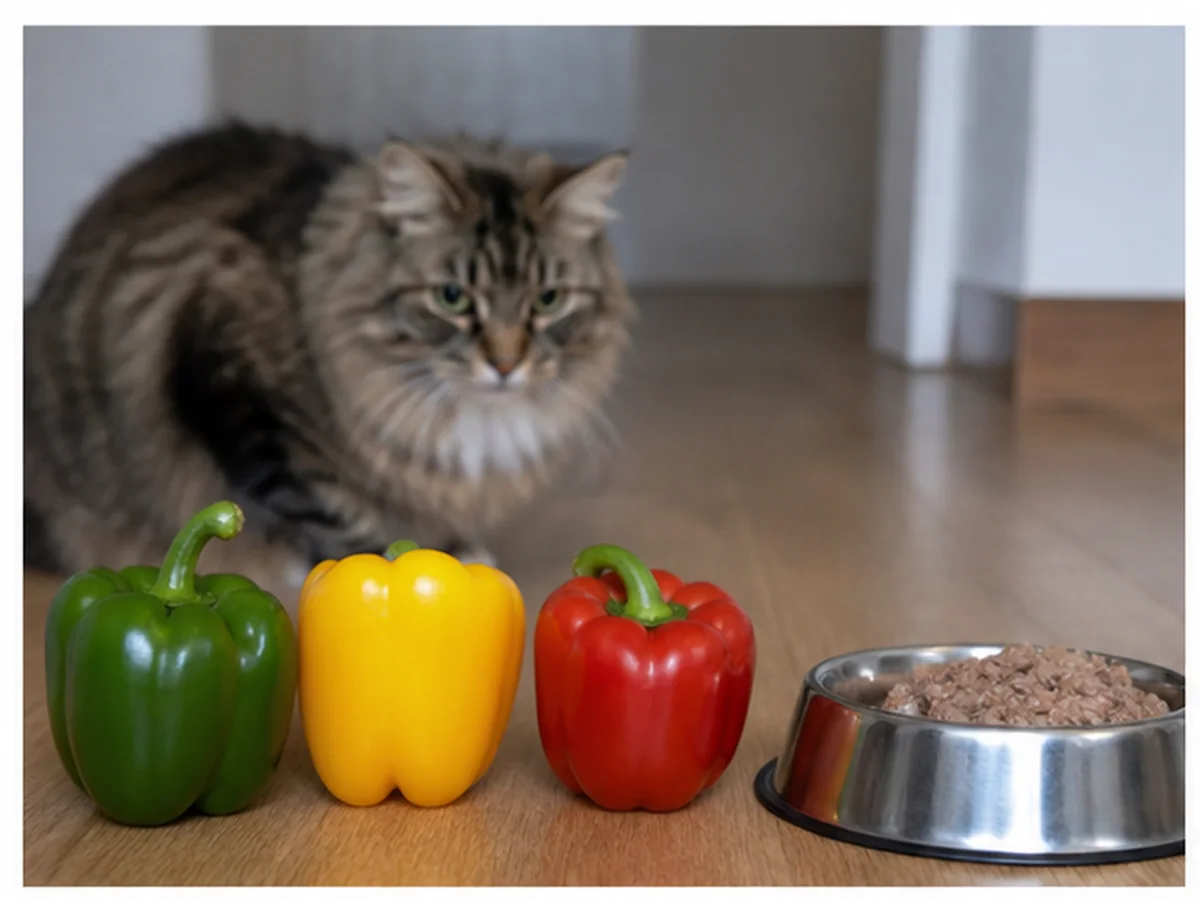
Color changes do not create separate nutrition rules
- Green bell peppers are generally less ripe than red, yellow, or orange versions of cultivated sweet pepper.
- Purple, white, and striped grocery cultivars still require identification, washing, coring, soft texture, and a tiny portion.
- A green fruit on an ornamental pepper plant is not cleared by resemblance to a supermarket vegetable.
- Any pepper coated with pesticide, fertilizer, wax, mold, or spoiled juices should be discarded rather than trimmed for a cat.
Marketing often presents brighter peppers as vitamin prizes, but a cat does not need produce to construct a balanced micronutrient intake. Formulated food already accounts for feline nutrient form, proportion, bioavailability, and life stage.
If the cat ignores a plain green fleck, accept the review and move on. Dressing it with butter, cheese, tuna oil, or salty broth merely turns an unnecessary vegetable into a richer unnecessary vegetable.
Wash grocery peppers under running water before cutting and dry them with a clean towel, but do not use soap, bleach, or produce wash unless official instructions specifically support that product. Washing reduces surface dirt and residues without turning damaged or moldy produce into usable food.
Discard peppers with deep soft spots, leaking tissue, fuzzy growth, or a fermented odor. A refrigerator drawer that contains spoiled liquid, loose twist ties, and torn bags needs cleaning before the cat is allowed nearby again.
Pepper questions from the produce aisle
Can kittens eat green bell pepper?
Kittens need complete growth nutrition and gain no necessary benefit from pepper. Small mouths also make raw skin and curved pieces poor choices, so use kitten food as rewards.
What if my cat licked a jalapeño?
Prevent more contact, check eyes and breathing, and call if drooling, vomiting, mouth pawing, skin irritation, or distress persists. Do not force milk or oil.
Are cooked green peppers safer than raw?
Plain cooking softens texture, but seasoning and the pepper species still matter. Hot chiles remain irritating after cooking, and onion or garlic in the dish adds a toxic concern.
The green-pepper verdict
A crumb of soft plain bell-pepper flesh is usually low concern, but “green pepper” can also mean a hot chile or a toxic ornamental plant. Identify the product, protect eyes and airways from capsaicin, remove stems and packaging, review every cooked-dish ingredient, and keep feline nutrition centered on complete cat food.